Interpreting data Normal Worksheets for Ages 3-7
3 filtered results
-
From - To
Our "Interpreting Data Normal Worksheets for Ages 3-7" are designed to engage young learners in understanding basic data interpretation. Through fun, interactive activities, children develop critical skills such as recognizing patterns, comparing quantities, and drawing simple conclusions from visual information. These worksheets provide a perfect blend of education and entertainment, ensuring that kids remain excited about learning. Tailored to fit the developmental stages of early learners, our collection helps build foundational skills for future academic success. Empower your kids with the tools to master data interpretation effortlessly while enjoying every moment of their educational journey.
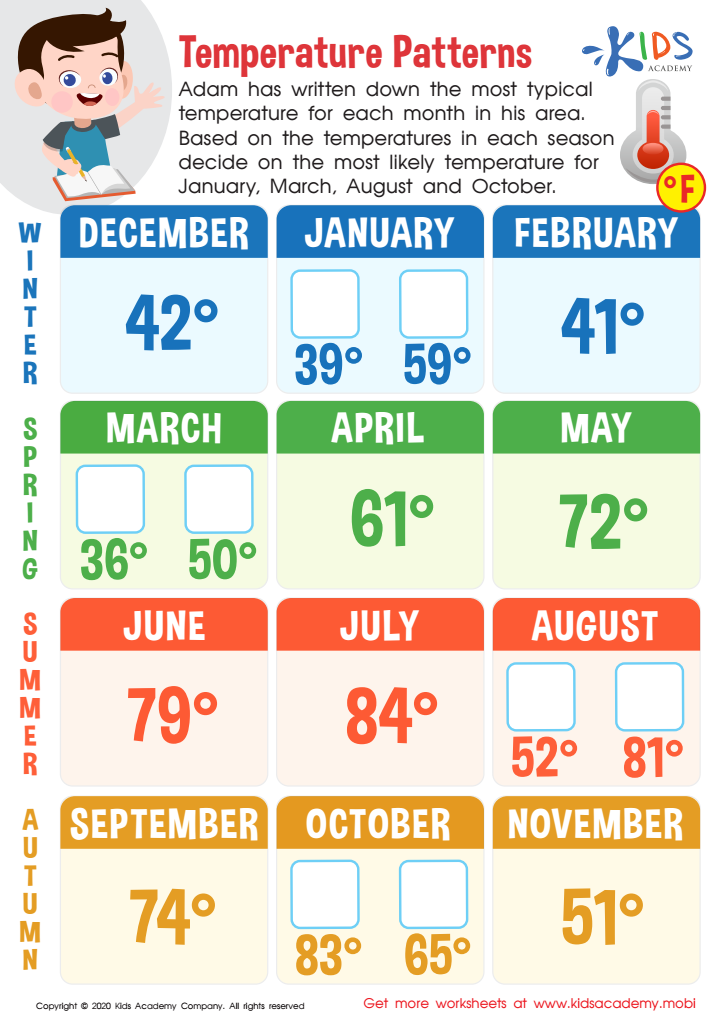
Temperature Patterns Worksheet
 Assign to My Students
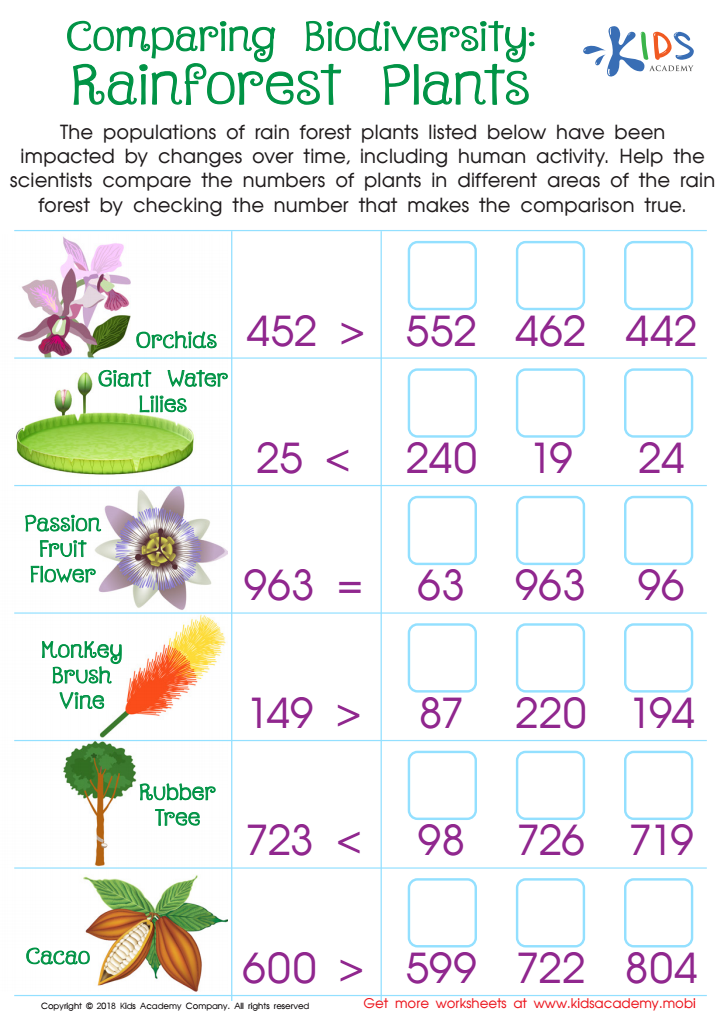
Comparing Biodiversity: Rainforest Plants Worksheet
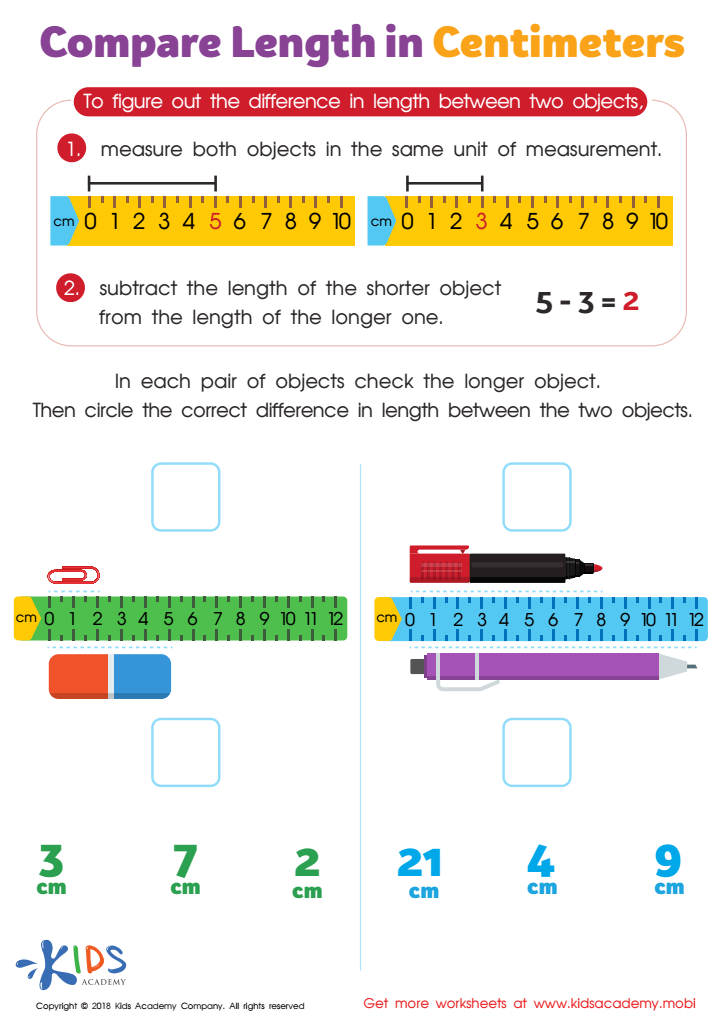
Compare Length in Centimeters Worksheet








Understanding and interpreting data is crucial for the development of young children aged 3-7, and both parents and teachers should be invested in this process. At this early age, children are naturally curious and eager to make sense of the world around them. Introducing them to basic data concepts helps to build essential critical thinking and problem-solving skills. Simple activities such as sorting objects, counting items, or creating basic charts allow children to recognize patterns, make predictions, and draw conclusions. These skills are foundational for later success in math and science.
Parents and teachers who engage children in interpreting data foster early numeracy skills and encourage a love of learning. For instance, when children group their toys by color, shape, or size, they are practicing classification and quantification, which are fundamental aspects of data literacy. Furthermore, interpreting data encourages children to communicate their findings, enhancing their language development and ability to express ideas clearly.
From an early education standpoint, early exposure to data interpretation supports cognitive development and forms a critical educational foundation. It prepares children for more complex academic concepts and real-world problem-solving scenarios they will encounter in higher grades. Thus, parents and teachers play a pivotal role in nurturing these skills to ensure children thrive academically and develop a robust understanding of the world.








