Letter identification Normal Worksheets for Ages 3-7
4 filtered results
-
From - To
Boost your child's letter recognition with our Letter Identification Normal Worksheets designed for ages 3-7. These engaging, printable worksheets by Kids Academy help young learners differentiate and identify letters in a fun, interactive way. Structured to support various learning styles, each worksheet features captivating visuals and exercises that develop essential pre-reading skills. Ideal for both classroom and at-home use, our educational resources provide a solid foundation for literacy success. Tailored to meet early educational standards, these worksheets promote early language development by fostering letter familiarity and boosting confidence in young readers. Download now to start your educational journey!
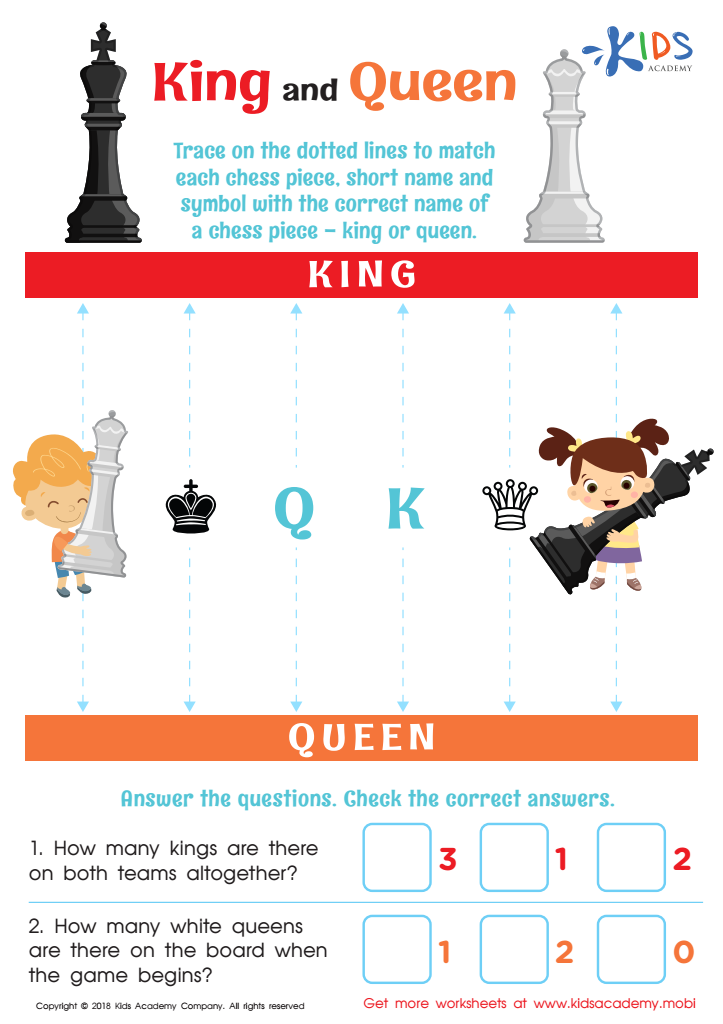
King and Queen Worksheet
 Assign to My Students
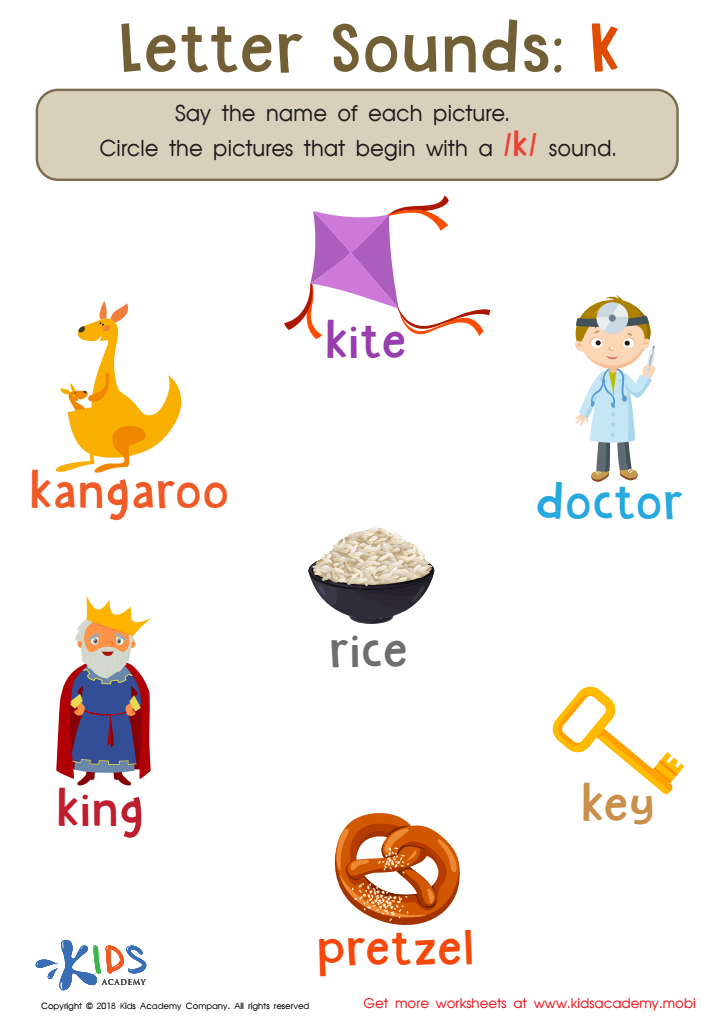
Letter K Sounds Worksheet
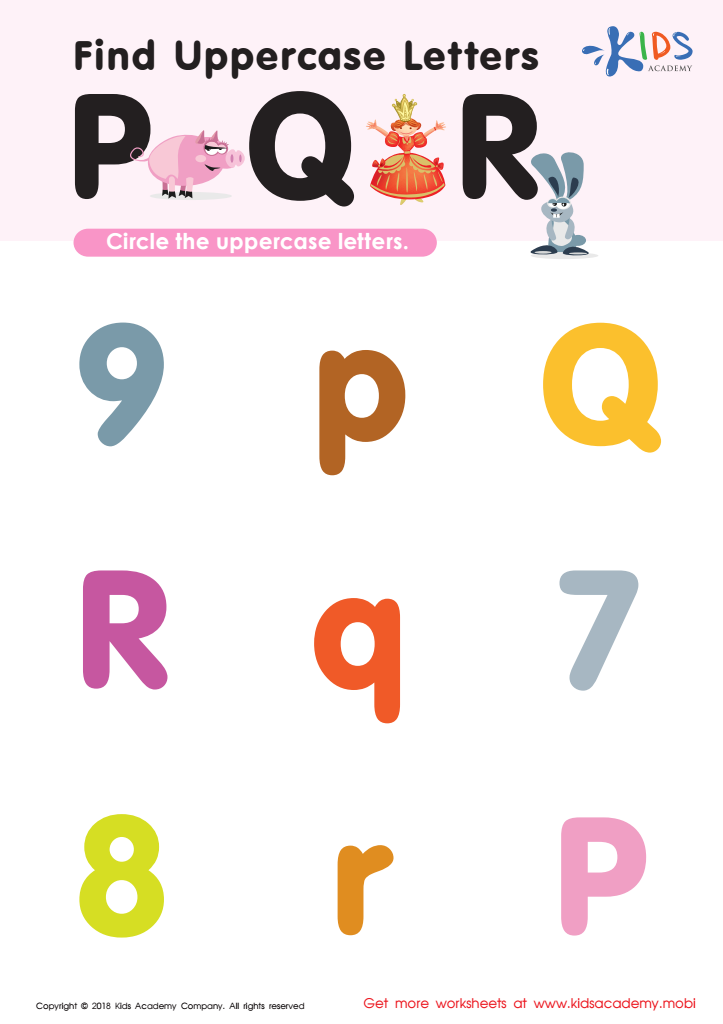
Find Uppercase Letters P, Q, and R Worksheet
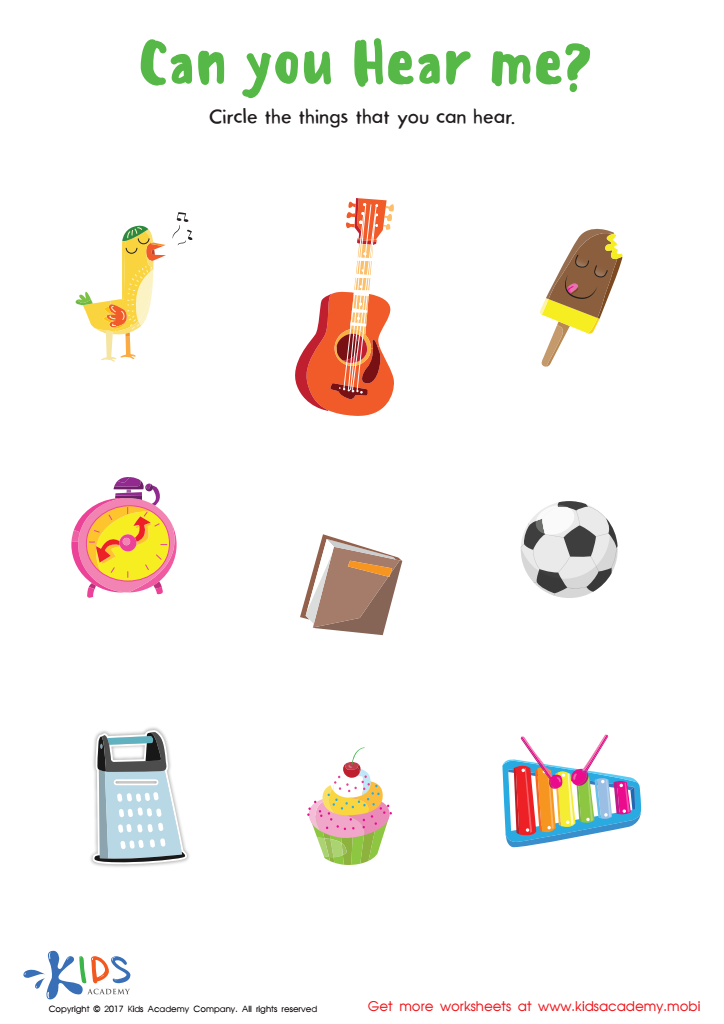
Can You Hear Me Worksheet







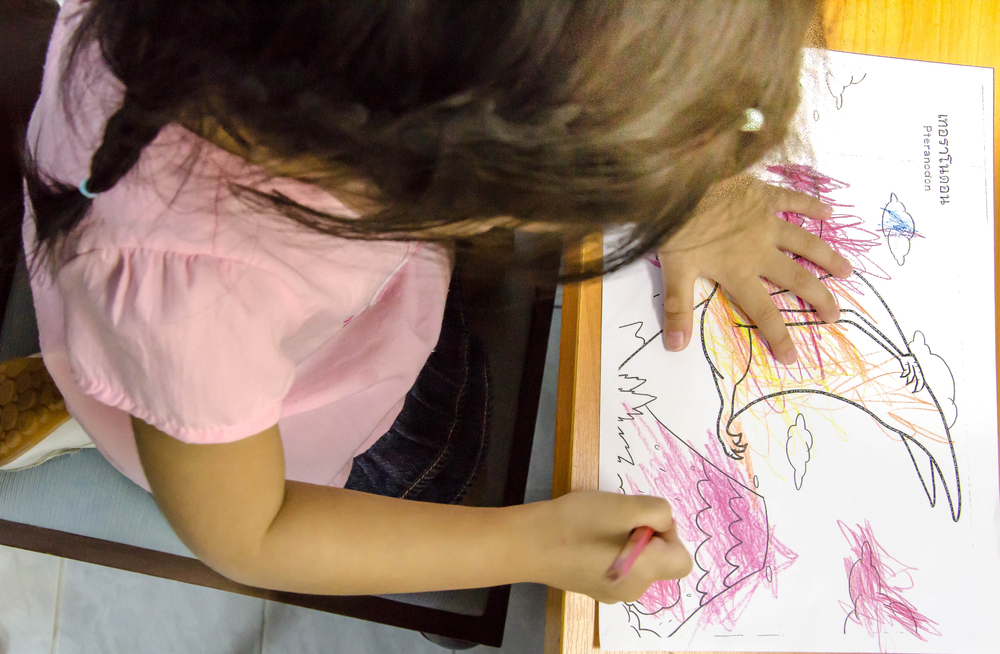
Understanding letter identification is crucial for children ages 3 to 7 as it lays the groundwork for early literacy skills, which are foundational for future academic success. During these critical years, children are particularly receptive to learning new concepts, and recognizing letters and their corresponding sounds is one of the first steps in learning to read and write.
Parents and teachers play a vital role in nurturing this developmental milestone. Early letter identification helps children build essential phonemic awareness, enabling them to understand that words are made up of individual sounds, which is a cornerstone of decoding skills. This ability translates directly into better reading and spelling capabilities.
Furthermore, strong early literacy skills correlate with greater academic achievement in other areas such as comprehension, vocabulary, and critical thinking. For teachers, early identification ensures that they can provide targeted interventions if needed, helping to bridge gaps before they widen. For parents, engaging in letter-learning activities strengthens their child's foundational skills and offers meaningful bonding experiences, enhancing both social and emotional development.
In essence, consistent support from parents and teachers in mastering letter identification equips children with the tools they need for educational advancement and lifelong learning.








