Memory enhancement Normal Worksheets for Ages 3-7
5 filtered results
-
From - To
Boost your child's memory skills with our engaging Memory Enhancement Worksheets designed for ages 3 to 7! Our thoughtfully crafted resources support early learners in developing critical memory retention and recall abilities through fun activities and interactive exercises. Each worksheet introduces stimulating concepts while making learning enjoyable. From matching games to recall tasks, kids will love the playful approach that promotes cognitive growth. Perfect for home or classroom use, these worksheets help young children build confidence as they strengthen their memory skills. Unlock your child's potential today with our vibrant and user-friendly memory worksheets tailored just for them!
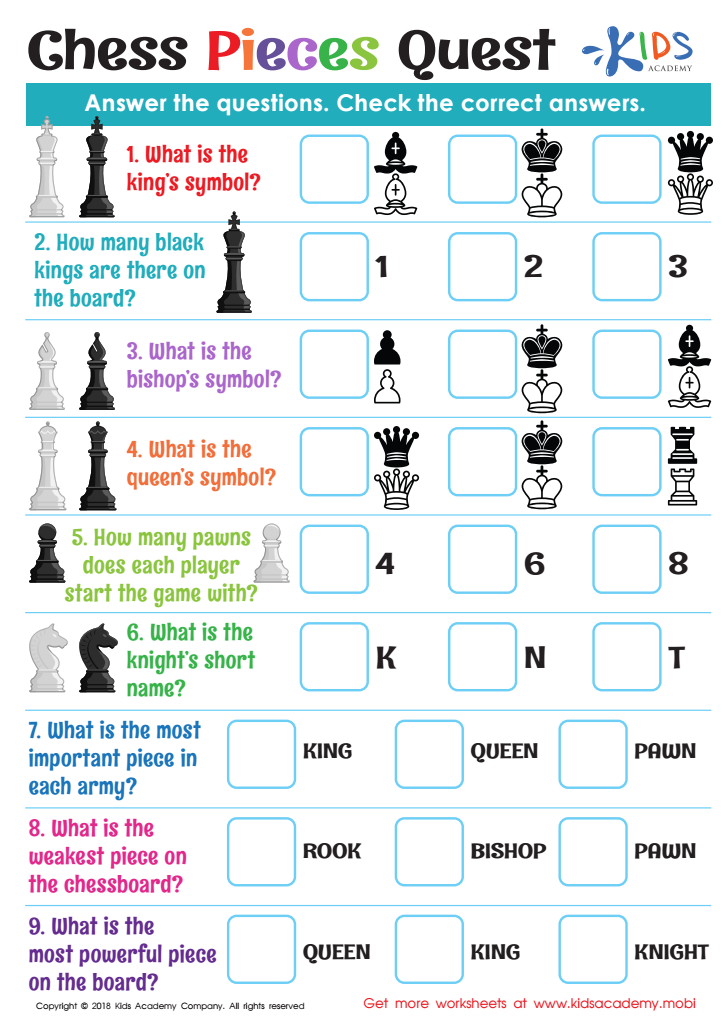
Chess Pieces Quest Worksheet
 Assign to My Students
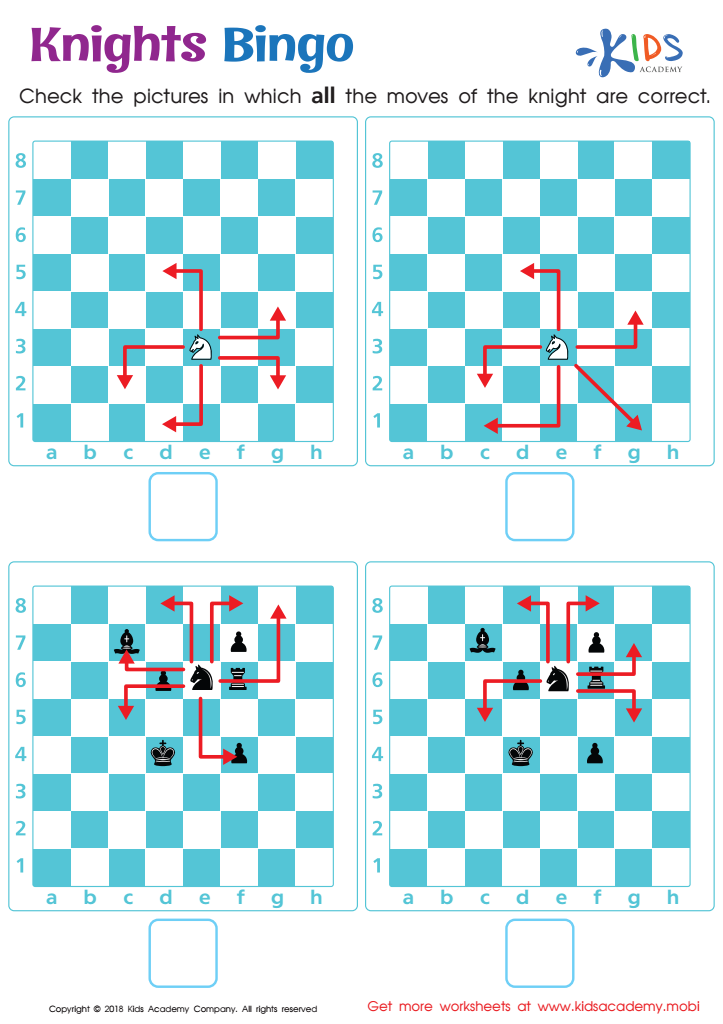
Knights Bingo Worksheet
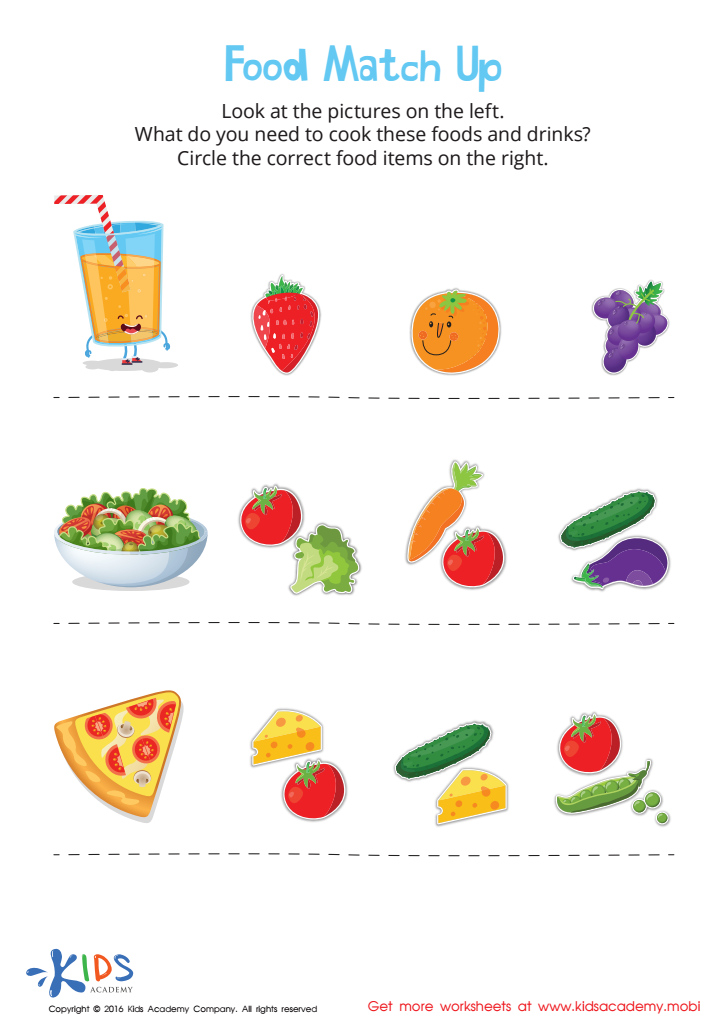
Food Match Up Worksheet
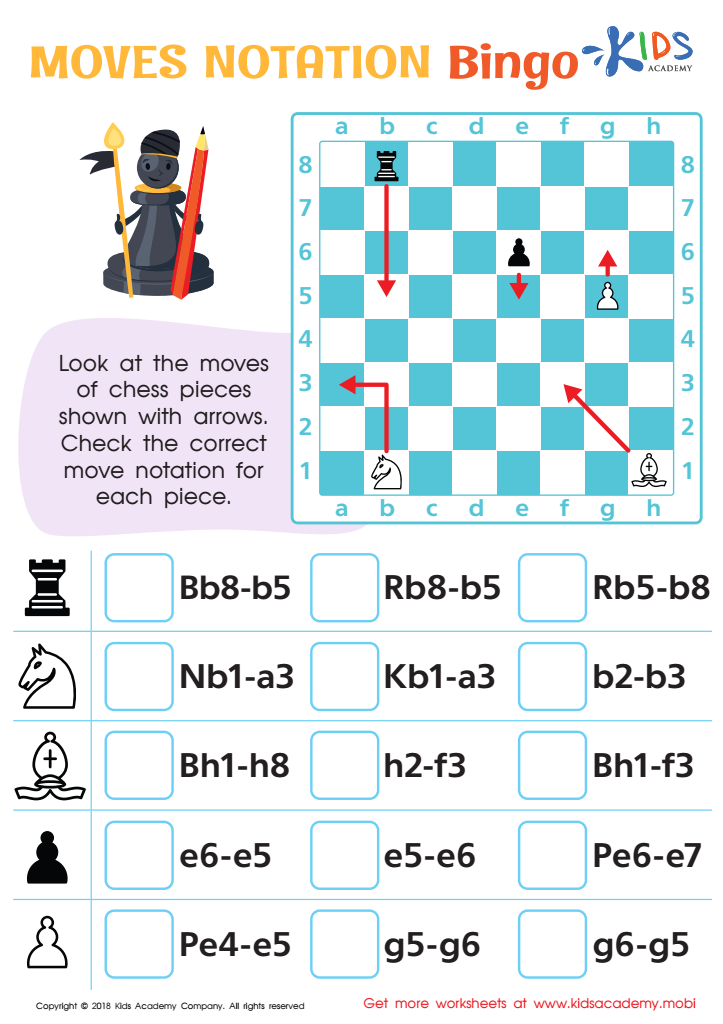
Moves Notation Bingo Worksheet

Arctic Animals Worksheet





Parents and teachers should prioritize memory enhancement for children ages 3-7 because this developmental stage is crucial for cognitive growth. At this age, children's brains are incredibly receptive, forming the foundation for future learning. Enhancing memory helps improve academic skills like reading, math, and problem-solving, setting the groundwork for lifelong learning.
Moreover, memory plays a significant role in social development. Children who can remember names, faces, and experiences are better equipped to build relationships, enhancing their social skills. These early memory abilities also aid in self-regulation, as children learn to remember rules and tasks, fostering a sense of responsibility and discipline.
Incorporating memory-enhancing activities, such as storytelling, games, and songs, can be both enjoyable and effective. Teachers and parents working together to support memory development enrich the child’s educational experience, leading to better emotional and cognitive outcomes.
Finally, strong memory skills instill confidence. When children can recall information and contribute meaningfully in classroom discussions, they feel empowered, which encourages proactive learning behaviors. By focusing on memory enhancement, parents and educators can ensure a robust foundation for the child's future success in school and beyond.








