Money management Normal Worksheets for Ages 3-7
3 filtered results
-
From - To
Discover our engaging "Money Management Normal Worksheets" designed specifically for children aged 3-7! These interactive worksheets provide a fun and educational way for young learners to develop essential money skills. From identifying coins to understanding the value of money, our resources encourage early math proficiency while promoting critical thinking. Each worksheet is crafted with colorful illustrations and age-appropriate activities to capture your child's interest. Ideal for homeschool environments, classrooms, or extra practice at home, our worksheets empower young children to build a strong foundation in money management. Start your child's journey towards financial literacy today! Download our worksheets now!
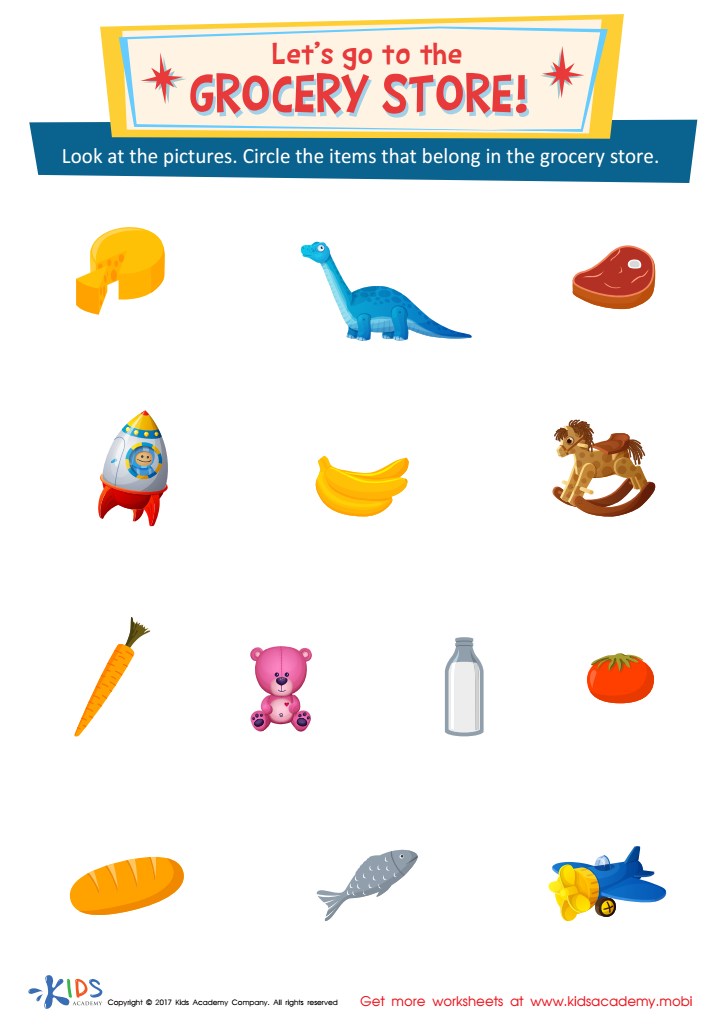
Grocery Store Worksheet
 Assign to My Students
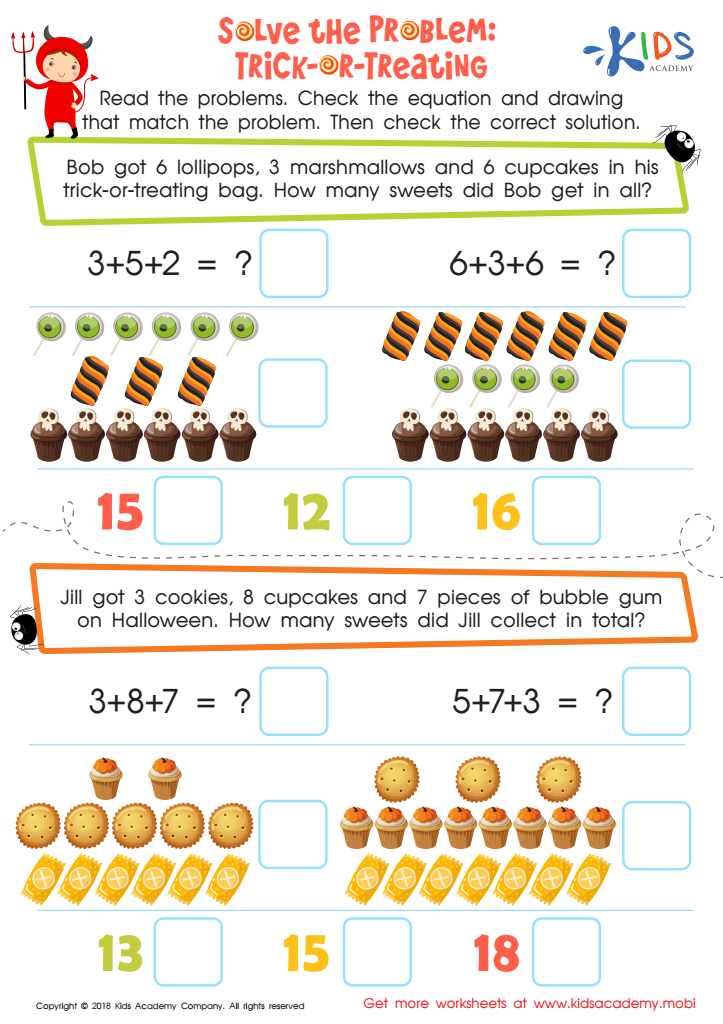
Solve the Problem: Trick–or–treating Worksheet

Promotion Practice Worksheet





.jpg)


Money management for children aged 3-7 is crucial for several reasons. First, early education about money instills fundamental financial concepts, laying a foundation for responsible spending and saving in the future. At this age, children are naturally curious and can grasp basic ideas about value, exchange, and goal-setting, making it an opportune time for learning.
Second, teaching children about money helps develop critical life skills. Strategies such as setting a small budget for a toy or understanding the concept of saving for something special can promote decision-making and patience. These skills foster independence, as children learn to navigate their desires and make informed choices.
Moreover, early financial literacy can mitigate the risks of poor financial habits later in life. As children discover the importance of budgeting and prioritizing needs over wants, they're more likely to develop a positive attitude towards money management, reducing the likelihood of debt or financial stress in adulthood.
Involving parents and teachers in this educational journey promotes consistency, allowing children to see these discussions in action, whether at home or in the classroom. By cultivating an environment that values financial understanding, we prepare children not just for their future, but for a balanced and responsible approach to life as a whole.








