Phonics comprehension Normal Worksheets for Ages 3-7
3 filtered results
-
From - To
Unlock your child's reading potential with our Phonics Comprehension Worksheets for ages 3-7! Carefully designed to boost early literacy skills, these engaging worksheets integrate fun activities with essential phonics concepts, fostering strong reading foundations. Watch as young learners enhance their phonemic awareness and word recognition skills through interactive exercises and colorful illustrations. Perfect for preschoolers and early elementary students, these printable resources are crafted to make learning enjoyable and effective. Discover a world of phonics fun and support your child's reading journey with our expertly developed worksheets at Kids Academy.
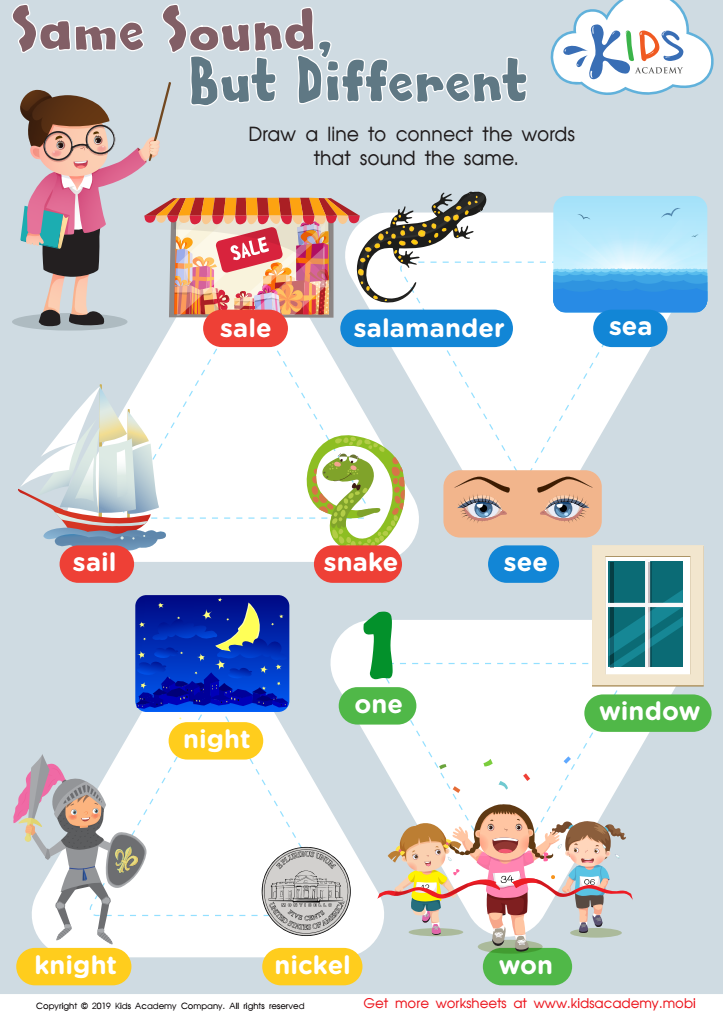
Sound Different Worksheet
 Assign to My Students
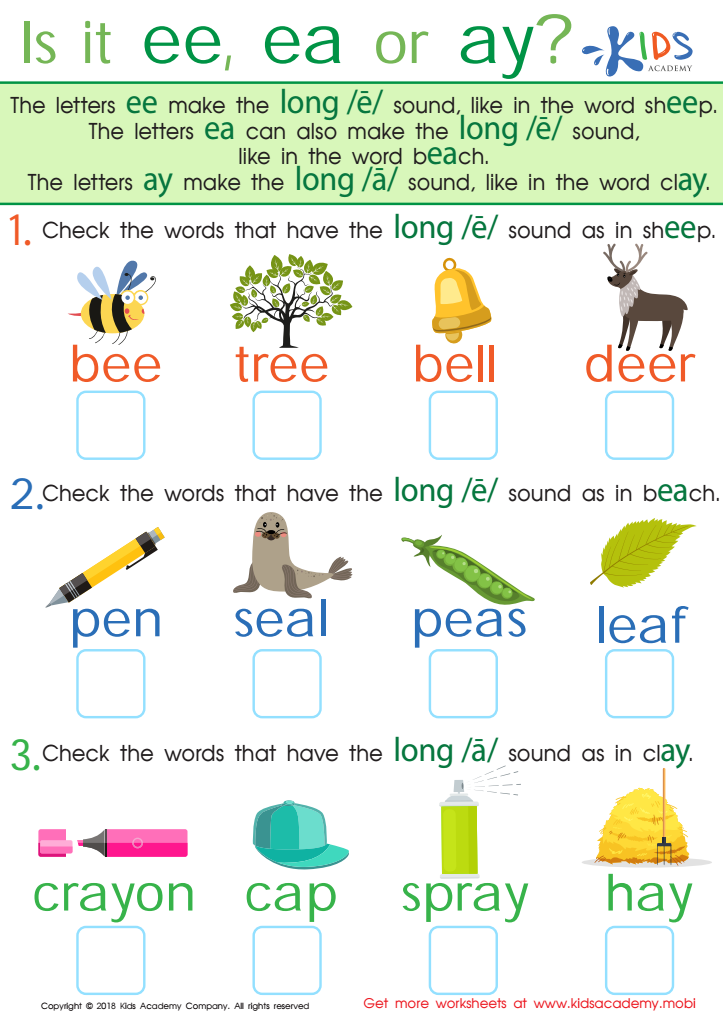
Is It EE, EA, or AY? Worksheet
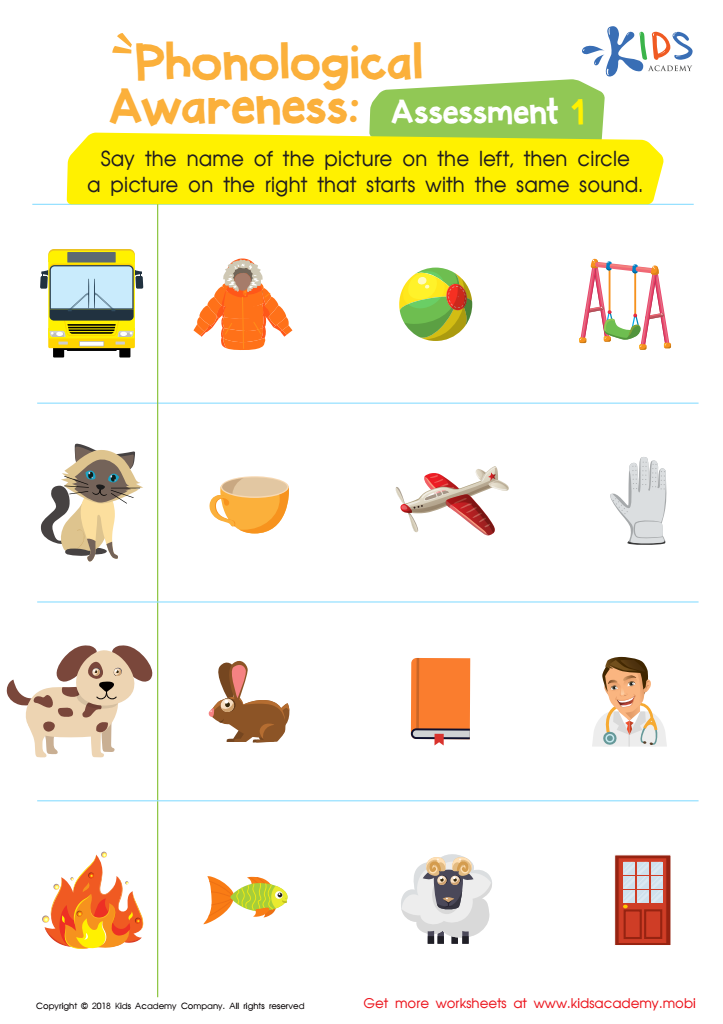
Phonological Awareness: Assessment 1 Worksheet


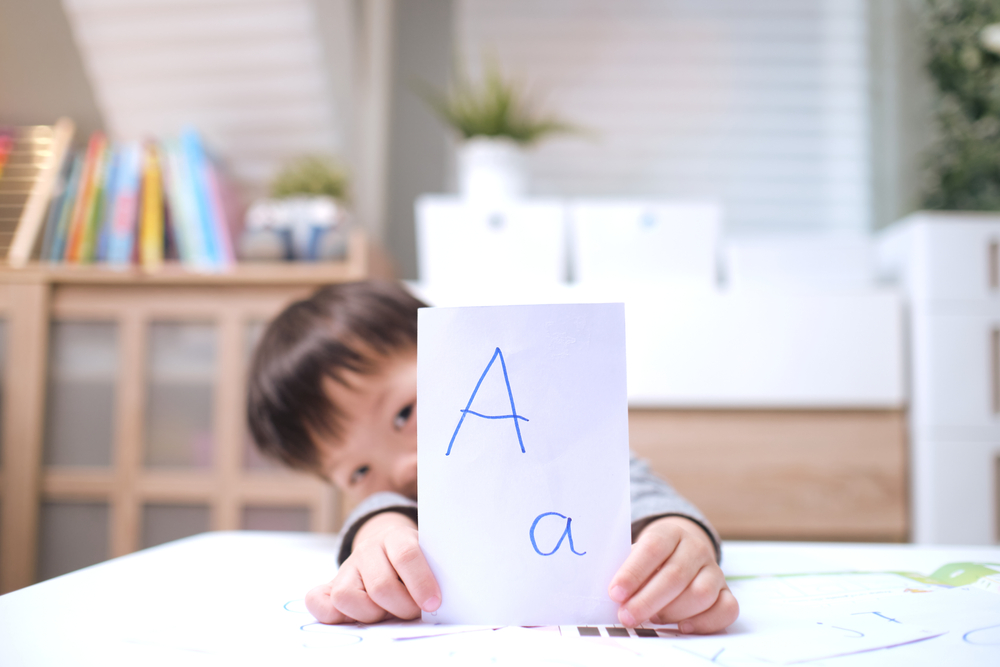





Phonics comprehension serves as a crucial foundation for young learners aged 3-7, making it essential for parents and teachers to prioritize its development. Phonics is the relationship between letters and sounds, and understanding it helps children decode words efficiently. This early literacy skill not only facilitates reading fluency but also enhances vocabulary and comprehension.
When children grasp the basics of phonics, they can sound out unfamiliar words and develop confident, independent reading habits. Without a solid phonics foundation, they may struggle with reading, leading to frustration and aversion to learning. This struggle can affect their academic performance and self-esteem.
Furthermore, phonics instruction supports cognitive development. It teaches young minds to recognize patterns, improve memory, and sharpen cognitive skills such as attention, and critical thinking. In addition, proficiency in reading by the age of 7 has been linked to future educational achievement across various subjects.
For parents and teachers, engaging children with fun, varied, and interactive phonics activities can build a positive reading experience. Caring about phonics comprehension at this early stage ensures that children have the necessary tools to unlock their full potential and thrive academically and beyond.








