Sentence formation Normal Worksheets for Ages 3-7
3 filtered results
-
From - To
Welcome to our "Sentence Formation Normal Worksheets" tailored for children ages 3-7! These engaging and interactive worksheets are designed to help young learners develop essential language skills through fun activities. Each worksheet encourages creativity and reinforces sentence structure, promoting literacy and comprehension. Kids will enjoy filling in the blanks, arranging words, and crafting sentences that express their thoughts. Our resources provide the perfect balance of challenge and enjoyment, making learning feel like play. Enhance your child’s vocabulary and writing abilities with our thoughtfully crafted materials that foster independent learning and boost confidence in their reading and writing journey!
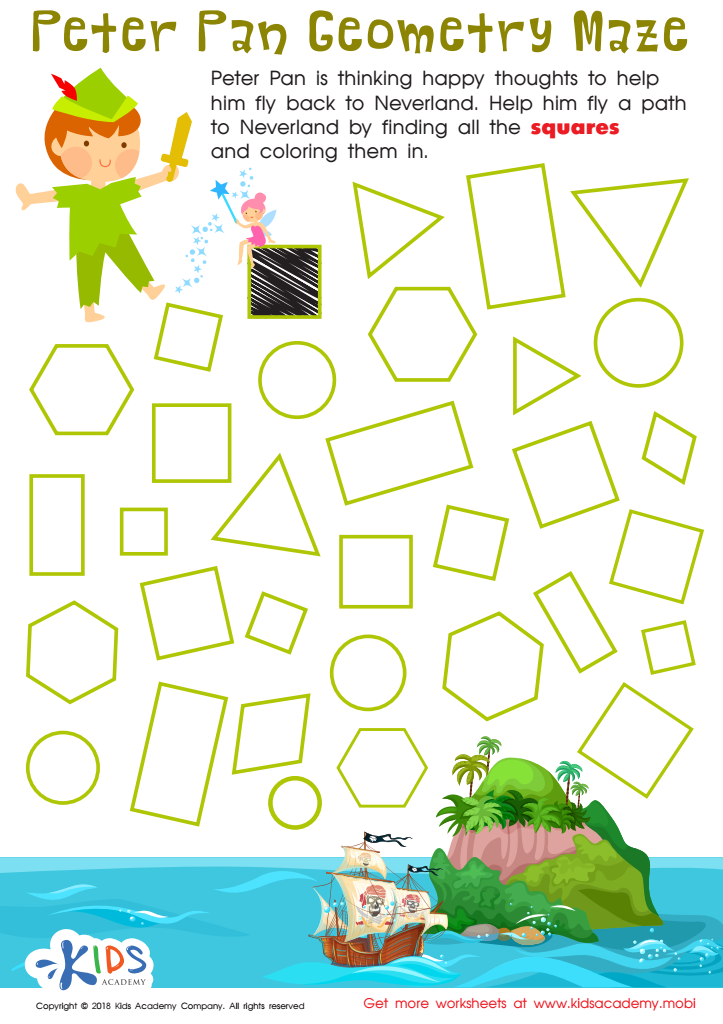
Peter Pan Worksheet
 Assign to My Students
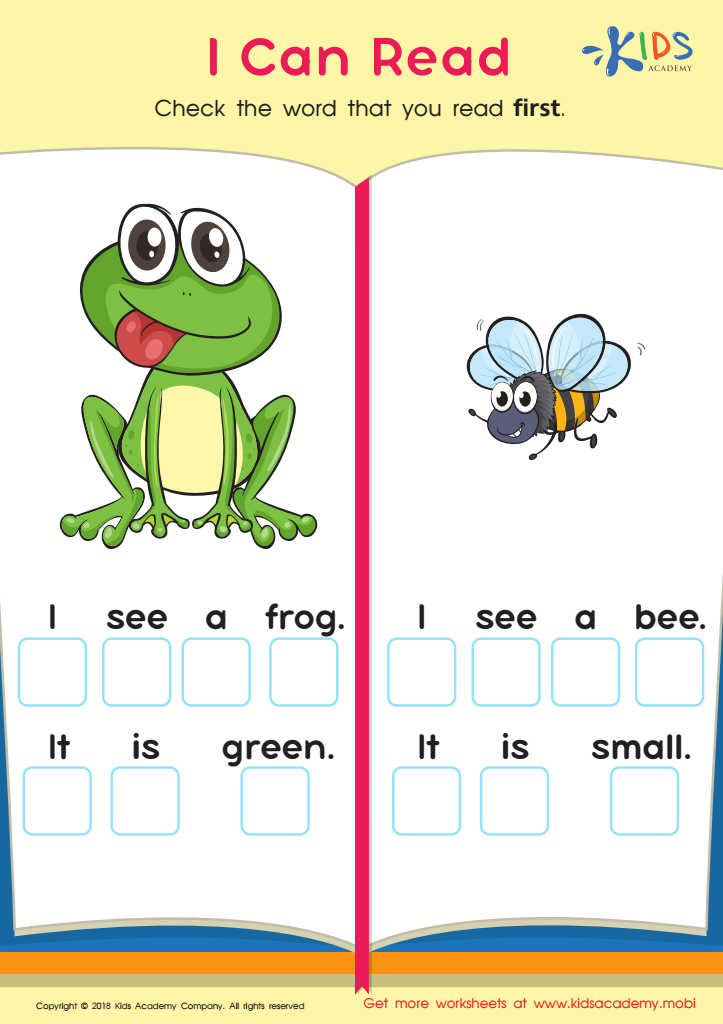
I Can Read Worksheet
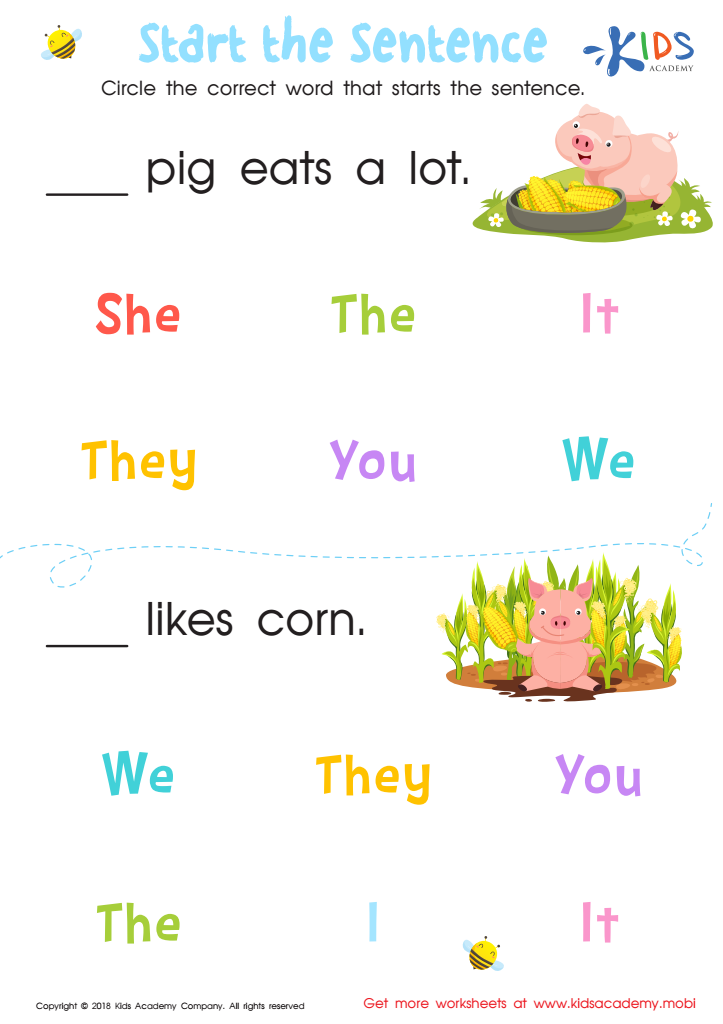
Start the Sentence Worksheet







Sentence formation is a critical skill for children aged 3-7, as it serves as the foundation for effective communication. During this developmental stage, children are eager to express their thoughts, feelings, and ideas, making it essential for parents and teachers to prioritize sentence construction in their learning.
Firstly, the ability to form sentences helps enhance vocabulary and language skills. When children learn to string words together, they engage with new terms, which boosts their understanding and use of language. This is crucial for their academic success as it prepares them for reading and writing in later years.
Moreover, fostering good sentence formation nurtures children’s ability to express themselves more clearly and confidently. When they can articulate their thoughts coherently, it promotes better social interactions and relationships with peers and adults, laying the groundwork for their social-emotional development.
In addition, mastering sentence structure aids cognitive skills. It encourages children to organize their thoughts logically, improving overall critical thinking abilities. Thus, by paying attention to sentence formation from an early age, parents and teachers facilitate not just language development, but a holistic cognitive and social-emotional growth for children, setting them up for success in many areas of life.








