Understanding patterns Normal Worksheets for Ages 3-7
5 filtered results
-
From - To
Discover our "Understanding Patterns Normal Worksheets" designed specifically for children aged 3-7 to foster early mathematical skills! These engaging worksheets introduce kids to the concept of patterns through colorful visuals and interactive activities. With a variety of exercises, children will learn to identify, extend, and create patterns, which are foundational skills for later math concepts. Our worksheets promote critical thinking, enhance concentration, and make learning fun! Ideal for both classroom settings and at-home practice, these resources will support your child's cognitive development while keeping them entertained. Start your child's journey to understanding patterns today with our printable worksheets!
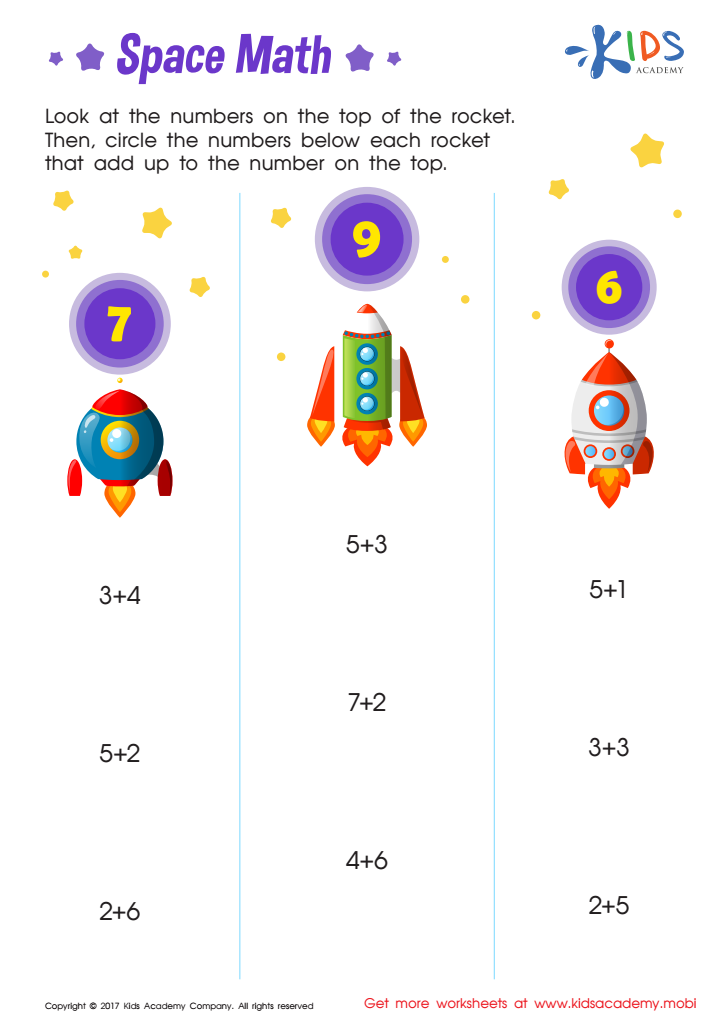
Addition: Space Math Worksheet
 Assign to My Students
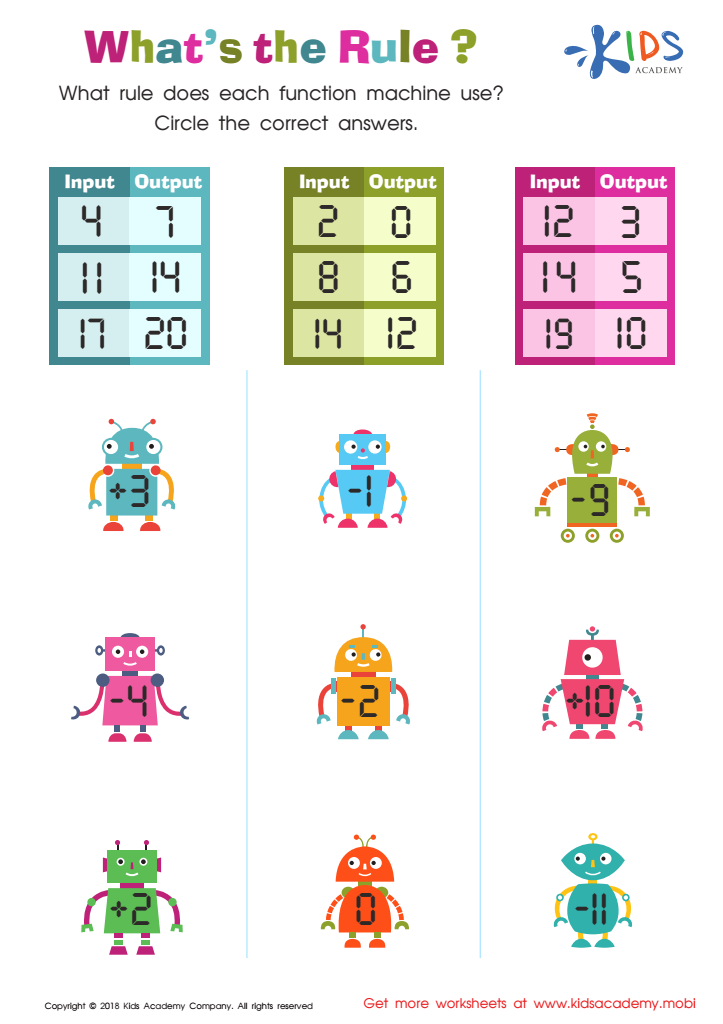
What's the Rule Worksheet
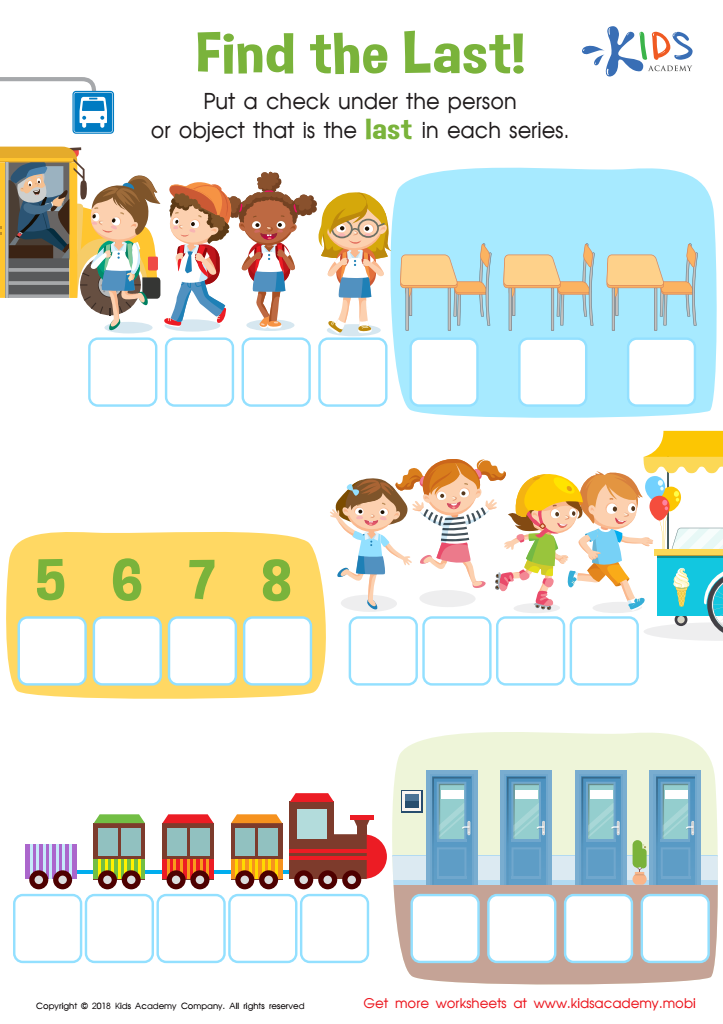
Find the Last! Worksheet
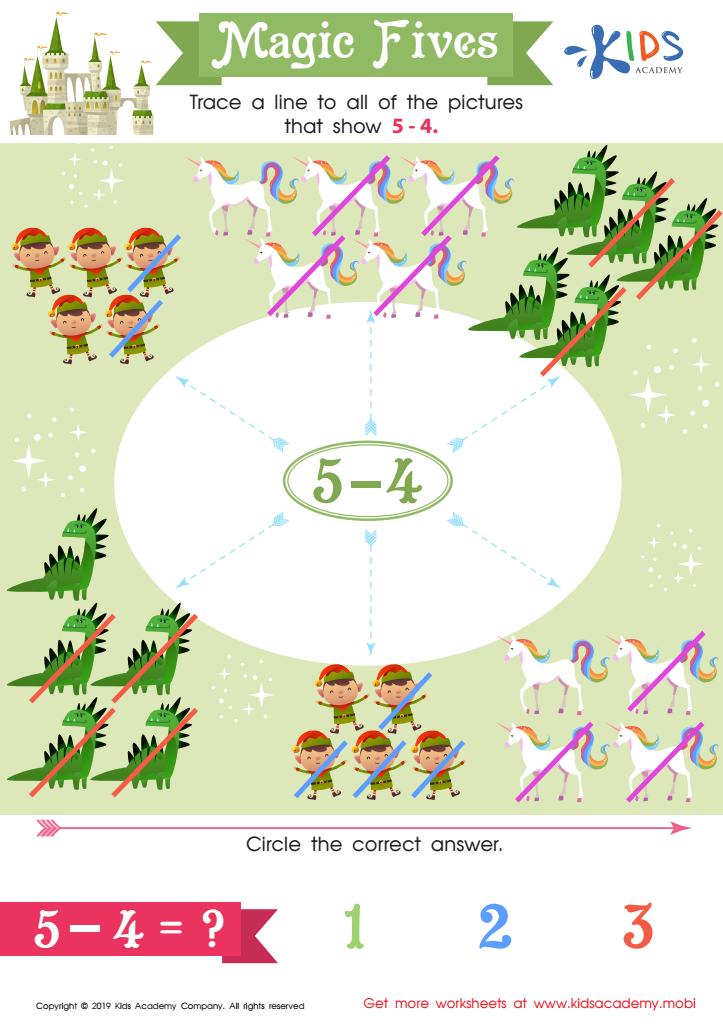
Magic Fives Worksheet
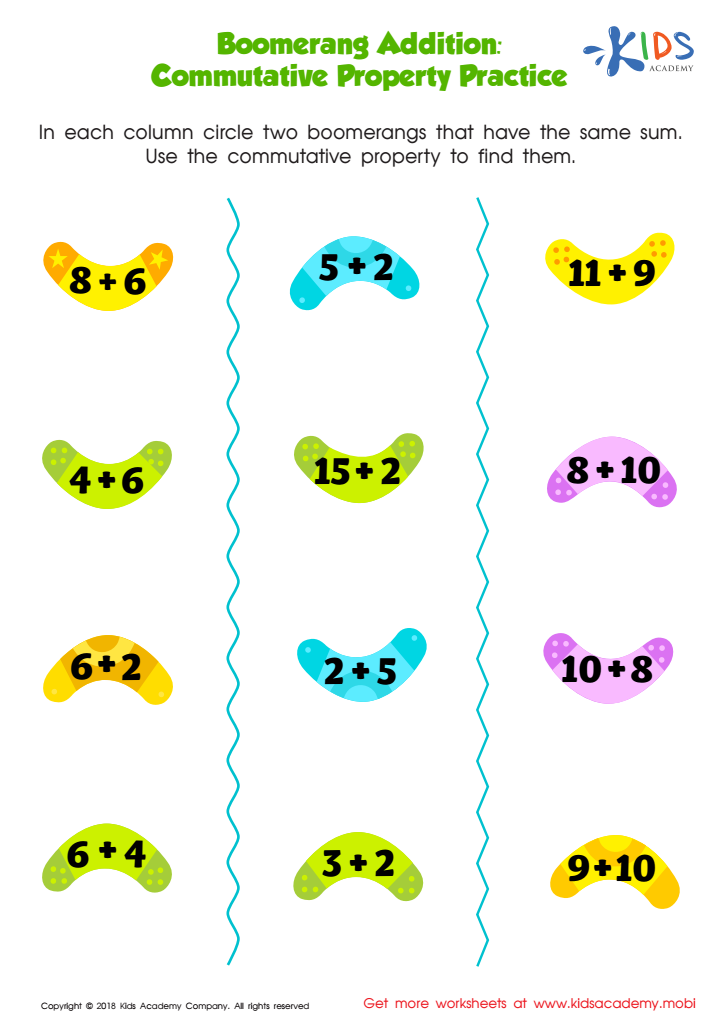
Boomerang Addition Worksheet






Understanding patterns is foundational for young children's cognitive development, especially between ages 3-7. During this critical period, children make sense of the world around them, and recognizing patterns helps sharpen their observation and analytical skills. When parents and teachers foster an awareness of patterns – whether in numbers, shapes, colors, or everyday sequences – they equip children with essential tools for logical reasoning and problem-solving.
Patterns pave the way for future learning in mathematics, science, and even literacy. For instance, recognizing numerical patterns lays the groundwork for addition and subtraction. In reading, understanding the rhythmic patterns in language enhances phonemic awareness, aiding in early literacy skills. Moreover, engaging with patterns improves creativity, as children begin to see connections in art and nature.
Furthermore, discussions about patterns also encourage curiosity and dialogue, nurturing a child's communication and social skills. By prioritizing pattern recognition in everyday activities, parents and teachers instill critical thinking and a love for learning. This not only prepares children for school but also promotes lifelong analytical abilities that transcend academic subjects, impacting their personal experiences and future careers. Ultimately, understanding patterns is a gateway to holistic child development.








