Visual recognition Normal Worksheets for Ages 3-7
8 filtered results
-
From - To
Discover our engaging Visual Recognition Normal Worksheets for children ages 3-7, designed to enhance essential skills while making learning fun! These worksheets focus on helping young learners identify shapes, colors, and images, promoting cognitive development and visual processing. Perfect for home or classroom use, our printable resources foster critical thinking and problem-solving skills through interactive activities. Each worksheet is aligned with educational standards, making it easy for parents and educators to track progress. Explore our variety of colorful and dynamic visual recognition exercises that inspire curiosity and creativity in early learners. Start building a strong foundation for lifelong learning today!
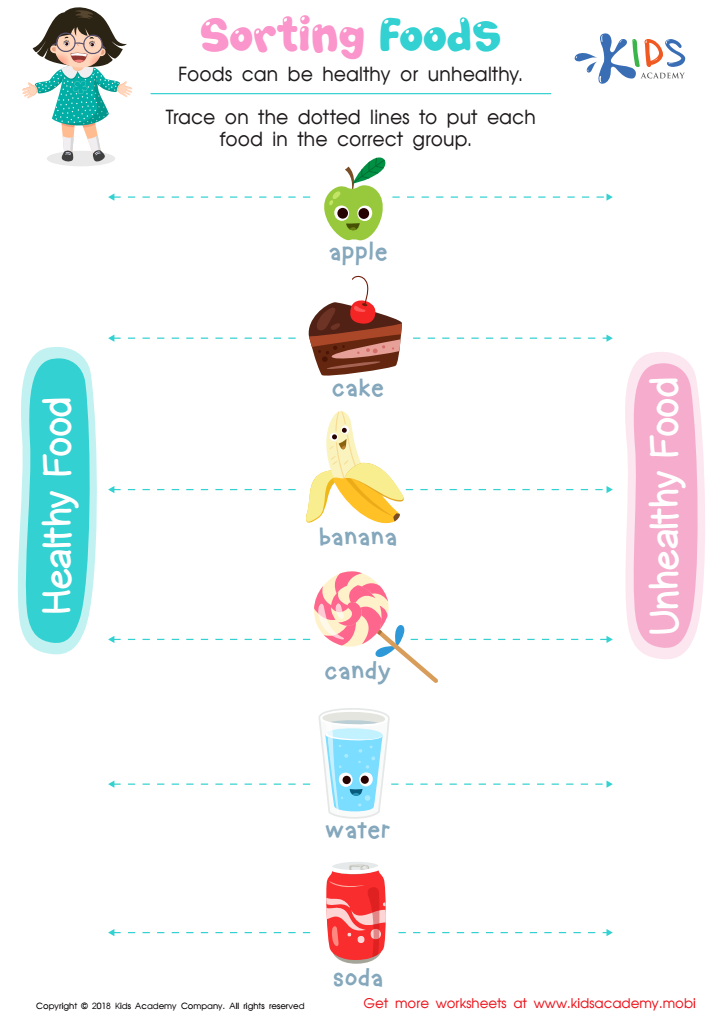
Sorting Food Worksheet
 Assign to My Students
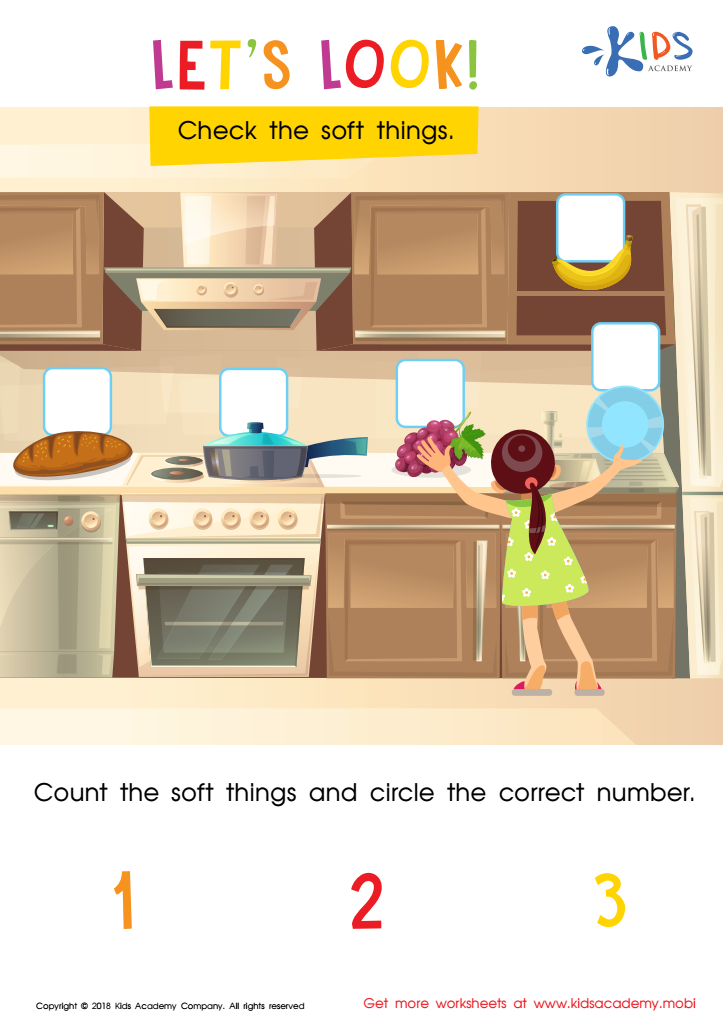
Let's Look! Assessment Worksheet
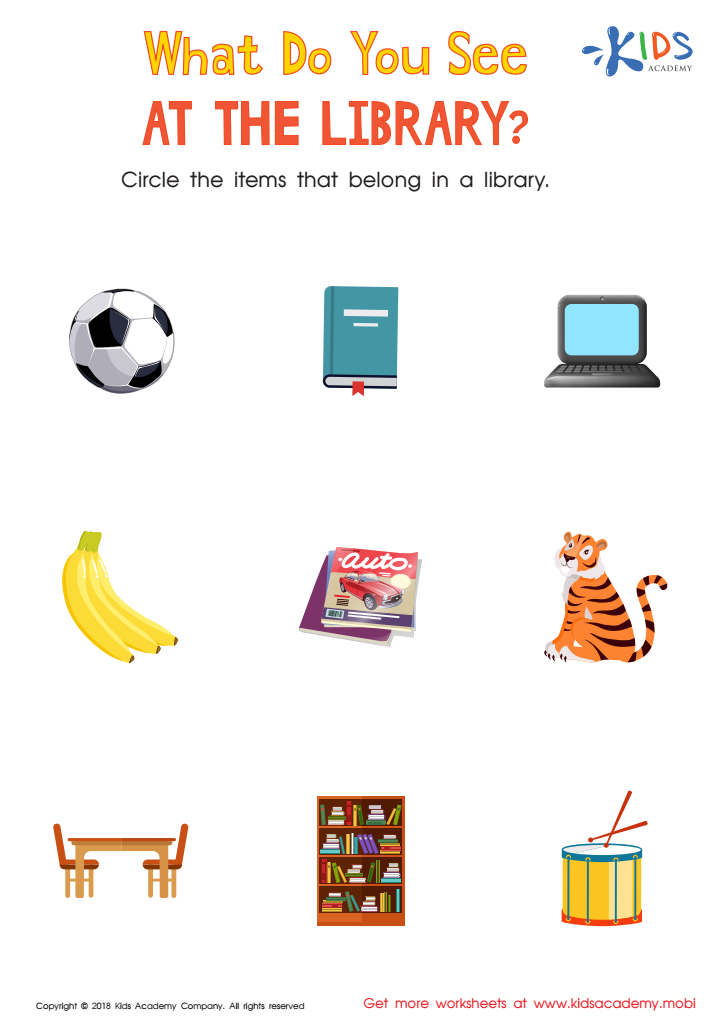
What Do you See at the Library? Worksheet
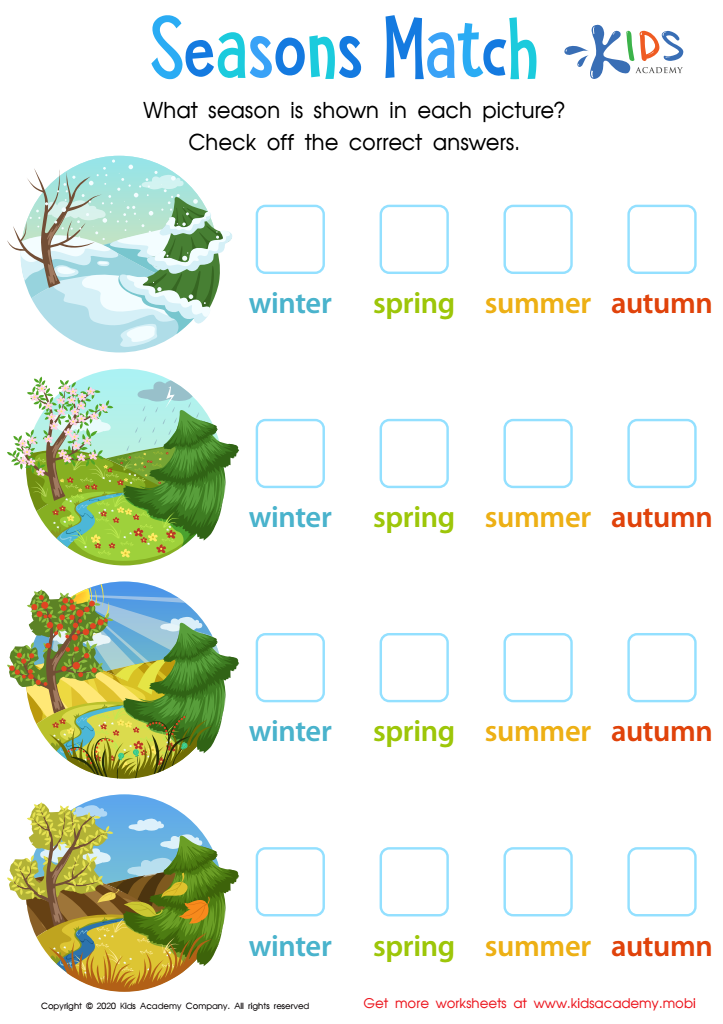
Seasons Match Worksheet
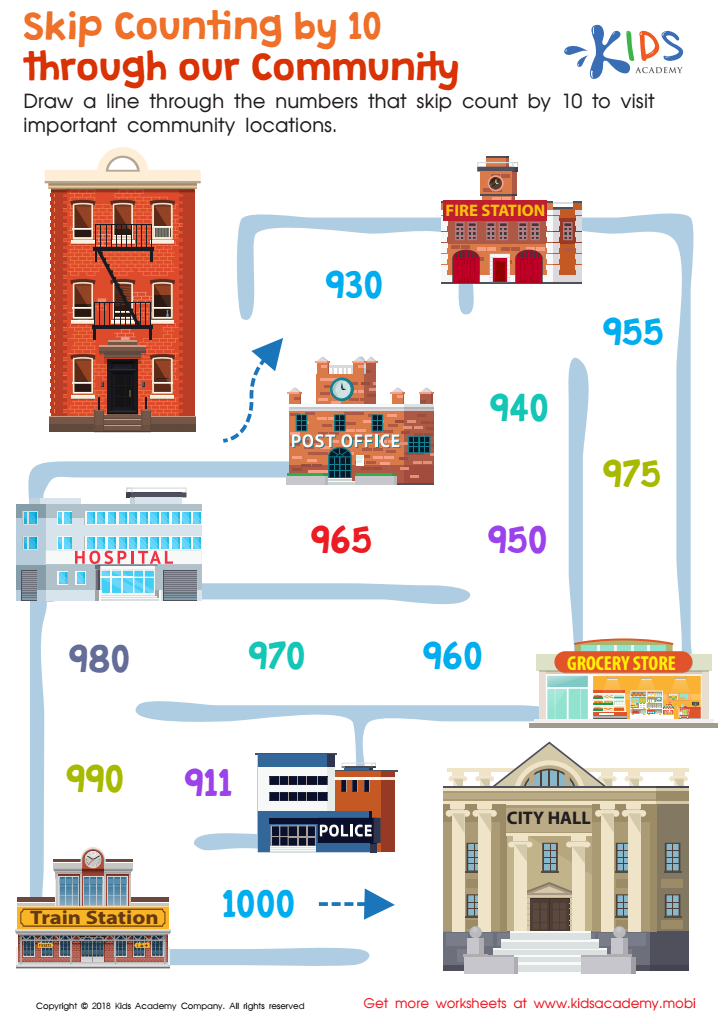
Skip Counting by 10 Through Our Community Worksheet
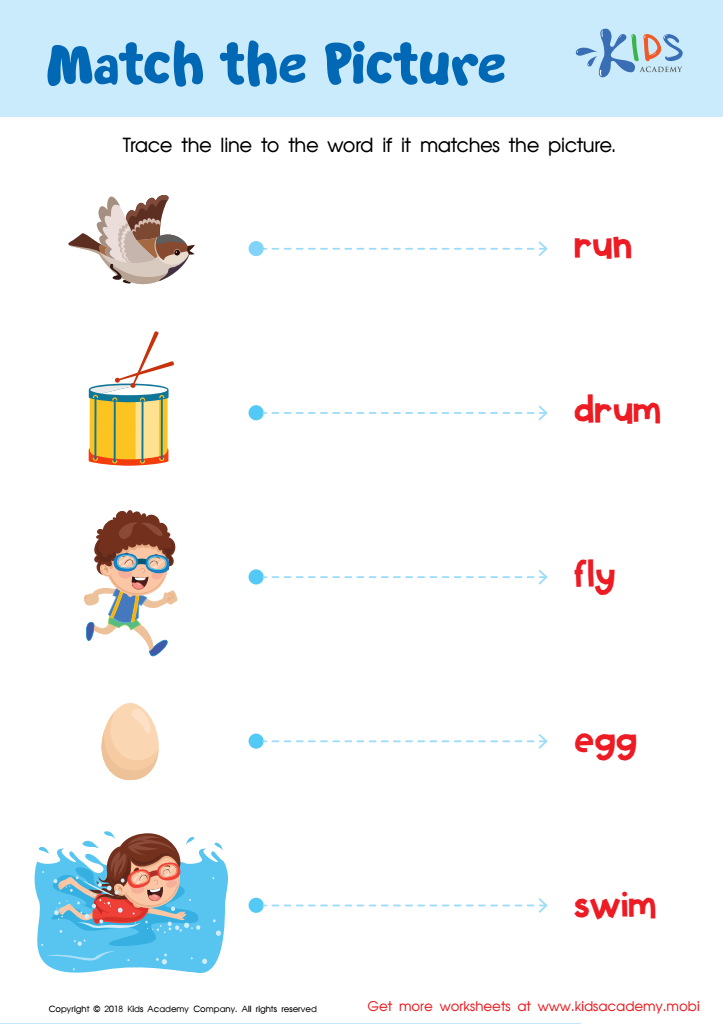
Match the Picture Worksheet
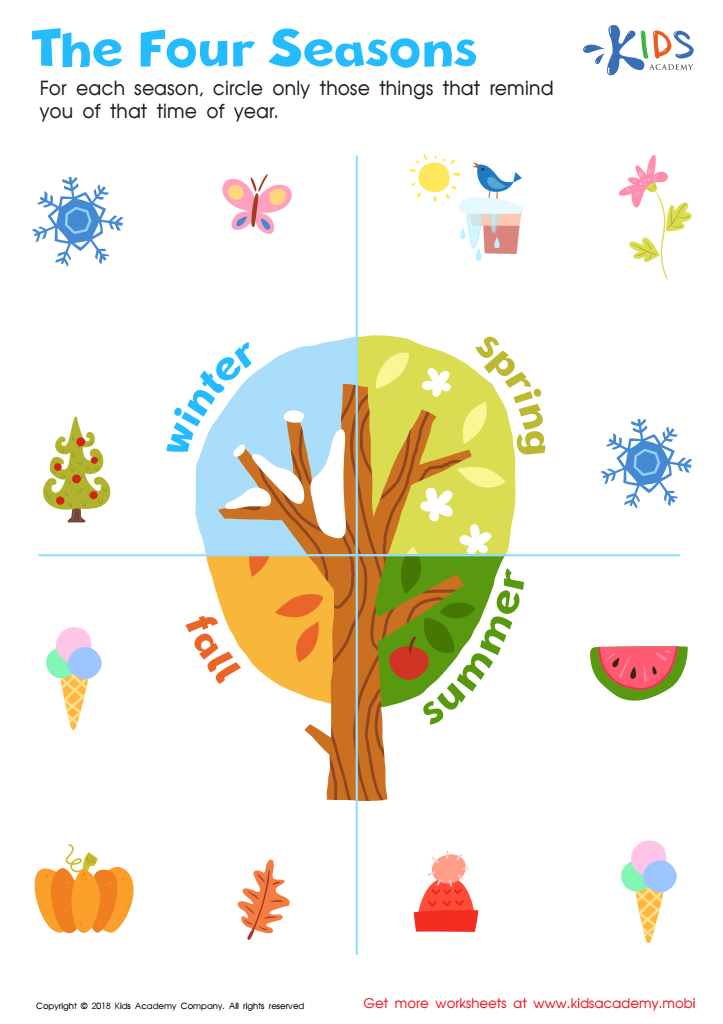
The Four Seasons Worksheet
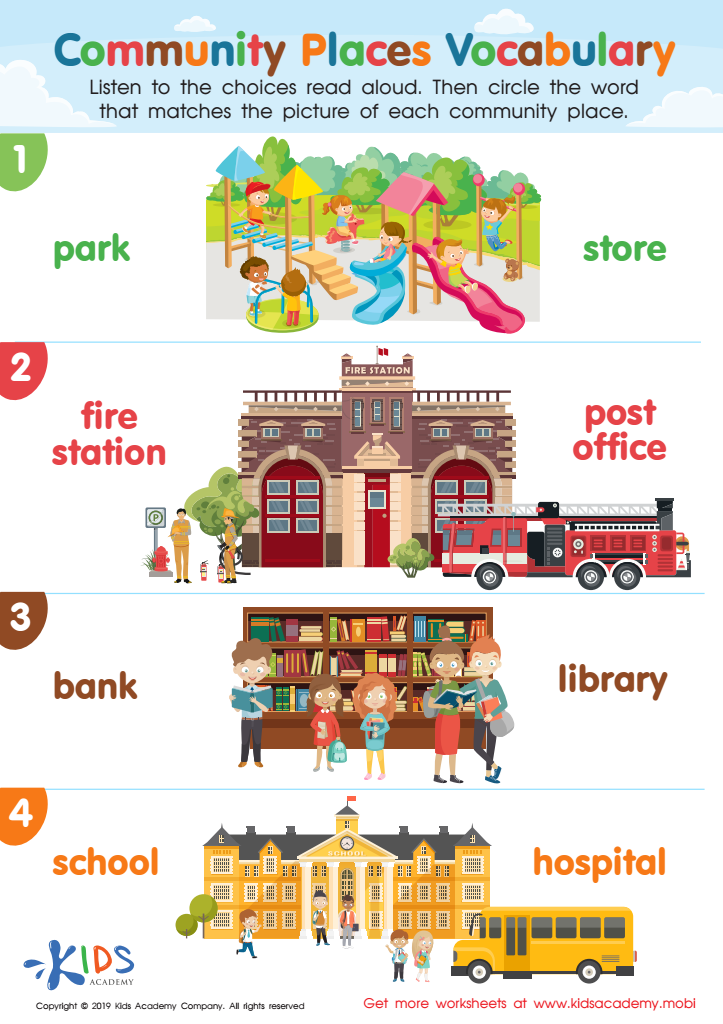
Community Places Vocabulary Worksheet






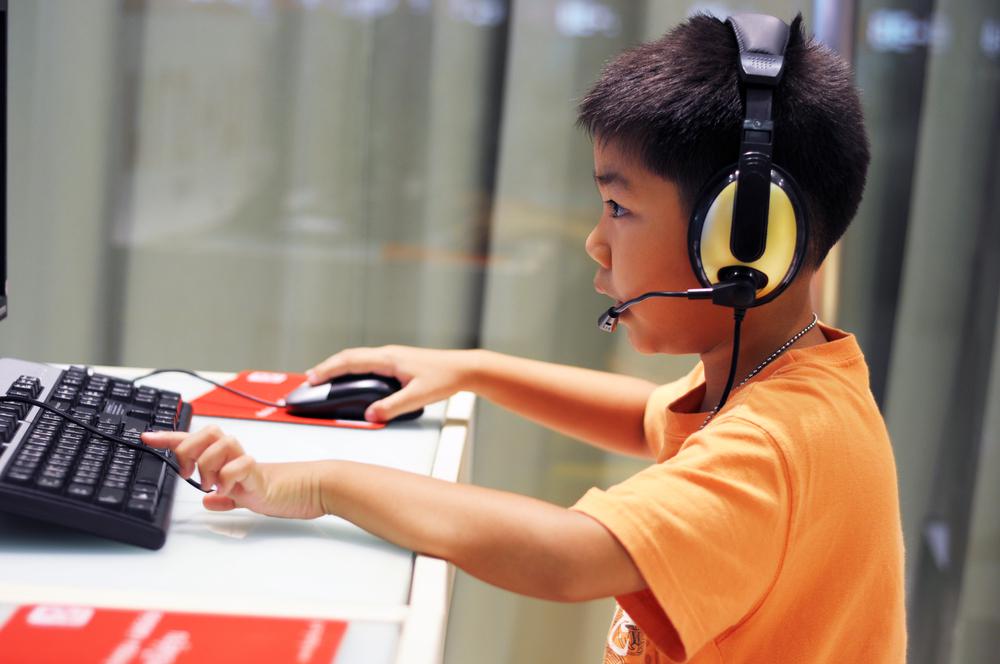
Visual recognition is a critical cognitive skill for children ages 3-7, serving as a foundation for various developmental areas, including literacy, mathematics, and social interactions. Parents and teachers should be invested in this milestone because strong visual recognition abilities enhance a child's capacity to identify shapes, colors, numbers, letters, and patterns. These skills not only support academic learning but also shaped self-confidence.
At this age, children's brains are exceptionally receptive to visual stimuli. Engaging activities, such as puzzles and sorting games, can bolster their ability to make quick comparisons and discern differences, paving the way for stronger analytical thinking. Moreover, visual recognition aids in reading readiness. Recognizing letters and words visually is essential as children begin to decode text, thereby fostering literacy development.
Additionally, visual recognition contributes to social skills. Children are adept at interpreting non-verbal cues, such as facial expressions and body language, which are crucial for engaging with peers. By fostering visual recognition through playful and engaging mediums, parents and teachers can significantly bolster a child’s overall learning and interpersonal skills, laying a robust foundation for future academic success and social competence. Supporting this development is tantamount to steering children toward a thriving and enriching educational experience.








