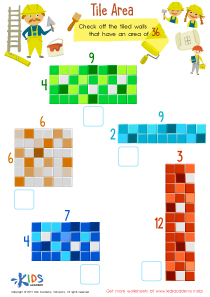
Color Identification Normal Numbers Worksheets for Ages 3-7
4 filtered results
-
From - To
Discover our engaging "Color Identification Normal Numbers Worksheets" designed for children aged 3-7. These printable worksheets provide a fun and interactive way for young learners to explore the world of colors while simultaneously mastering number identification. Each activity encourages creativity and hands-on learning, helping kids to associate colors with numbers through engaging visual prompts and delightful illustrations. Perfect for parents and educators, these worksheets enhance cognitive skills, promote fine motor development, and cultivate a love for learning in a playful environment. Download our color identification worksheets today and watch your child's confidence in numbers and colors flourish!
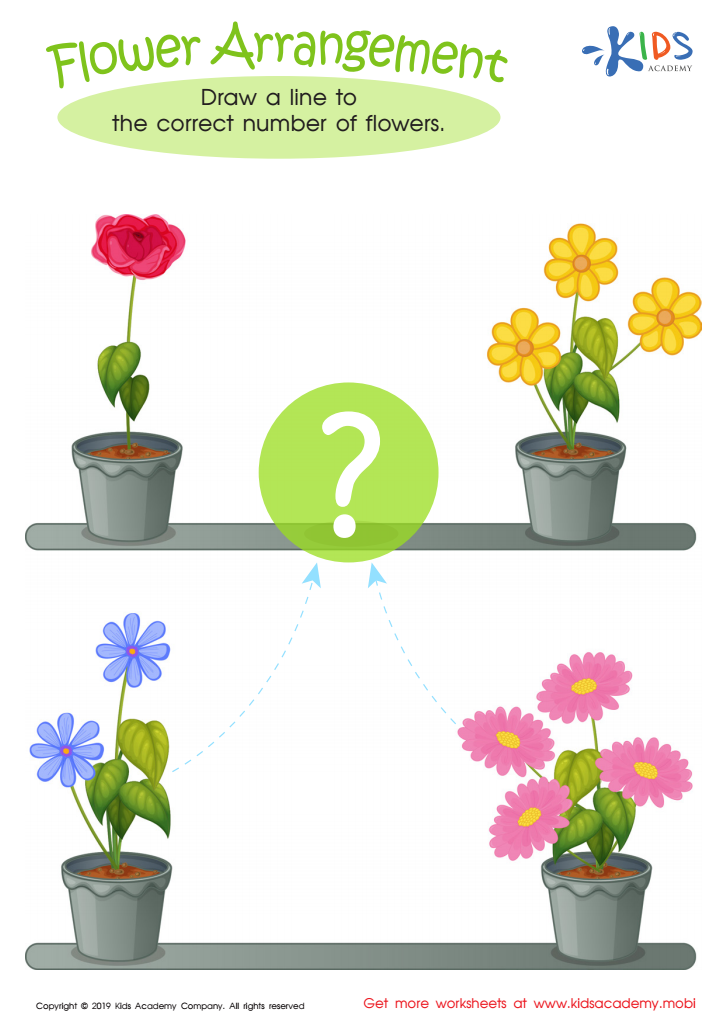
Flower Arrangement Worksheet
 Assign to My Students
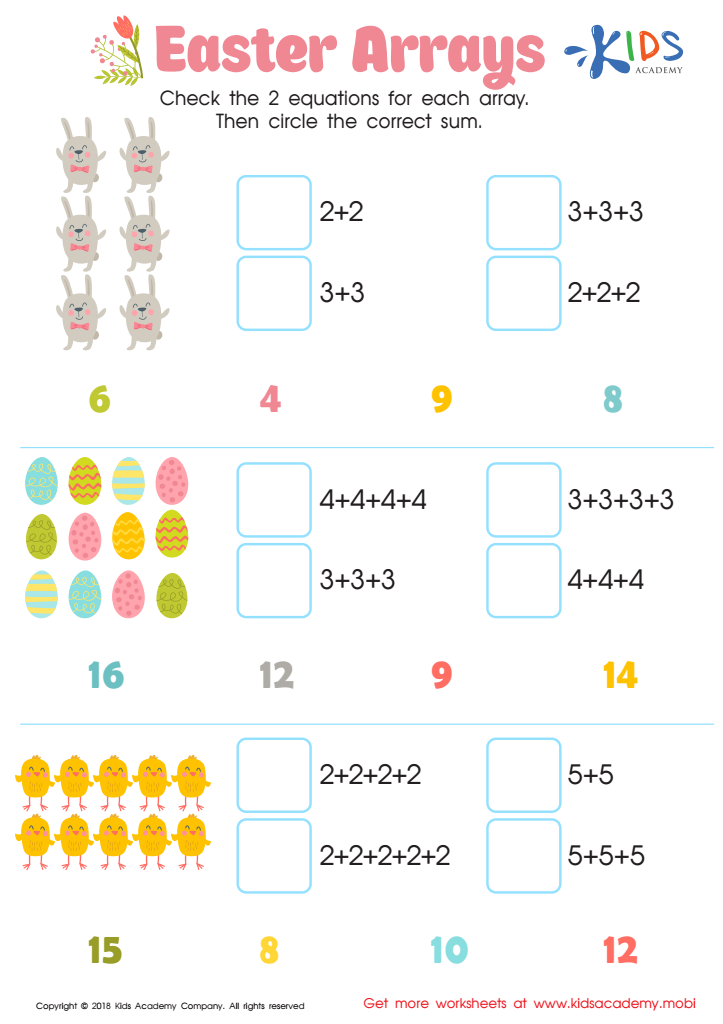
Easter Arrays Worksheet
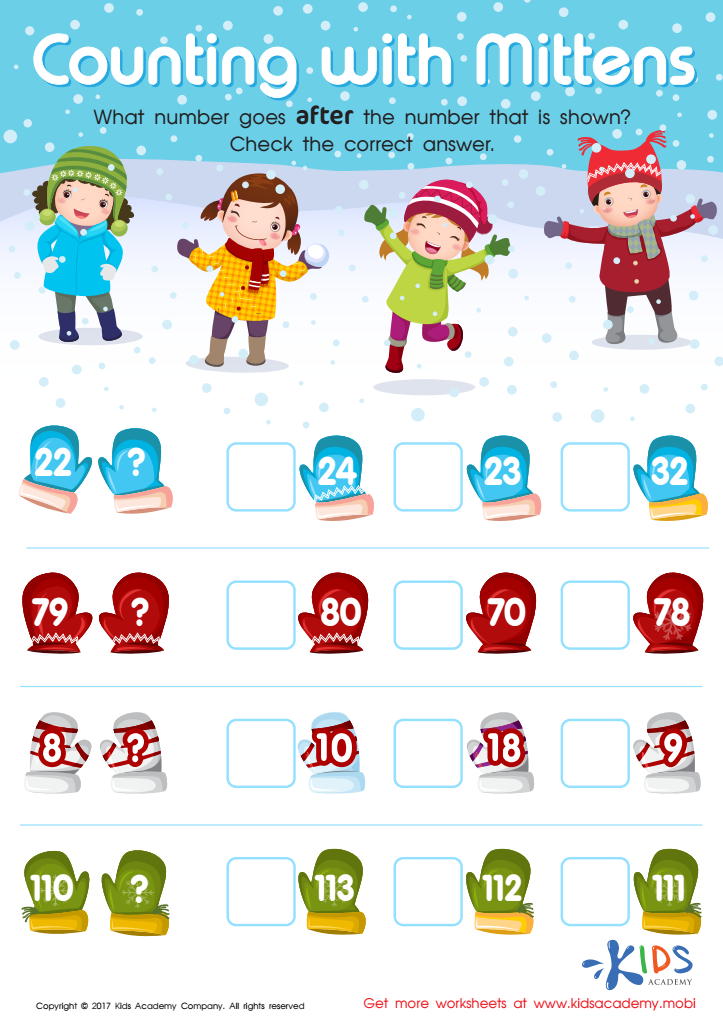
Counting with Mittens Worksheet
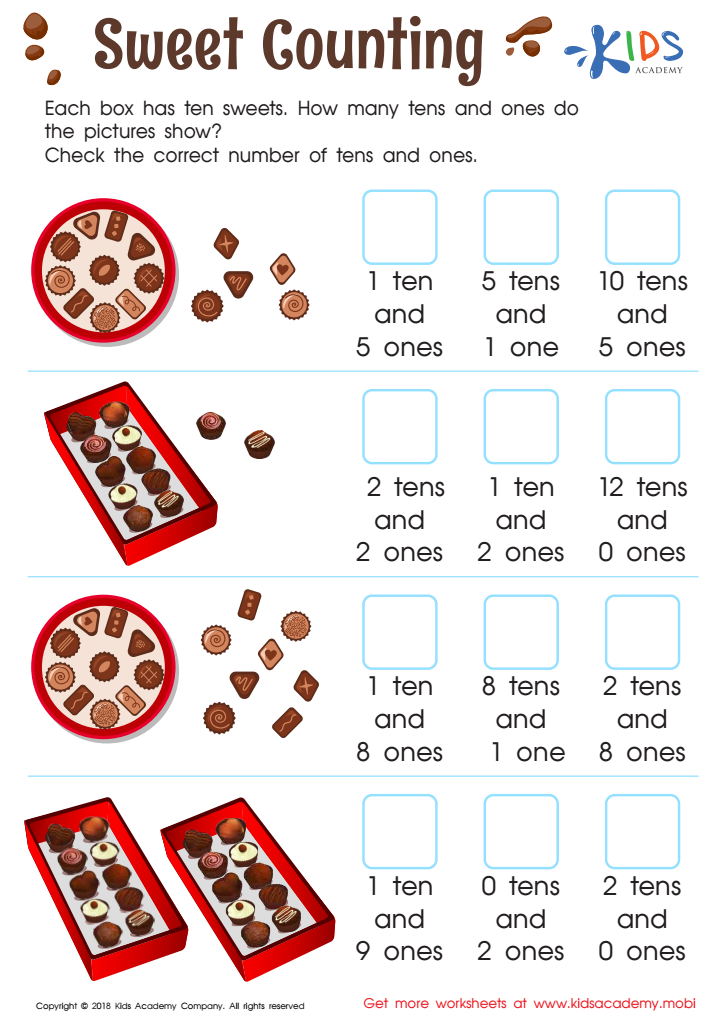
Sweet Counting - Part 2 Worksheet








Color identification normal numbers present a foundational element in early childhood education, particularly for children aged 3 to 7. This developmental stage is crucial for honing cognitive and sensory skills, and recognizing colors enhances a child’s ability to categorize and make sense of the world around them. Understanding colors is not just about visual recognition; it serves as a springboard for language development, as children learn to articulate the names of different colors, leading to improved vocabulary.
Moreover, color identification supports critical thinking skills. When children associate colors with objects or emotions, they engage in complex cognitive processes that foster creativity. Engaging with color-rich activities—like sorting colored blocks or participating in art projects—invites hands-on learning and promotes fine motor skills.
From a social perspective, color identification can also facilitate communication among peers. For example, children sharing feelings or ideas about a color can spark collaborative play, fostering teamwork and social skills.
Ultimately, both parents and teachers should prioritize color identification as it lays the groundwork for a child’s analytical and creative prowess, enriches their conversational abilities, and nurtures their social interactions. Encouraging this skill will aid in their overall educational journey and emotional development.