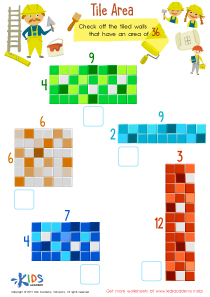
Counting skills Normal Numbers Worksheets for Ages 3-7
65 filtered results
-
From - To
Welcome to our Counting Skills Normal Numbers Worksheets for Ages 3-7! Designed specifically for young learners, these engaging worksheets help children develop essential counting skills through fun activities. Each worksheet introduces numbers in a visually stimulating way, making learning enjoyable and effective. With colorful illustrations and interactive exercises, children will practice counting objects, recognizing numbers, and mastering one-to-one correspondence. Perfect for homeschooling or classroom settings, our resources cater to various learning styles and can be easily integrated into daily activities. Start your child's journey toward numerical fluency today with our thoughtfully crafted counting worksheets! Explore, learn, and watch them thrive!
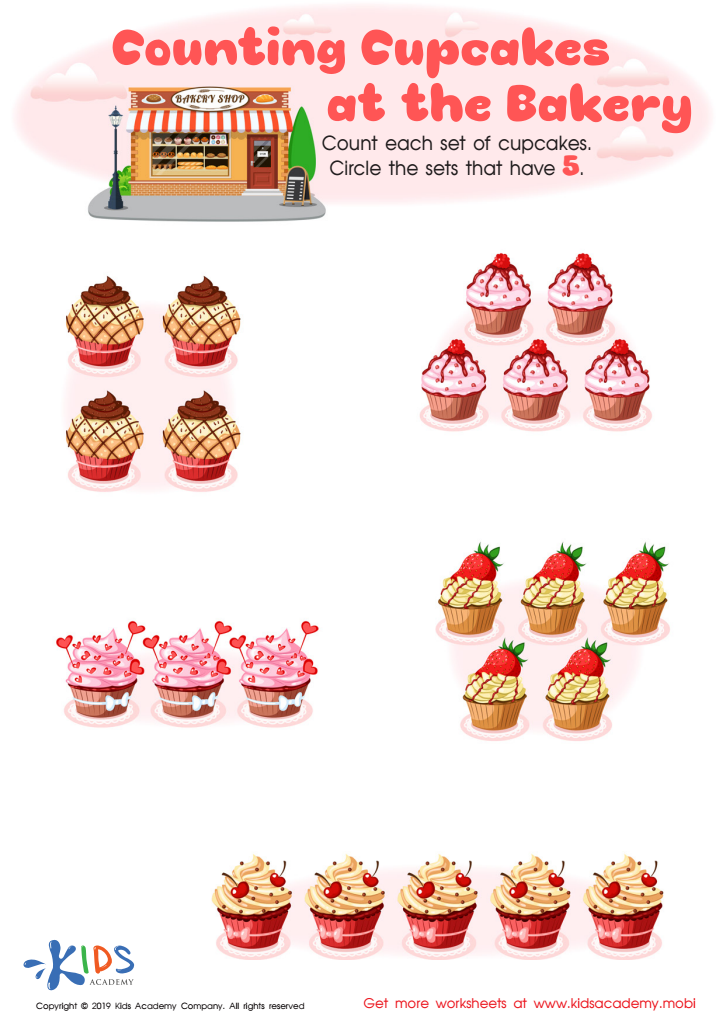
Counting Cupcakes Worksheet
 Assign to My Students
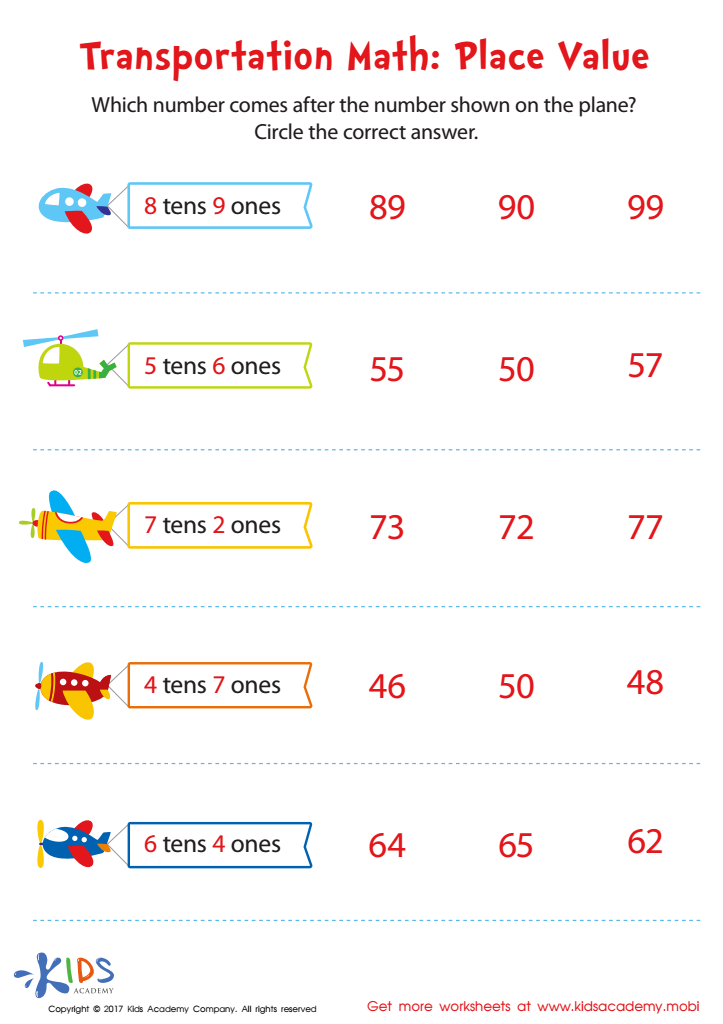
Transportation Math Printable
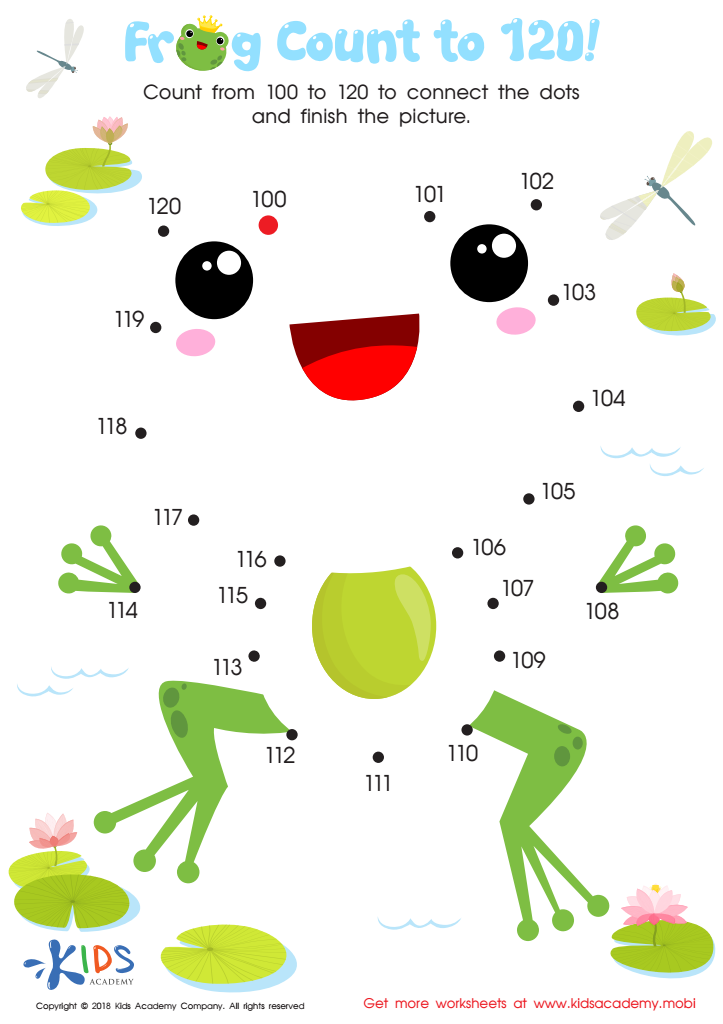
Frog Count to 120 Worksheet
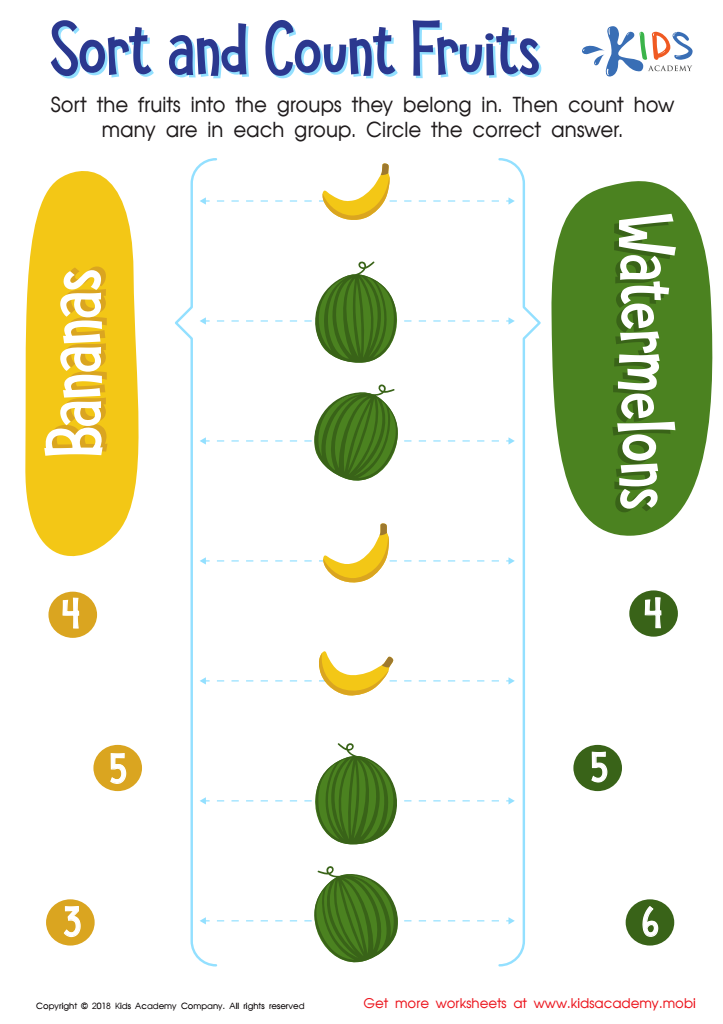
Sort and Count Fruits Worksheet
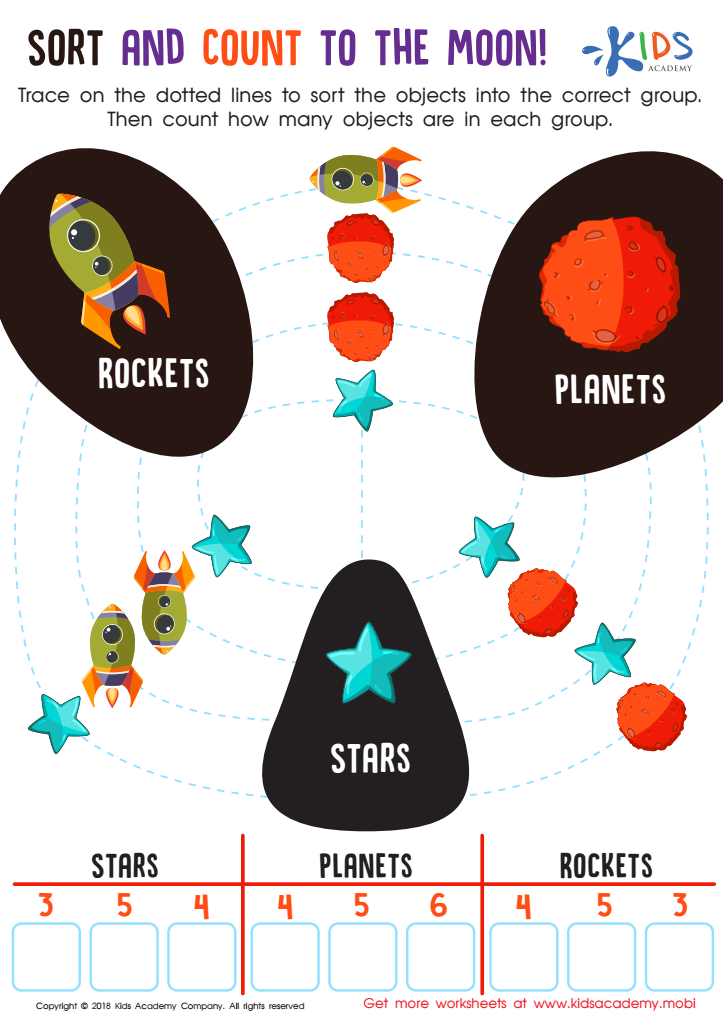
Sort and Count to the Moon Worksheet
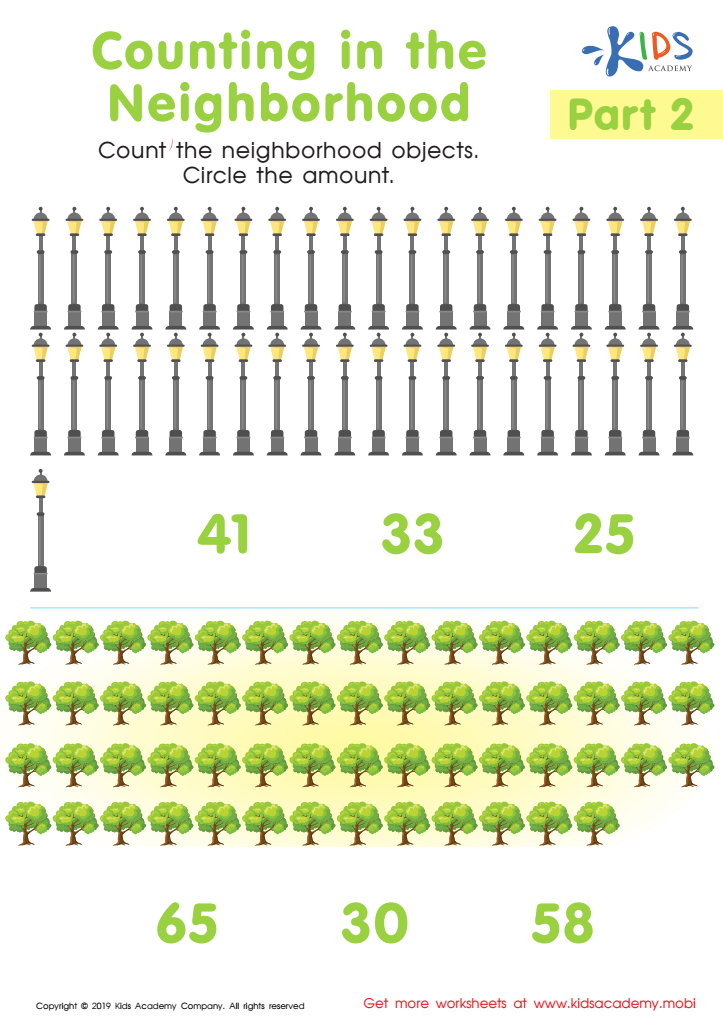
Counting In The Neighborhood Part 2 Worksheet
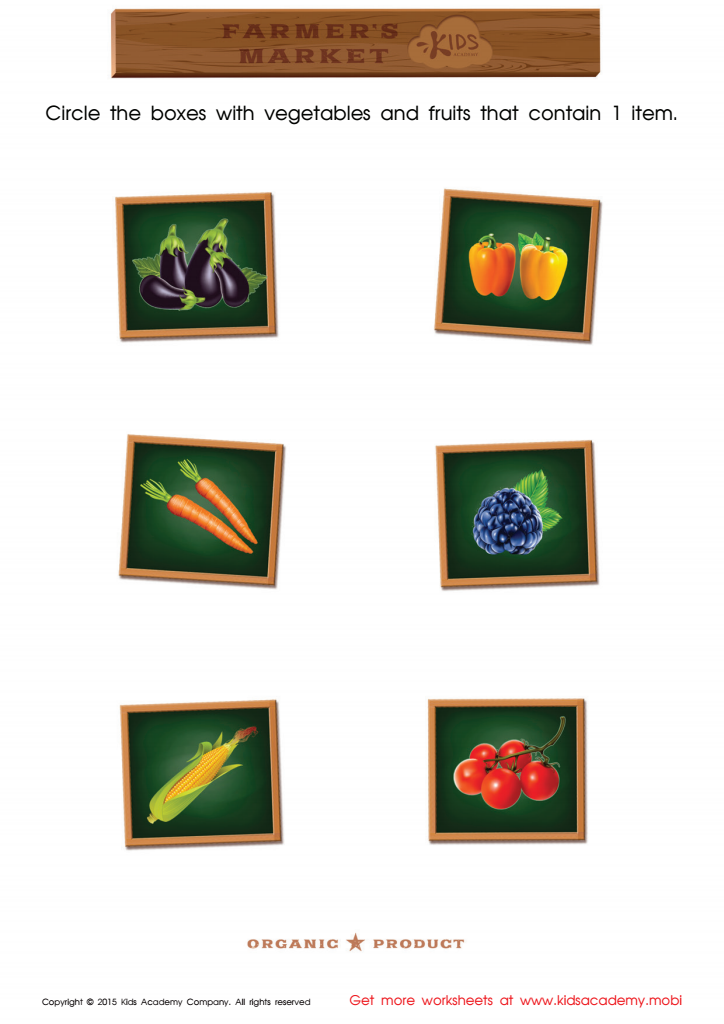
Count and Match Boxes with Vegetables
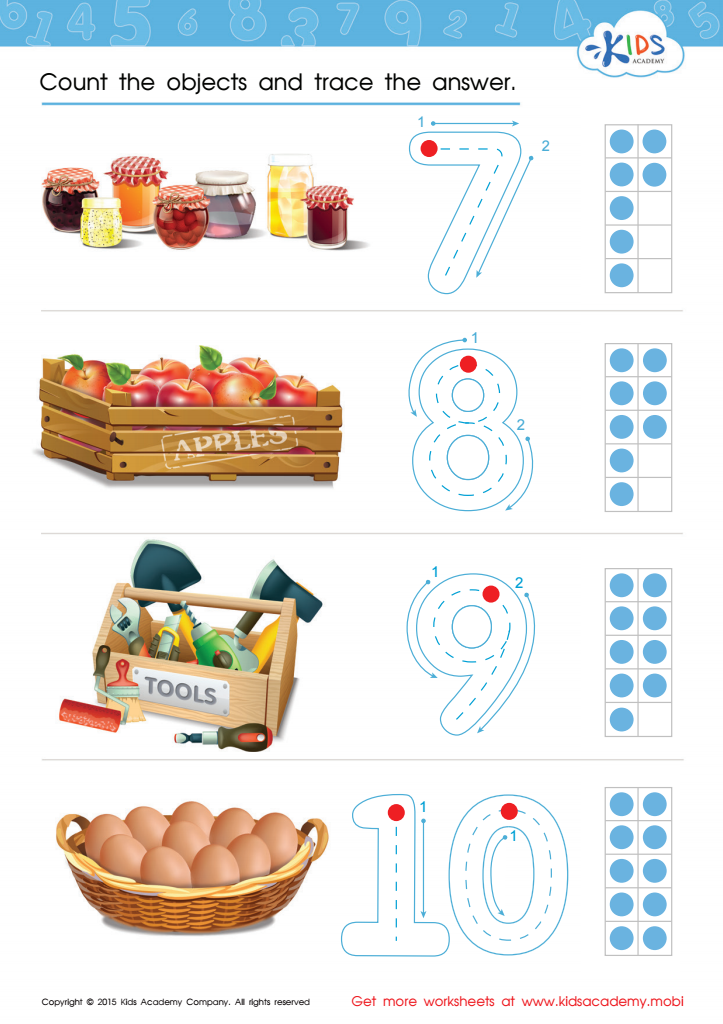
Count and Trace 7 – 10 Worksheet
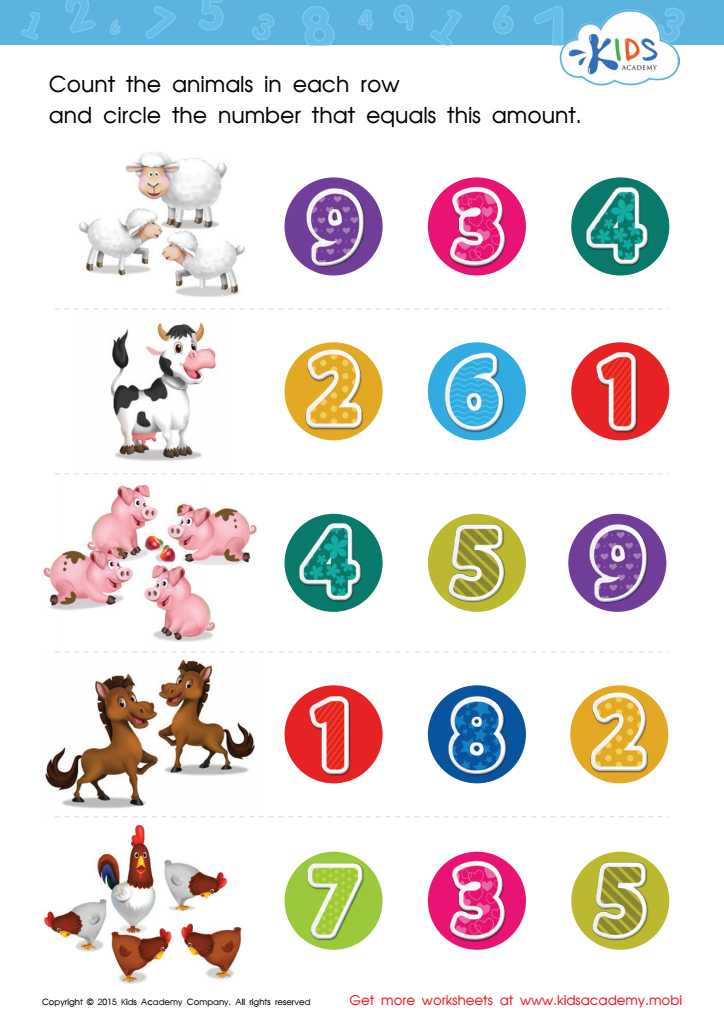
Count and Match 1 – 5 Math Worksheet
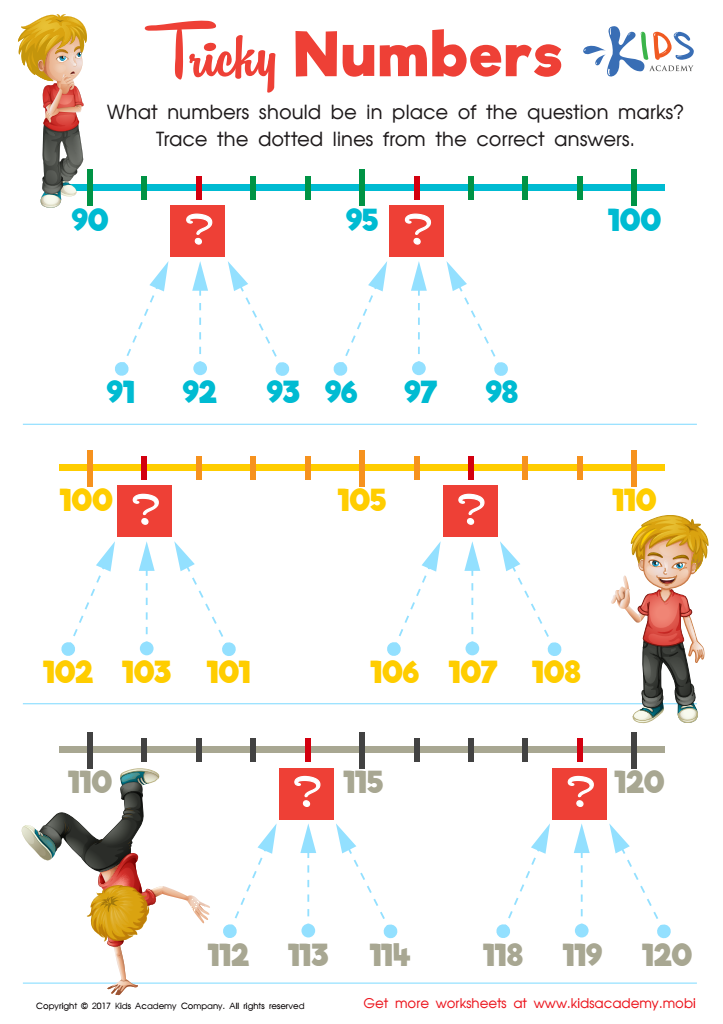
Tricky Numbers Worksheet
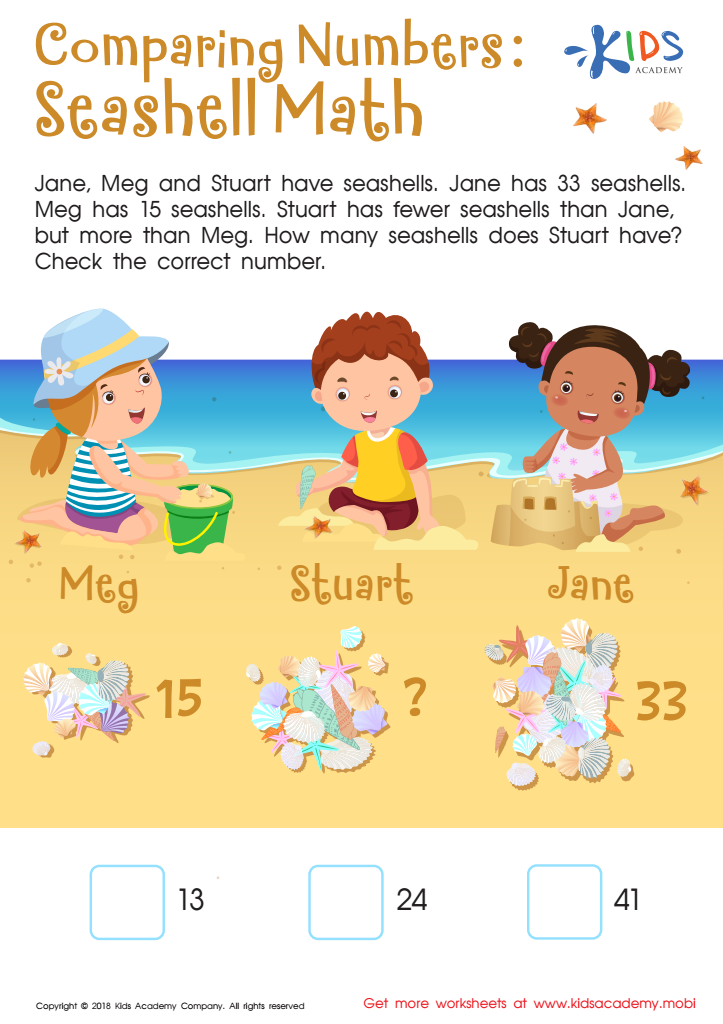
Seashell Collectors Worksheet
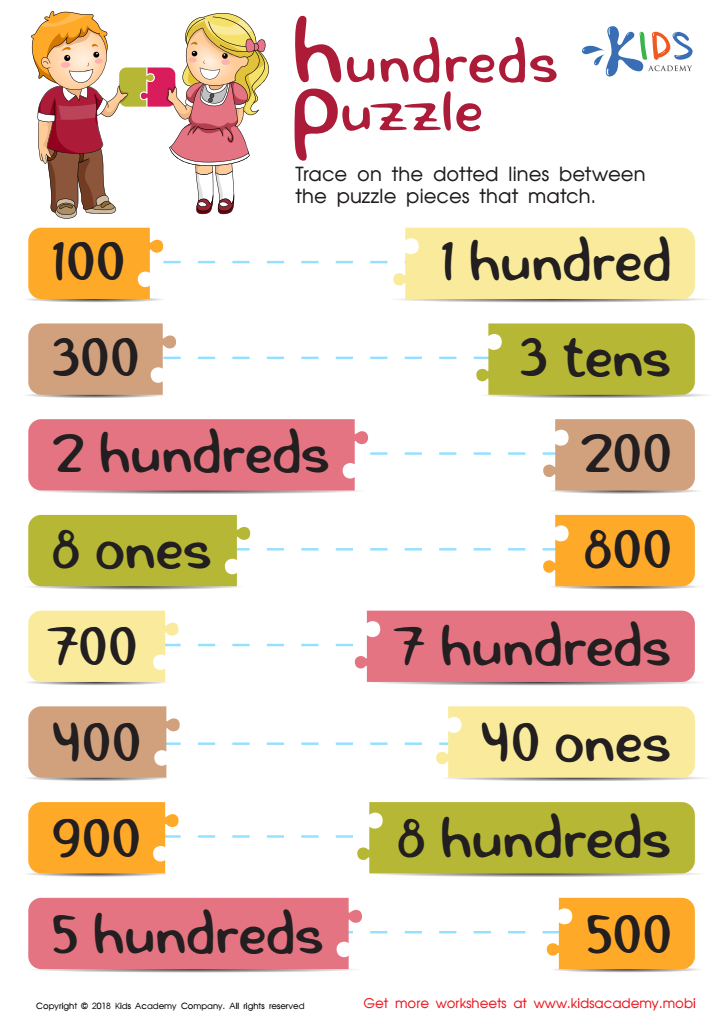
Hundreds Puzzle Worksheet
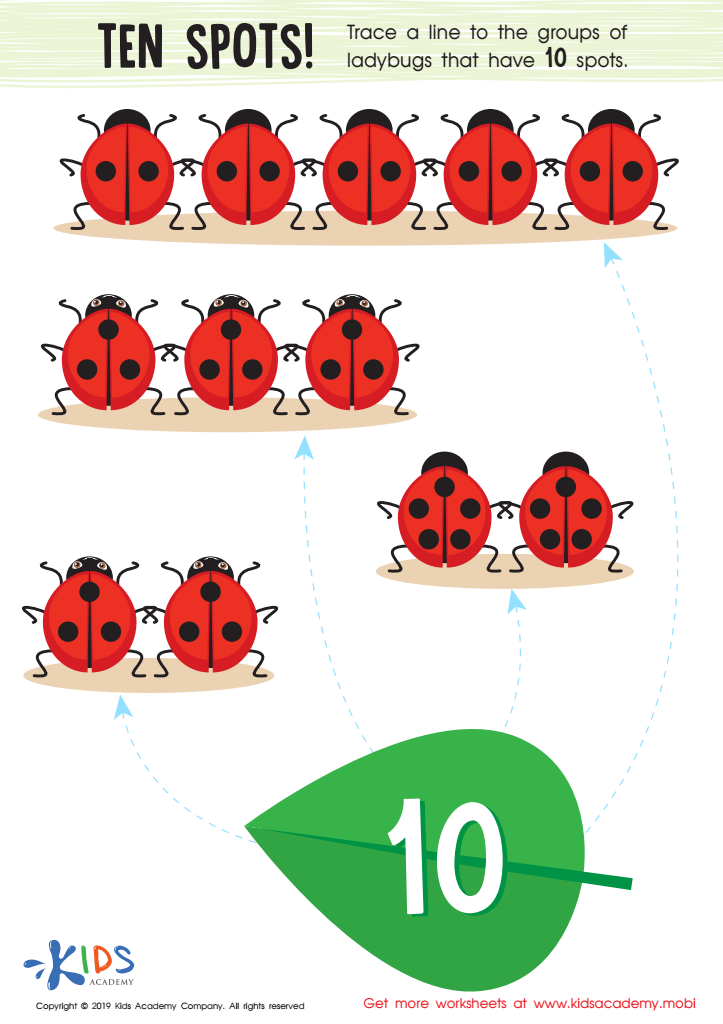
Ten Spots Worksheet
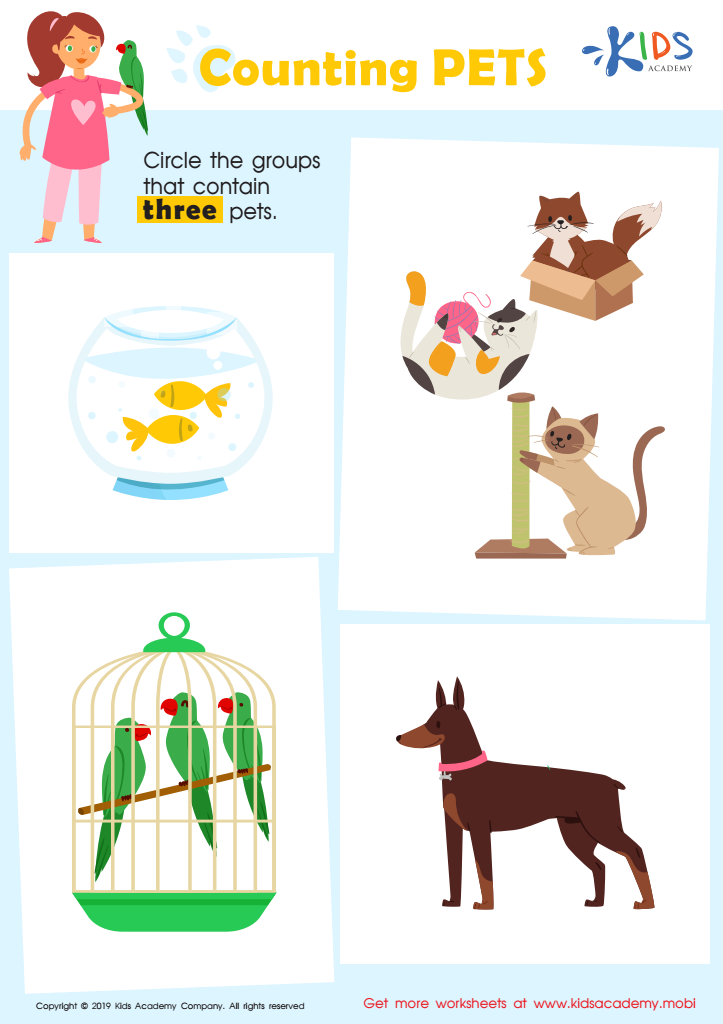
Counting Pets Worksheet
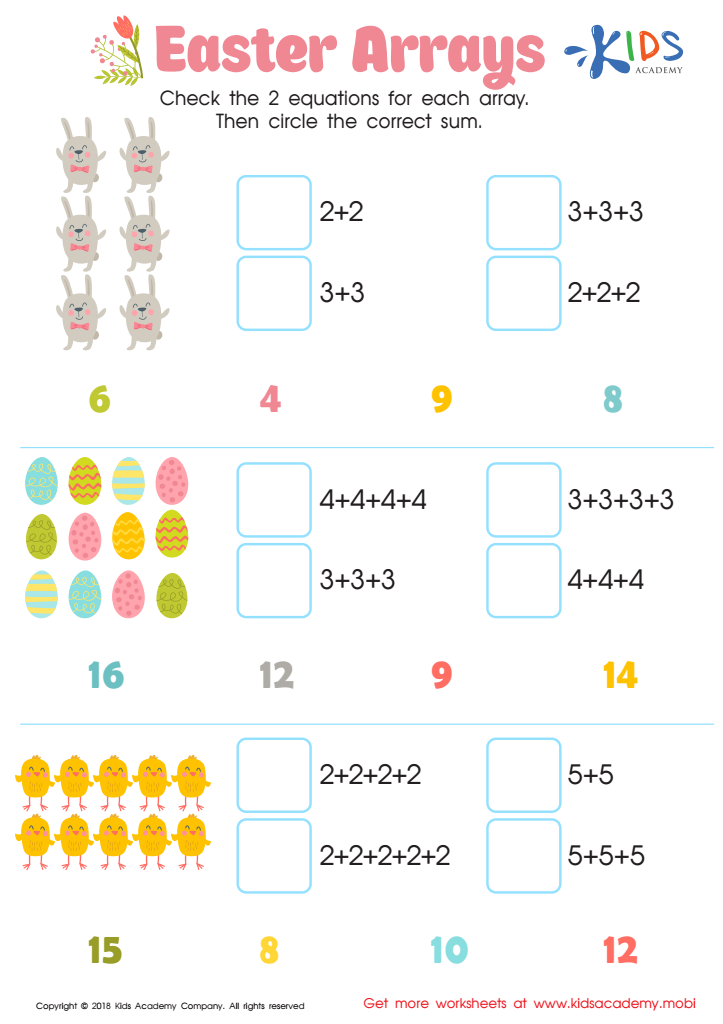
Easter Arrays Worksheet
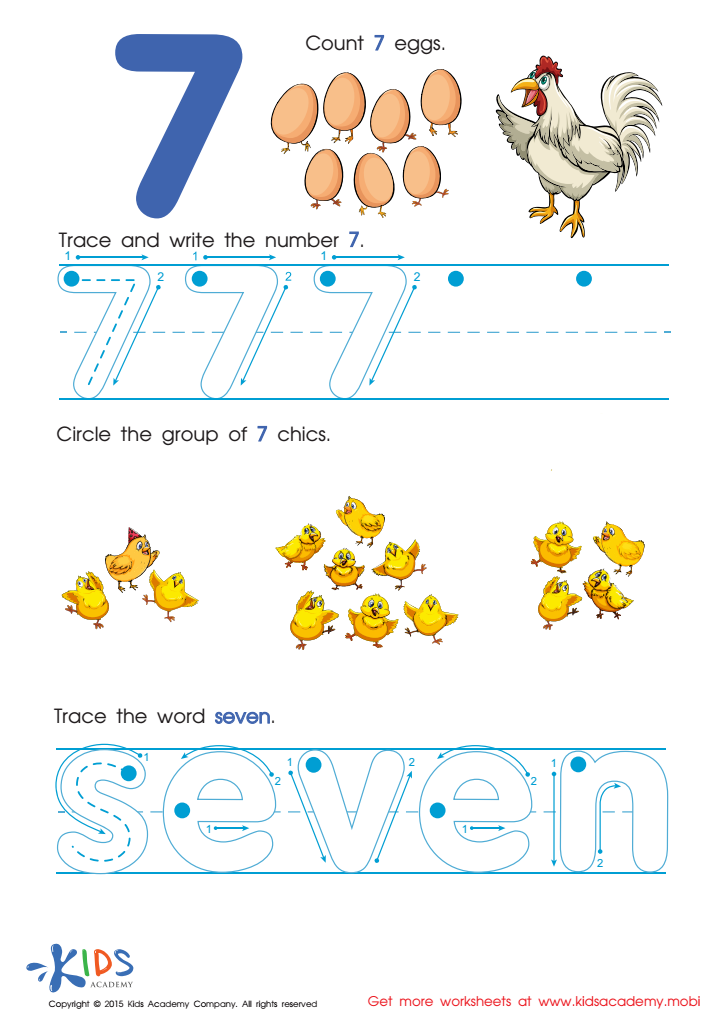
Trace And Write Number 7 with Fun Worksheet
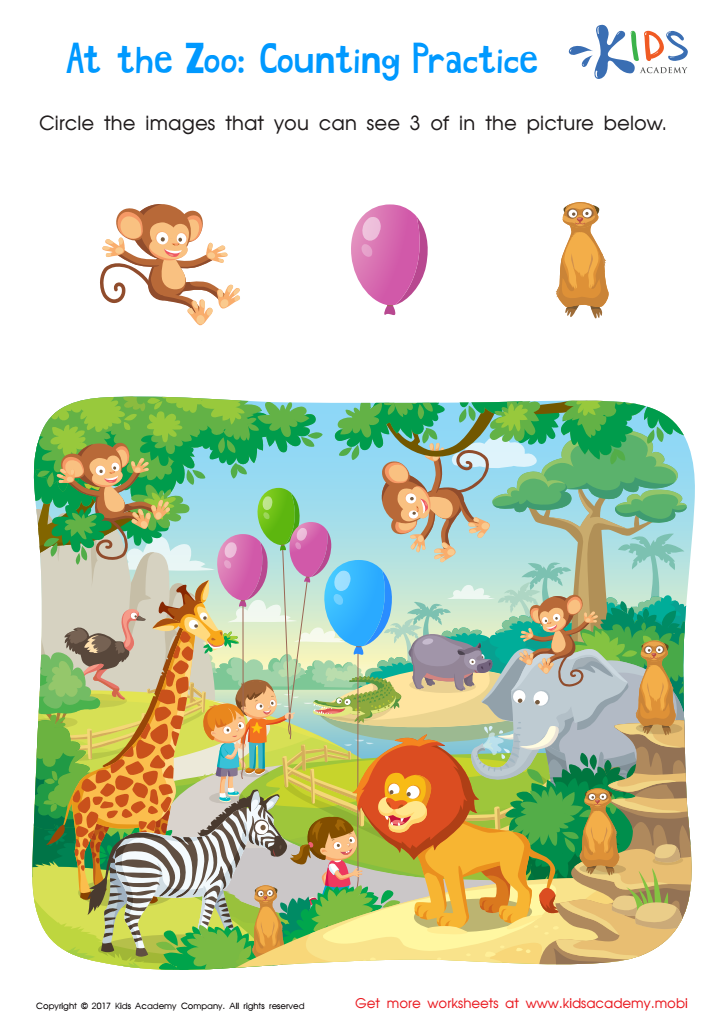
At the Zoo: Counting Practice Worksheet
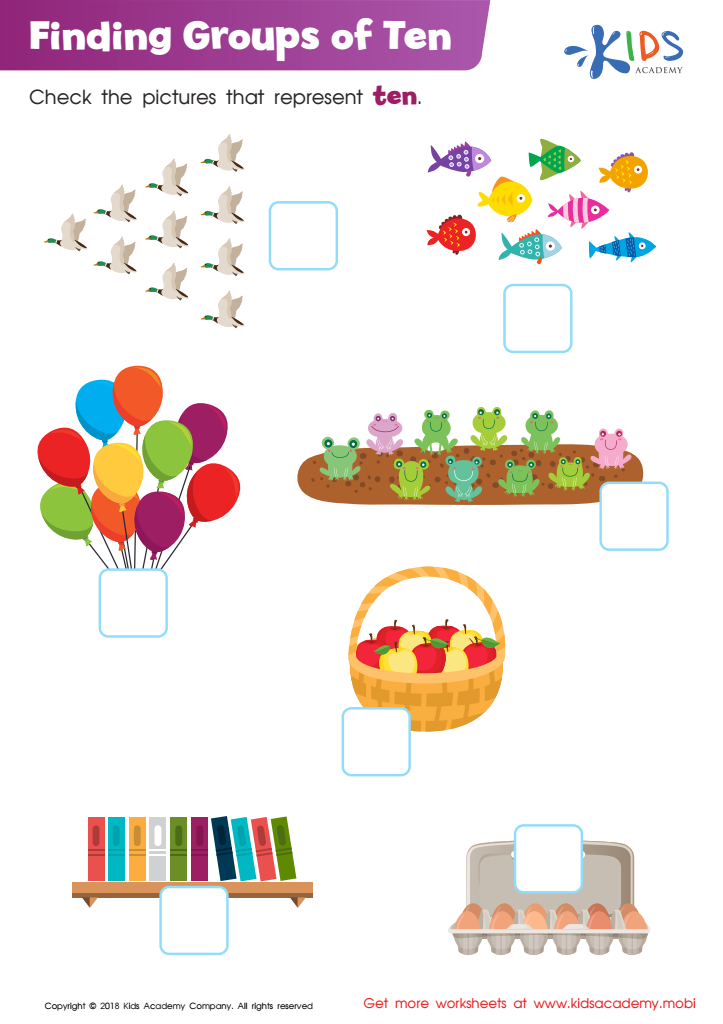
Finding Groups of Ten Worksheet
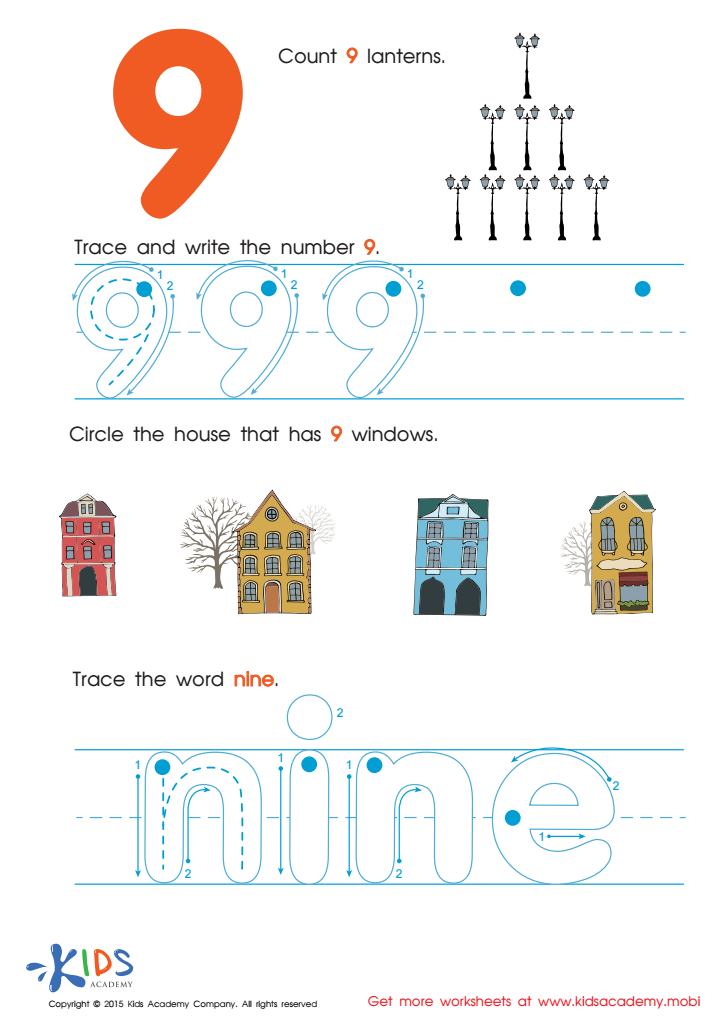
Tracing And Learning to Write Number 9 Worksheet
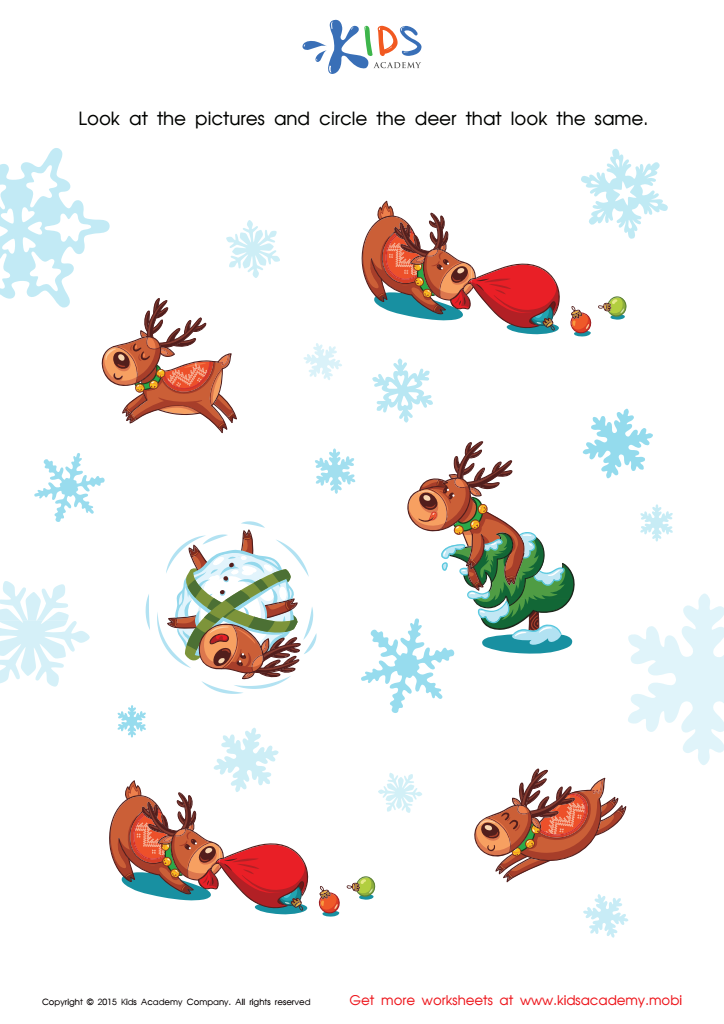
Count the Deer Worksheet
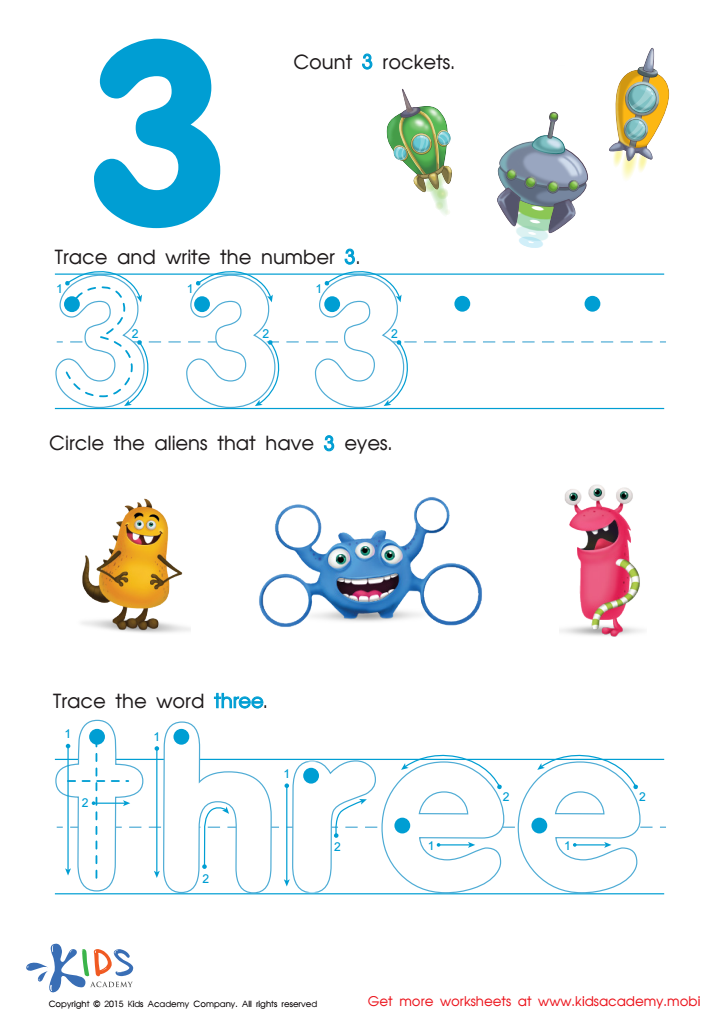
Learning Number Three Worksheet
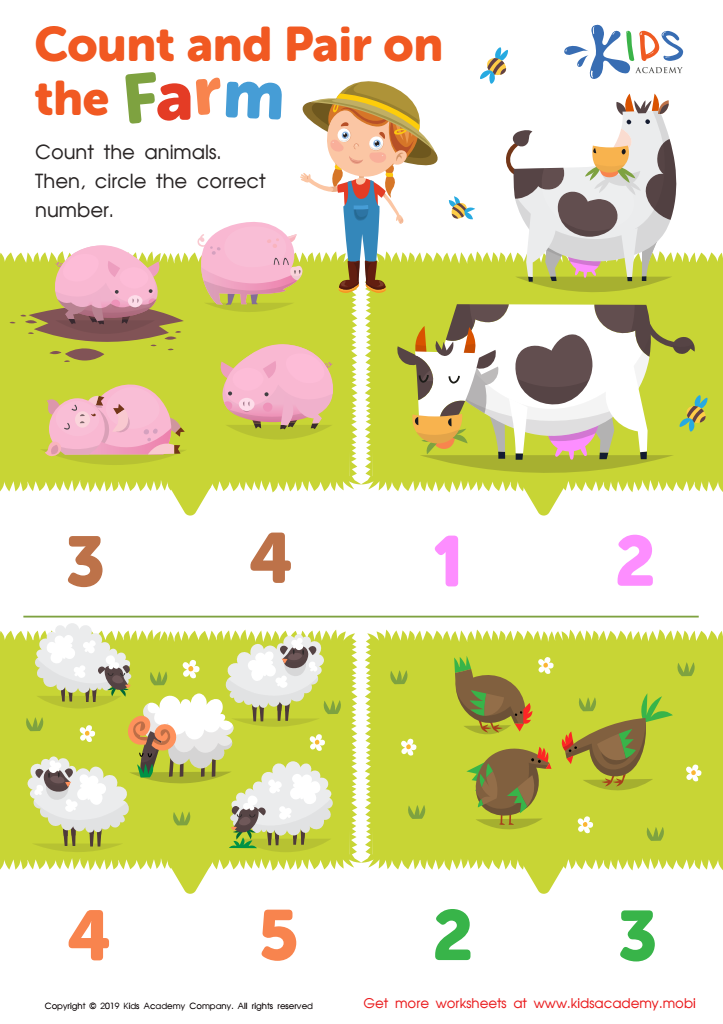
Count and Pair on the Farm Worksheet
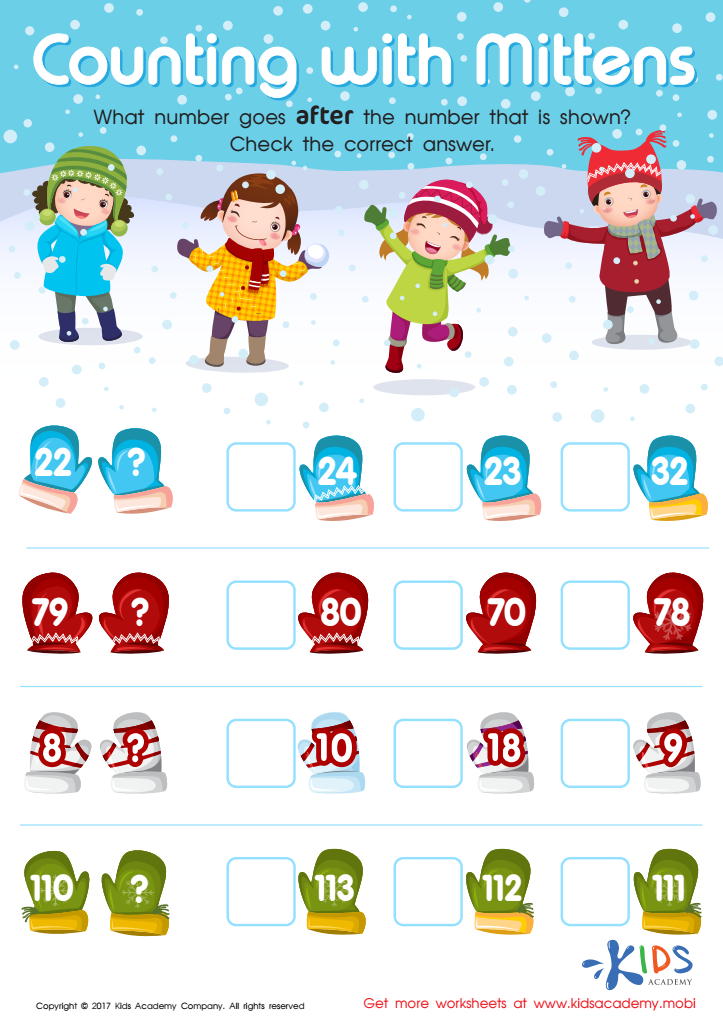
Counting with Mittens Worksheet








Counting skills are foundational to a child's mathematical development, making them critical for both parents and teachers to nurture in children aged 3-7. These early years are crucial, as children begin to perceive and understand numerical concepts, forming the basis for more complex mathematical learning in later stages. Strong counting skills not only help children grasp basic math concepts such as addition and subtraction but also enhance their problem-solving abilities, critical thinking, and cognitive development.
When children master counting, it builds their confidence in tackling numbers, making them more receptive to learning related subjects like science and technology later on. Furthermore, counting skills can promote important life skills, such as measuring, ordering, and organizing—core competencies that extend beyond the classroom.
Additionally, understanding counting assists children in navigating everyday situations, from handling money to determining quantities during play. Encouraging counting through engaging activities can strengthen the bond between adults and children, linking learning with fun. In summary, fostering counting skills in early childhood cultivates strong mathematical foundations, enhances cognitive and problem-solving abilities, and equips children with essential life skills. This concern should drive both parents and teachers to prioritize these learning experiences in everyday activities.