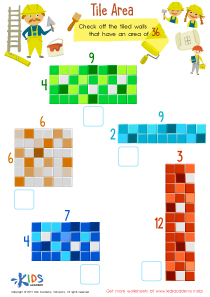
Learning addition Normal Numbers Worksheets for Ages 3-7
4 filtered results
-
From - To
Welcome to our Learning Addition Normal Numbers Worksheets, specifically designed for children ages 3 to 7! Our engaging and interactive worksheets make adding fun and accessible for young learners. These expertly crafted resources help children grasp essential addition concepts through colorful visuals and hands-on activities. Each worksheet gradually increases in complexity, ensuring that children build a solid mathematical foundation at their own pace. Perfect for home or classroom use, our worksheets promote independent learning while strengthening essential problem-solving skills. Start your child's math journey today and watch their confidence soar as they master addition with our delightful, age-appropriate materials!
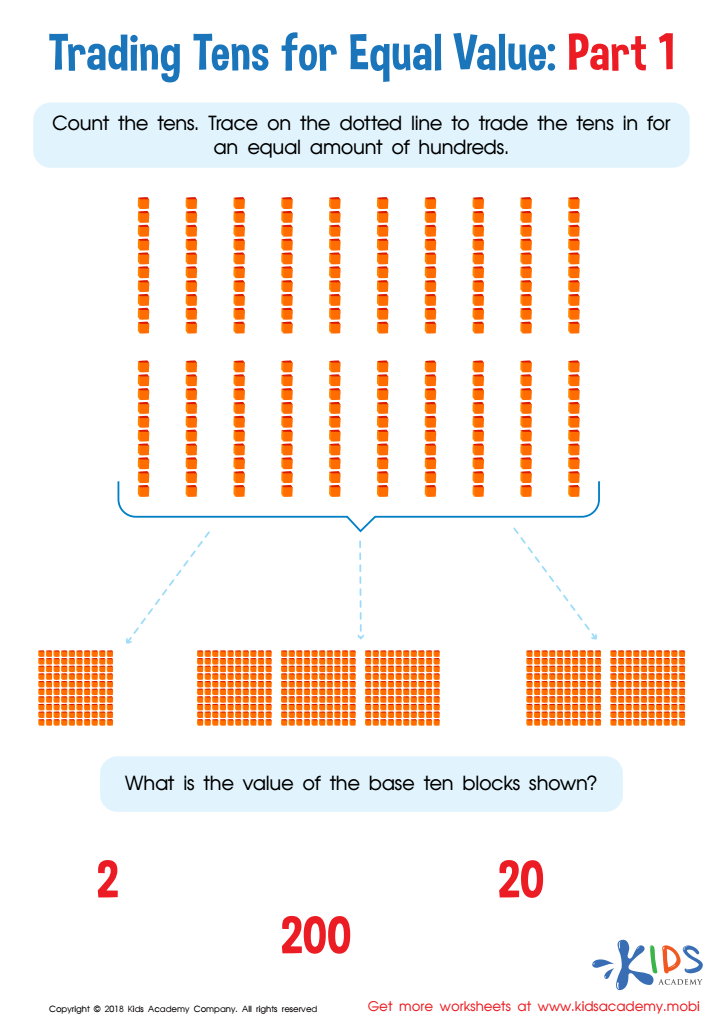
Trading Tens for Equal Value Worksheet: Part 1
 Assign to My Students
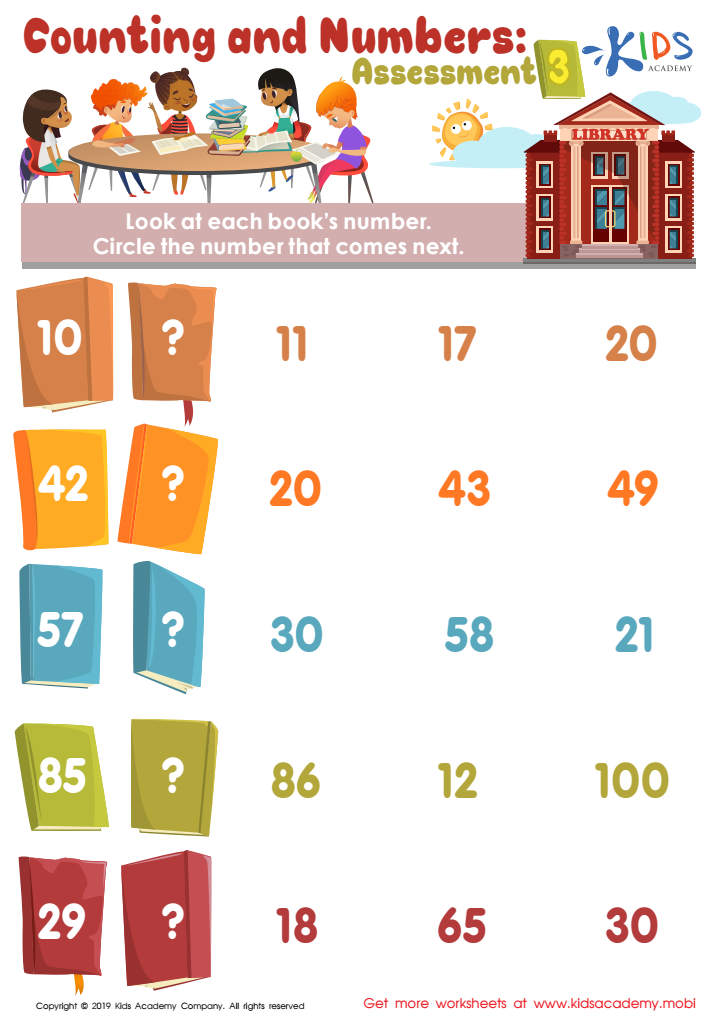
Counting and Numbers: Assessment Worksheet
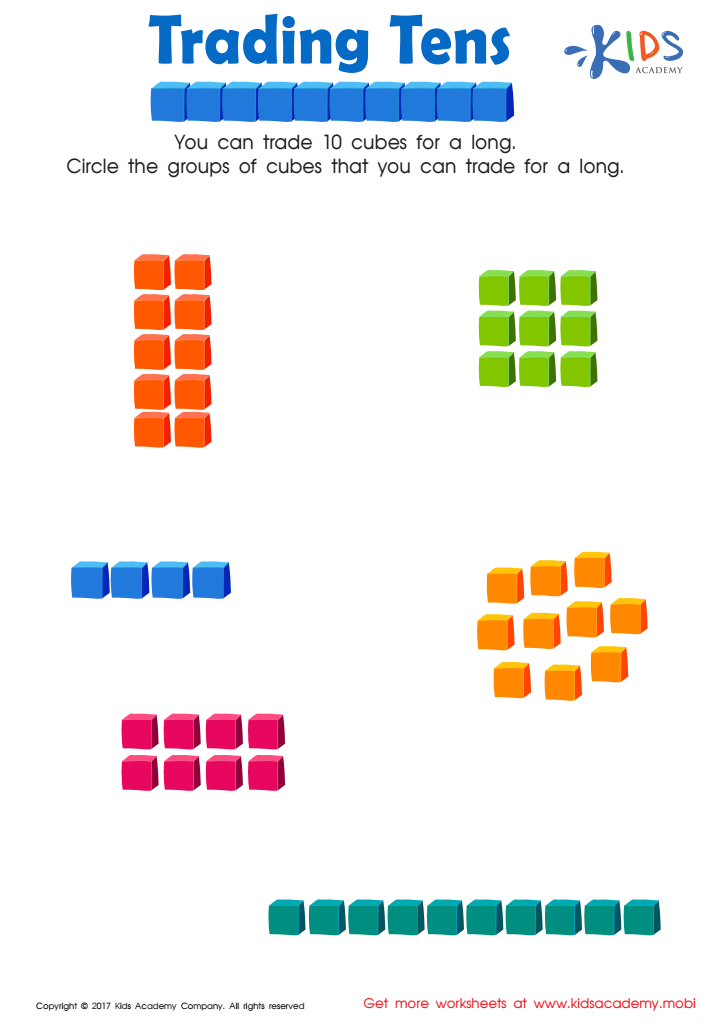
Trading Tens Worksheet
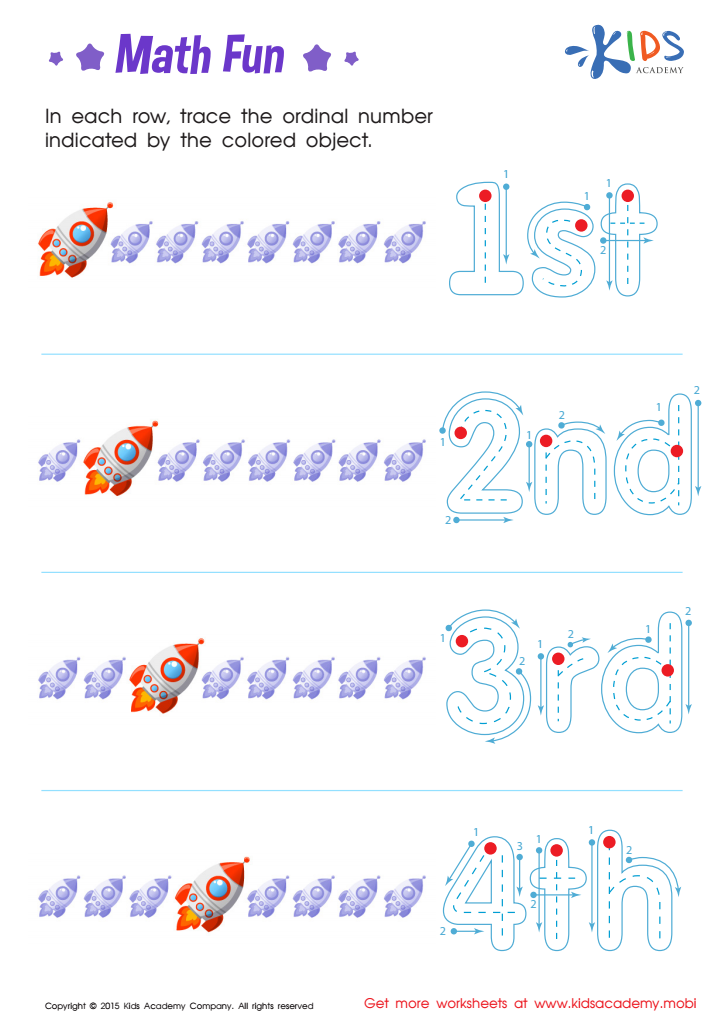
Ordinal Numbers: Math Fun Worksheet








Learning addition of normal numbers is crucial for children aged 3-7 as it lays the foundation for their overall mathematical understanding and cognitive development. At this early stage, children are naturally curious and eager to explore numbers. Introducing addition in a fun and engaging way nurtures their enthusiasm for math, making learning an exciting adventure rather than a chore.
This foundational skill not only helps children grasp basic math concepts but also promotes critical thinking and problem-solving abilities essential for later academic success. Mastering addition encourages the development of logic, reasoning, and a sense of achievement, boosting their confidence in handling numbers.
Furthermore, by learning addition, children enhance their fine motor skills through activities like counting objects or using manipulatives, making the learning experience multifaceted. It also fosters social skills when they work in groups or play math-related games with peers.
For parents and teachers, making addition a priority supports lifelong learning. It equips children with the skills needed for advanced topics in school and everyday situations. Ultimately, emphasizing the importance of learning addition at this early age nurtures a proactive, confident approach to learning, setting the stage for future academic challenges.