Problem-Solving Skills Normal Math Worksheets for Ages 3-7 - Page 3
50 filtered results
-
From - To
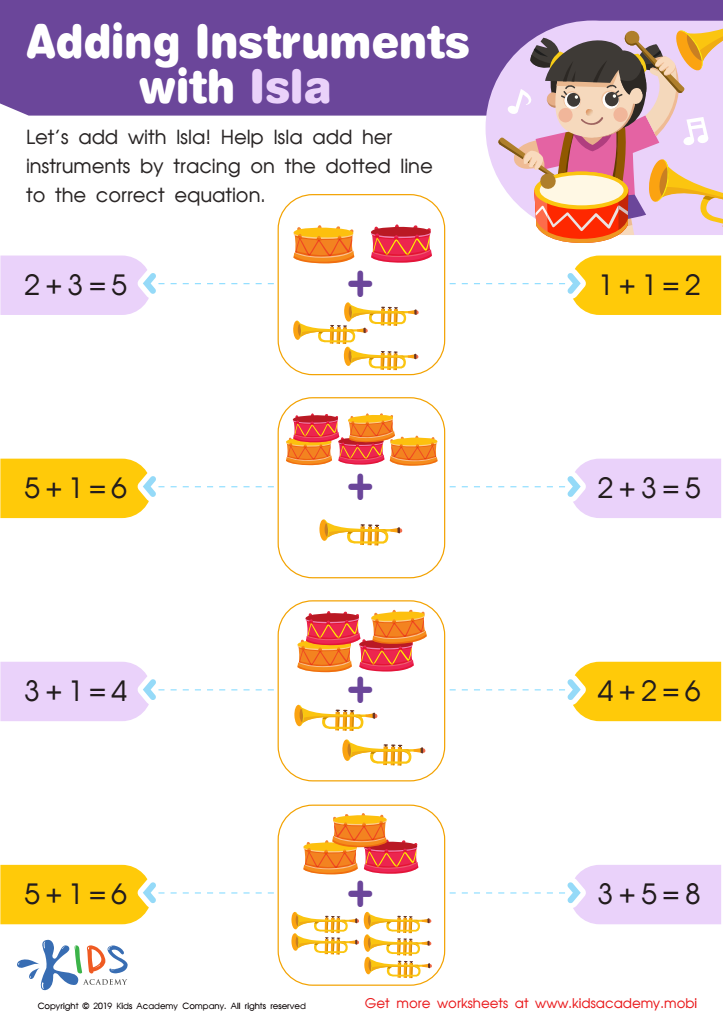
Adding Instruments with Isla Worksheet
 Assign to My Students
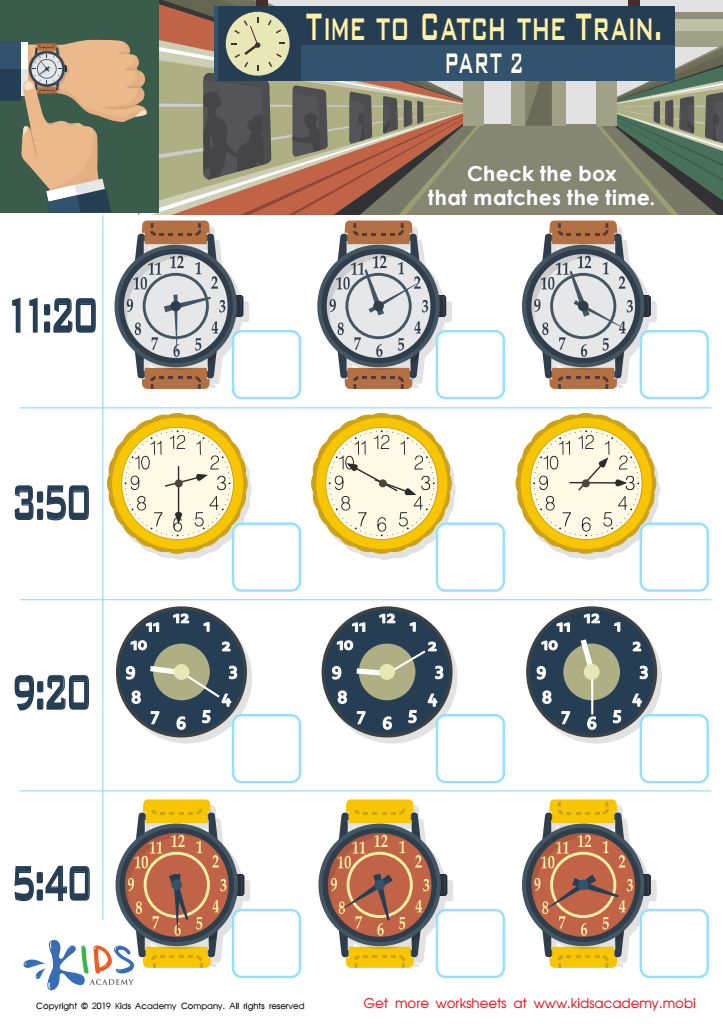
Time to Catch the Train Part 2 Worksheet







Parents and teachers should emphasize problem-solving skills in math for children aged 3-7 as these are foundational years for cognitive development. At this stage, kids are highly receptive and can absorb information quickly. Problem-solving exercises not only familiarize them with basic mathematical concepts like counting, addition, and subtraction but also stimulate critical thinking, logical reasoning, and decision-making abilities.
Engaging children in problem-solving activities helps them understand the 'why' and 'how' behind mathematical operations, rather than just memorizing facts. This foundational understanding fosters a positive attitude towards math, reducing the likelihood of math anxiety later on. Additionally, these skills are transferrable to other domains, enhancing general cognitive capabilities, including planning, organizing, and executing tasks.
Moreover, collaborative problem-solving tasks teach essential social skills like communication, cooperation, and patience, as they often require teamwork and sharing of ideas. Early mastery of problem-solving boosts confidence, cultivating a growth mindset that values perseverance and resilience.
By investing time and resources in developing these skills early, parents and teachers set the stage for long-term academic success and prepare children for a world that increasingly values innovative and analytical thinking.








