Visual discrimination Normal Math Worksheets for Ages 3-7
8 filtered results
-
From - To
Boost your child's learning with our Visual Discrimination Normal Math Worksheets, designed specifically for ages 3-7. These worksheets help young learners enhance their ability to identify differences and similarities between shapes, numbers, and patterns. Aimed at developing crucial visual skills, these fun and engaging activities make math practice enjoyable and effective. By promoting visual discrimination, children improve their problem-solving abilities and readiness for more advanced mathematical concepts. Explore a variety of worksheets that cater to different skill levels, ensuring your child can grow at their own pace. Start your child's educational journey today with these essential math resources!
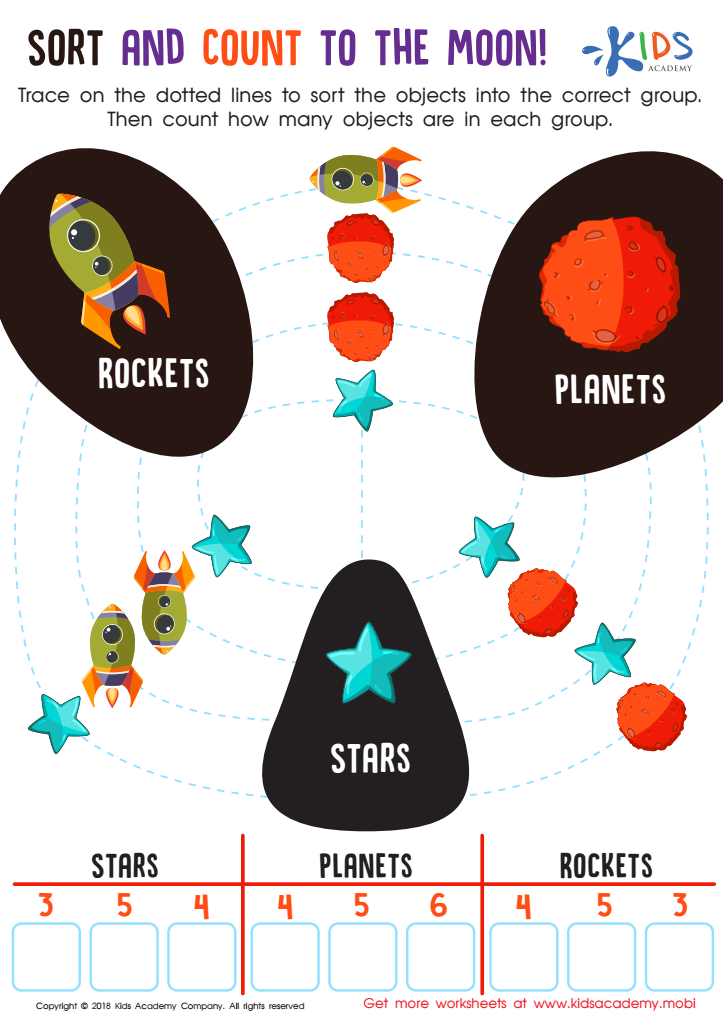
Sort and Count to the Moon Worksheet
 Assign to My Students
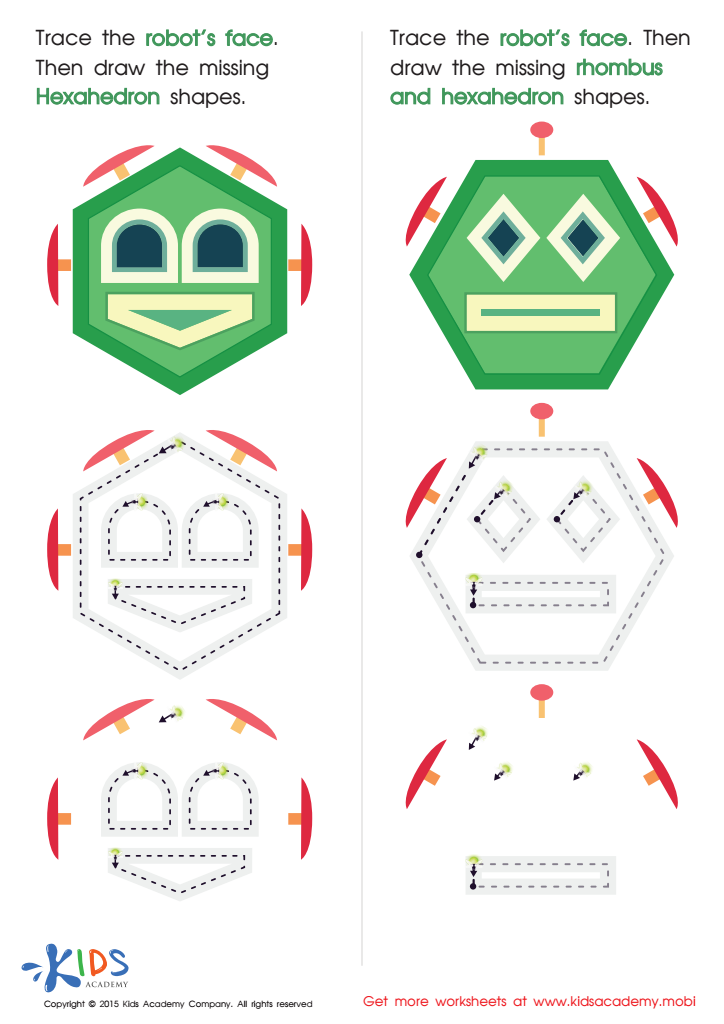
Practice Drawing Hexahedrons And a Rhombus Worksheet
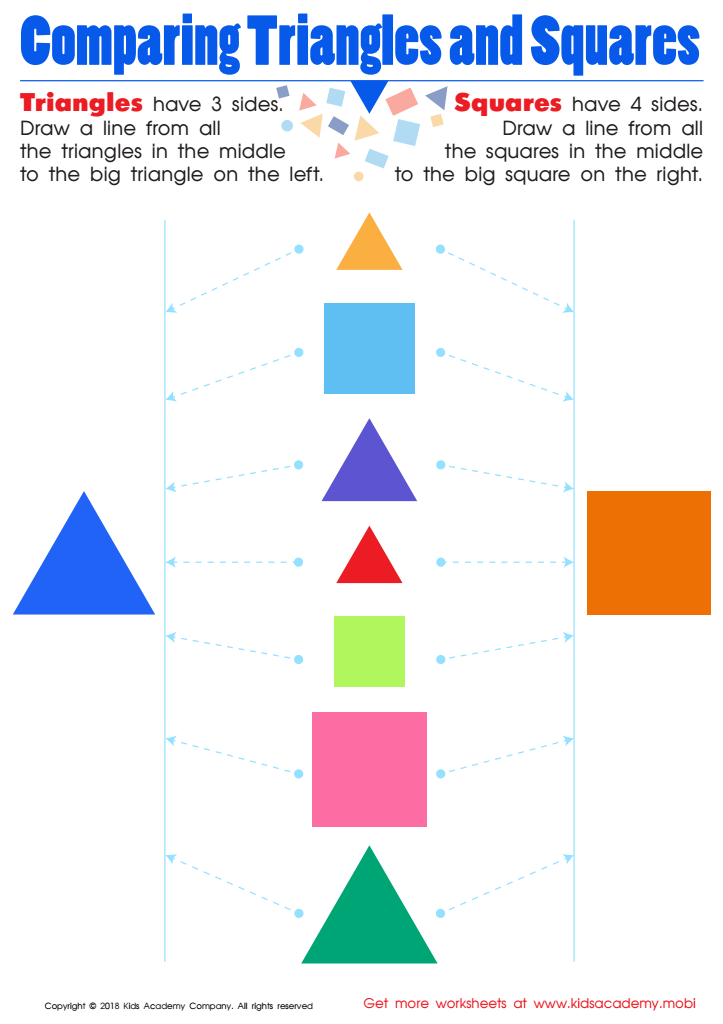
Comparing Triangles Squares Worksheet
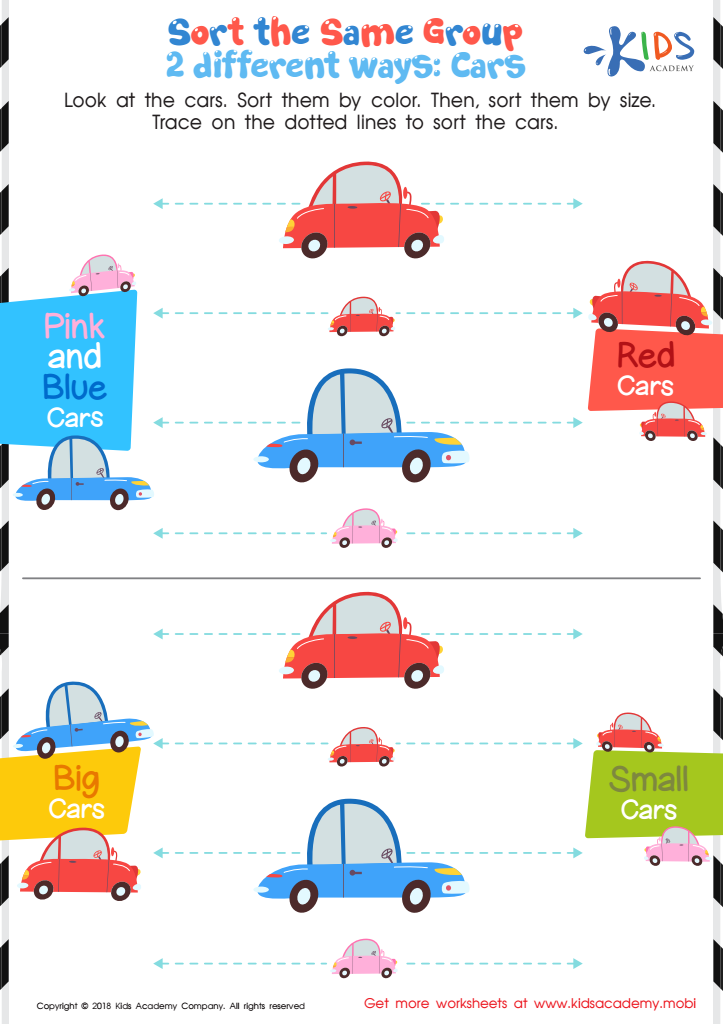
Sort the Same Group 2 Different Ways: Cars Worksheet
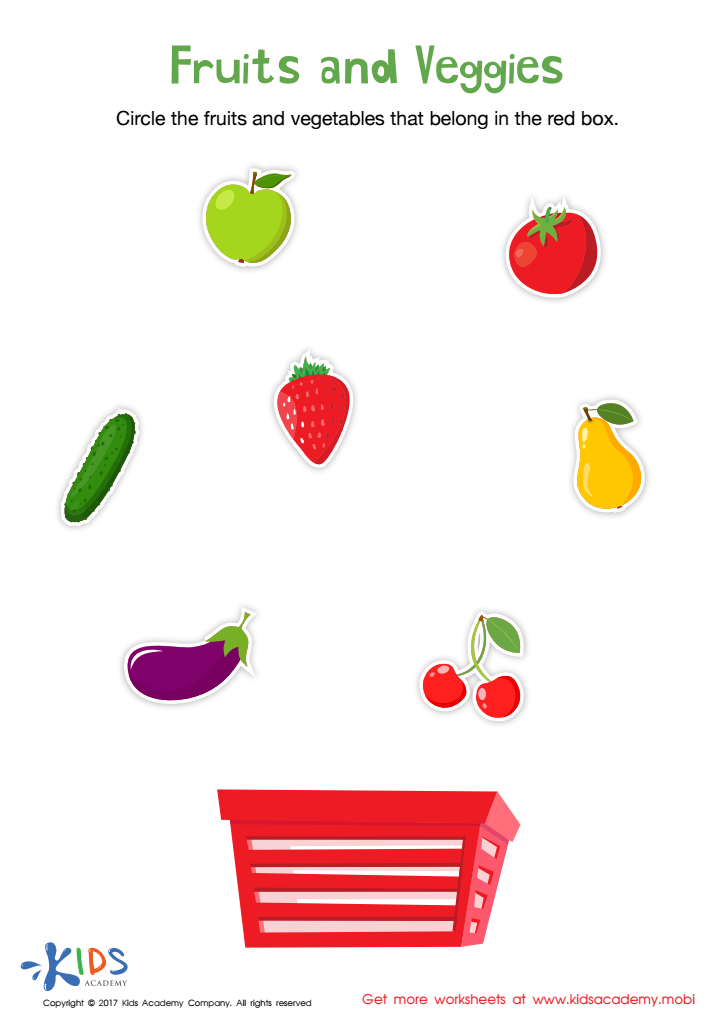
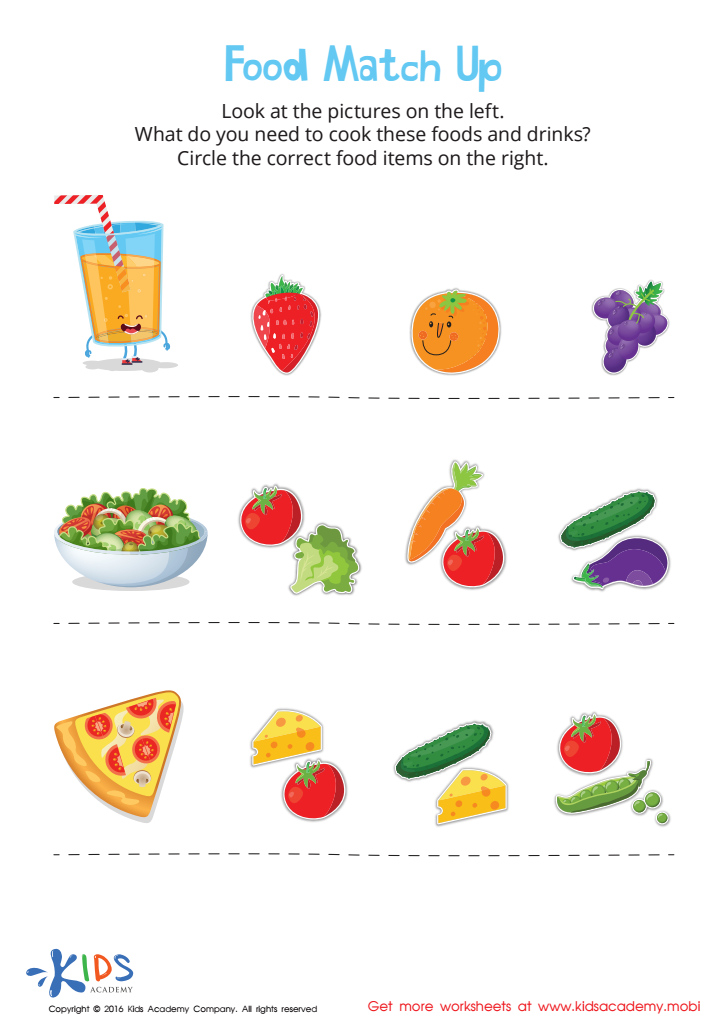
Food Match Up Worksheet
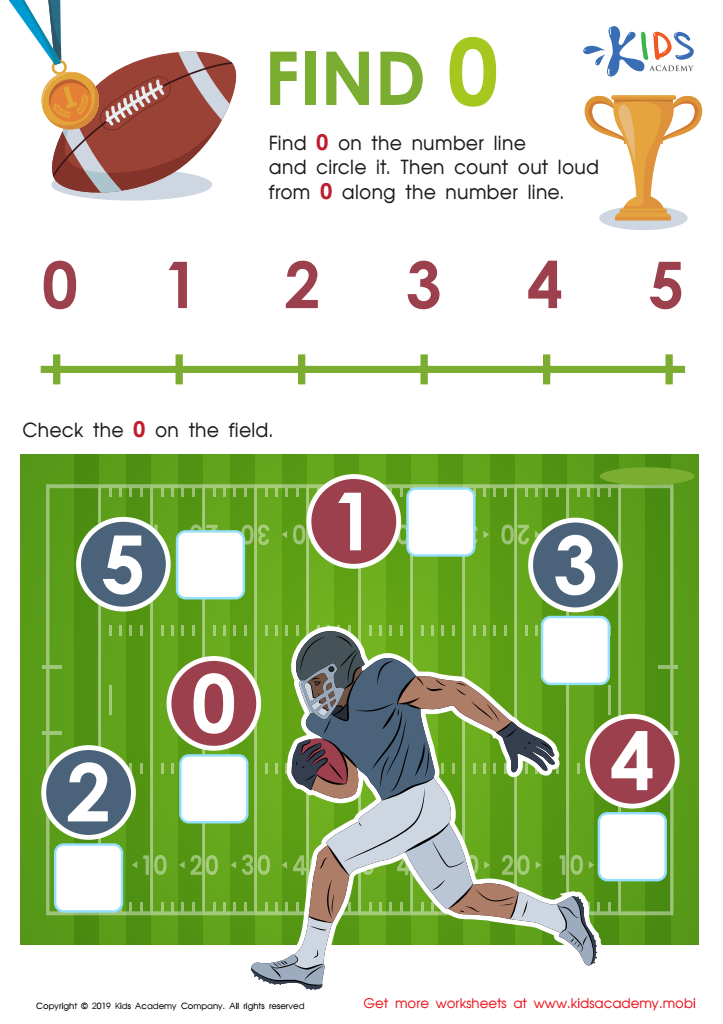
Find 0 Worksheet
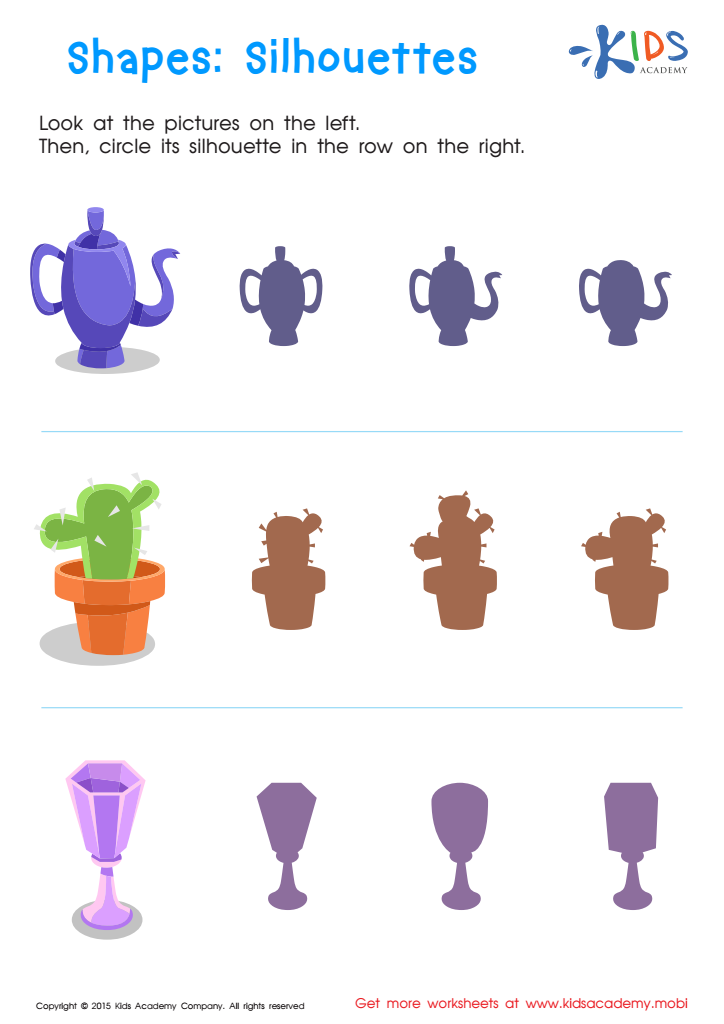
Silhouettes – Shapes Worksheet







Visual discrimination is a crucial skill for children ages 3 to 7, particularly in learning foundational math concepts. It refers to the ability to distinguish between different shapes, sizes, colors, and patterns. For parents and teachers, fostering this skill is essential, as it directly influences a child's ability to comprehend and manipulate numerical information.
Developing visual discrimination helps children recognize and differentiate numbers and mathematical symbols, paving the way for successful counting, addition, and problem-solving. Early exposure to visual discrimination activities enhances cognitive development and attentiveness, allowing youngsters to pick up on subtle differences and corresponding relationships, which is critical in math.
Moreover, when visual discrimination is honed in early childhood, it reduces frustration and builds confidence, enabling children to engage in math-related tasks with eagerness and enthusiasm. This foundational skill not only supports math learning but also improves reading and comprehension abilities, as children learn to notice differences between letters and words.
For parents and teachers, investing time in promoting visual discrimination through playful activities, games, and hands-on learning is a powerful strategy that lays the groundwork for future academic success and life-long problem-solving abilities. Prioritizing it ensures children are best equipped for their educational journey.








