Vocabulary development Normal Math Worksheets for Ages 3-7
5 filtered results
-
From - To
Welcome to our "Vocabulary Development Normal Math Worksheets" designed specifically for children aged 3-7. These engaging worksheets aim to foster early math skills while enhancing vocabulary comprehension. Featuring a variety of fun activities, each worksheet encourages children to connect mathematical concepts with the language they encounter daily. Through colorful illustrations and interactive exercises, kids will learn essential vocabulary related to numbers, shapes, and measurement in a playful manner. Perfect for home or classroom use, our worksheets provide educators and parents with valuable tools to support children's educational growth, making learning both enjoyable and effective. Join us in nurturing young learners!
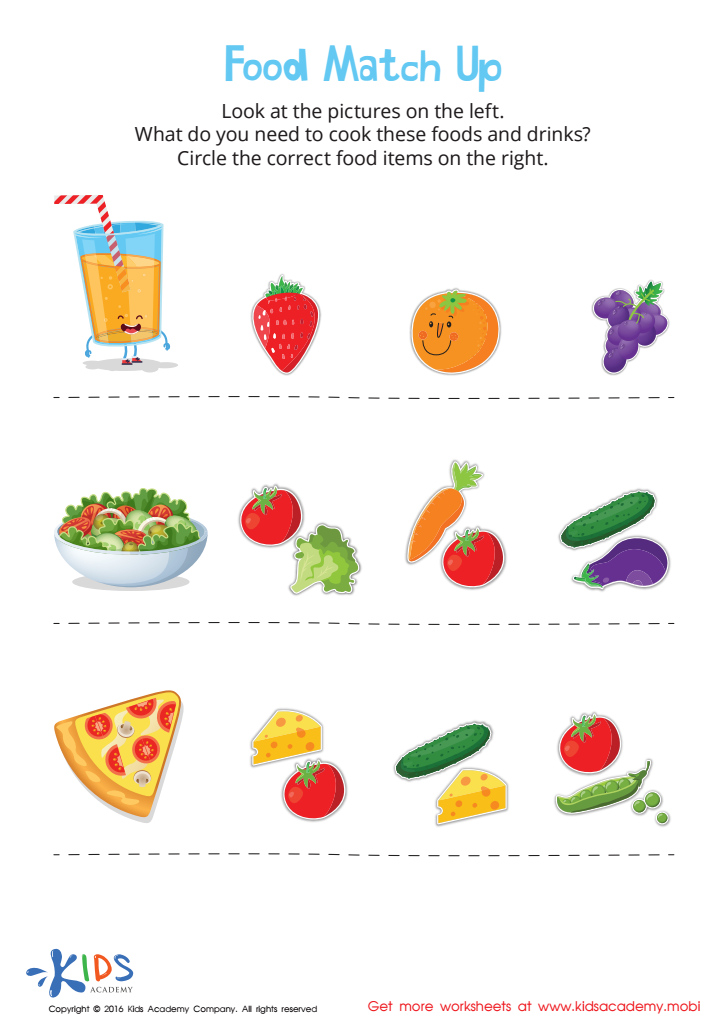
Food Match Up Worksheet
 Assign to My Students
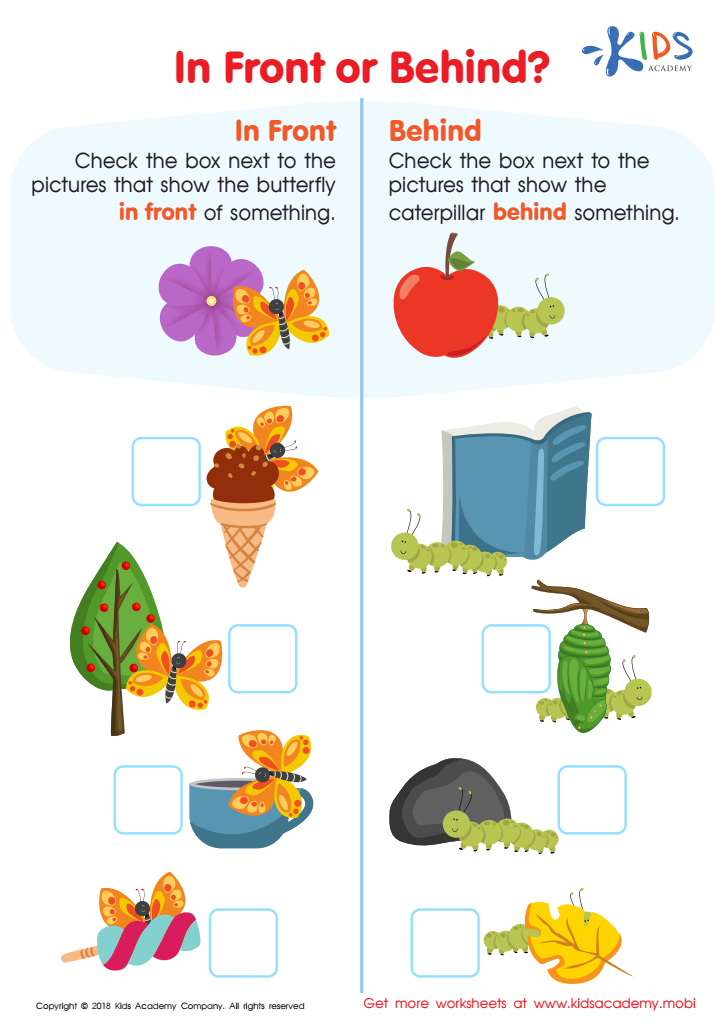
In Front or Behind Worksheet
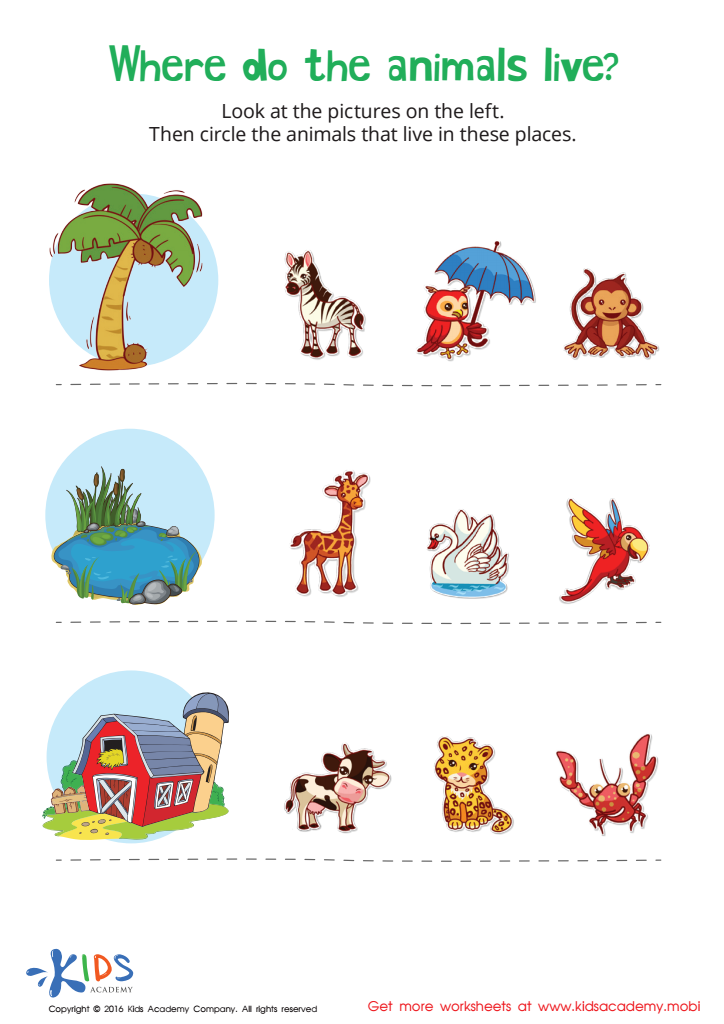
Where Animals Live Worksheet
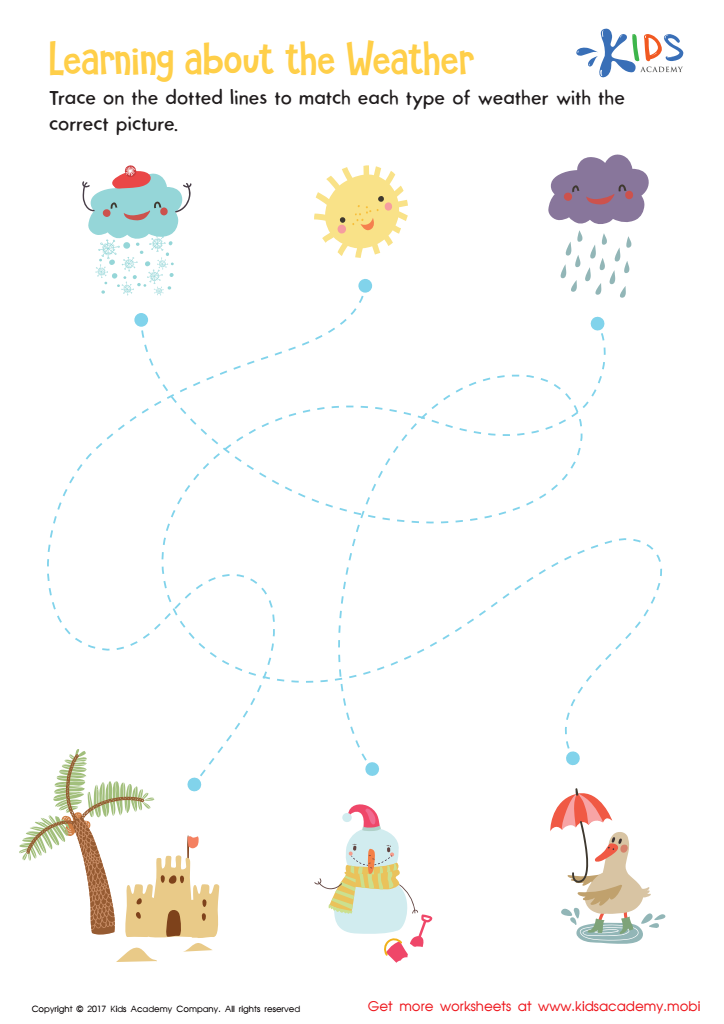
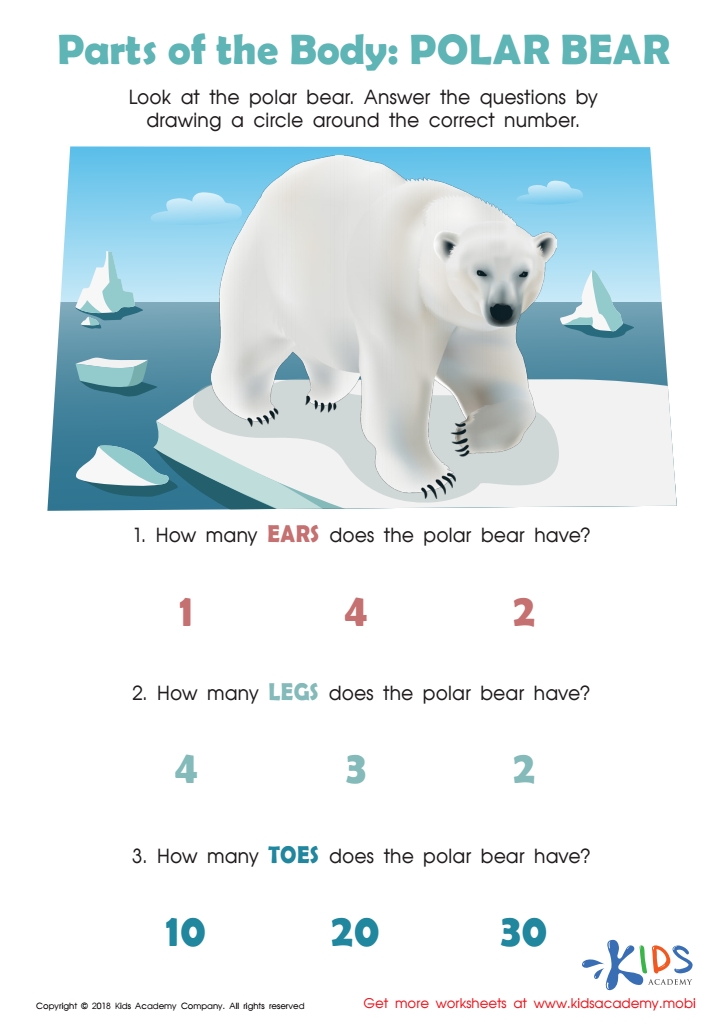
Parts of the Body: Polar Body Worksheet







Vocabulary development in early childhood, particularly in the context of normal math for ages 3 to 7, is crucial for several reasons. First, a strong vocabulary supports mathematical understanding. Children use language to comprehend math concepts and communicate their reasoning. When children understand terms like "add," "subtract," "more than," and "less than," they can engage with math problems more effectively, fostering a deeper understanding of numerical relationships.
Moreover, vocabulary development enhances critical thinking skills. Children who confidently use mathematical language can share their problem-solving processes, allowing for collaborative learning and insight from peers and teachers. This instills confidence and reinforces a growth mindset in children regarding math.
Early math skills set the foundation for future academic success. The preschool and early elementary years are formative for cognitive and linguistic abilities. By prioritizing vocabulary in mathematical contexts during these developmental stages, parents and teachers equip children with essential skills that prepare them for more complex math tasks ahead.
Additionally, parental engagement in vocabulary-rich conversations around math can create a positive learning environment, promoting a love of learning. By fostering vocabulary development in math, parents and educators can help children build not only communication skills but also a robust mathematical foundation.








