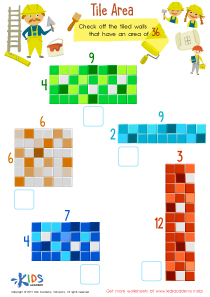
Cognitive Development Normal Matching Worksheets for Ages 3-7
4 filtered results
-
From - To
Unlock your child's potential with our Cognitive Development Normal Matching Worksheets for Ages 3-7! Designed to boost essential learning skills, these engaging and interactive worksheets promote critical thinking and problem-solving through enjoyable matching activities. Perfect for preschool and early grade learners, our resources support the development of visual perception and cognitive abilities necessary for early math readiness. Each worksheet is thoughtfully crafted to captivate young minds and foster a love for learning. Ideal for home or classroom use, these worksheets offer a fun way to reinforce cognitive growth while ensuring your child is set for future academic success!
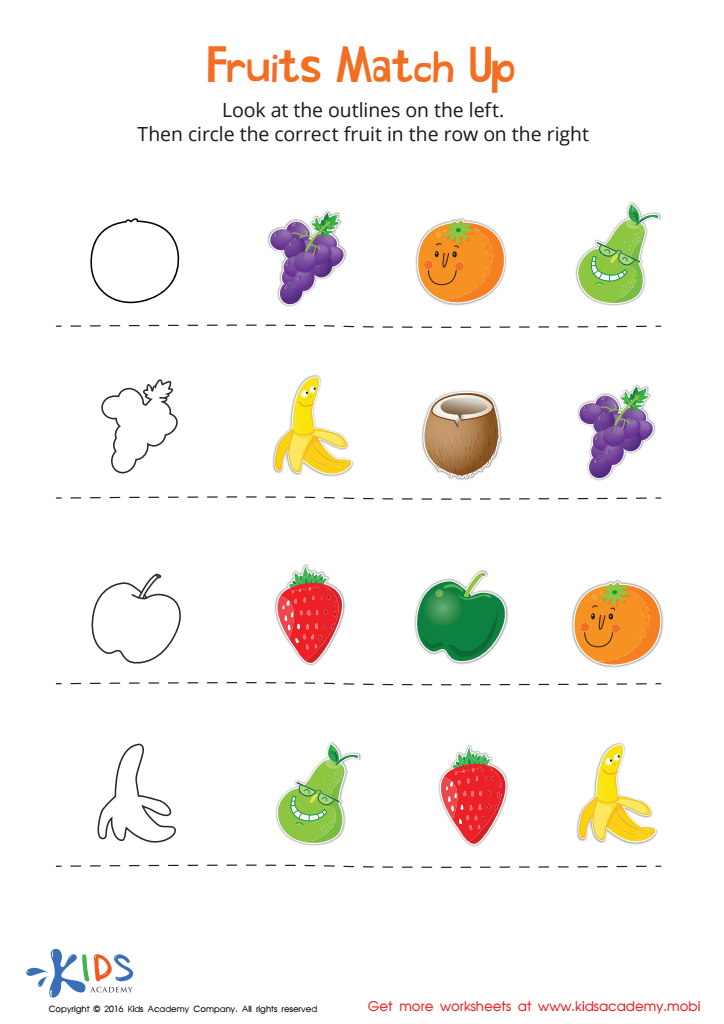
Fruits Match Up Worksheet
 Assign to My Students
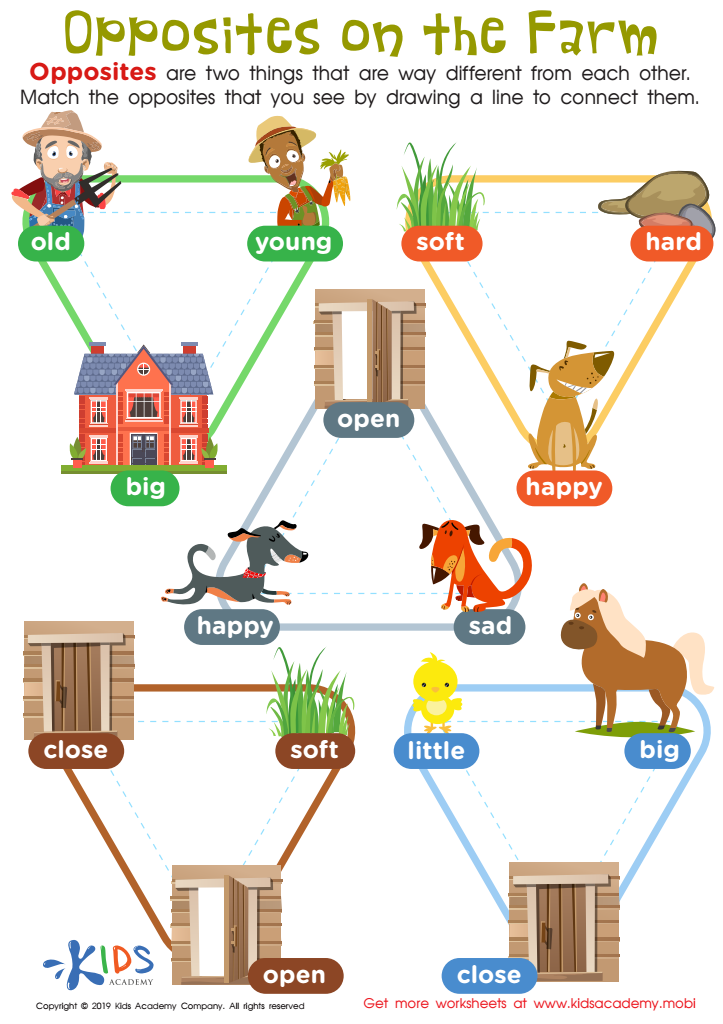
Opposites on the Farm Worksheet
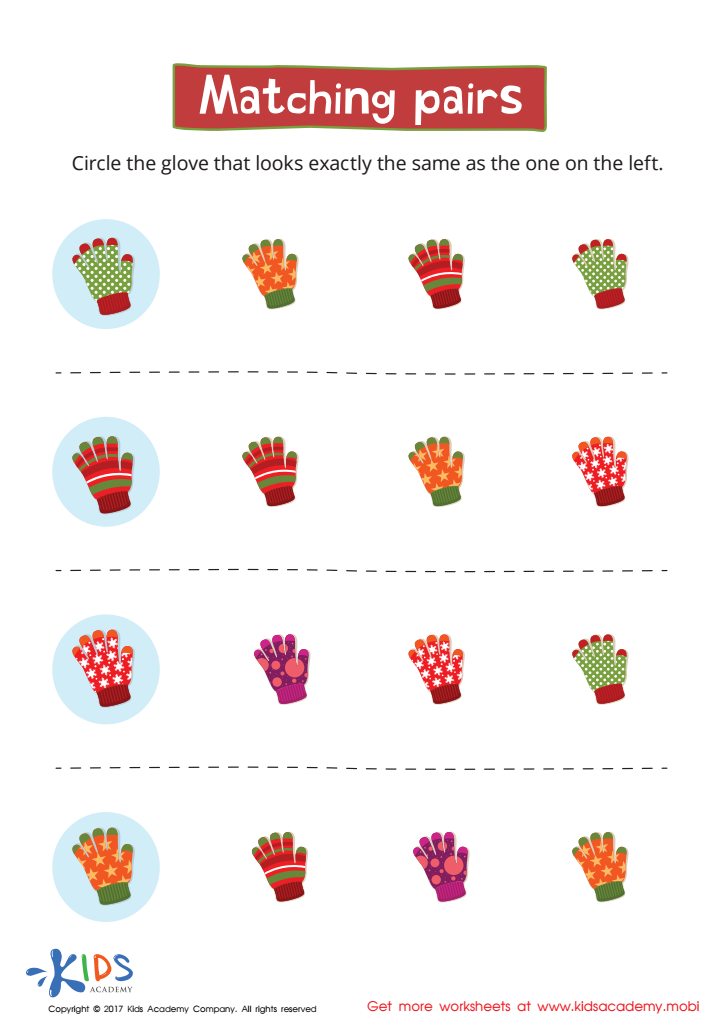
Matching: Matching Pairs Worksheet
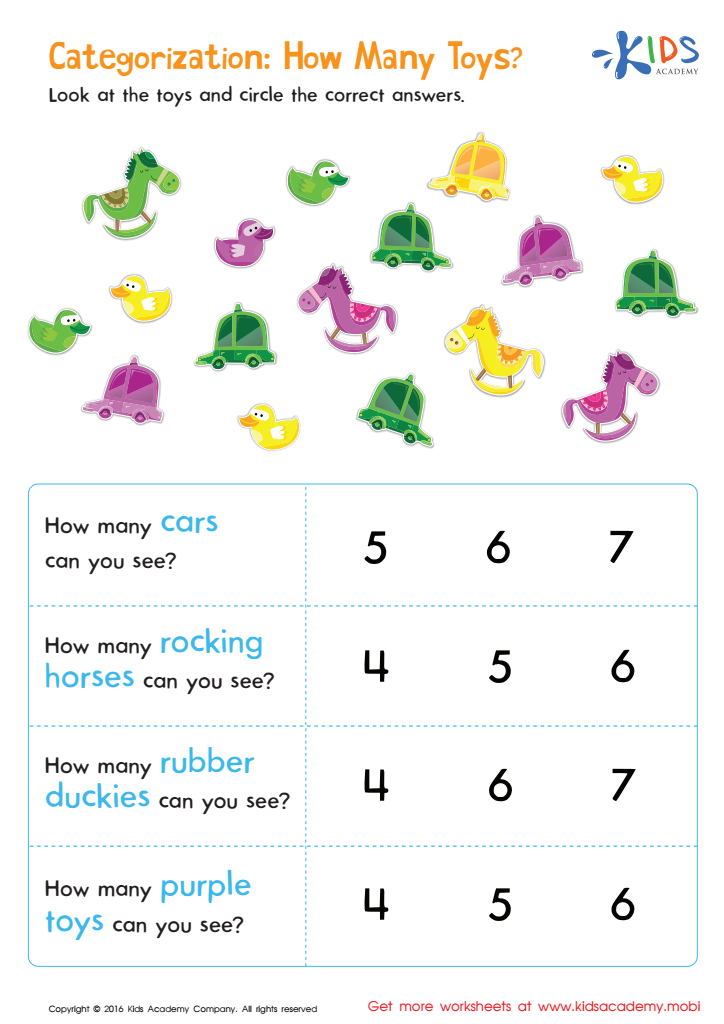
Classifying Toys by Type and Color Sorting Worksheet







Cognitive development is a crucial aspect of early childhood growth, significantly impacting a child's learning and understanding of the world from ages 3 to 7. During these formative years, children exhibit rapid cognitive changes, marked by increased memory, language skills, problem-solving abilities, and reasoning. Parents and teachers should care deeply about normal cognitive development as it lays the foundation for academic success and social-emotional well-being.
Understanding typical cognitive milestones enables caregivers to identify potential delays or challenges early, facilitating timely interventions that can make a critical difference in a child's learning trajectory. Engaging children in age-appropriate activities—like puzzles, storytelling, and cooperative games—can promote essential cognitive skills such as critical thinking and creativity.
Moreover, fostering an environment centered on exploration encourages curiosity and a love of learning. Mental resilience and confidence developed during this stage can promote lifelong learning habits. Additionally, a well-supported cognitive development process helps cultivate essential social skills, including communication and empathy, vital for successful peer interactions.
Ultimately, when parents and teachers prioritize cognitive development, they not only enhance children's academic abilities but also contribute to their overall emotional and social growth, empowering them to thrive in an increasingly complex world.