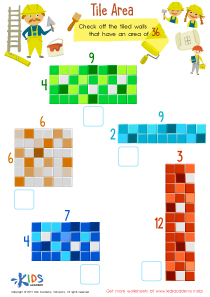
Sorting skills Normal Sorting Worksheets for Ages 3-7
5 filtered results
-
From - To
Welcome to our Sorting Skills Normal Sorting Worksheets page, designed for children ages 3-7! These engaging worksheets help young learners develop essential sorting skills through interactive and fun activities. By categorizing objects based on colors, shapes, and sizes, children improve their critical thinking and organizational abilities. Our carefully crafted worksheets align with early childhood education standards, making learning both enjoyable and effective. With vibrant illustrations and age-appropriate challenges, kids will love exploring the world of sorting. Perfect for home or classroom use, these worksheets provide a solid foundation for mathematical concepts. Start your child’s sorting journey today!
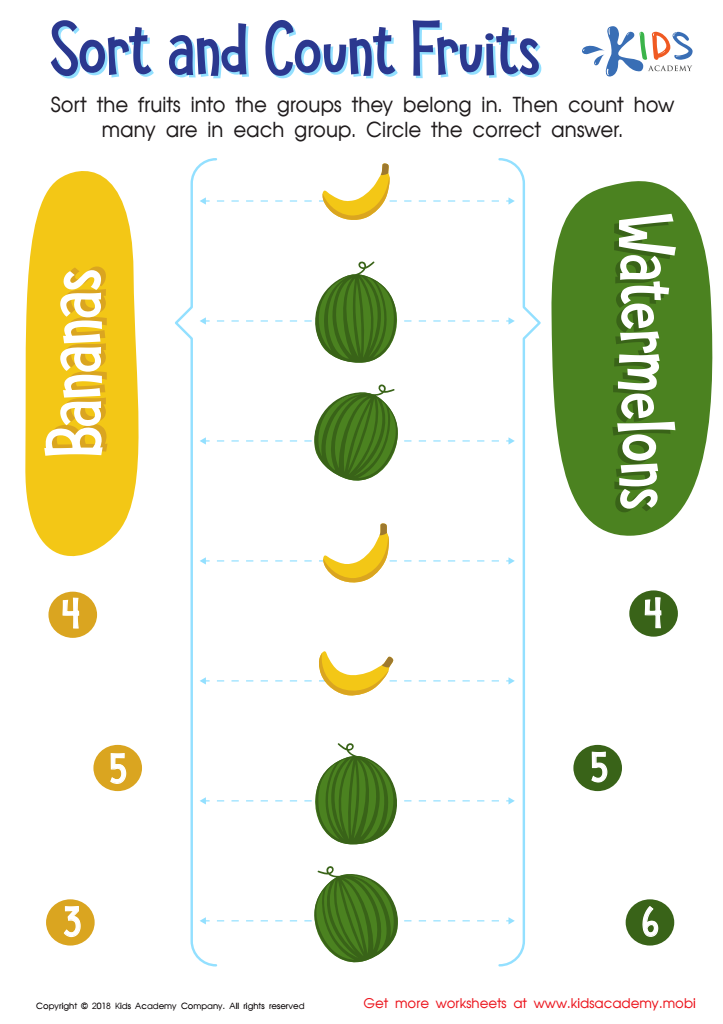
Sort and Count Fruits Worksheet
 Assign to My Students
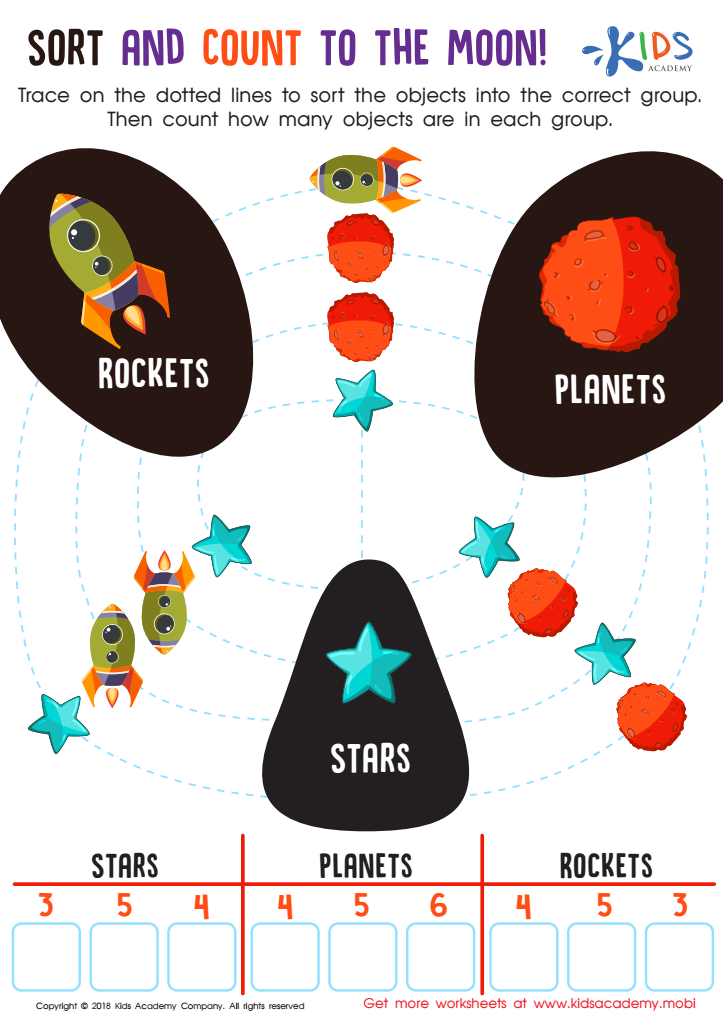
Sort and Count to the Moon Worksheet
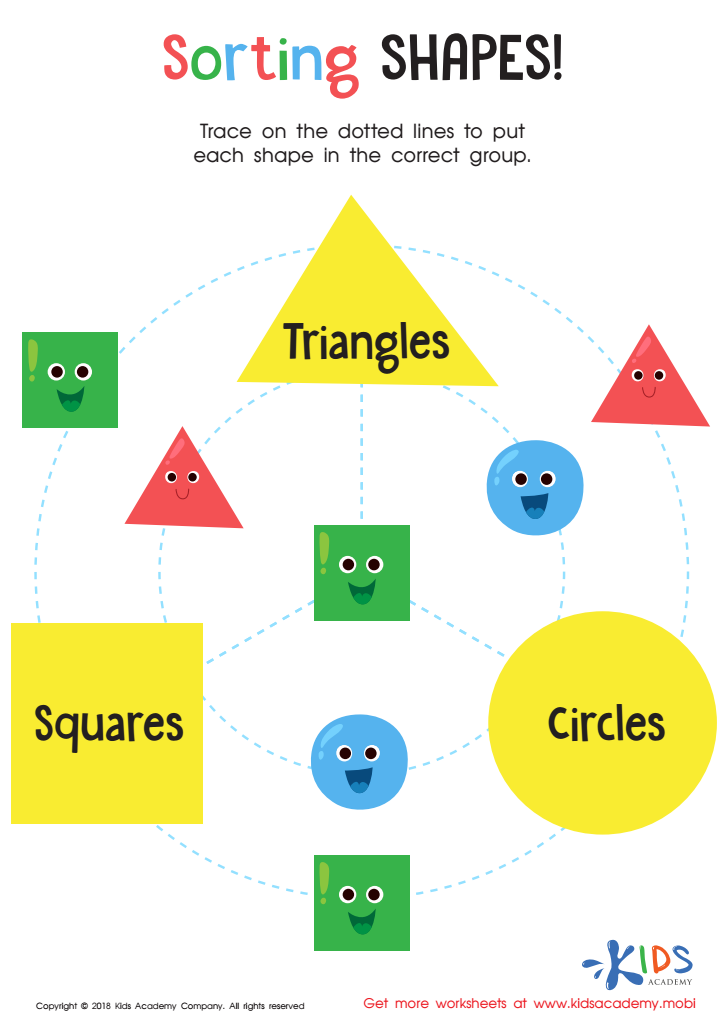
Sorting Shapes - Part 3 Worksheet
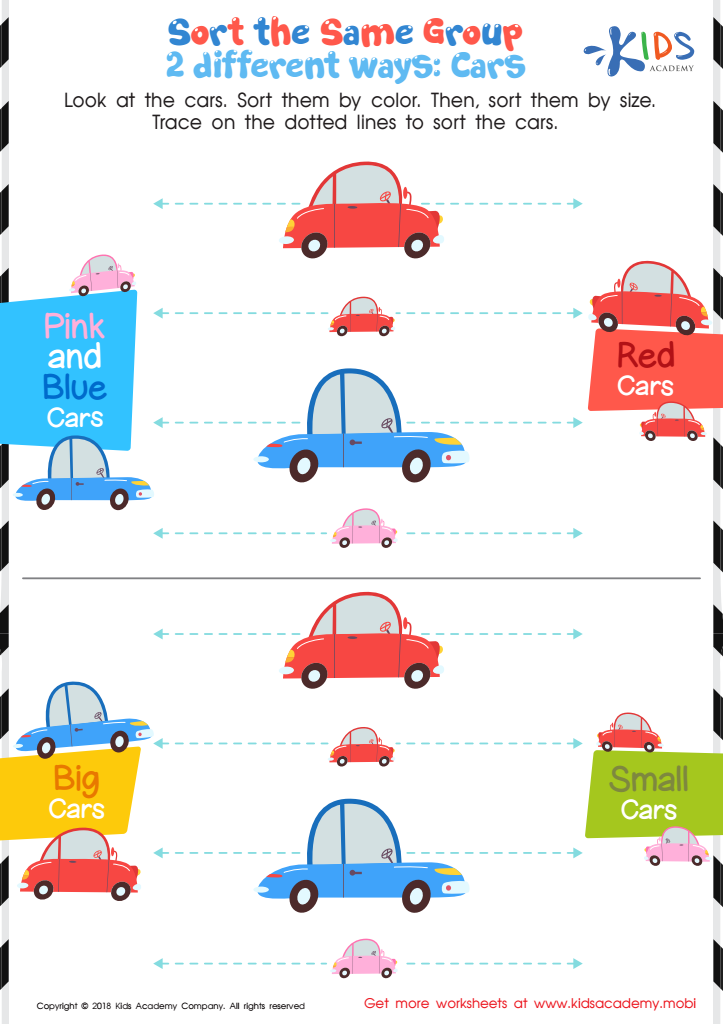
Sort the Same Group 2 Different Ways: Cars Worksheet
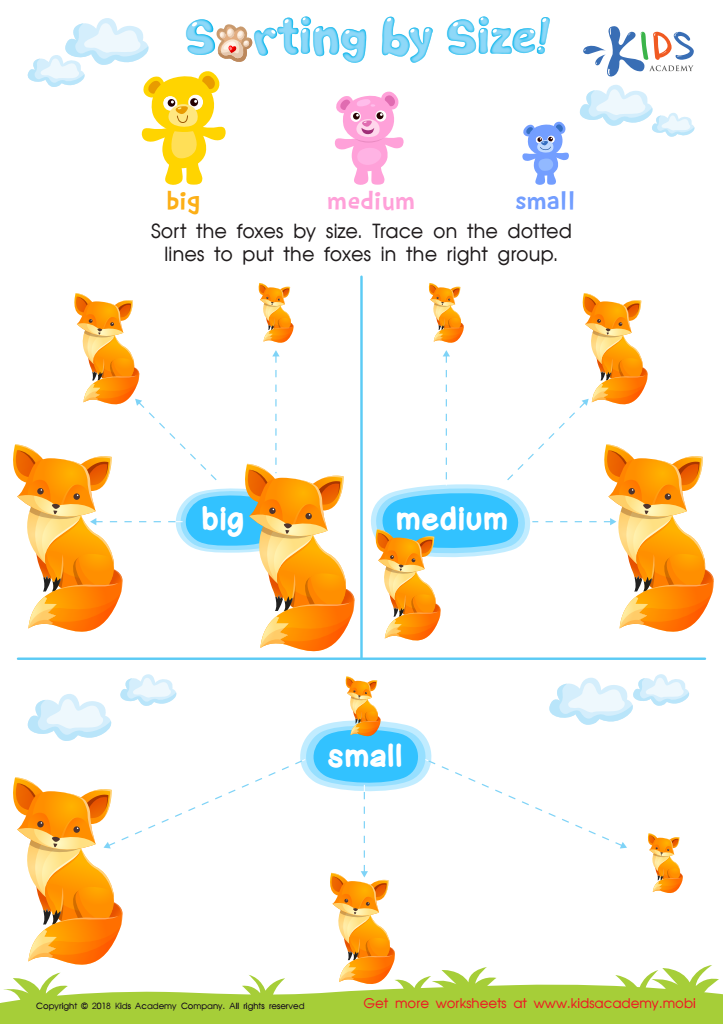
Sorting by Size Worksheet








Sorting skills are fundamental for children ages 3-7, serving as a cornerstone for their cognitive development. Parents and teachers should care about enhancing these skills because they play a crucial role in early learning. When children engage in sorting activities, they learn to classify objects based on specific attributes such as color, size, and shape. This foundational skill helps build their critical thinking and problem-solving abilities.
Moreover, normal sorting enhances a child's understanding of mathematics and science concepts. Through sorting, they develop a sense of categorization, making it easier to grasp more complex mathematical ideas later on, like addition and subtraction. Sorting activities also promote language development as children learn to describe and discuss the characteristics of the items they are sorting, enriching their vocabulary.
Socially, engaging in sorting with peers fosters collaboration and communication skills. Children learn to share, take turns, and articulate their thought processes, which are essential social interactions.
Additionally, sorting can be a fun, hands-on activity that enhances focus and concentration. By incorporating sorting skills into daily routines, parents and teachers can cultivate a love for learning and set the stage for lifelong skills—making sorting not just an educational exercise, but a vital tool for holistic development.