Vocabulary expansion Normal Building Vocabulary Worksheets for Ages 3-7
30 filtered results
-
From - To
Discover our "Vocabulary Expansion Normal Building Vocabulary Worksheets" designed for children ages 3 to 7. These engaging worksheets provide a fun and interactive approach to vocabulary development, helping young learners enhance their language skills through exciting activities. Each worksheet promotes word recognition, understanding of meanings, and usage in context, making it an essential resource for early literacy development. Suitable for home or classroom use, these worksheets are crafted with age-appropriate themes and illustrations to captivate young minds. Encourage your child's love for learning and boost their vocabulary with our thoughtfully designed materials that transform learning into an enjoyable adventure!
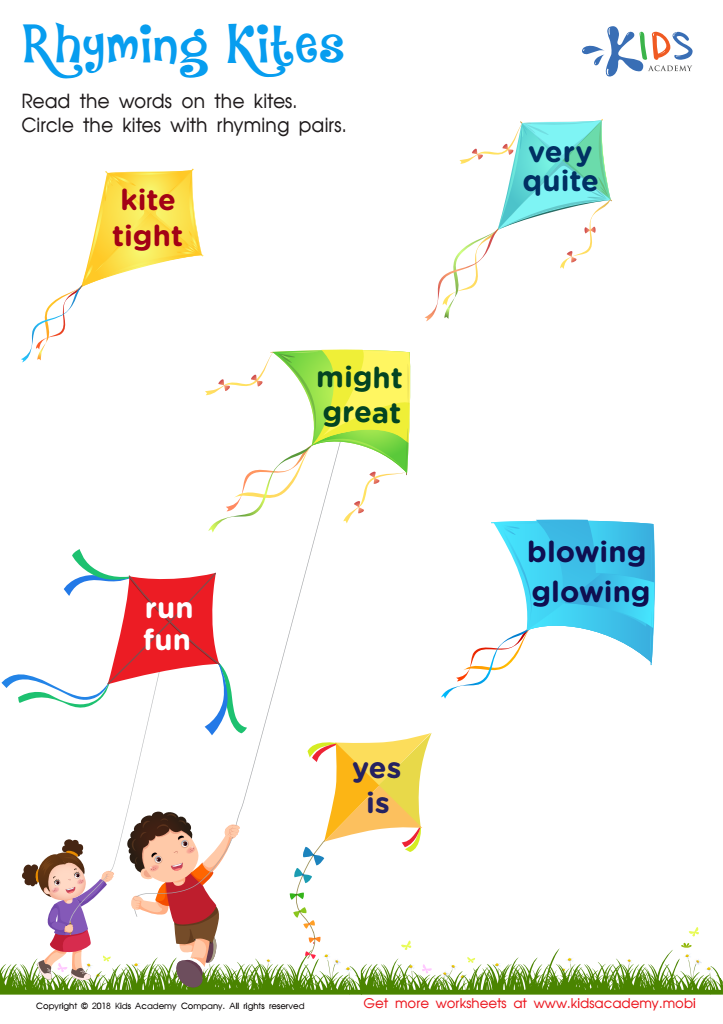
Rhyming Kites Worksheet
 Assign to My Students











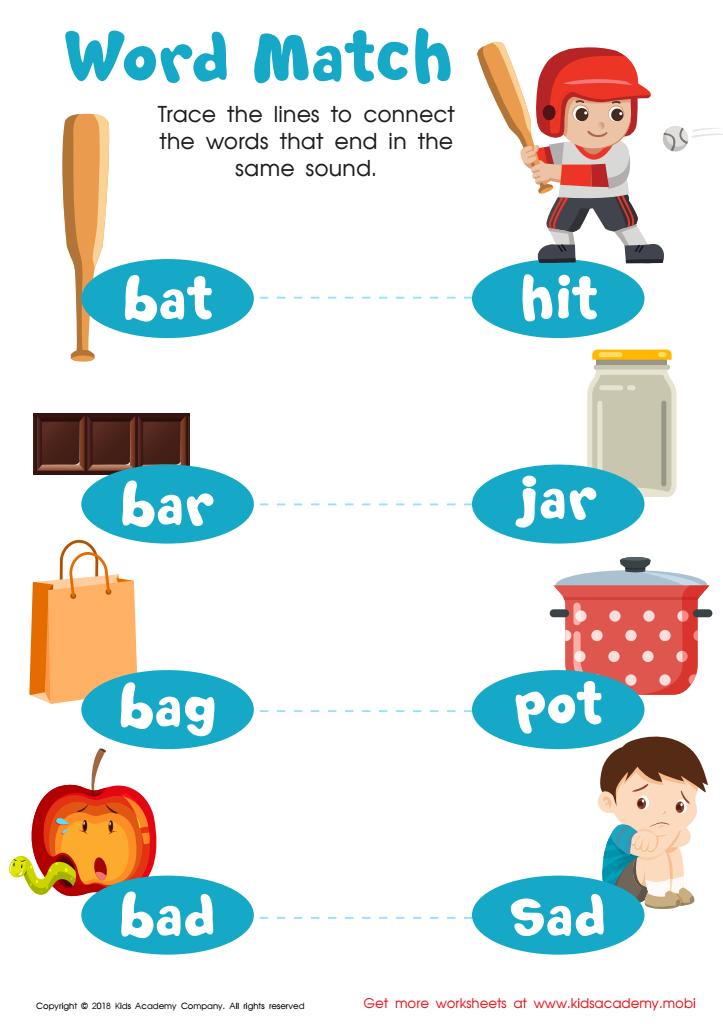
Word Match Reading Worksheet
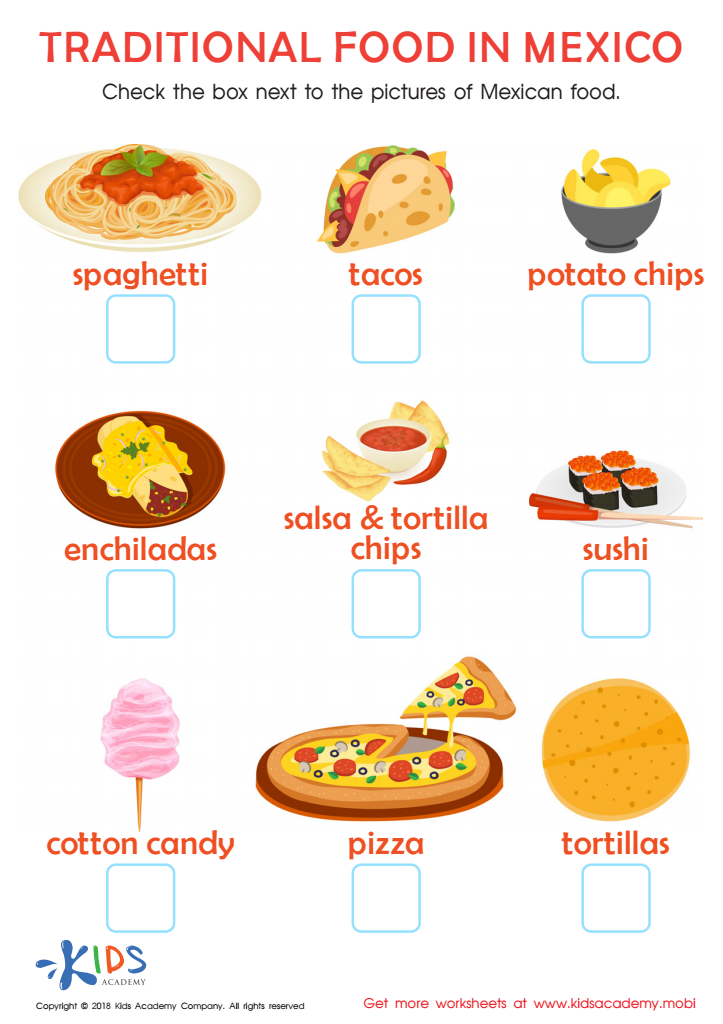
Traditional Food in Mexico Worksheet
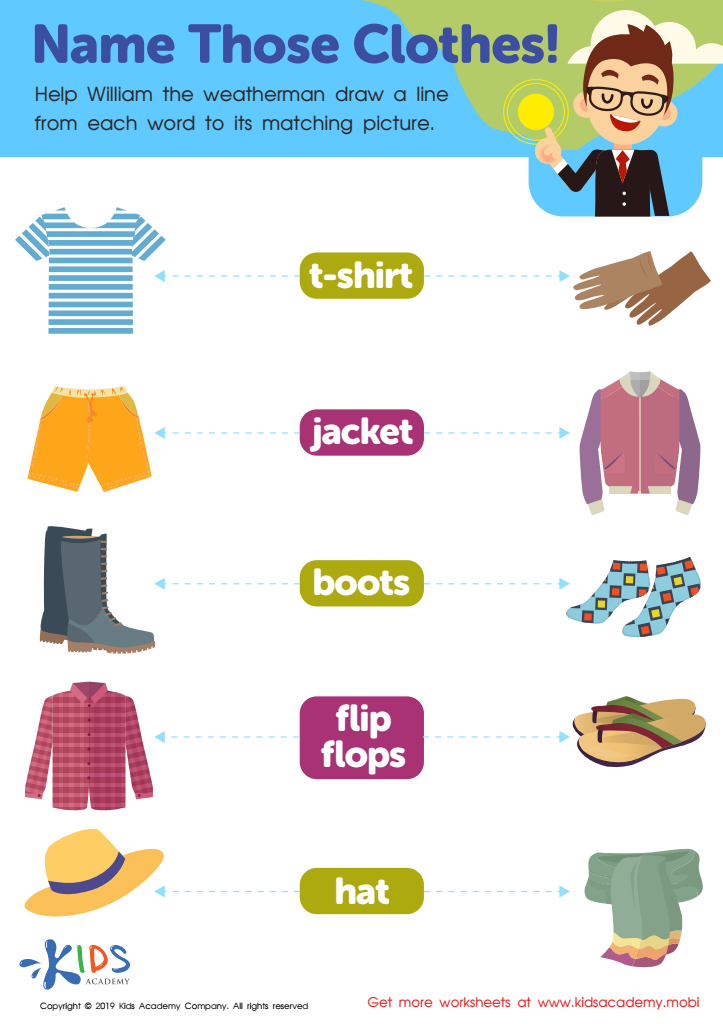
Name Those Clothes Worksheet
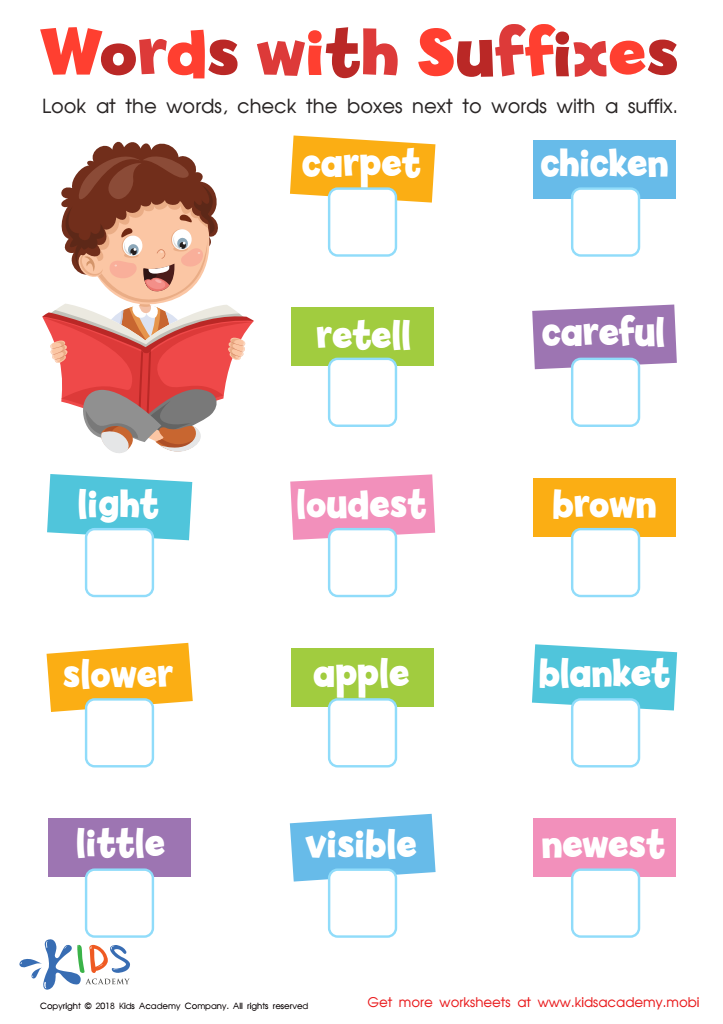
Reading: Words With Suffixes Worksheet
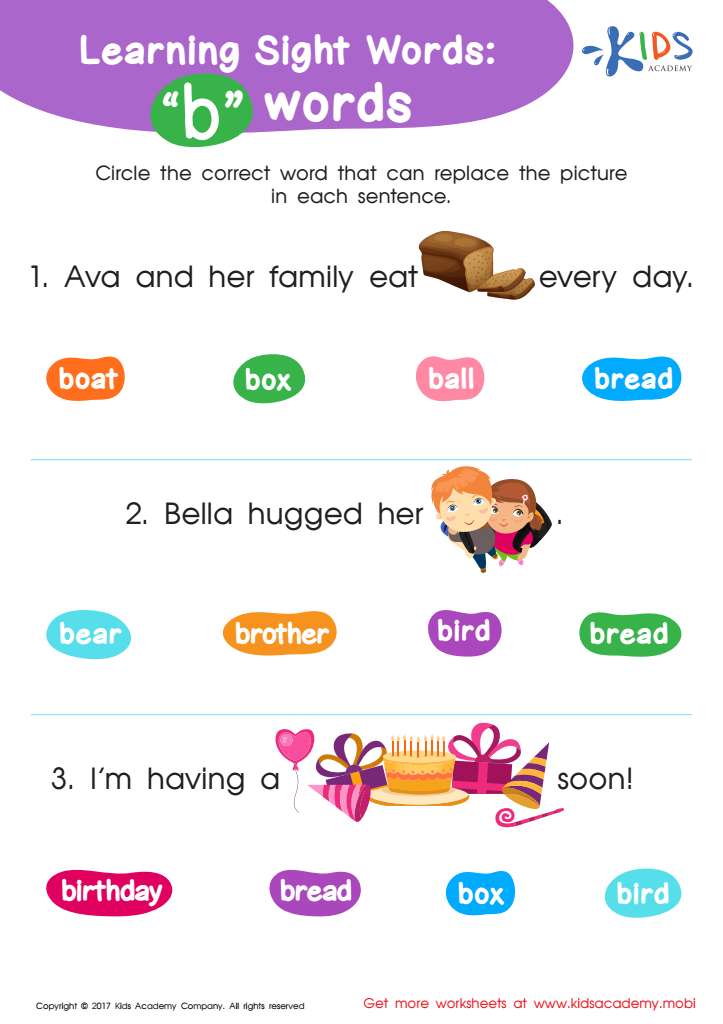
Sight Words Free Worksheet – B Words
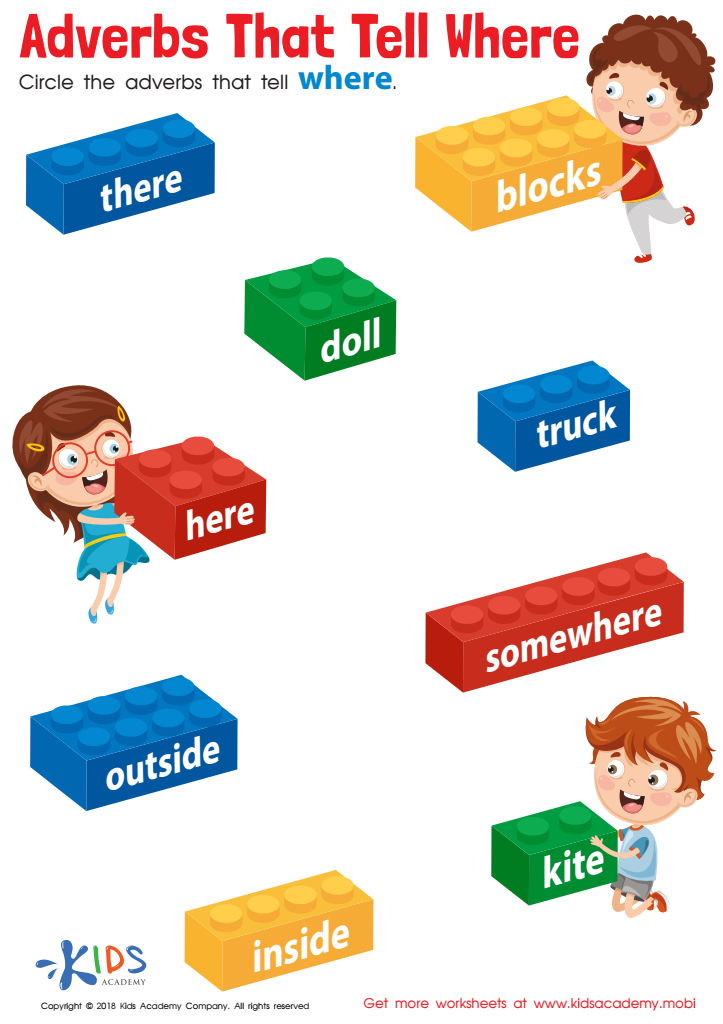
Adverbs That Tell Where Worksheet
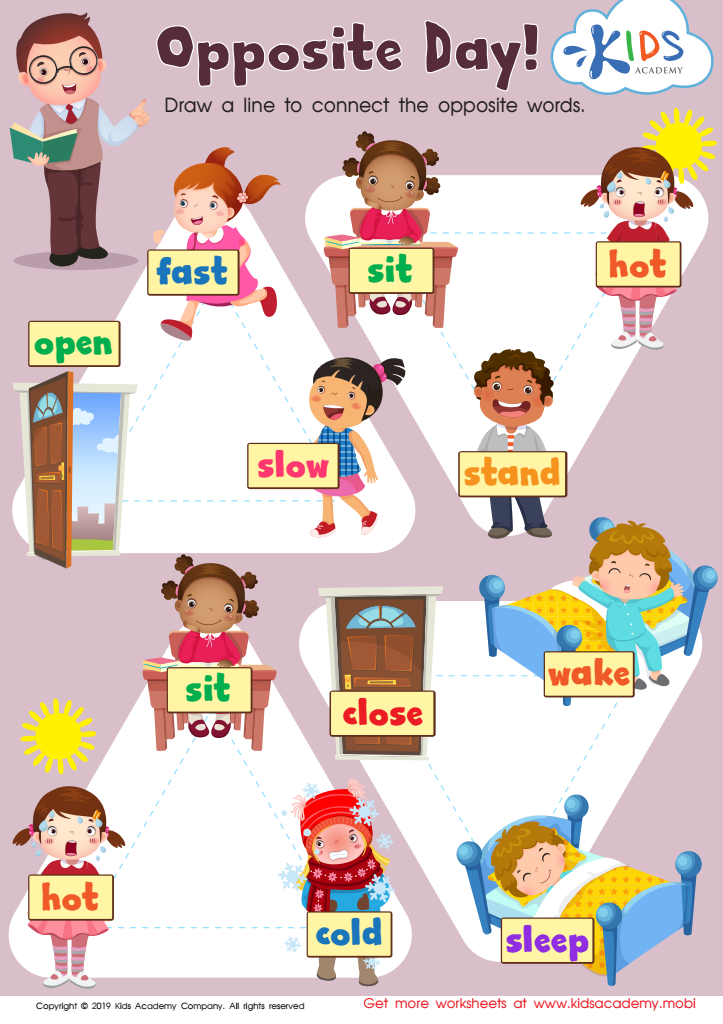
Opposite Day Worksheet
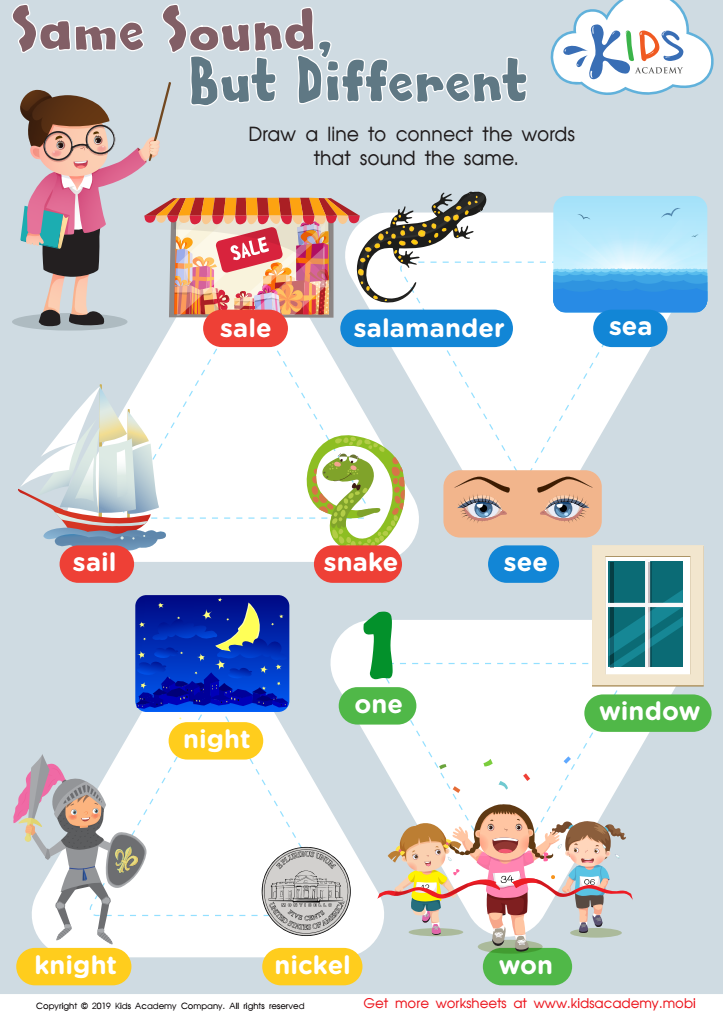
Sound Different Worksheet
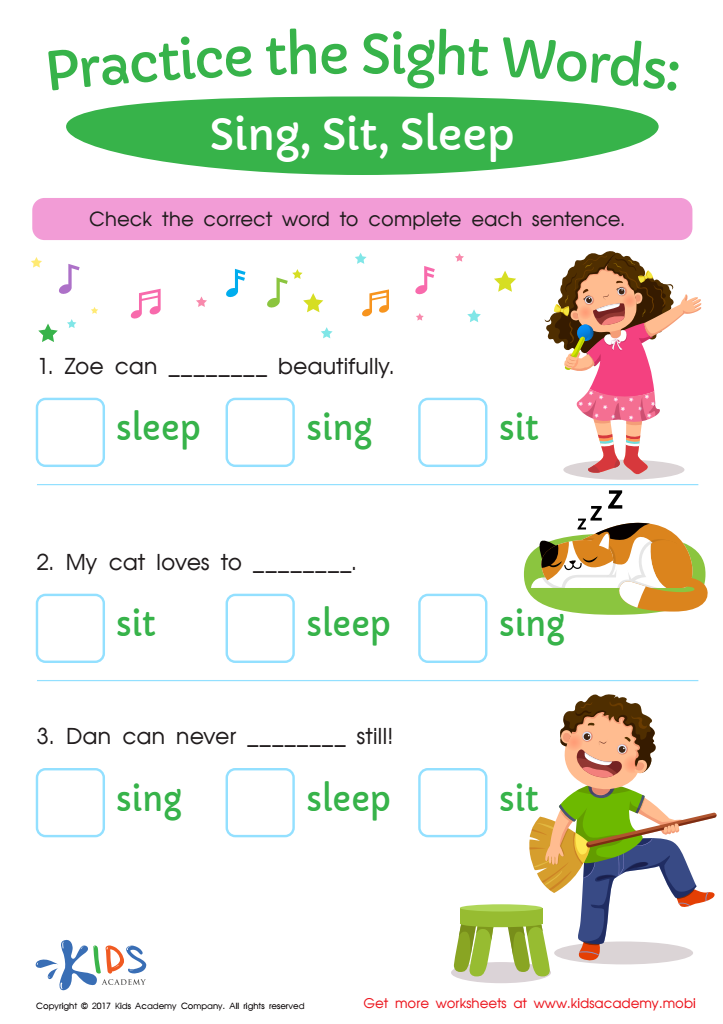
Sing, Sit, Sleep Sight Words Worksheet
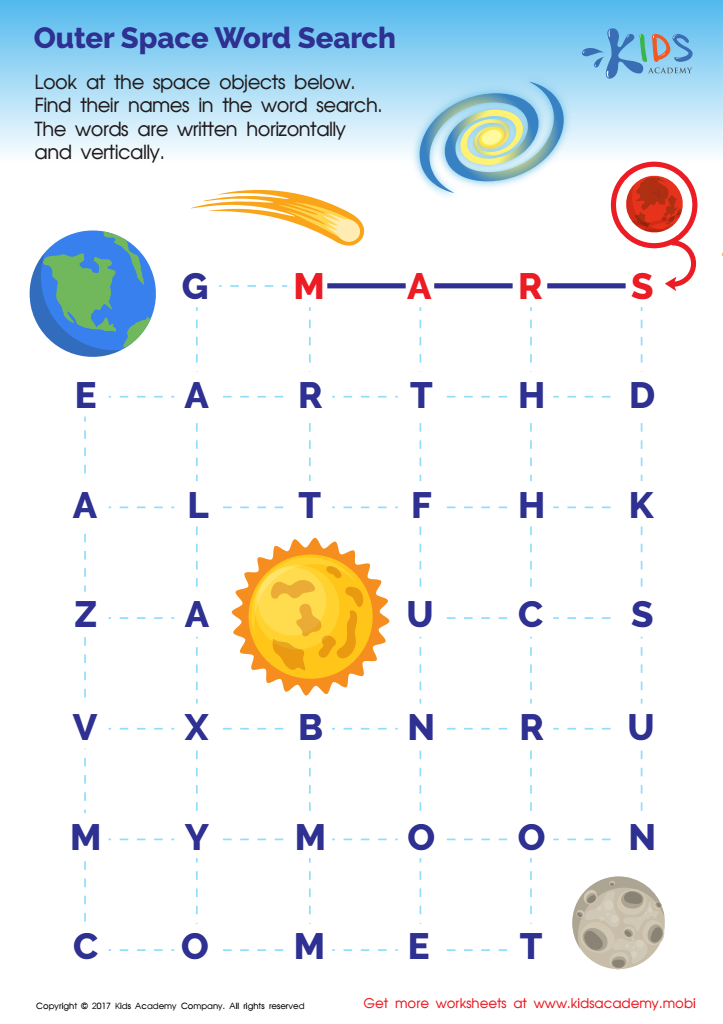
Outer Space Word Search Printable
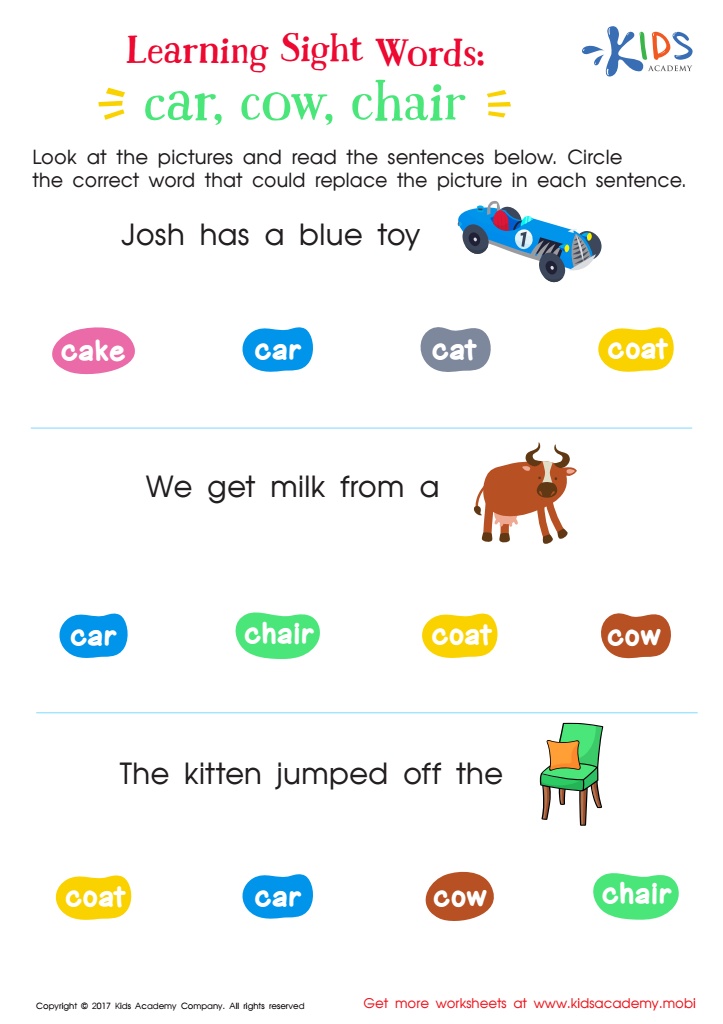
Car, Cow, Chair Worksheet Sight Words Worksheet
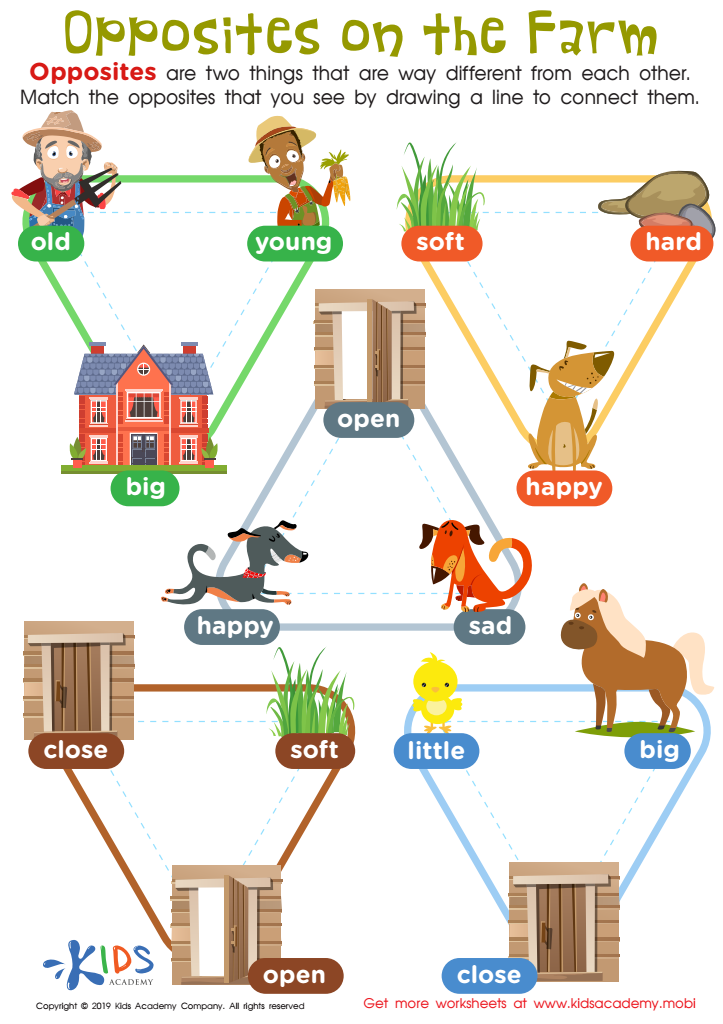
Opposites on the Farm Worksheet
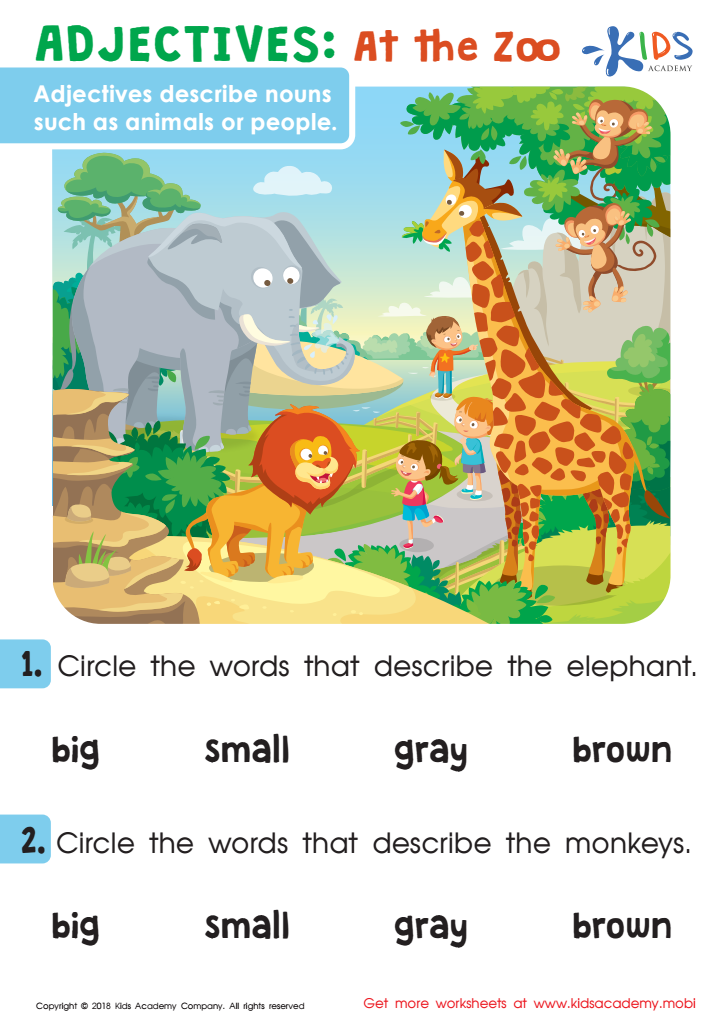
Adjectives: At The Zoo Worksheet
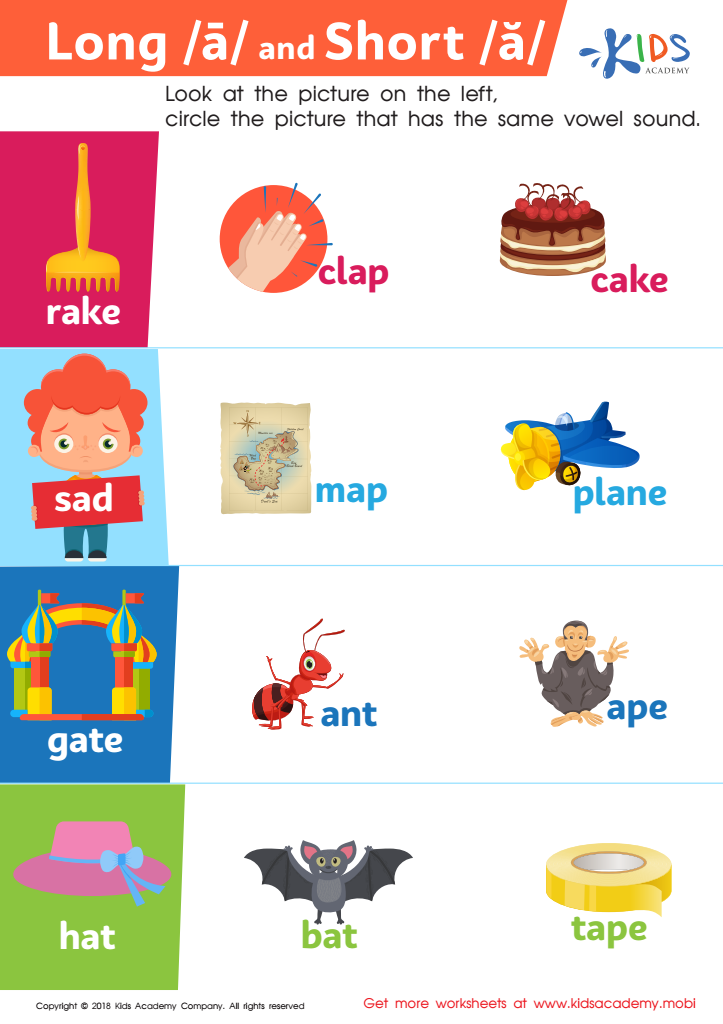
Reading: Long a and Short a Worksheet
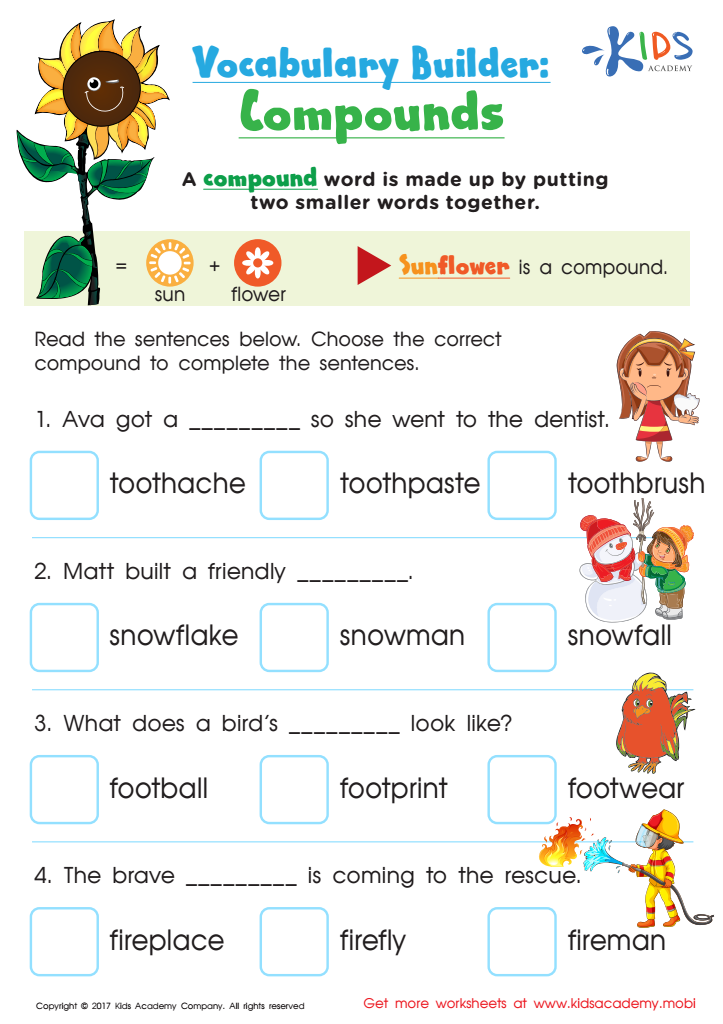
Compound Words Worksheet
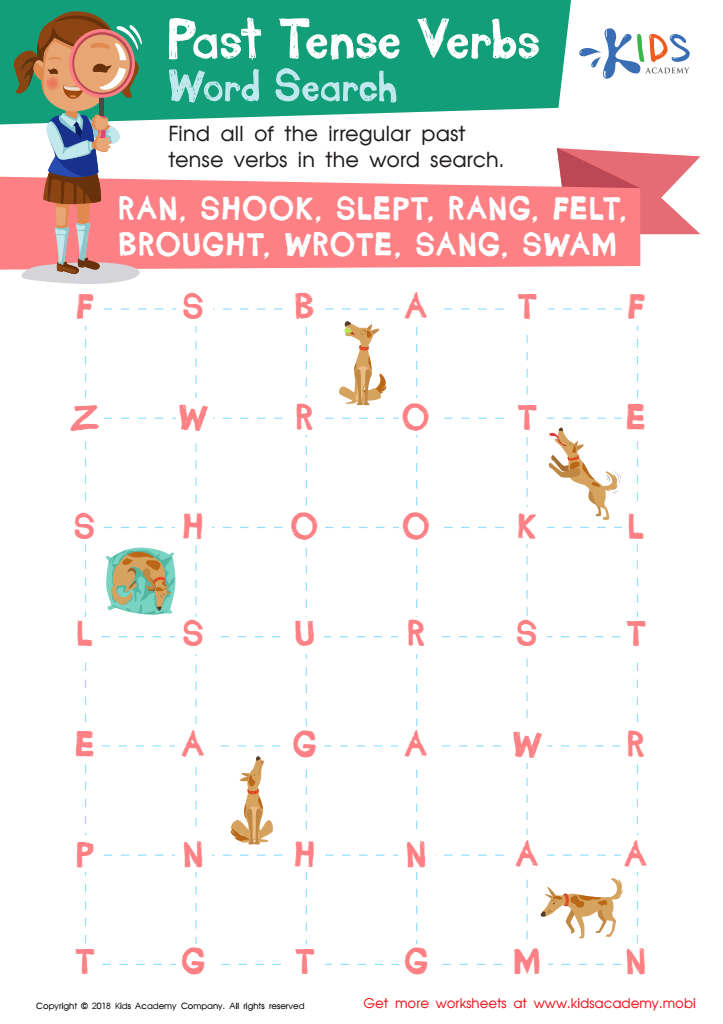
Past Tense Verbs Word Search Worksheet
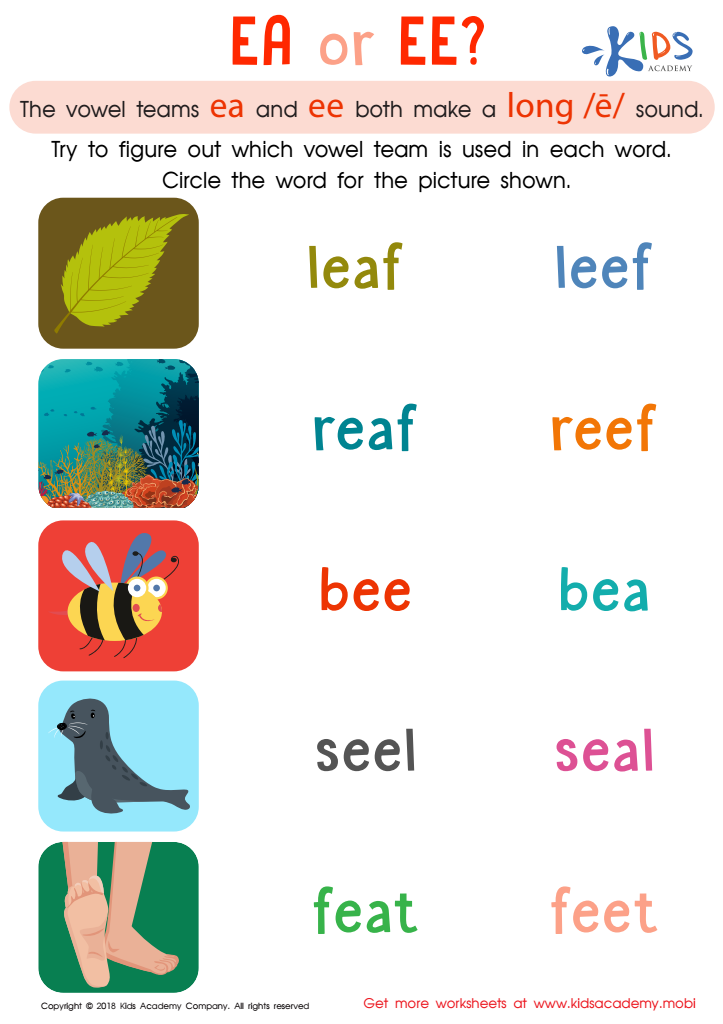
Reading: EA and EE Worksheet
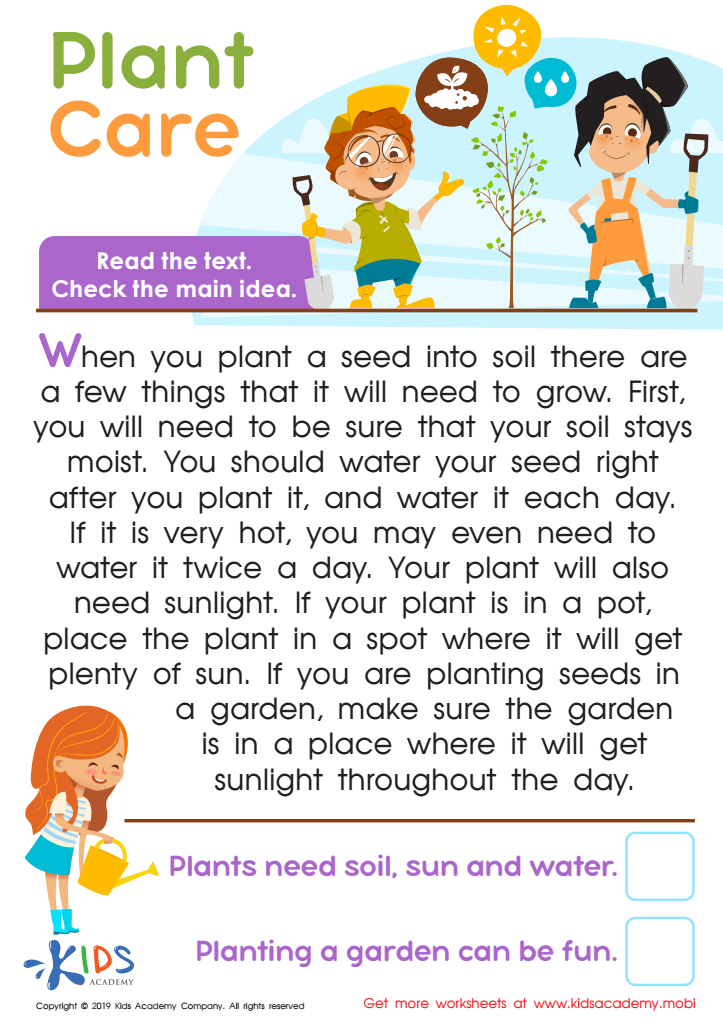
Plant Care Worksheet
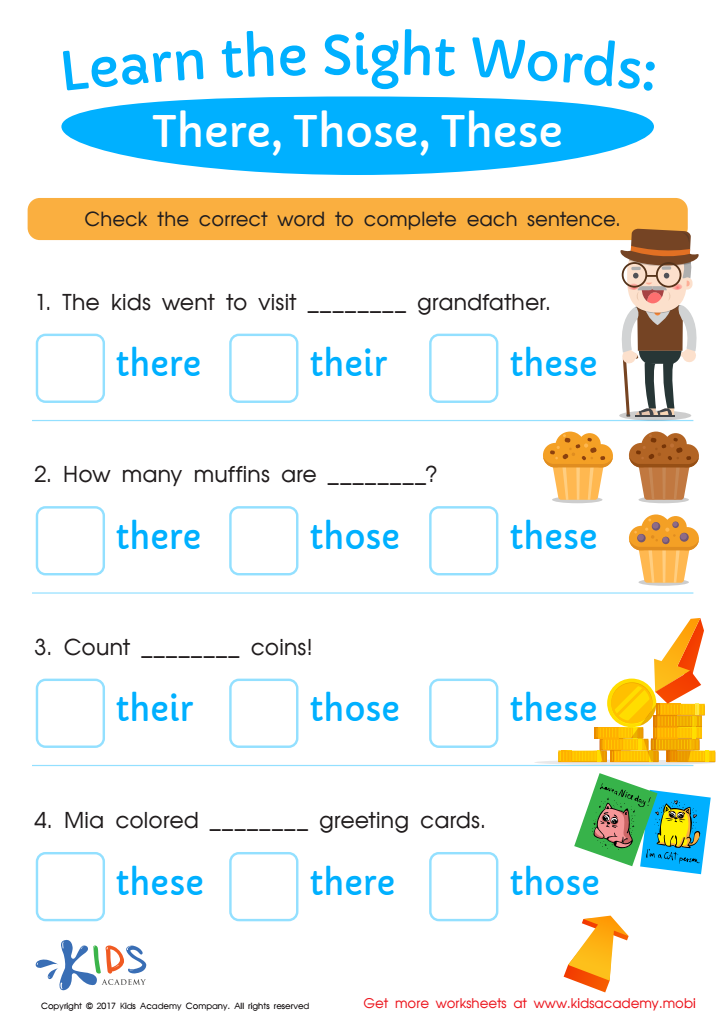
There, Those and These Sight Words Worksheet
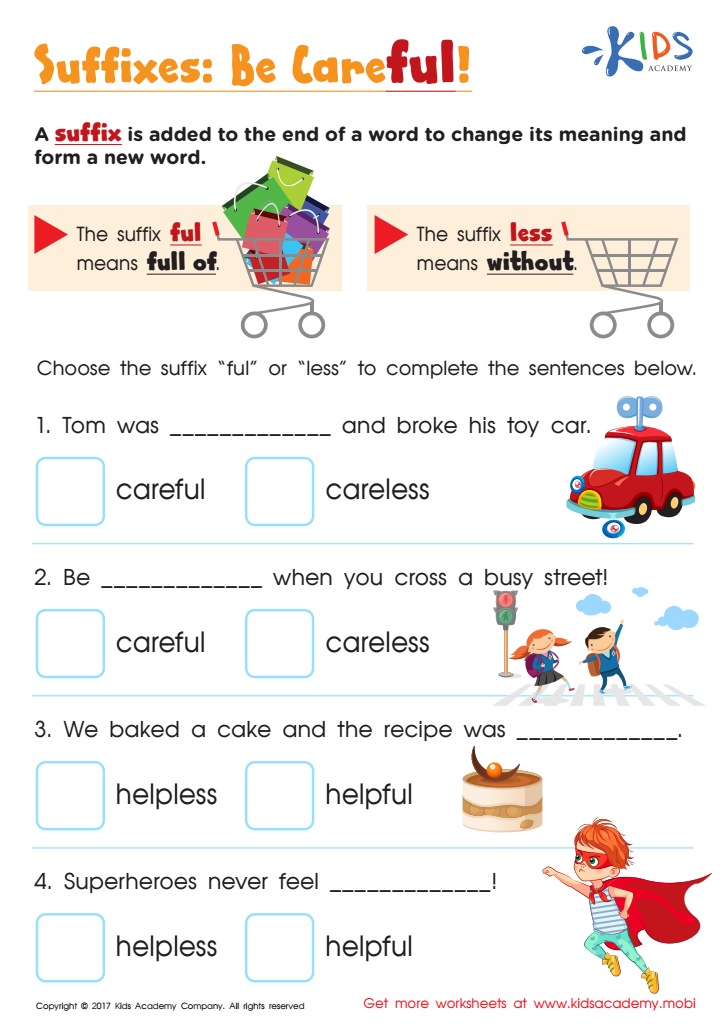
Suffixes Ful and Less Worksheet
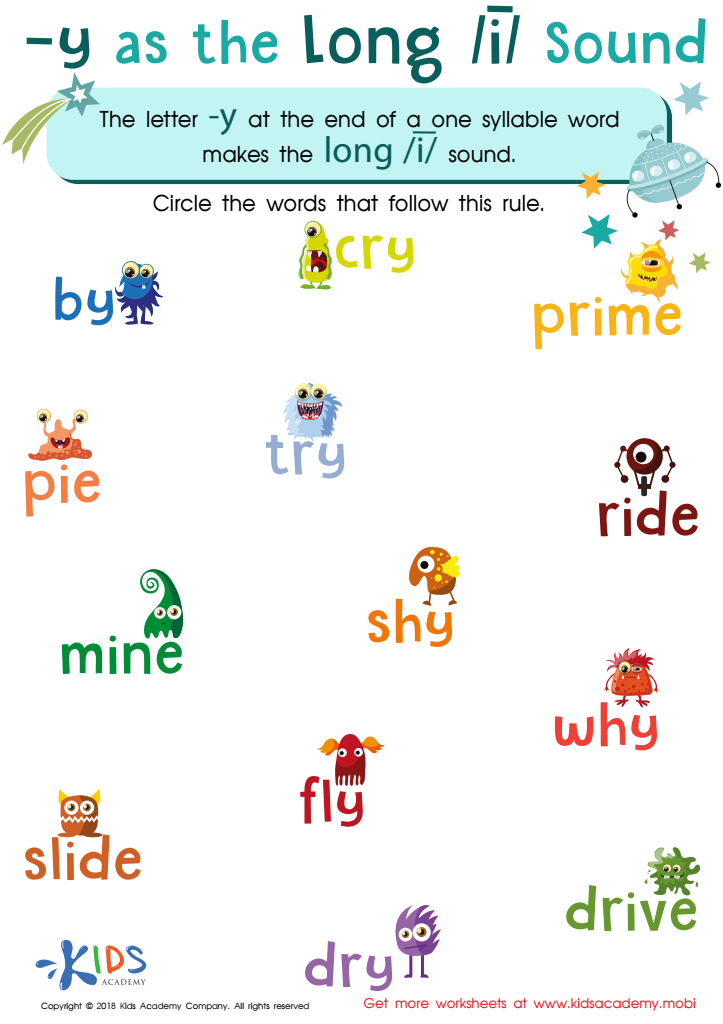
Reading: Y as Long I Worksheet
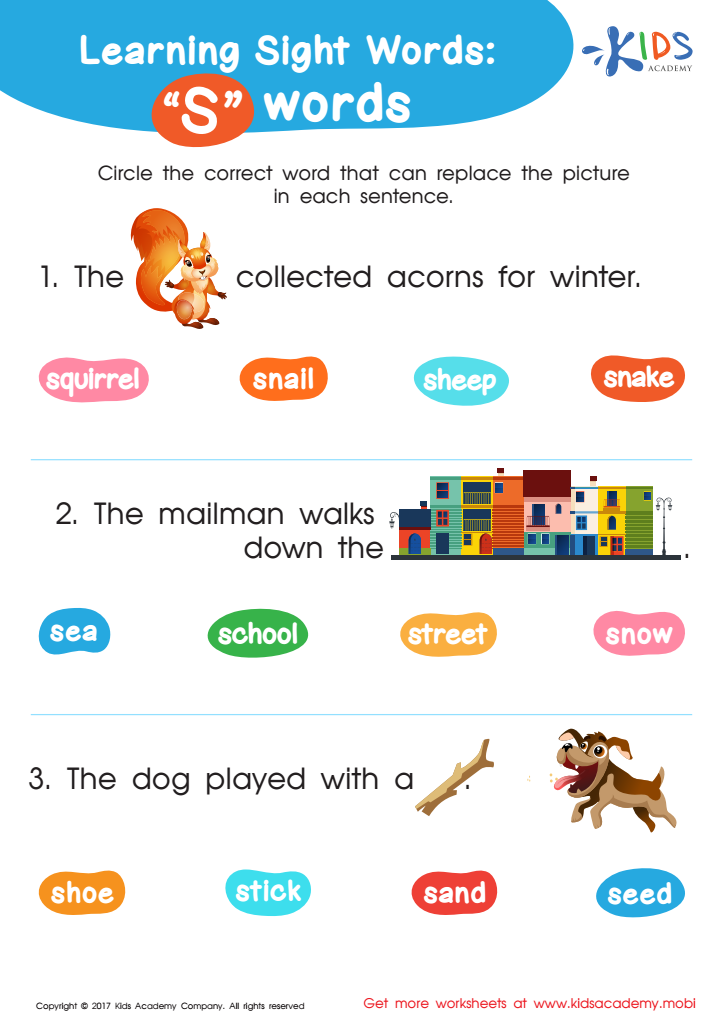
S Words Sight Words Worksheet
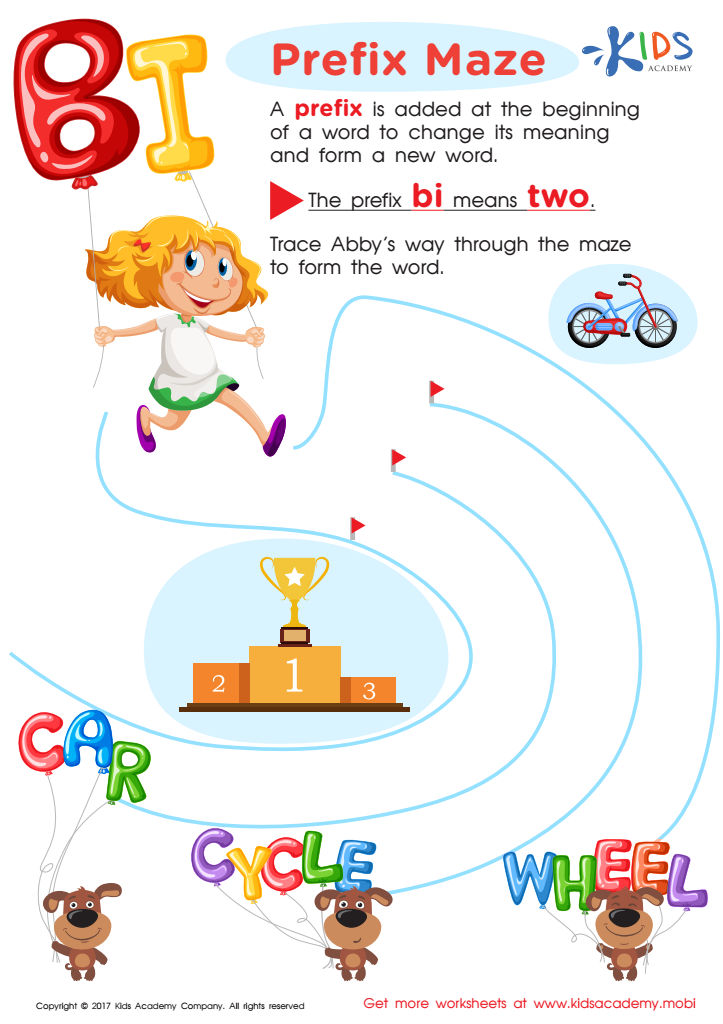
Prefix Bi Words Worksheet








Vocabulary expansion during early childhood, particularly for ages 3 to 7, is crucial for cognitive and social development. At this age, children's brains are remarkably receptive, absorbing language through interaction and play. A robust vocabulary enhances their ability to express thoughts, feelings, and ideas, which fosters effective communication skills necessary for social interactions and academic success.
Teachers and parents should care about vocabulary building because it lays the foundation for reading comprehension and overall literacy. Expanding vocabulary not only aids in word recognition but also enables children to make connections, understand nuances, and grasp complex concepts later in life. Engaging children in enjoyable, language-rich activities—such as storytelling, singing, and word games—can significantly contribute to their vocabulary growth.
Additionally, vocabulary expansion supports emotional intelligence by helping children articulate their feelings and experiences. A rich vocabulary empowers them to engage in meaningful conversations, fostering strong relationships with peers and adults. By prioritizing vocabulary development, parents and teachers can equip young learners with essential tools for effective expression, critical thinking, and success inside and outside the classroom, ultimately setting the stage for lifelong learning.








