Story sequencing Normal Reading Comprehension Worksheets for Ages 3-7
14 filtered results
-
From - To
Our engaging "Story Sequencing Normal Reading Comprehension Worksheets for Ages 3-7" help young learners build essential reading skills through fun, structured activities. Designed to enhance comprehension by teaching children to identify the order of events, these worksheets promote critical thinking and narrative understanding. Ideal for early readers, each worksheet features age-appropriate content, charming illustrations, and engaging prompts to keep little ones motivated and excited about learning. Perfect for both classroom and home use, Kids Academy’s sequencing worksheets provide a solid foundation for reading success in a playful and effective way. Download and watch your child’s skills grow!
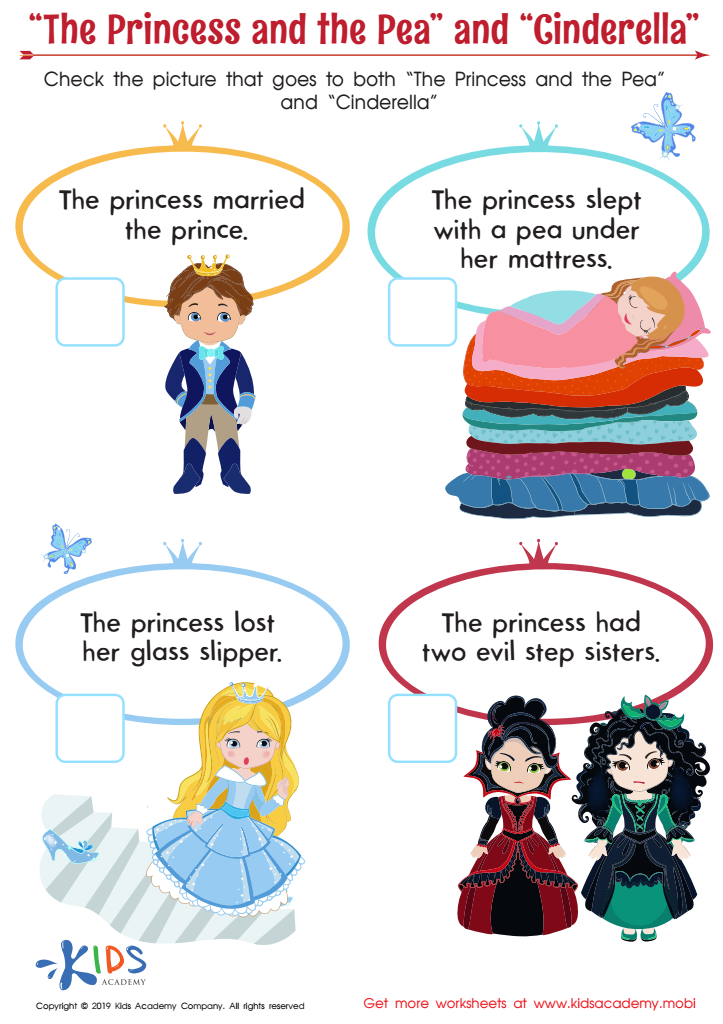
“The Princess and the Pea” and “Cinderella” Worksheet
 Assign to My Students
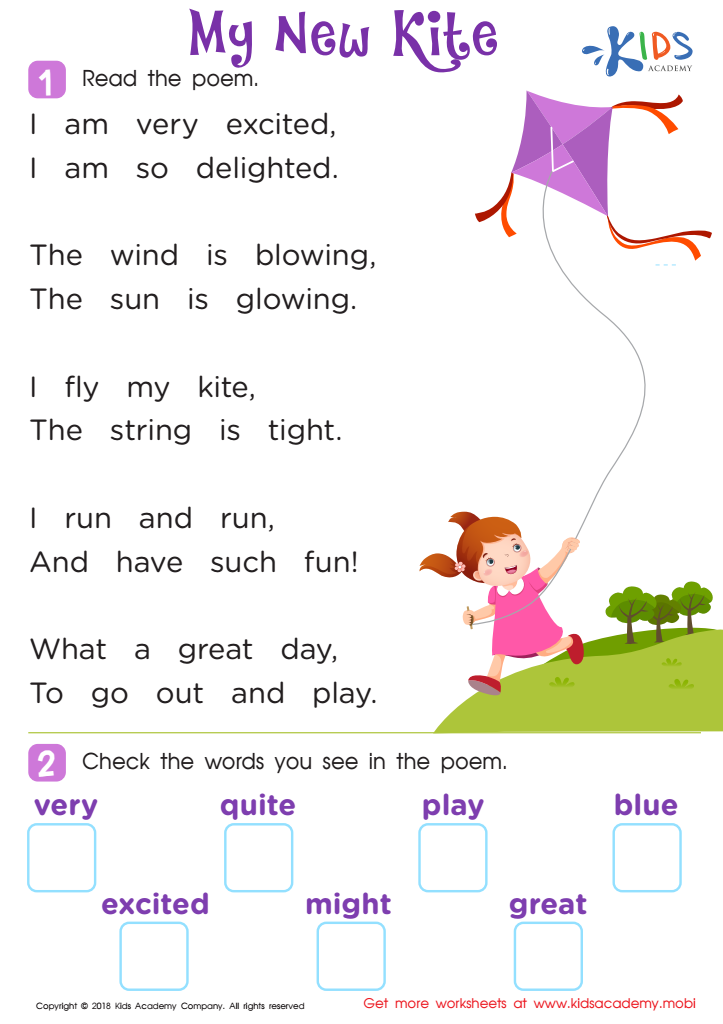
Poem: My New Kite Worksheet
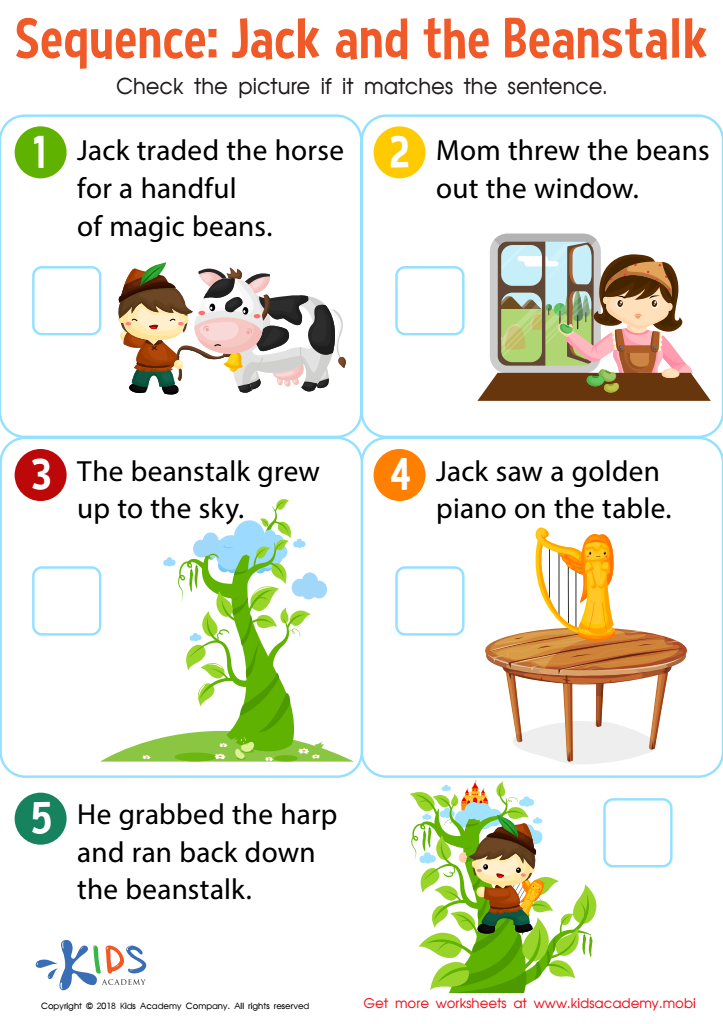
Sequence: Jack and The Beanstalk Worksheet
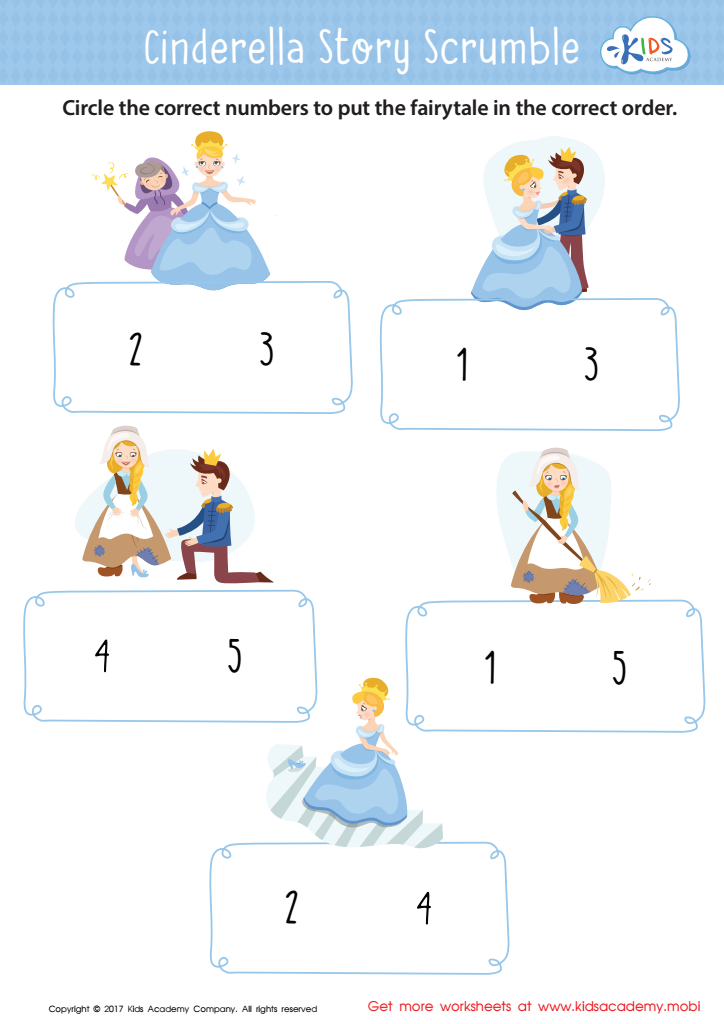
Cinderella Story Sequencing Worksheet
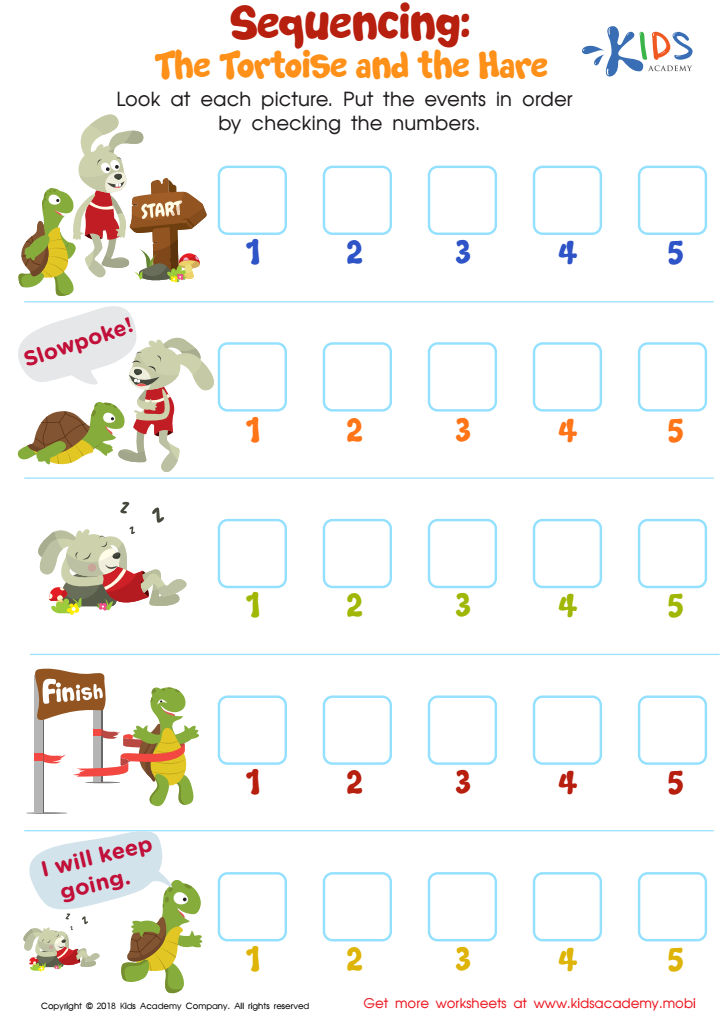
Sequencing: The Tortoise and the Hare Worksheet
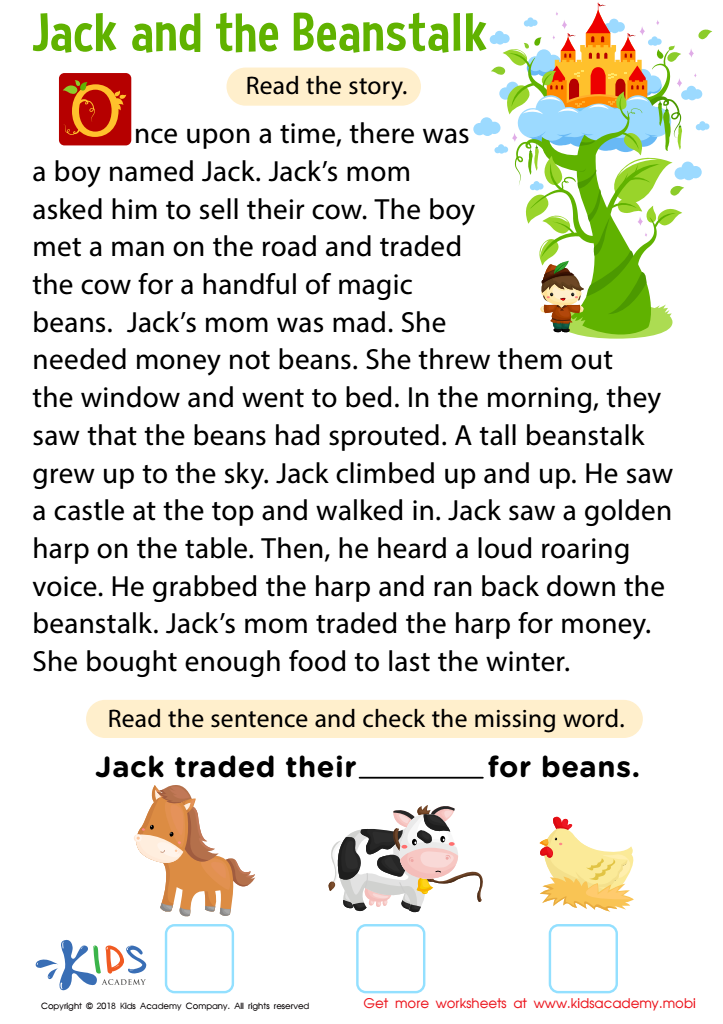
Jack and Beanstalk Worksheet
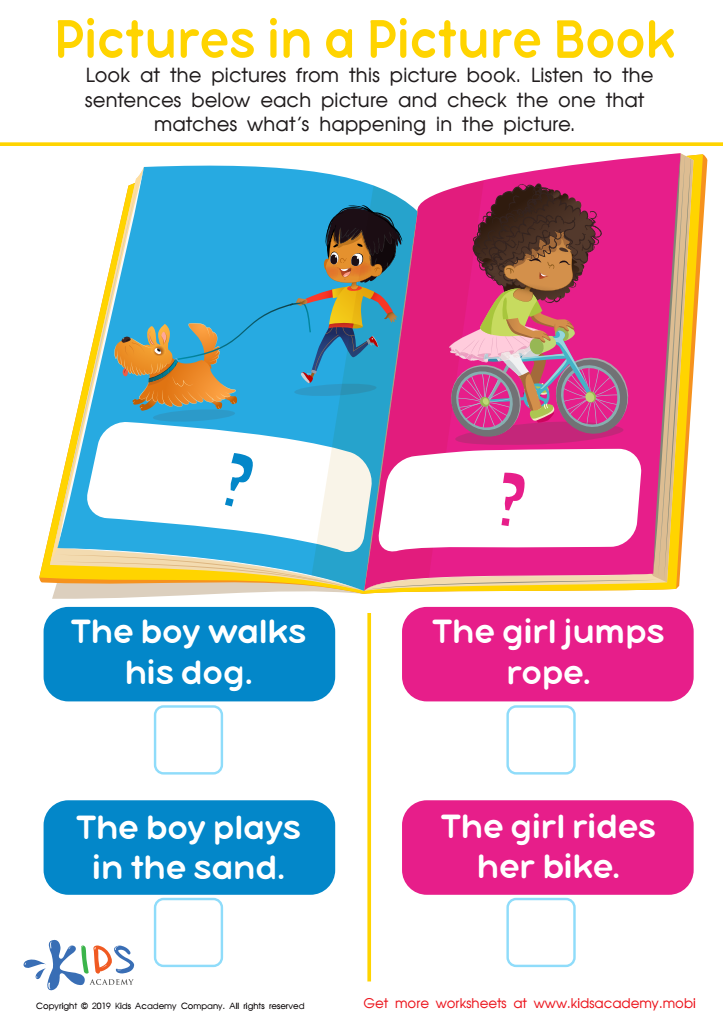
Picture in Books Worksheet
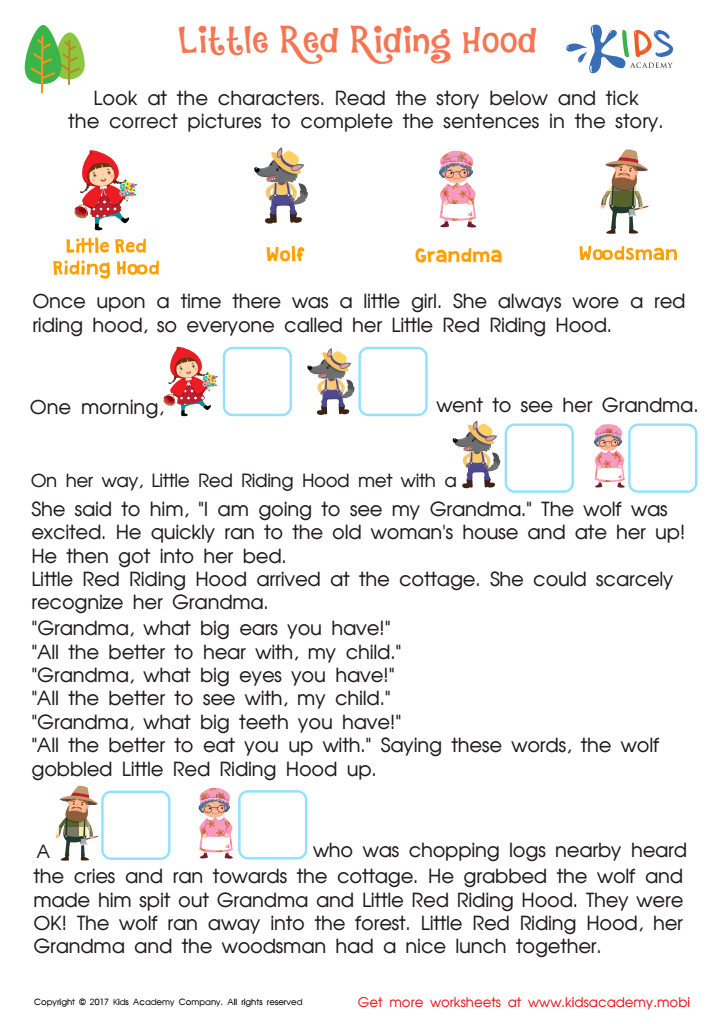
Little Red Riding Hood Printable
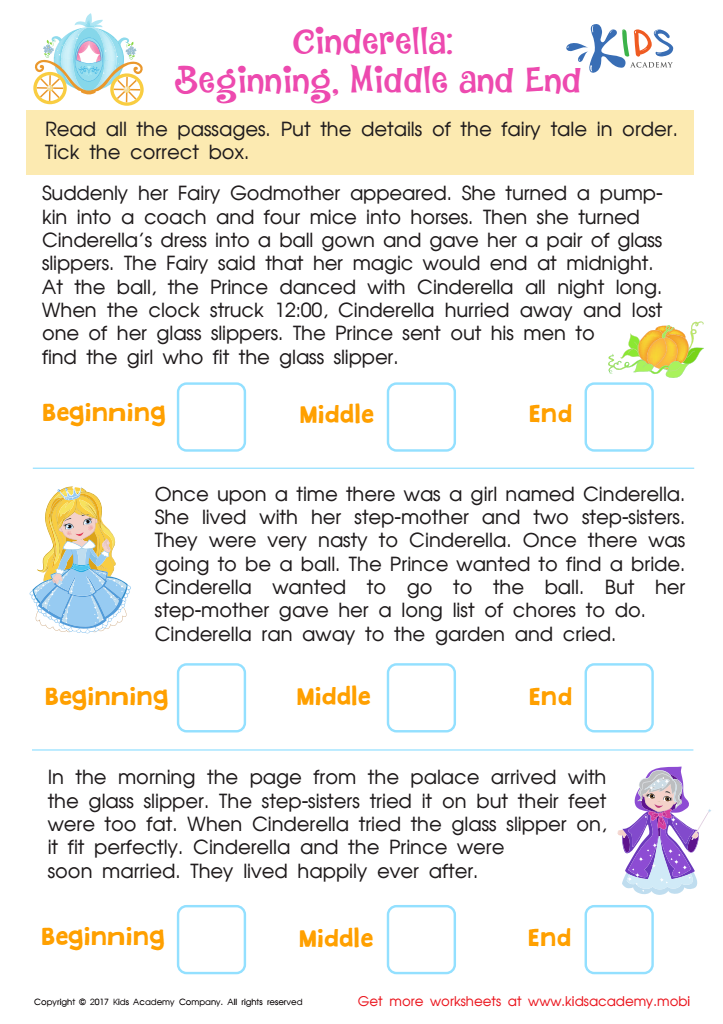
Cinderella: Beginning, Middle and End Worksheet
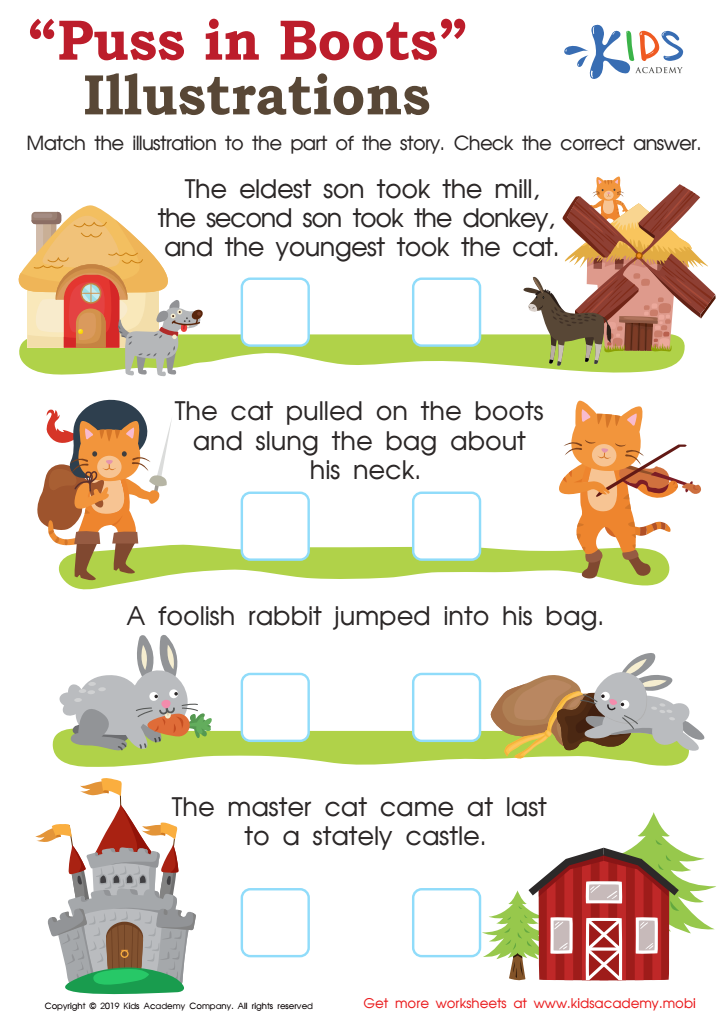
Puss in Boots Illustrations Worksheet
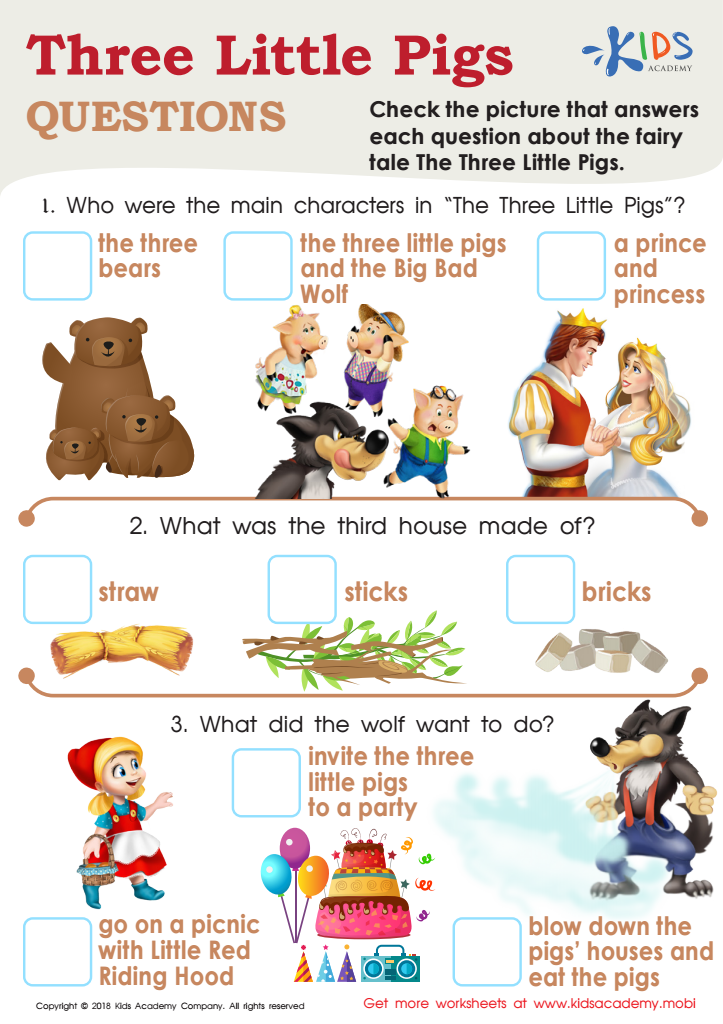
Three Little Pigs Questions Worksheet
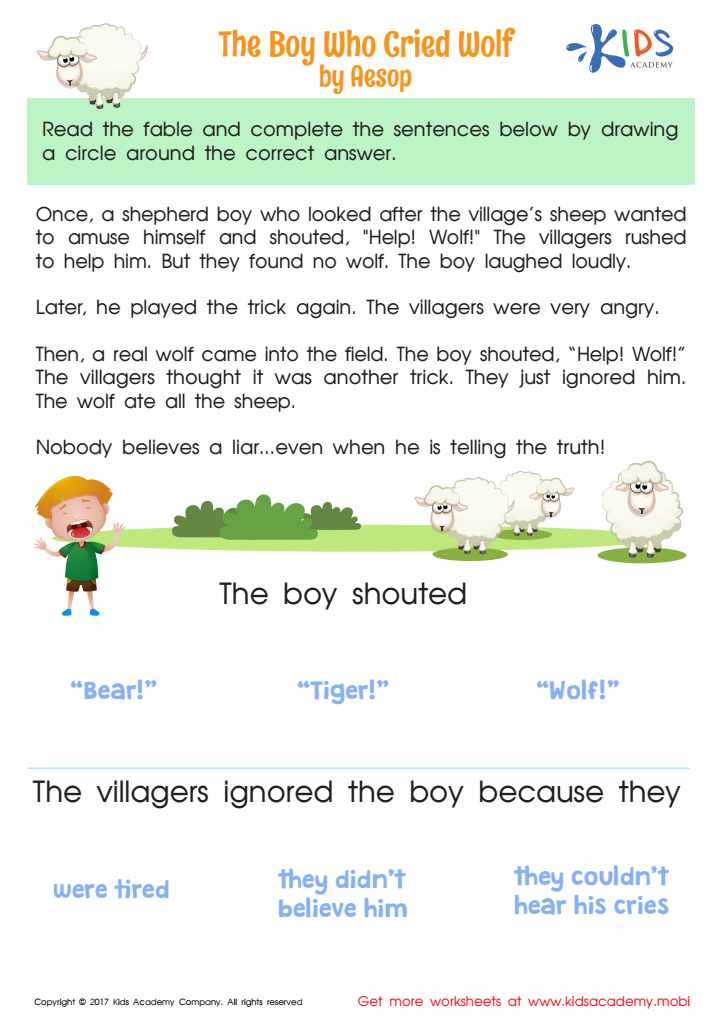
The Boy Who Cried Wolf Worksheet
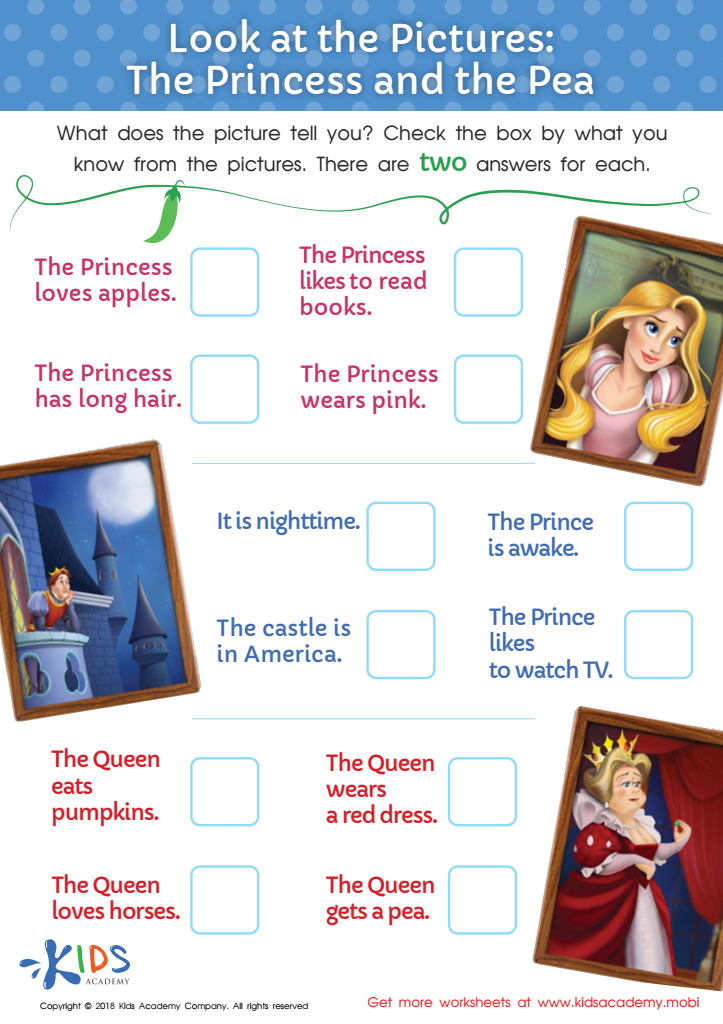
Look at the Pictures: The Princess and the Pea Worksheet
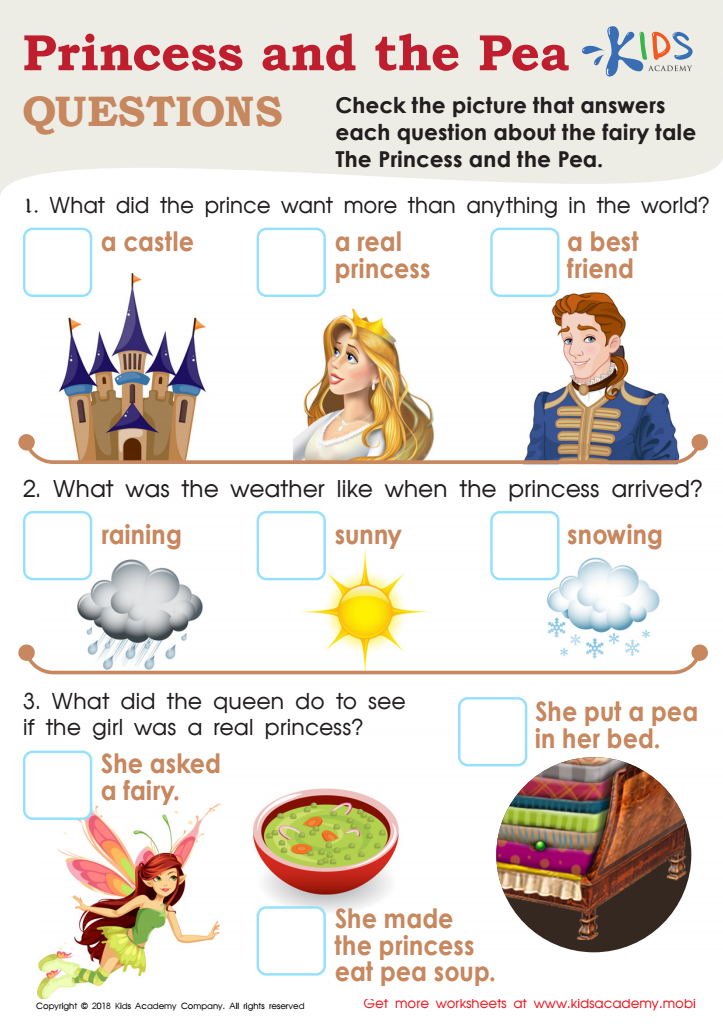
Princess and the Pea Questions Worksheet








Story sequencing is a fundamental aspect of normal reading comprehension that is crucial for children ages 3-7. It involves the ability to understand and retell the order of events in a story. Parents and teachers should prioritize this skill because it enhances a child's cognitive development, particularly in organizing thoughts and improving memory. By grasping the sequence of events, children are better able to comprehend the overall narrative.
Furthermore, story sequencing aids in the development of language and vocabulary. When children learn to recount stories in order, they naturally improve their ability to form accurate sentences and use descriptive language. This foundational skill also paves the way for more advanced literacy skills, such as making predictions, understanding cause and effect, and drawing inferences.
Moreover, story sequencing is instrumental in nurturing critical thinking and problem-solving abilities. Children learn to distinguish between the beginning, middle, and end of stories, which helps them in structuring their own thoughts and experiences logically. Enhanced comprehension through story sequencing also fosters a love for reading and learning, giving children a solid base for continued educational success.
Therefore, both parents and teachers should embrace story sequencing activities, such as reading aloud, using storyboards, and engaging in discussion, to support children's holistic development and effective reading comprehension skills.








