Counting practice Normal Science Worksheets for Ages 3-7
3 filtered results
-
From - To
Enhance your child's learning with our Counting Practice Normal Science Worksheets tailored for ages 3-7! Designed to stimulate young minds, these engaging worksheets help kids develop crucial counting skills while exploring basic science concepts. Perfect for classroom and at-home activities, each worksheet is colorful and engaging, making learning fun and accessible. From identifying numbers to simple addition, these printable worksheets provide a solid foundation in essential math and science skills. Encourage early learners to thrive academically and ignite their curiosity with our expertly crafted activities. Download now and watch your child's confidence and knowledge grow exponentially!
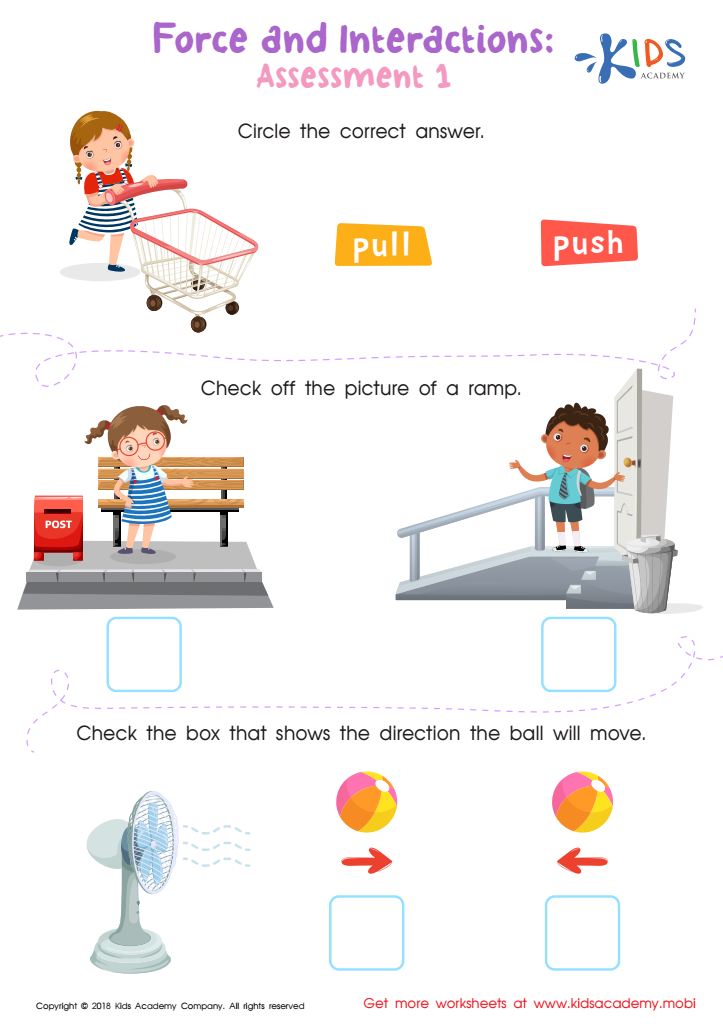
Force and Interactions: Assessment 1 Worksheet
 Assign to My Students
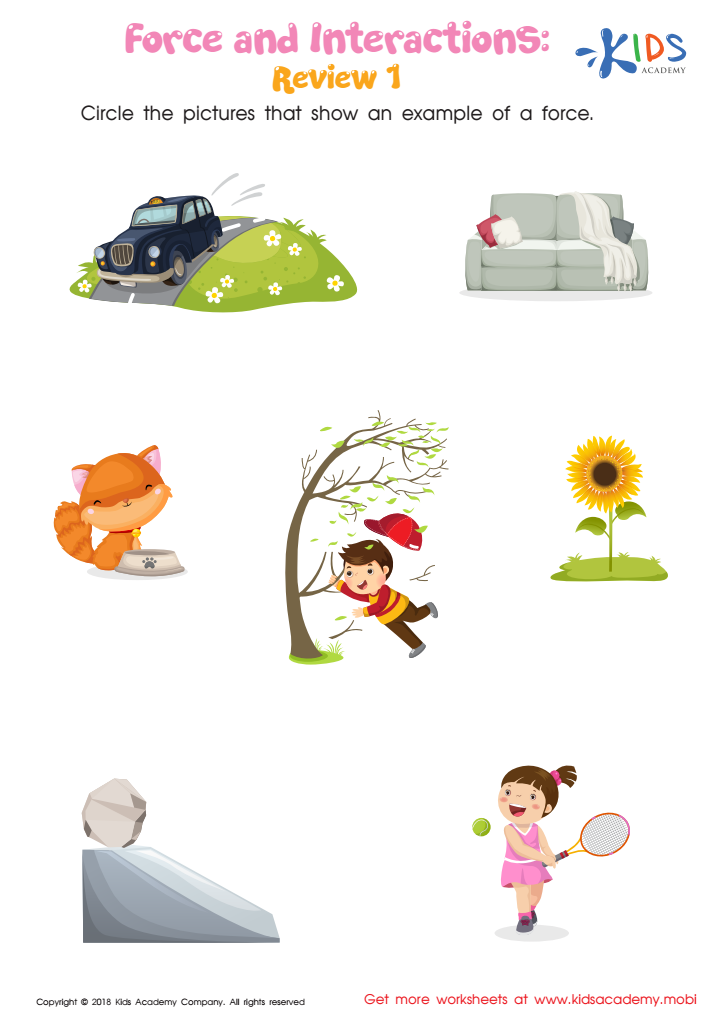
Force and Interactions: Review 1 Worksheet
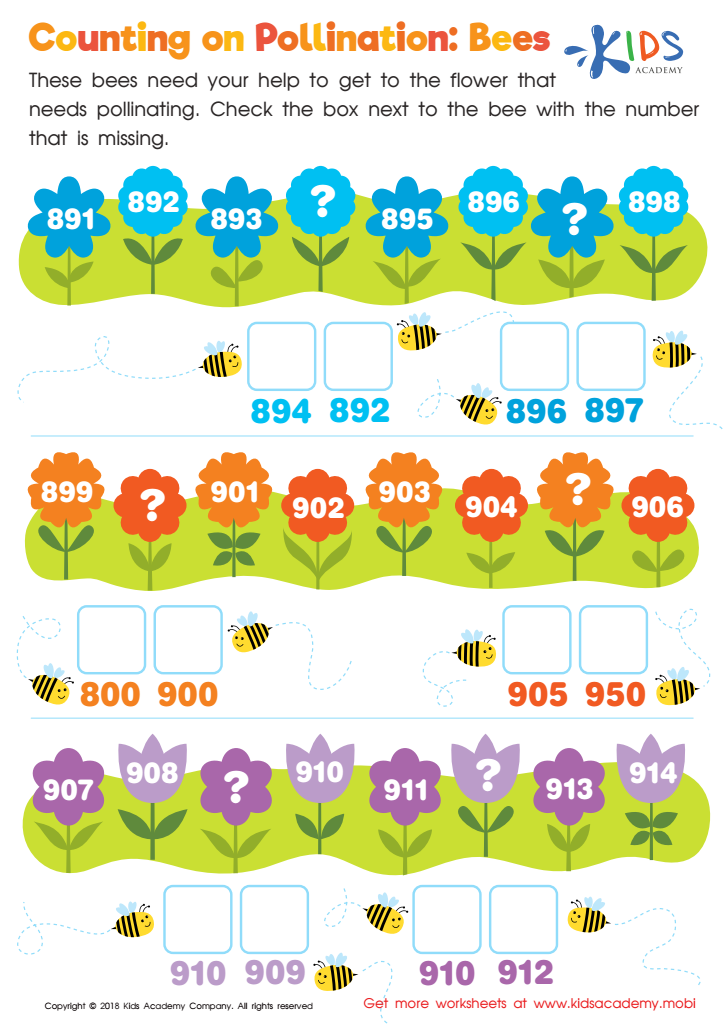
Counting on Pollination: Bees Worksheet








Counting practice is a cornerstone of early mathematics education, and establishing a strong foundation in counting skills for children aged 3-7 is crucial for several reasons. Firstly, counting is the gateway to arithmetic, enabling children to grasp more advanced concepts such as addition, subtraction, and number sense. Practicing counting enhances cognitive development by strengthening memory, problem-solving, and logical reasoning skills. Additionally, counting teaches the principles of sequence and order, which translate to better organizational abilities in other learning areas.
Parents and teachers who prioritize counting practice also foster a positive attitude toward math from an early age. This is critical because attitudes towards learning formed in the early years can impact academic success and confidence in the future. Engaging activities like counting songs, interactive games, and hands-on materials make math fun and relevant, sparking curiosity and sustaining interest.
Finally, counting practice contributes to overall educational development. It supports fine motor skills through activities like counting objects, and encourages language development as children learn number names and associated vocabulary. Investing time and effort into counting practice ensures children do not just meet but exceed foundational milestones, setting them on a promising path for lifelong learning.







