Enhancing categorization skills Normal Science Worksheets for Ages 3-7
3 filtered results
-
From - To
Enhancing Categorization Skills Normal Science Worksheets for Ages 3-7 are designed to strengthen young learners' ability to identify, classify, and organize information effectively. Ideal for early grade children, these printable worksheets provide engaging and educational exercises focusing on basic scientific concepts. By sorting objects, recognizing patterns, and grouping items, kids enhance critical thinking and problem-solving skills. Carefully crafted activities encourage curiosity and foster a love for science, making learning both fun and meaningful. With these resources, parents and teachers can support children's cognitive development while laying a strong foundation for future scientific exploration. Explore now and watch young minds thrive.
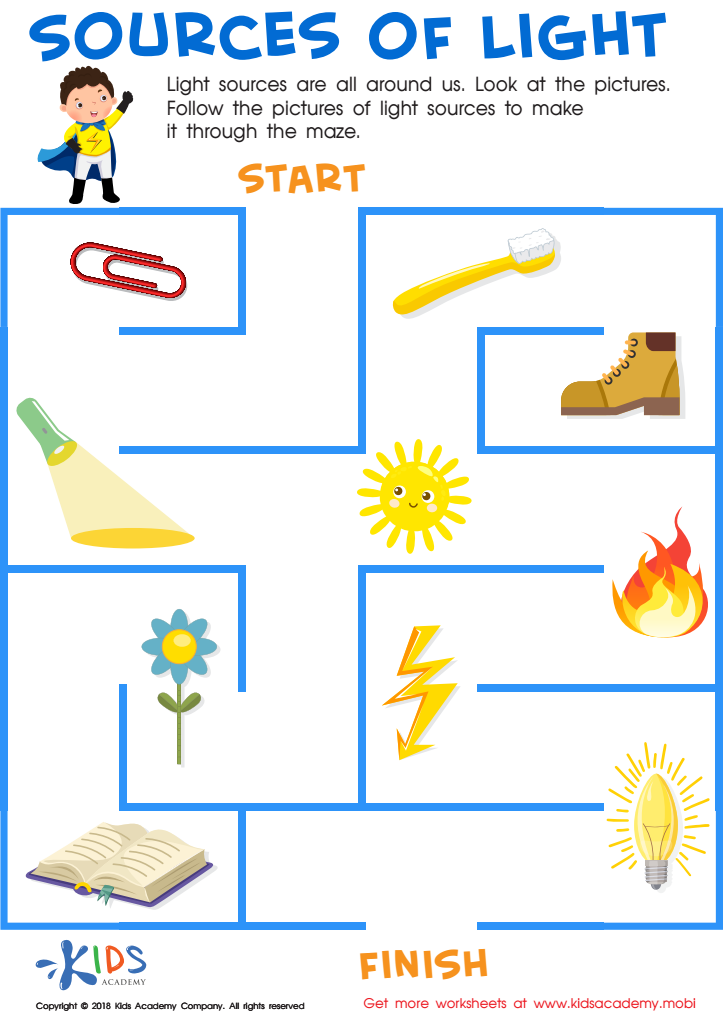
Sources of Light Worksheet
 Assign to My Students
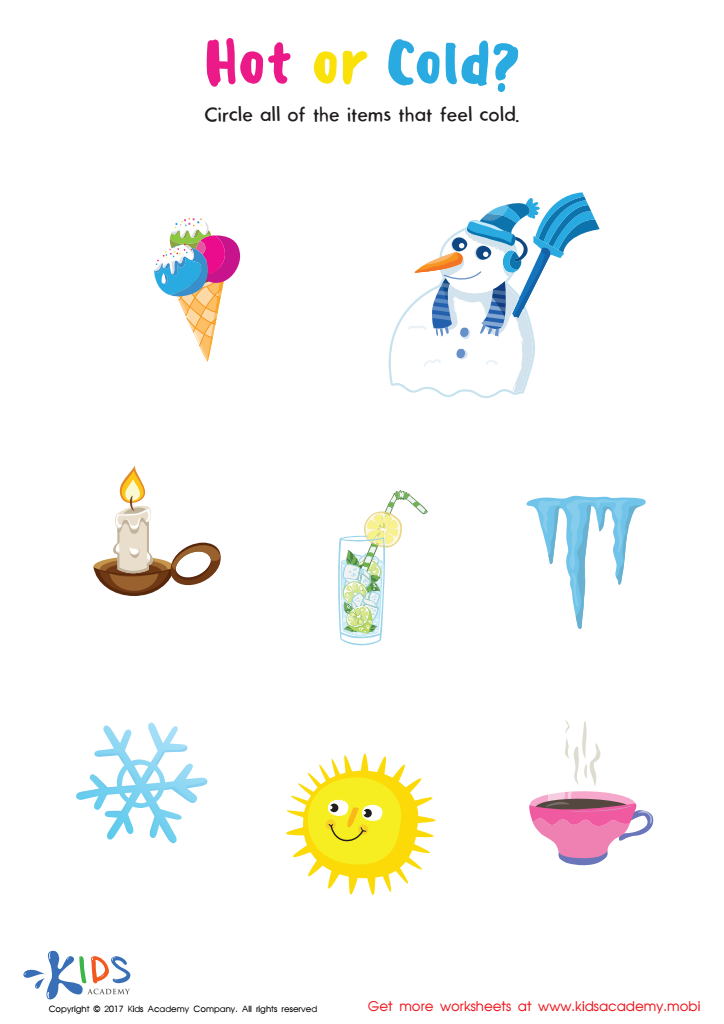
Hot or Cold Printable
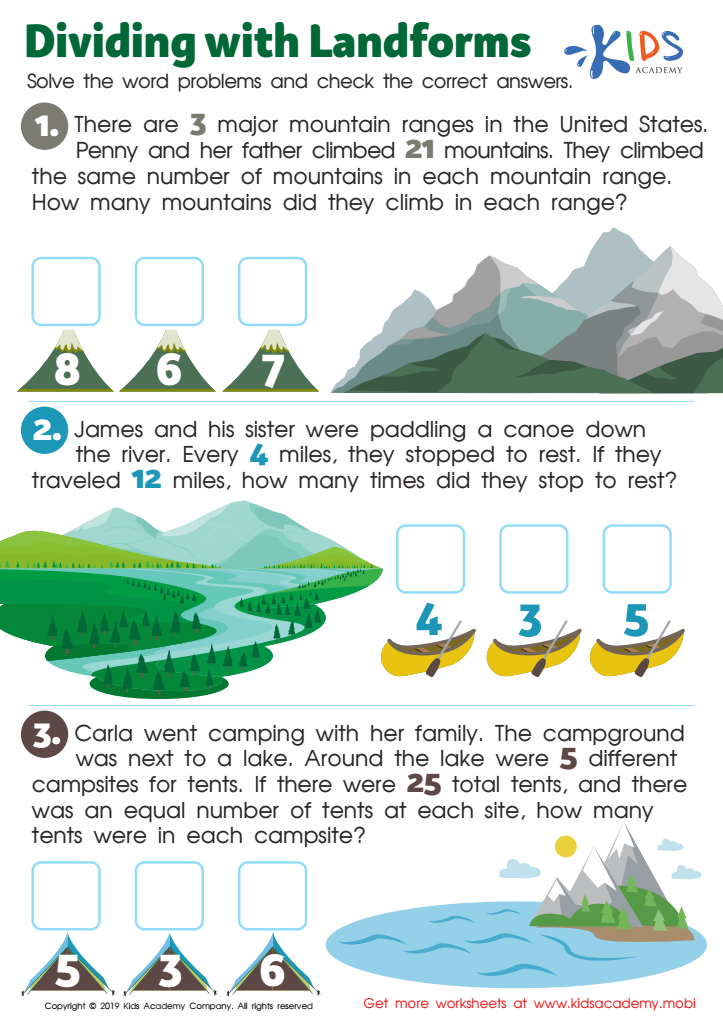
Dividing with Landforms


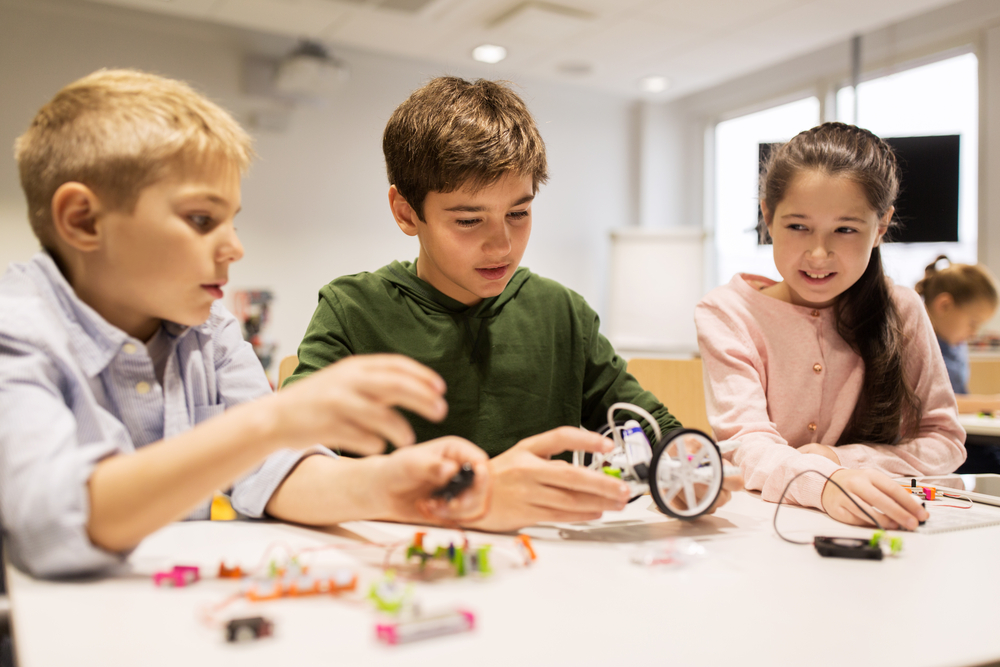




Enhancing categorization skills in young children, ages 3-7, is vital for several reasons that significantly impact their cognitive development and future learning abilities. Firstly, categorization forms the foundation of organized thinking. By learning to group objects, ideas, or information into categories, children develop an inherent understanding of how the world operates, promoting logical thinking and comprehension.
Secondly, these skills facilitate language development. As children categorize objects and experiences, they expand their vocabulary and learn new concepts and relationships. This, in turn, improves their communication skills as they learn to describe and differentiate various categories accurately.
Academically, strong categorization skills enhance early math and science learning. For example, when children categorize objects by size, shape, or color, they grasp the basics of classification and sorting, which are essential skills in both math and science. These activities help them to recognize patterns, make predictions, and understand cause-and-effect relationships.
Socially and emotionally, categorization aids children in better understanding and interpreting their surroundings and the people within it. By recognizing and grouping similar social cues and emotional expressions, children become more adept at navigating social interactions and building empathetic relationships.
Overall, fostering categorization skills equips children with essential cognitive tools, aids in holistic development, and sets a strong foundation for lifelong learning and adaptability.







