Understanding habitats Normal Science Worksheets for Ages 3-7
4 filtered results
-
From - To
Discover the fascinating world of animal habitats with our "Understanding Habitats" science worksheets, designed for ages 3-7. These engaging worksheets introduce young learners to different environments, teaching them how animals adapt and thrive in their unique homes. Each activity is specially crafted to spark curiosity and encourage exploration, ensuring a fun and educational experience. From forests to oceans, your child will learn about diverse habitats and the creatures that inhabit them. Ideal for early learners, these worksheets support foundational science skills while fostering a love for nature and the environment. Dive into the adventure today!
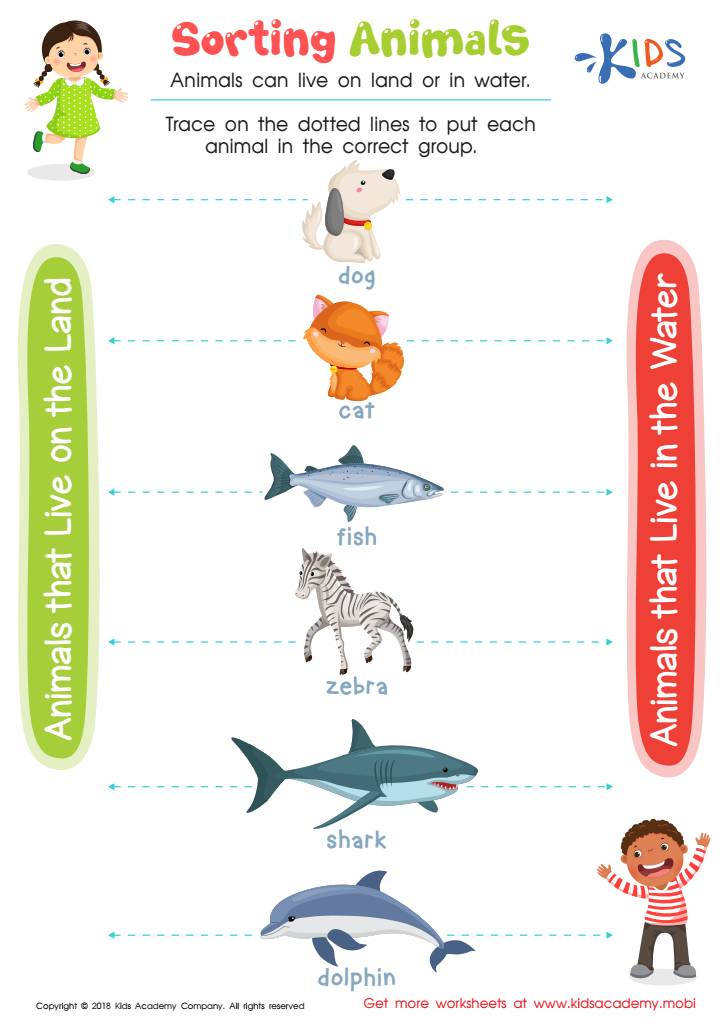
Sorting Animals Worksheet
 Assign to My Students
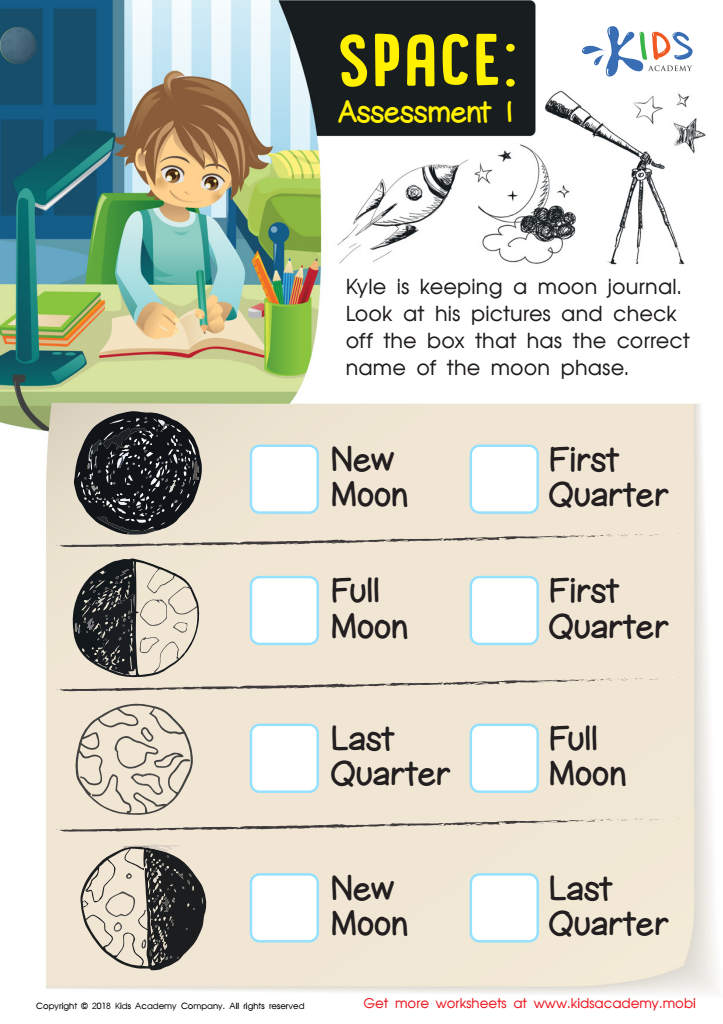
Space: Assessment 1 Worksheet
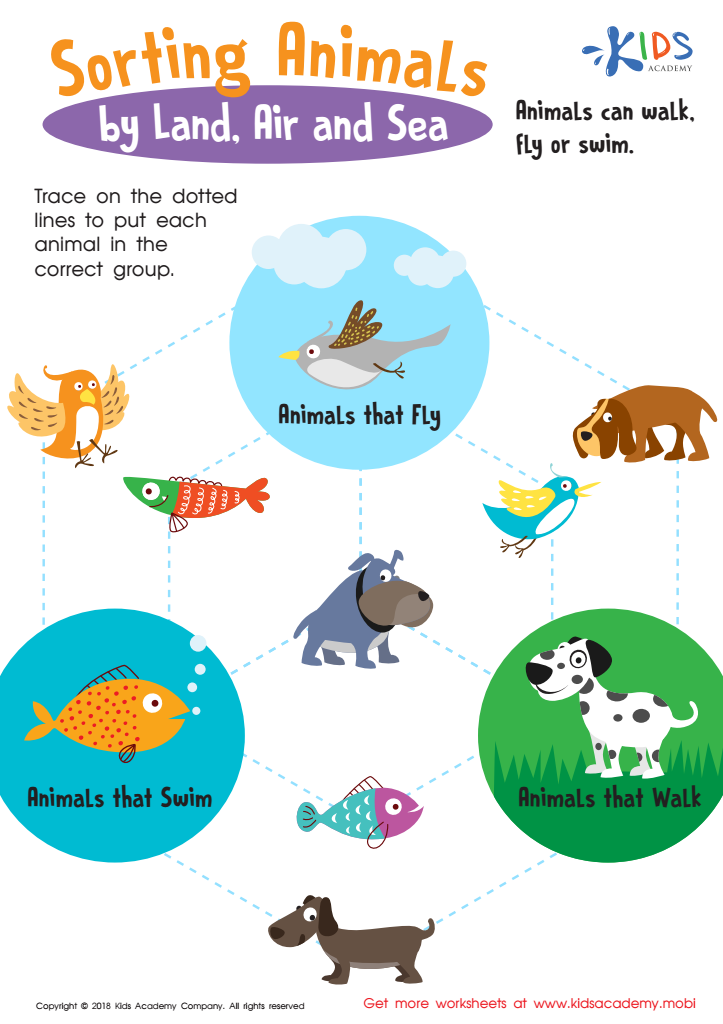
Sorting Animals by Land, Air and Sea Worksheet
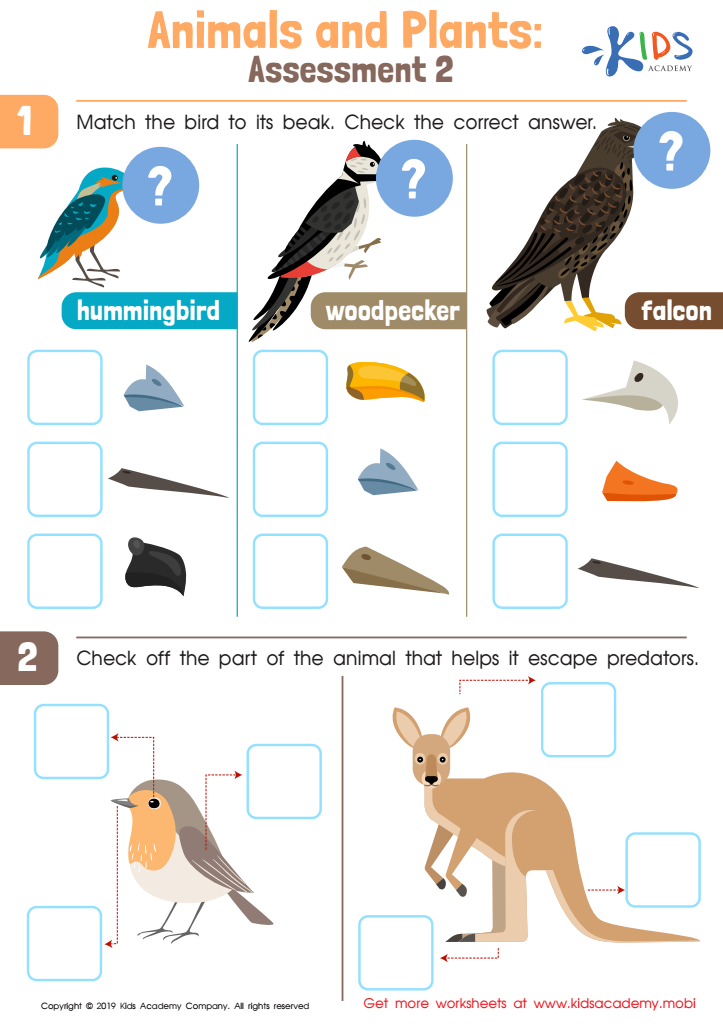
Animals and Plants: Assessment 2 Worksheet







Understanding habitats forms a cornerstone for young children's education because it lays the foundation for lifelong learning and appreciation of the natural world. For children aged 3-7, whose brains are highly receptive and inquisitive, gaining insight into different habitats helps them grasp basic concepts about diversity, adaptation, and coexistence. This early exposure ignites curiosity and fosters a sense of wonder, essential for developing critical thinking and observational skills.
From an educational perspective, learning about habitats is crucial for integrated development. It enhances vocabulary by introducing terms like "forest," "ocean," and "desert," and concepts such as food chains, climate, and ecosystems. Children also improve their cognitive skills through comparisons, categorization, and hands-on activities that bolster understanding.
Indeed, the recognition of various habitats forms a first step towards environmental stewardship. Teaching children about frogs in ponds or monkeys in rainforests instills a sense of responsibility to protect these creatures and their homes. Learning these foundational science concepts also promotes empathy and respect for life in all its forms.
Parents and teachers should care about understanding habitats because it equips children with a comprehensive worldview, fostering emotional, intellectual, and social growth. In the big picture, these lessons are seeds planted today, blossoming into informed, conscientious adults capable of making balanced, nature-friendly decisions.







