Understanding history Normal Social Studies Worksheets for Ages 3-7
3 filtered results
-
From - To
Welcome to our "Understanding History" section, designed for young learners aged 3-7! Our engaging social studies worksheets introduce children to the basics of history in a fun and accessible way. These resources help develop essential skills such as curiosity, sequencing, and comprehension of past events. With activities tailored to young minds, children will explore historical figures, timelines, and the significance of past events that have shaped our world. Each worksheet is crafted to spark interest and encourage discussions about where we come from. Perfect for preschool and early elementary settings, these worksheets will make learning history an enjoyable journey!
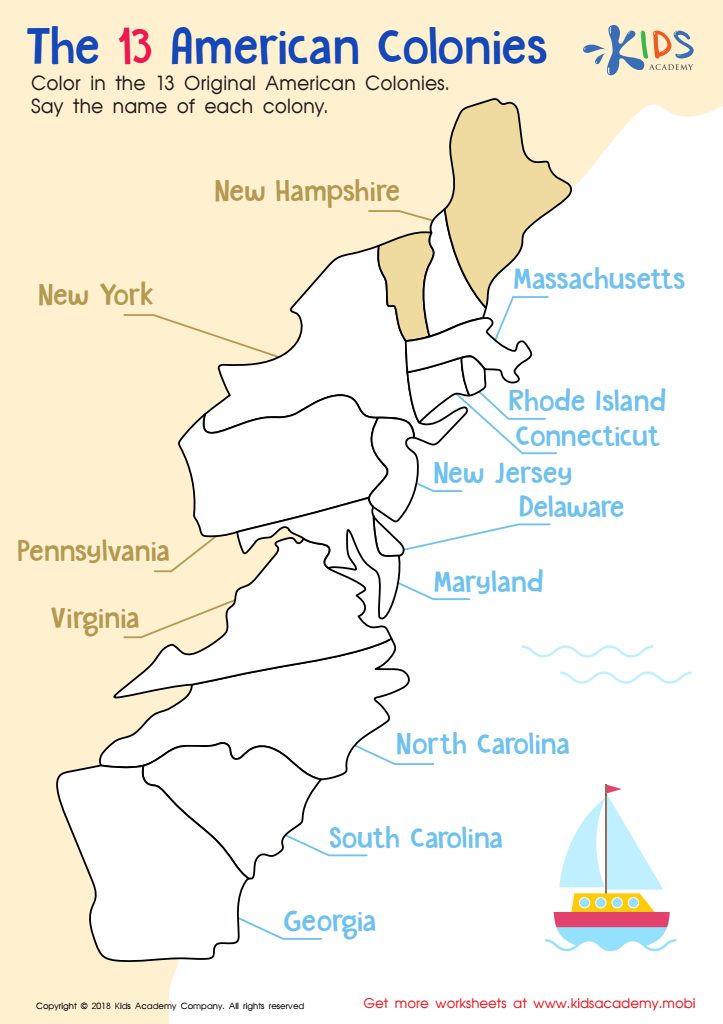
The 13 American Colonies Worksheet
 Assign to My Students
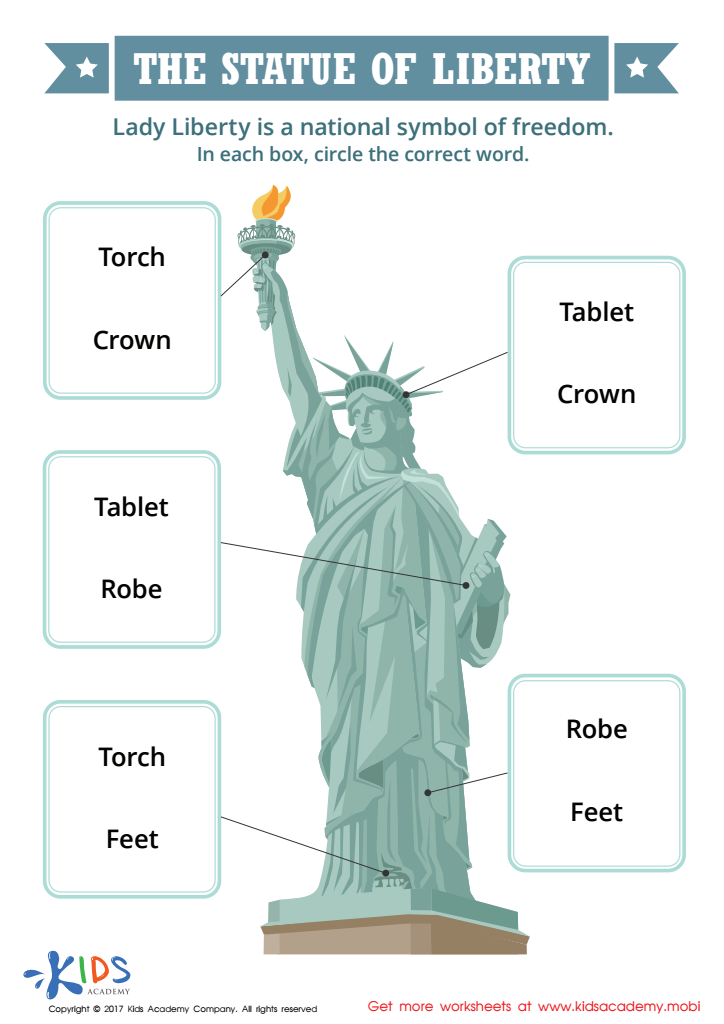
The Statue of Liberty Printable
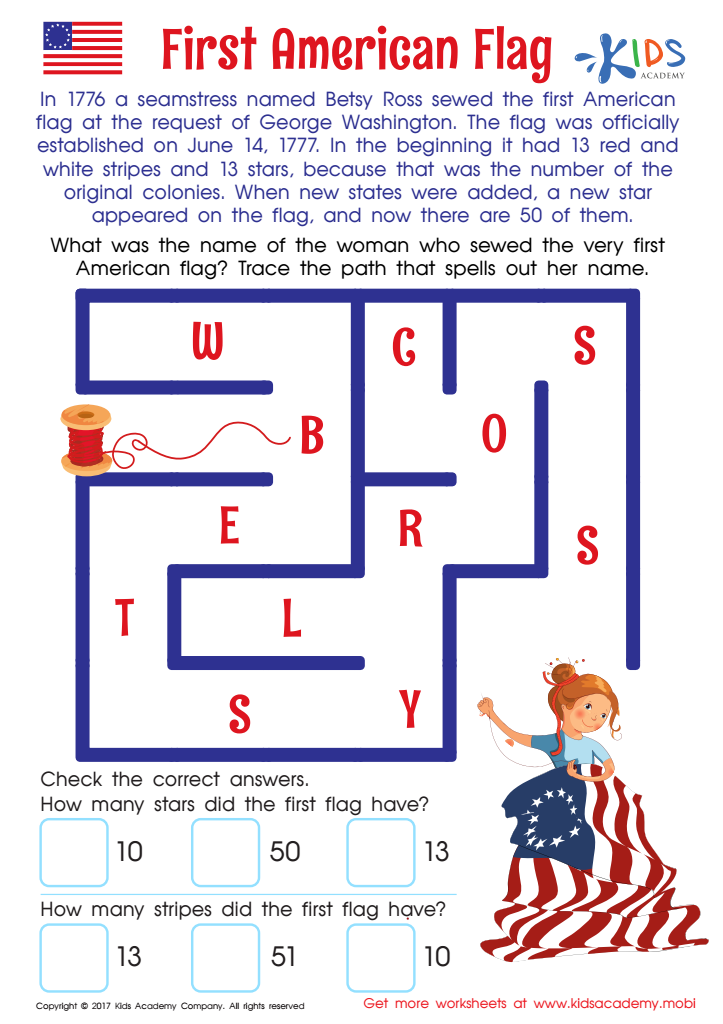
First American Flag Worksheet







Understanding history and engaging in social studies for young children aged 3-7 is vital for several reasons. Firstly, it helps children develop a sense of identity and belonging. By learning about their own histories and the cultures around them, children can appreciate their heritage and understand diverse perspectives, fostering empathy and social awareness.
Secondly, introducing basic historical concepts encourages critical thinking. Kids begin to ask questions about the past, such as “why things are the way they are” and “how communities evolve.” This nurtures their curiosity and cognitive skills. Additionally, social studies promote essential values like respect and cooperation, which are crucial for social development.
Moreover, these early lessons can build a foundation for literacy and numeracy. Stories from history provide context for language skills, enhancing vocabulary and comprehension while also introducing math concepts like timelines and sequences.
Finally, investing in social studies education enriches children’s emotional intelligence. Understanding historical events and social structures can help them navigate their own interactions and handle conflicts. In nurturing empathetic, informed individuals, parents and teachers shape not only future learners but responsible citizens who contribute positively to society.