Normal Physical Science Worksheets for Ages 3-7
3 filtered results
-
From - To
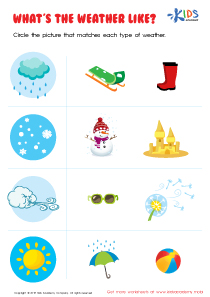
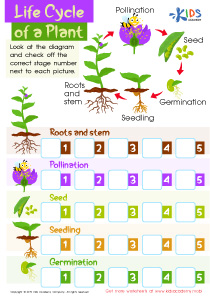
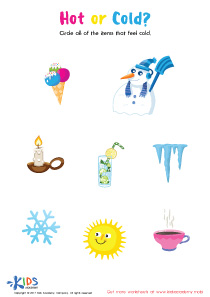
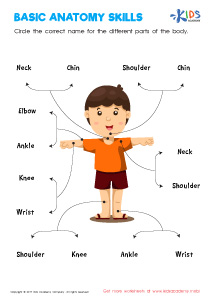
Discover our engaging Normal Physical Science Worksheets tailored for children aged 3-7! These interactive resources encourage young learners to explore the wonders of the world around them through fun activities and exercises. Each worksheet is designed to spark curiosity and build foundational knowledge in physical science concepts. Topics include simple machines, matter, forces, and energy, helping children understand how things work in their everyday lives. With colorful illustrations and age-appropriate language, these worksheets foster a love for science while promoting cognitive development. Perfect for home or classroom use, our worksheets ensure learning is both educational and enjoyable!
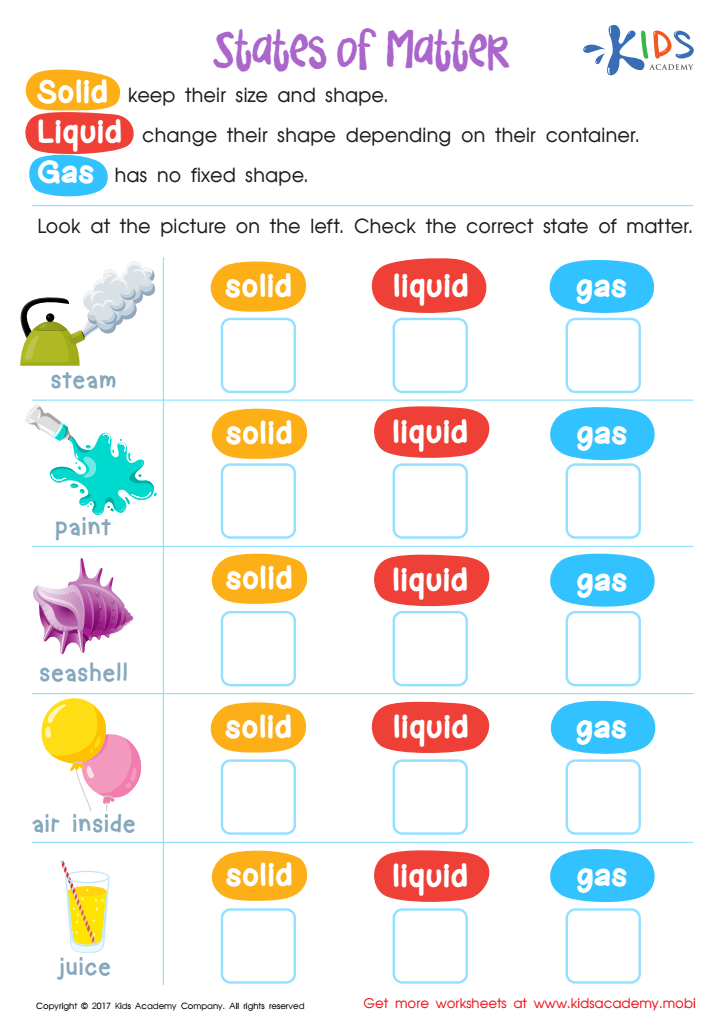
Physical Science: States of Matter Worksheet
 Assign to My Students
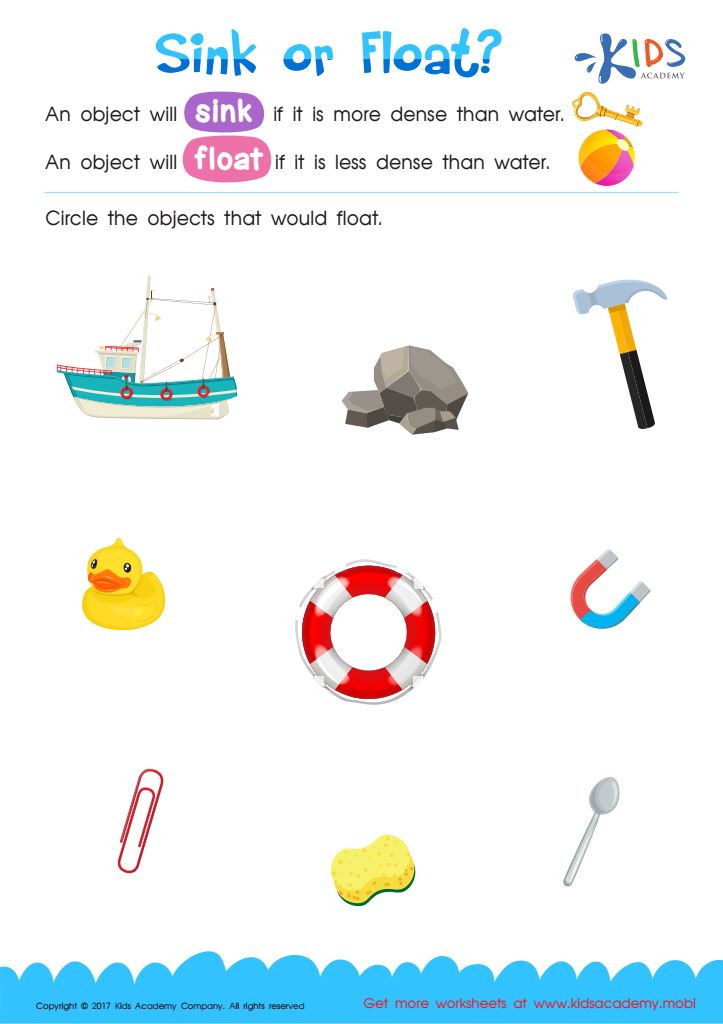
Sink or Float Printable
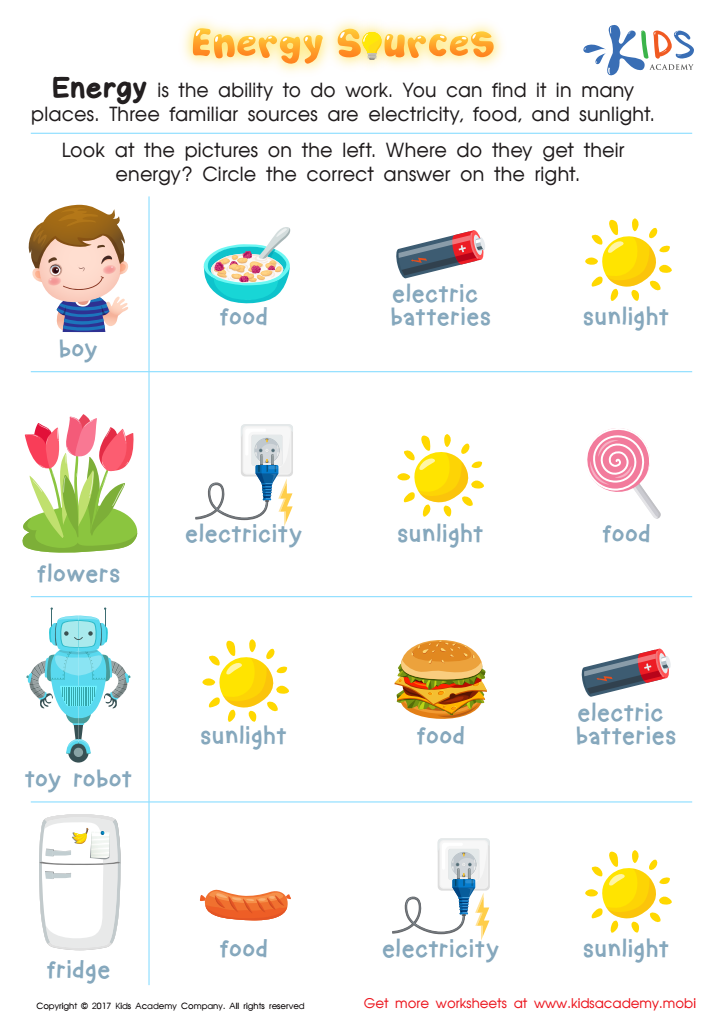
Energy Sources Printable








Normal Physical Science for Ages 3-7 is vital for early development as it lays the foundation for children's understanding of the world around them. At this age, children are naturally curious, eager to explore their environment, and ready to ask questions about how things work. Introducing them to basic concepts of physics and science fosters this curiosity and encourages critical thinking.
Engaging in physical science activities helps children develop vital skills such as observation, experimentation, and reasoning. These skills not only promote cognitive development but also improve problem-solving abilities that are crucial in everyday life. Furthermore, hands-on experiments enhance motor skills and creativity, keeping children actively engaged and learning through play.
Parents and teachers play a crucial role by integrating physical science concepts into daily activities, encouraging scientific exploration in a safe and nurturing environment. By doing so, they nurture a child’s innate potential, cultivate a lifelong interest in science, and equip them with the tools they need for future academic success.
Ultimately, recognizing the importance of Normal Physical Science during early childhood has significant implications for children's intellectual growth and fosters a lifelong love for learning, equipping them for future challenges in an increasingly complex world.