Normal Tracing Words Worksheets for Ages 3-7 - Page 2
34 filtered results
-
From - To
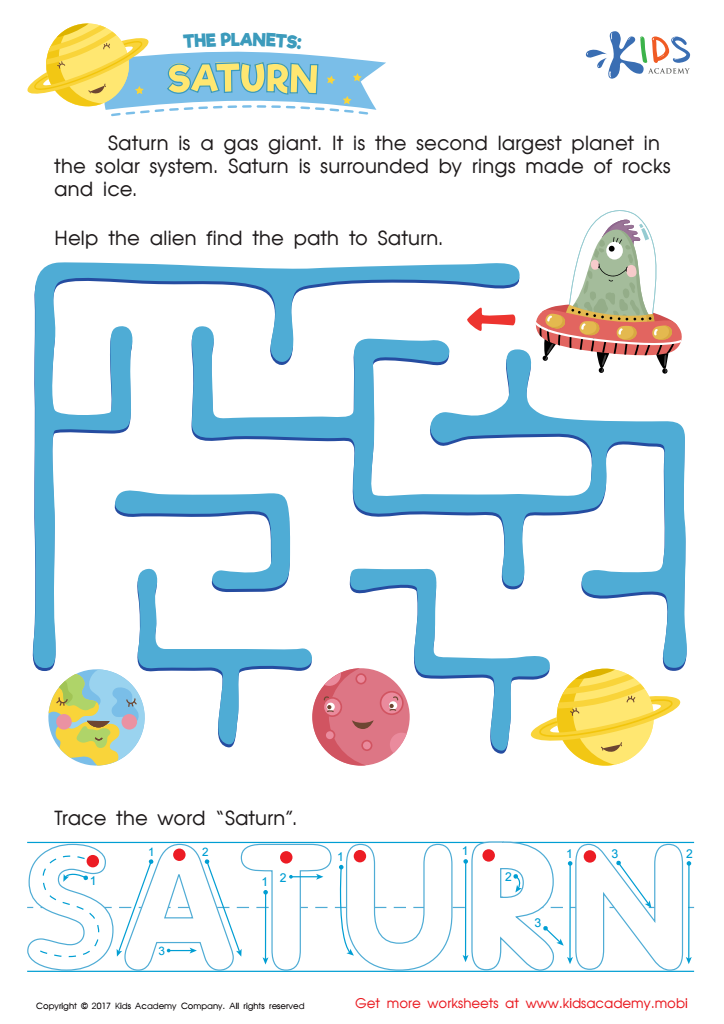
The Planets: Saturn Printable
 Assign to My Students
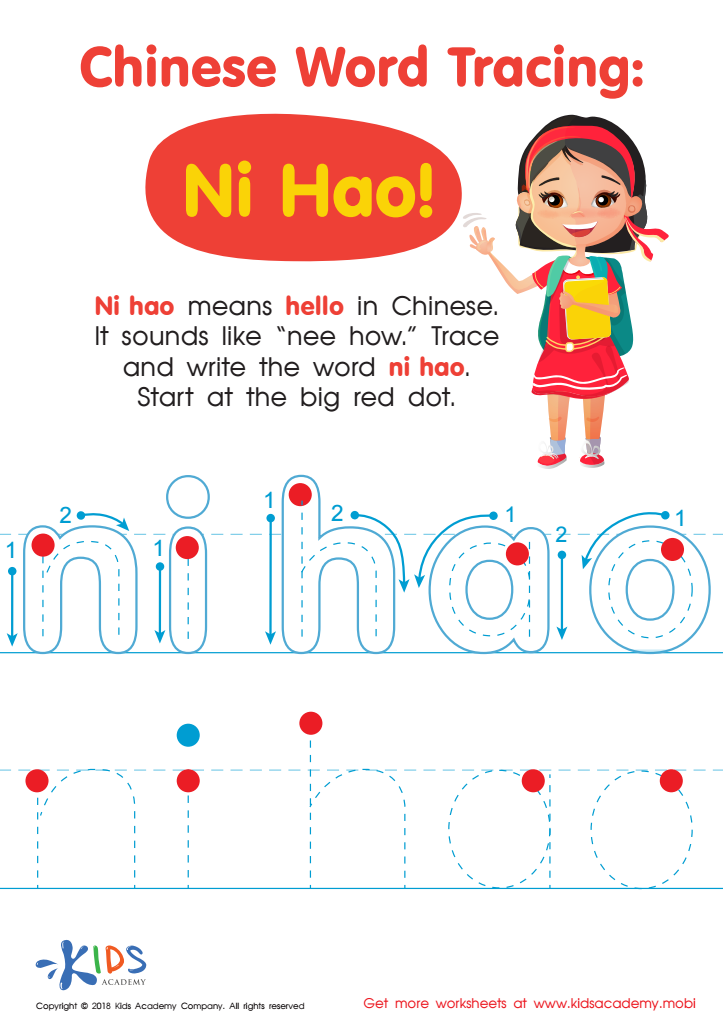
Chinese Word Tracing: Ni Hao Worksheet
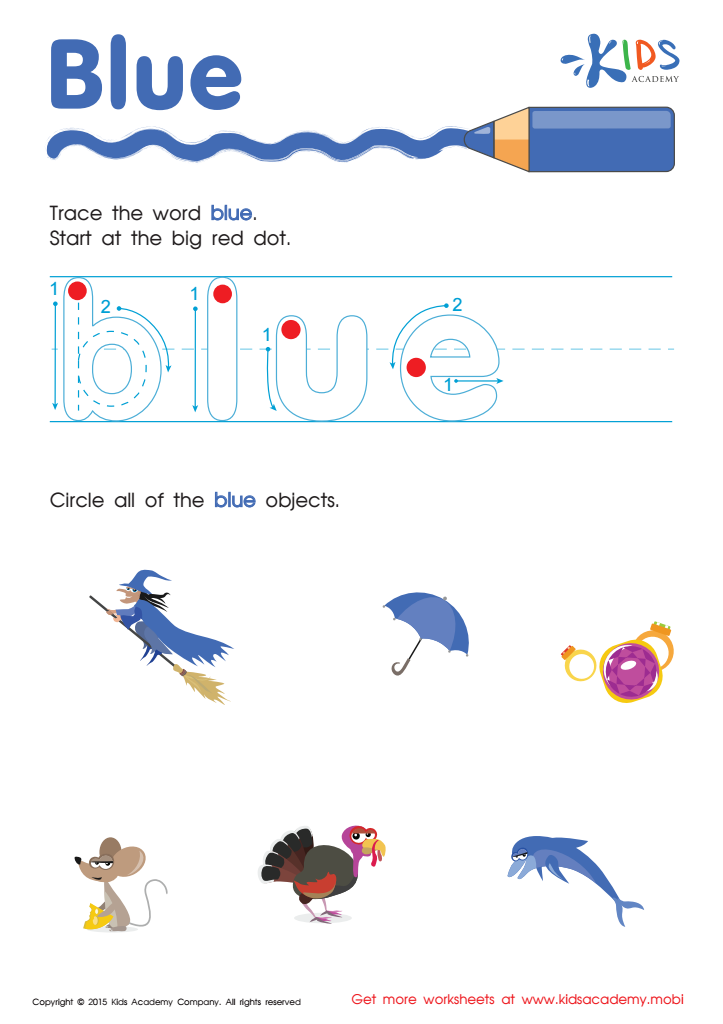
Blue Tracing Color Words Printable
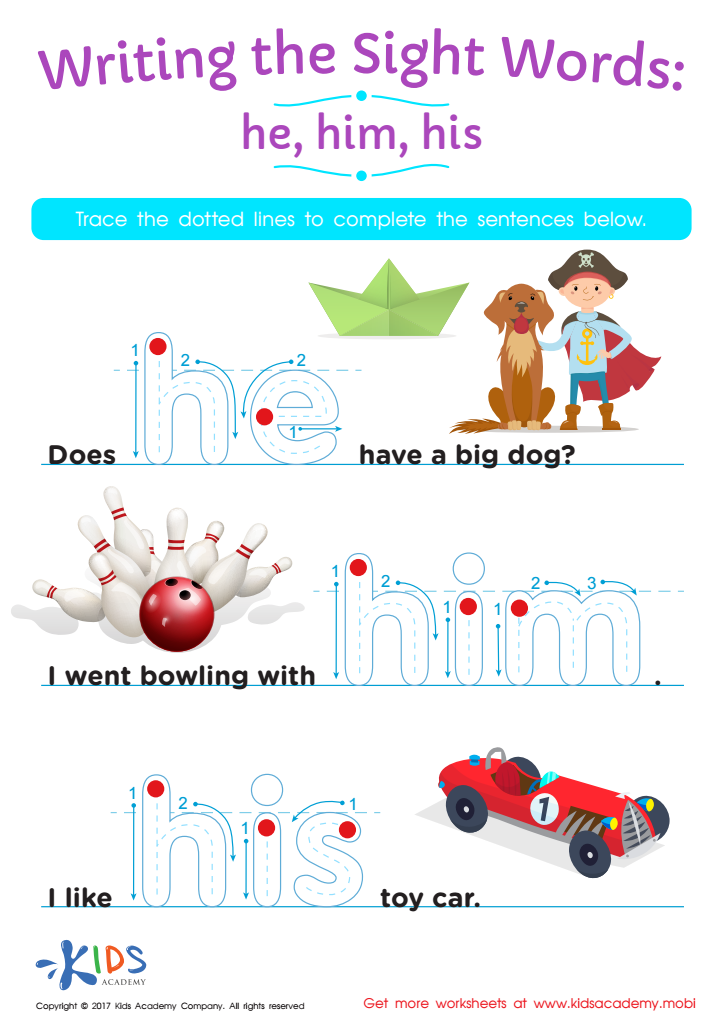
He, Him, His Printable Sight Words Worksheet
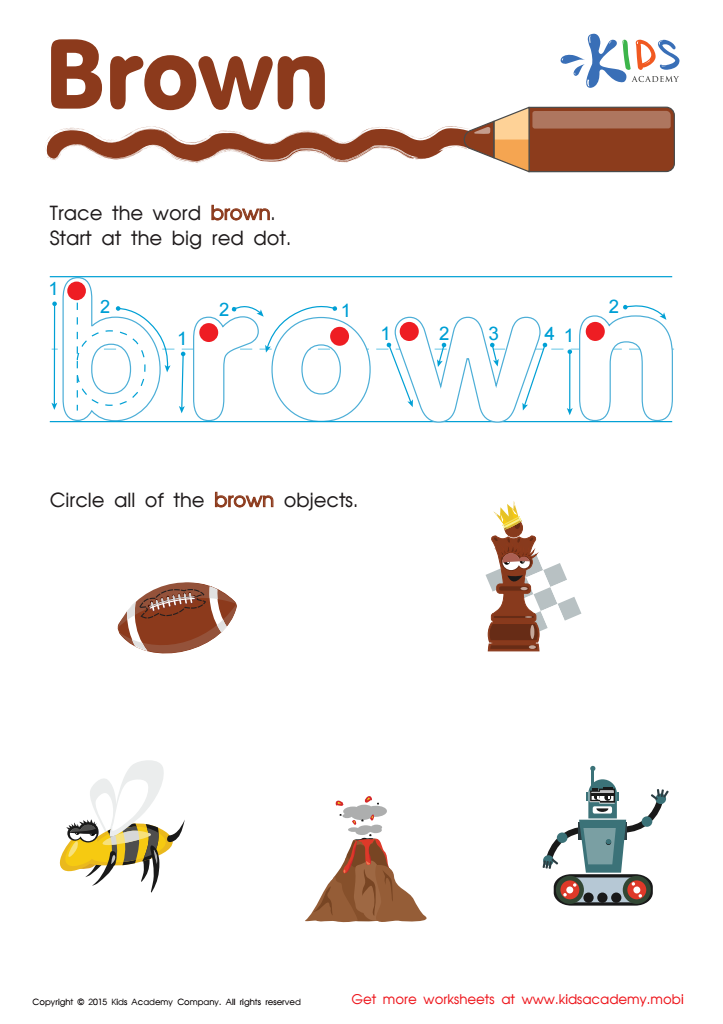
Brown Tracing Color Words Worksheet
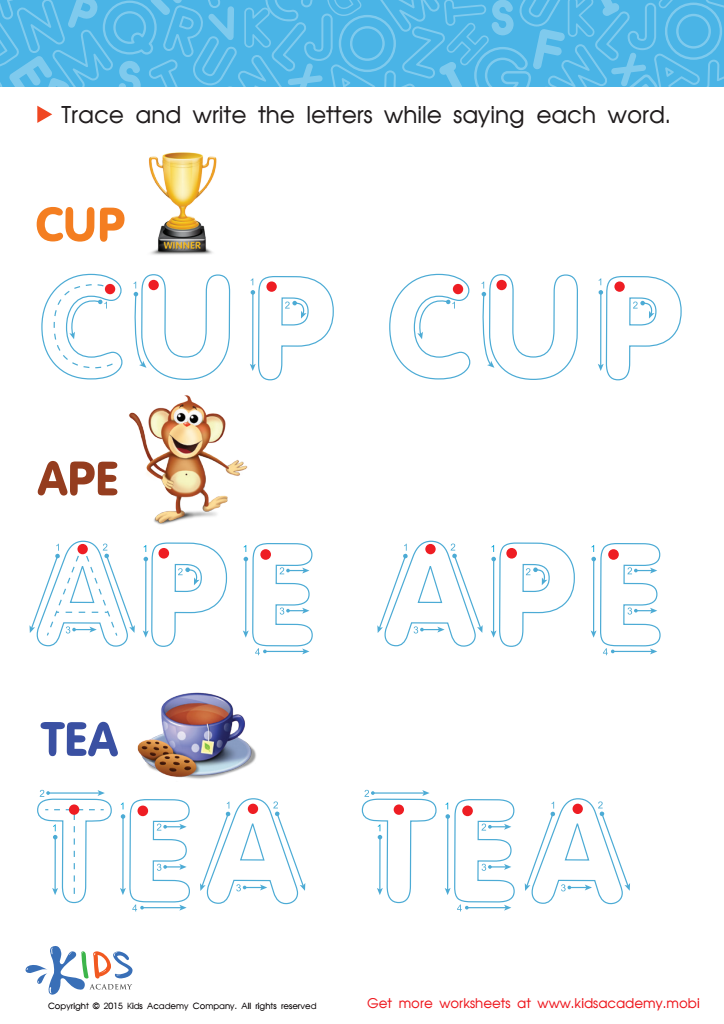
A Cup, an Ape and Tea Spelling Worksheet
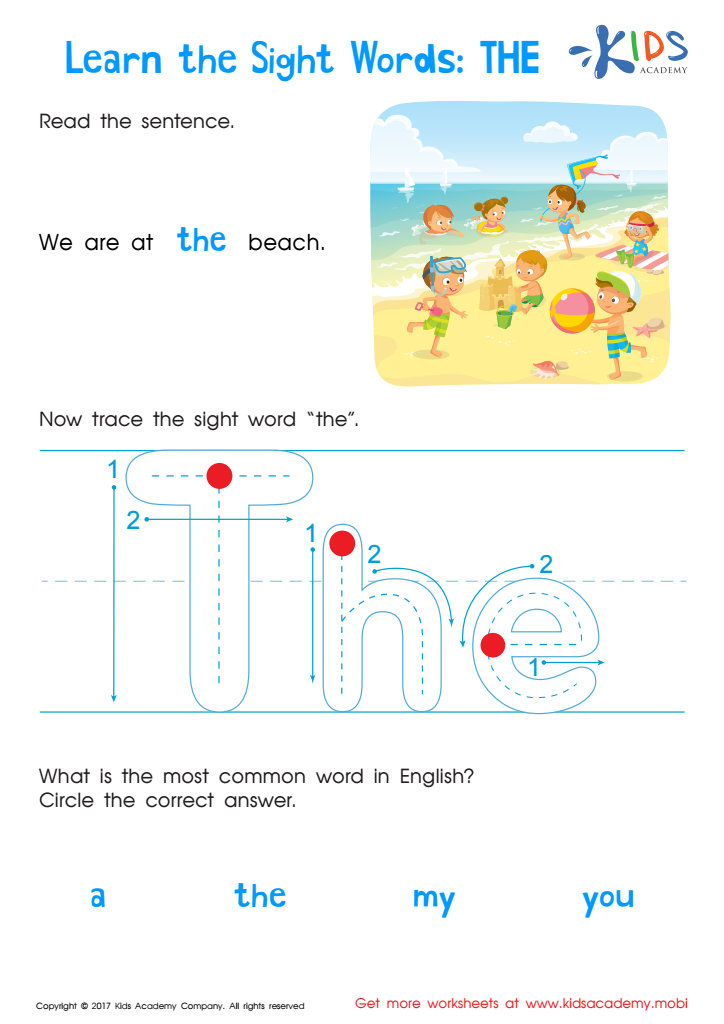
Sight Words: The Worksheet
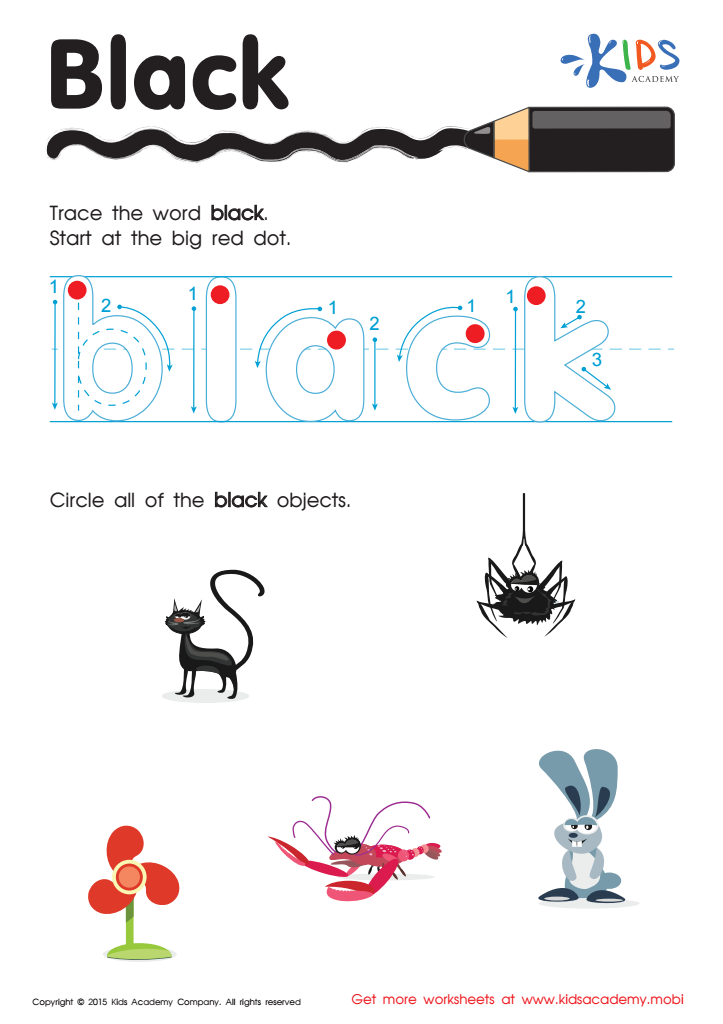
Black Tracing Color Words Printable
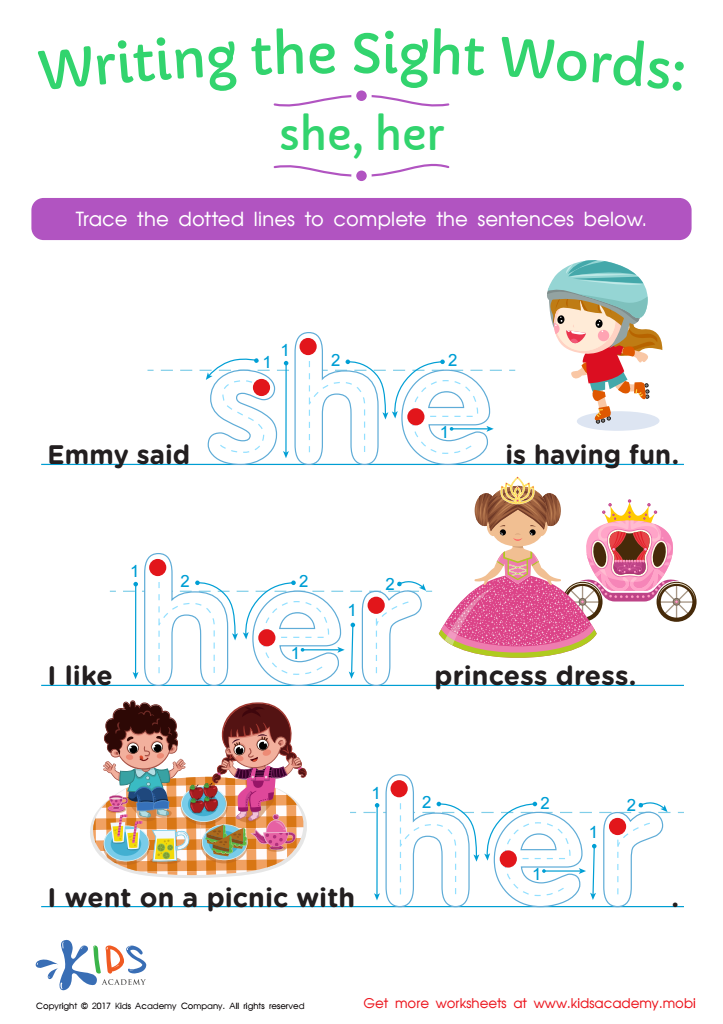
She, Her Printable Sight Words Worksheet
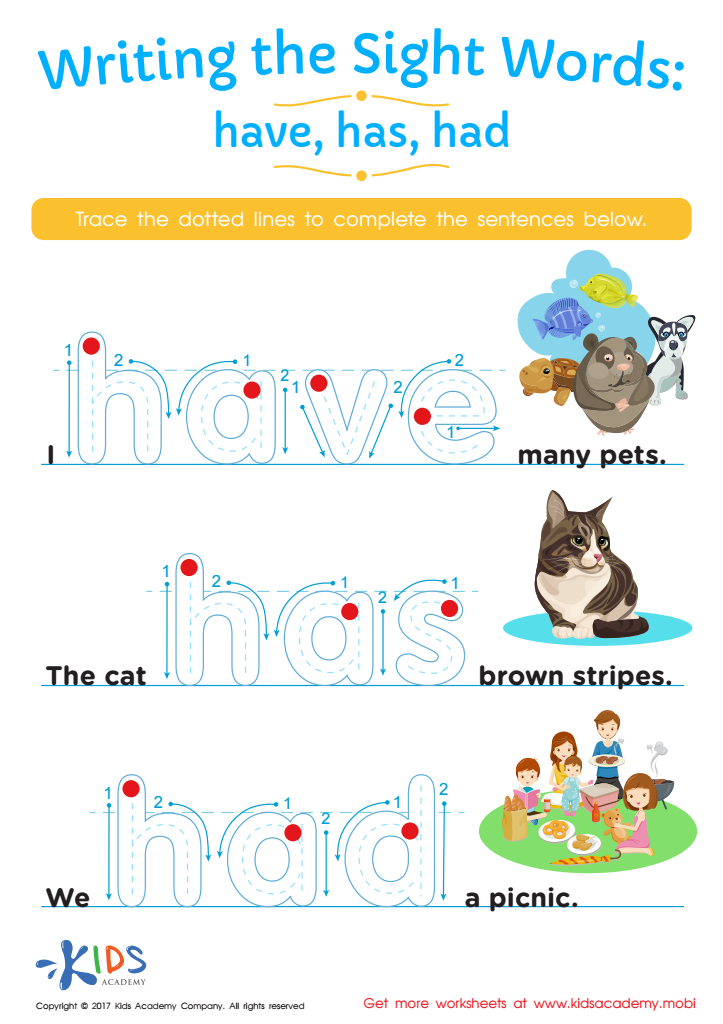
Have, Has, Had Worksheet Sight Words Worksheet








Normal tracing words are an essential tool for early literacy development in children aged 3-7. First and foremost, at this age, children are in critical stages of fine motor skills development, and pencil control is foundational. Tracing words facilitates hand-eye coordination and strengthens the muscles needed for writing independently. This practice also encourages proper letter formation, setting the stage for neat handwriting in the future.
Beyond motor skills, tracing words helps with cognitive development. It introduces young learners to the alphabet and phonics softly, gradually bridging the gap between recognizing letters and understanding them as the building blocks of words. This act strengthens memory through repetition, as children begin to internalize the shape and structure of various words.
Moreover, tracing exercises enhance attention to detail, patience, and concentration. These skills are pertinent not only to writing but also to numerous life tasks requiring focus. For teachers and parents, it is an intuitive way to engage children in educational activities, making learning seamless and enjoyable through interactive participation.
Investing time in tracing activities at this formative stage provides a dual benefit by laying solid academic foundations and fostering a love for learning. It aligns perfectly with educational strategies aimed at holistic child development, ensuring that both physical and cognitive abilities are nurtured harmoniously.