Normal Consonants Worksheets for Ages 3-8 - Page 2
26 filtered results
-
From - To
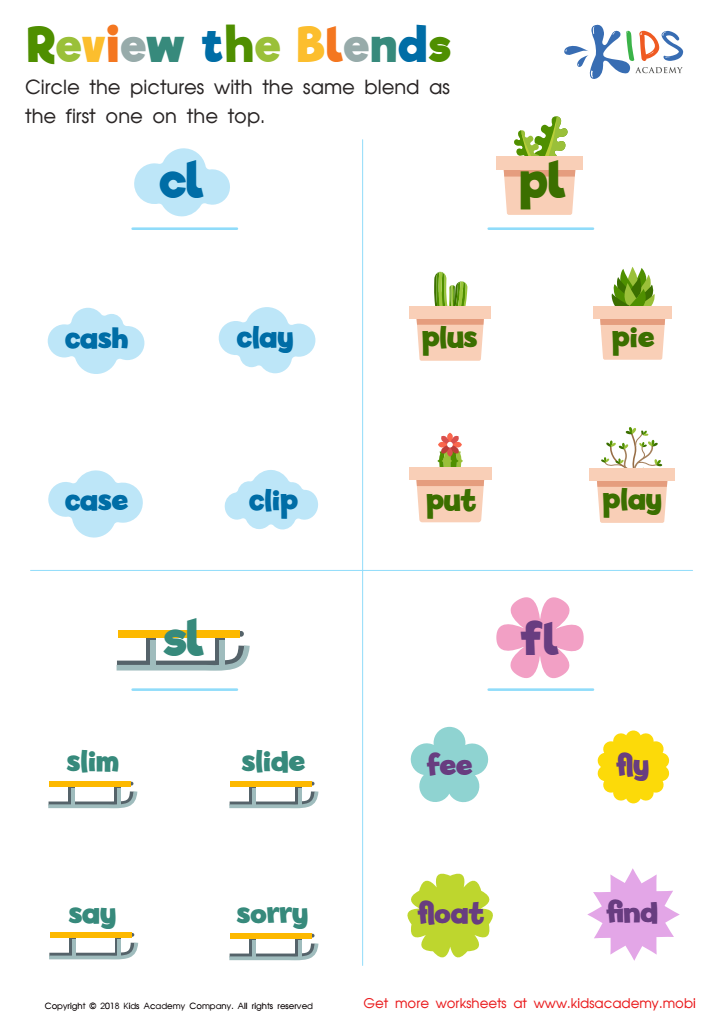
Review the Blends Worksheet
 Assign to My Students
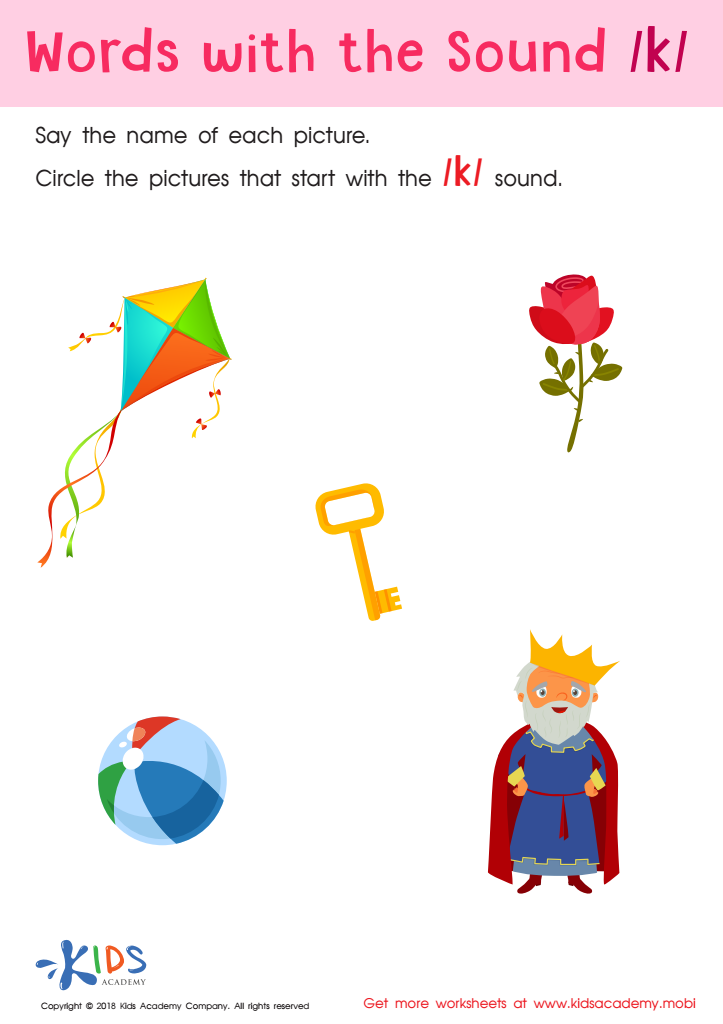
Words with sound k Reading Worksheet



Understanding normal consonant development for ages 3-8 is crucial for parents and teachers because it establishes a foundation for effective communication and literacy skills. During this formative period, children undergo critical stages of speech and language acquisition. Proficiency in producing speech sounds correctly influences their ability to form words, which is fundamental for clear communication.
Children naturally progress through specific milestones in their speech and language development. By the age of 3, they typically begin producing most consonant sounds, although some may still emerge in subsequent years. Recognizing these milestones allows adults to identify and support normal development or address potential speech and language disorders early on. Early intervention is key because difficulties in consonant production can impact overall language skills, reading ability, and academic performance.
Teachers and parents who are informed about normal consonant development can provide appropriate support, whether through engaging language-rich environments, through structured phonics and speech activities, or through consultations with speech-language pathologists when necessary. Attentive support in these early years fosters better articulation, crucial for both expressive and receptive language skills.
In conclusion, caring about normal consonant development for ages 3-8 ensures that children can communicate clearly, bolstering their confidence, academic success, and social interactions. By monitoring and supporting speech development, parents and teachers set the stage for all-around language proficiency.






