Normal Long Vowels Worksheets for Ages 3-8 - Page 2
30 filtered results
-
From - To
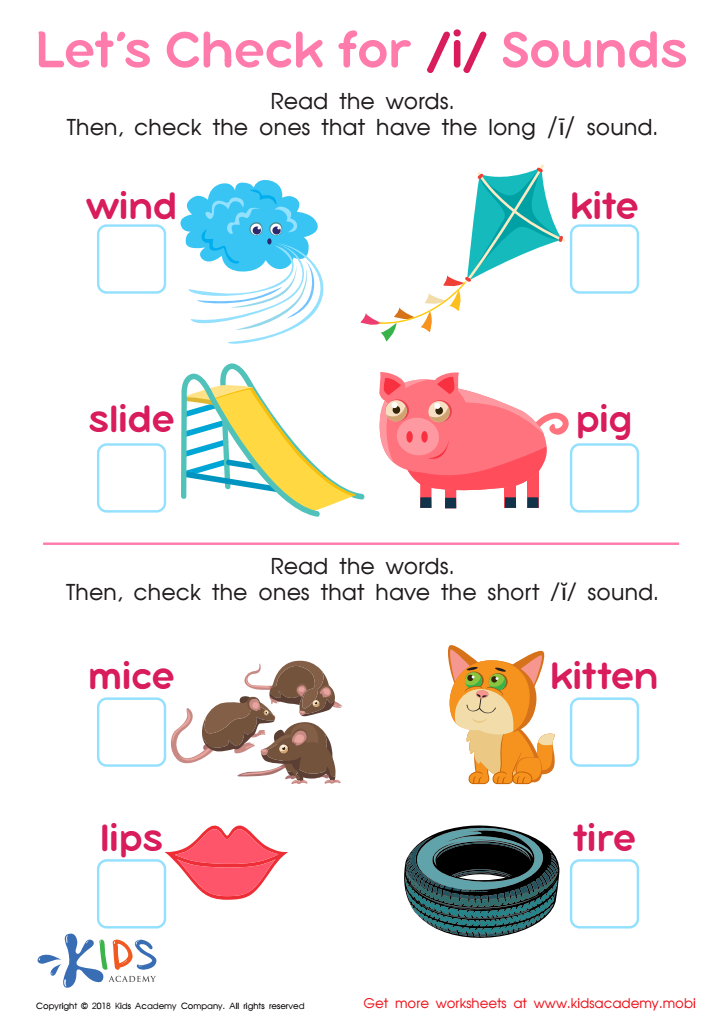
Let's Check for «i» Sounds Worksheet
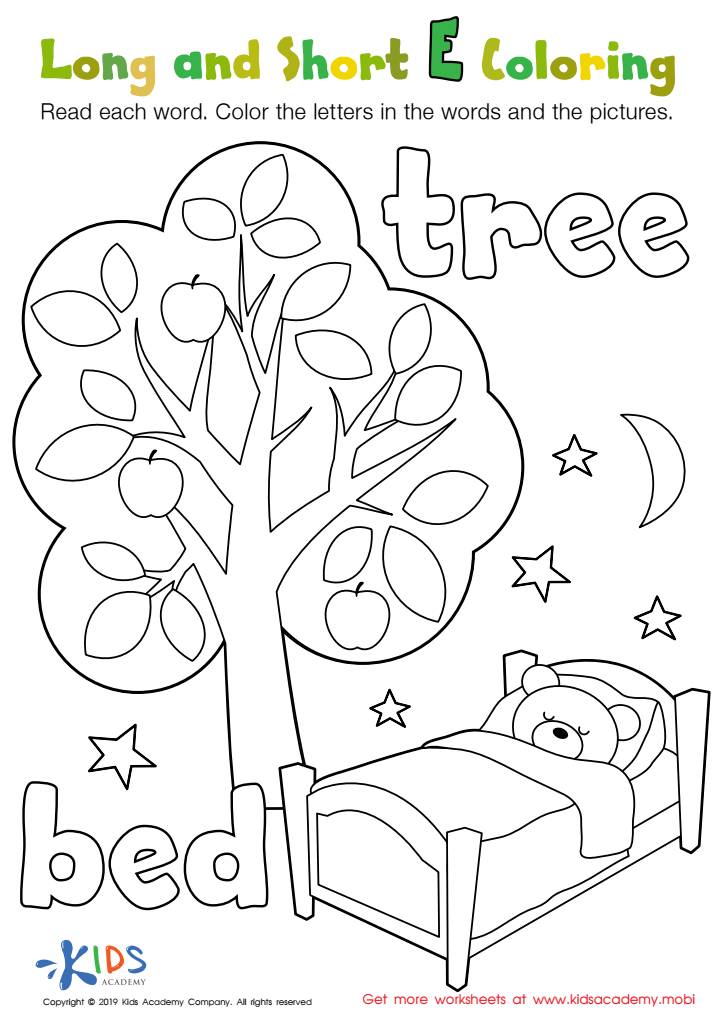
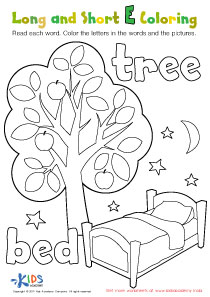
Long and Short E Worksheet
 Assign to My Students
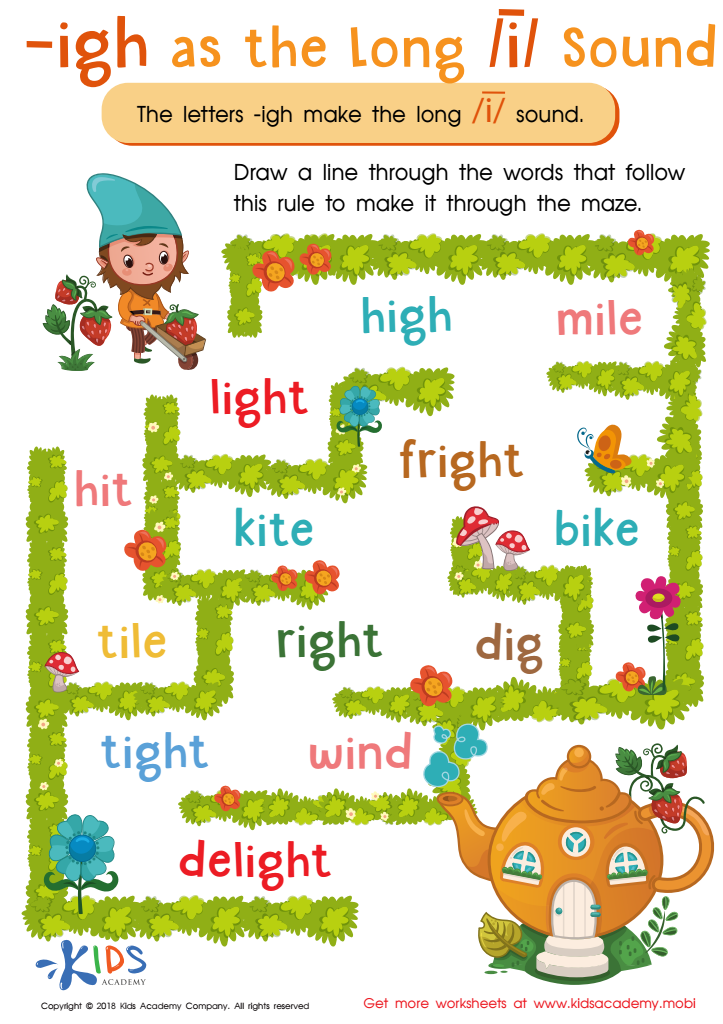
Reading: IGH as Long I Worksheet
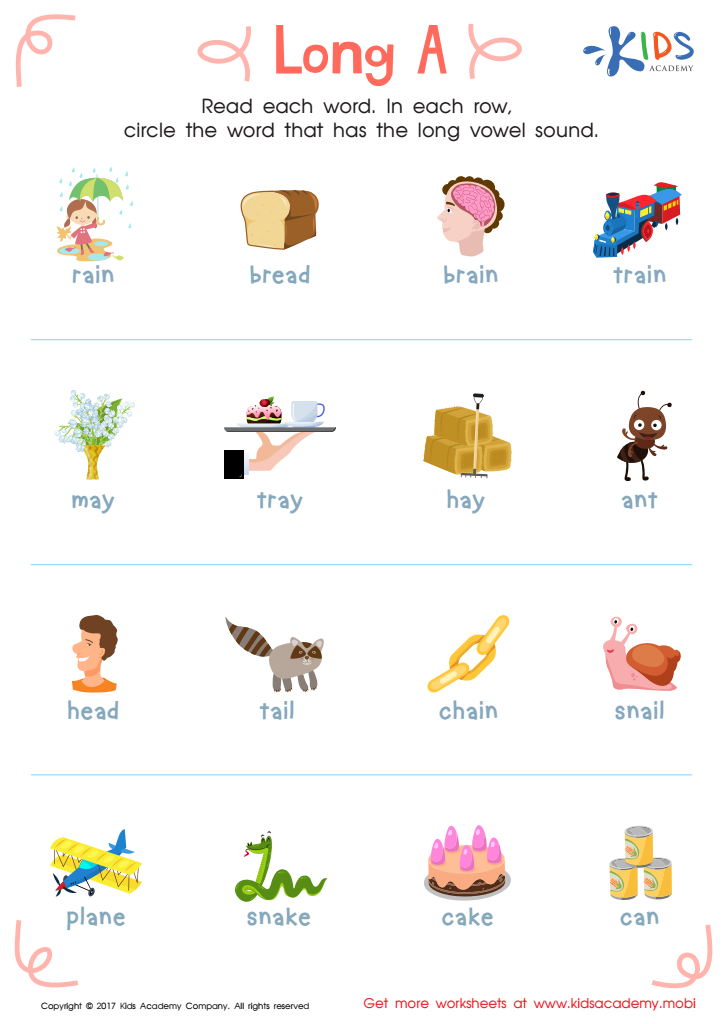
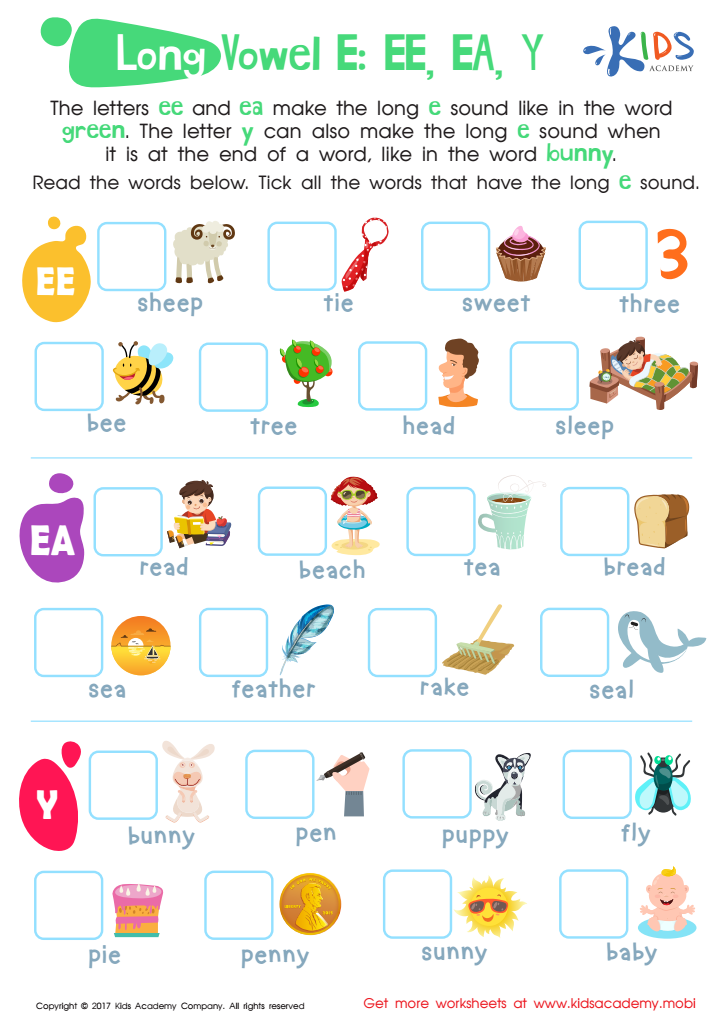
Long Vowel E Printable
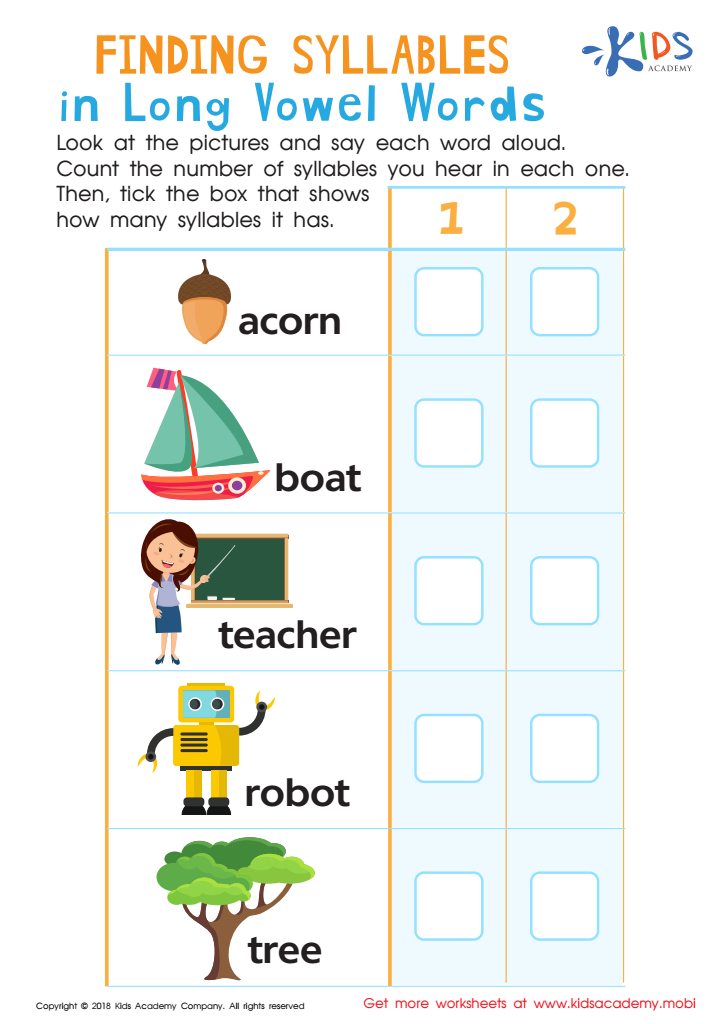
Finding Syllables in Long Vowel Words Worksheet



Understanding normal long vowels is crucial for children aged 3-8 as these foundational elements of language significantly enhance reading and communication skills. Long vowels—like the 'a' in "cake," 'e' in "see," and 'i' in "like"—have distinct sounds that can unlock a child’s ability to read more fluently and accurately. When children grasp the concept of long vowels, they can decode words more effectively, leading to improved literacy skills.
Parents and teachers play pivotal roles in reinforcing these sounds during early learning. By integrating fun activities, songs, and games focused on long vowels, they create an engaging environment that promotes phonemic awareness. Furthermore, mastering long vowels helps build confidence in children as they transition from phonics to reading full sentences and stories. This not only aids in academic success but also lays the groundwork for critical thinking and creativity.
Additionally, involved caregivers who emphasize the importance of phonetic sounds boost children's motivation, fostering a love for learning. Ultimately, focusing on normal long vowels equips children with essential tools for communication, helping them express themselves clearly and effectively in the world around them.