Letter recognition Normal Phonics Worksheets for Ages 3-8
19 filtered results
-
From - To
Unlock the power of reading with our "Letter Recognition Normal Phonics Worksheets for Ages 3-8." Designed to enhance early reading skills, these engaging worksheets introduce young learners to the alphabet through fun, interactive activities. Each sheet focuses on individual letter recognition, helping children connect sounds to symbols, build phonemic awareness, and boost their confidence in reading. Perfect for home or classroom use, our expertly crafted resources are tailored to support early learners in a gradual, effective manner, ensuring a solid foundation in phonics. Join us in making learning an exciting adventure with these essential educational tools.
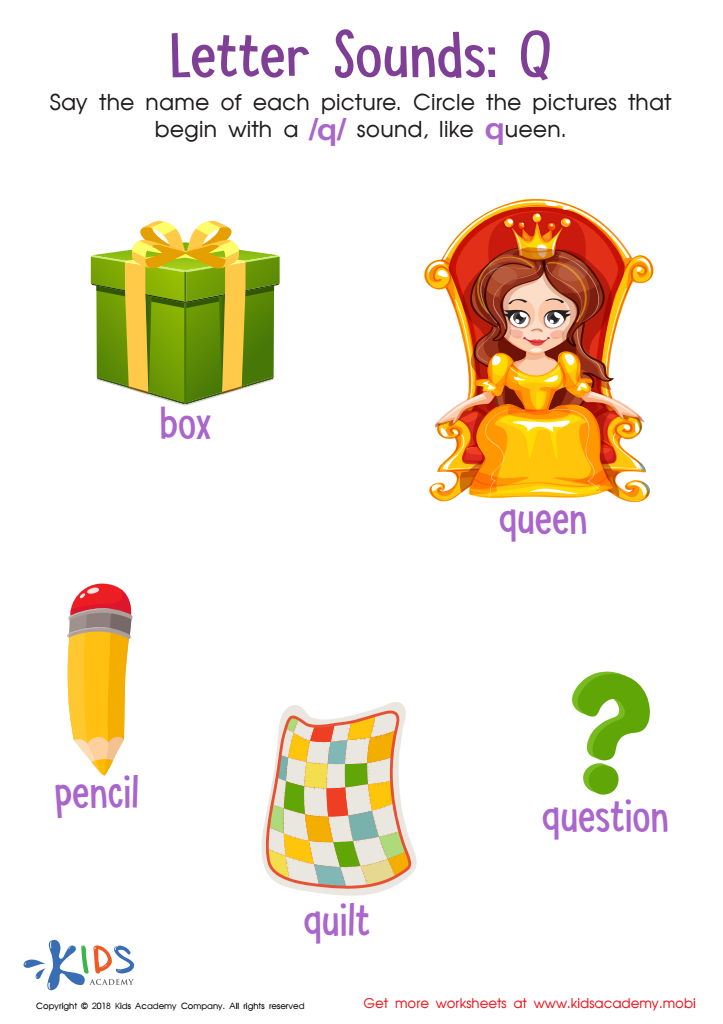
Letter Q Sounds Worksheet
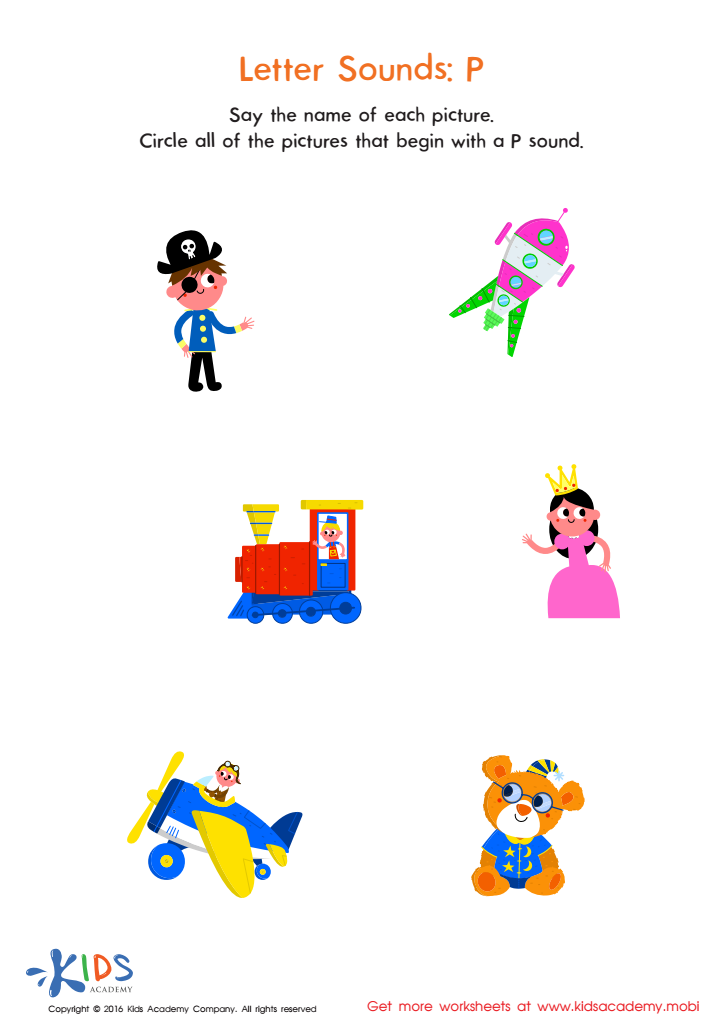
Letter P Sound Worksheet
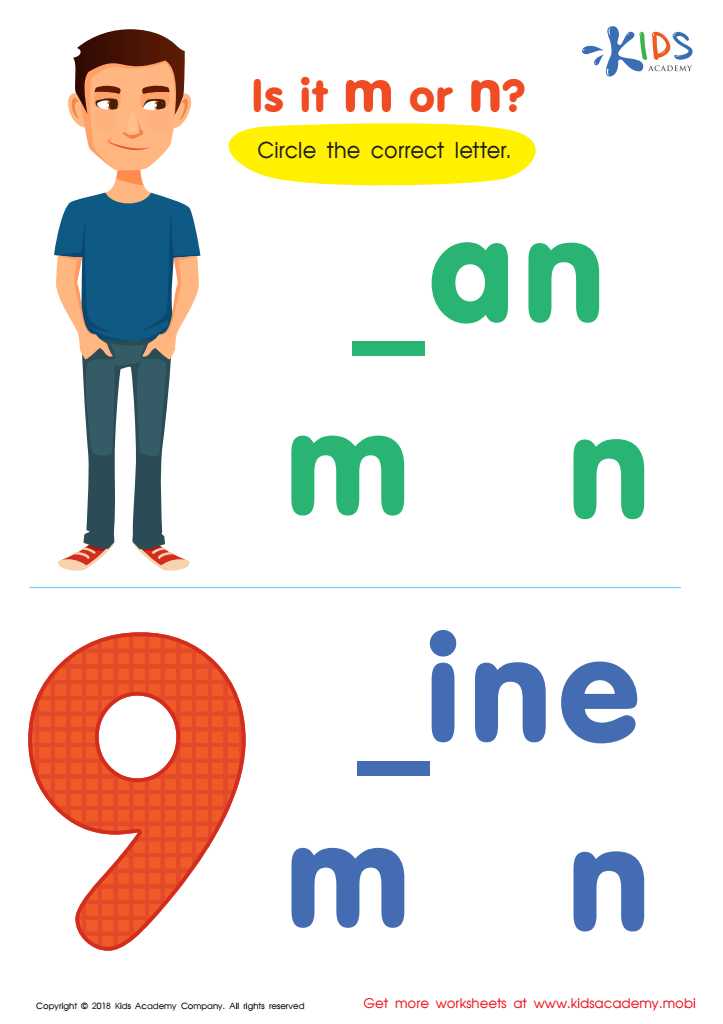
Is It m or n? Worksheet
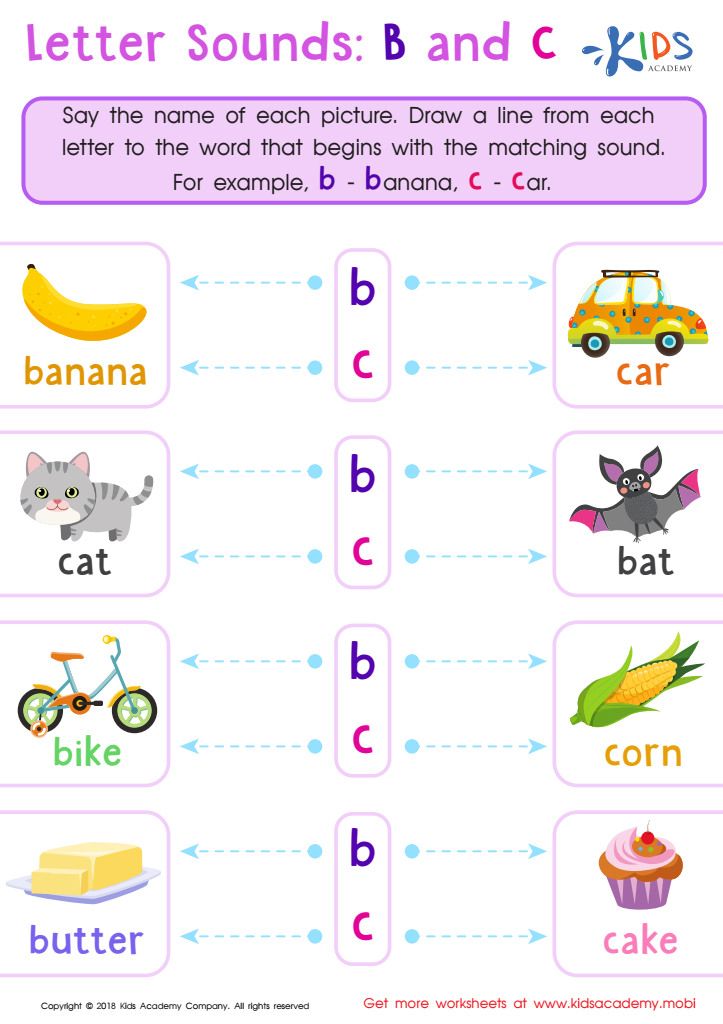
Letter B and C Sounds Worksheet
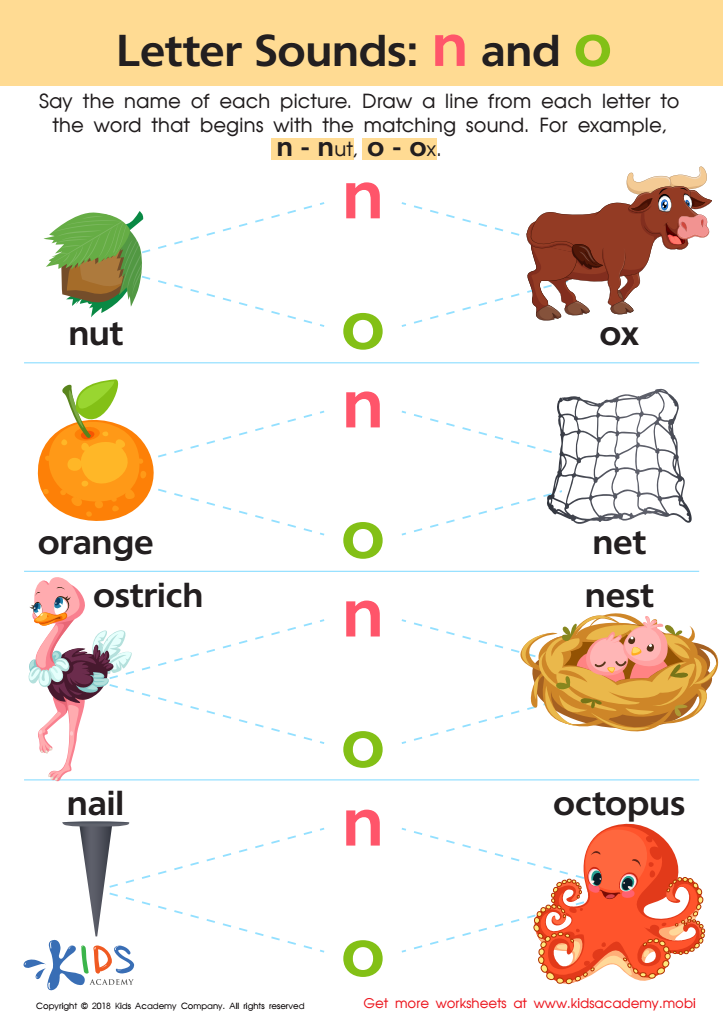
Letter N and O Sounds Worksheet
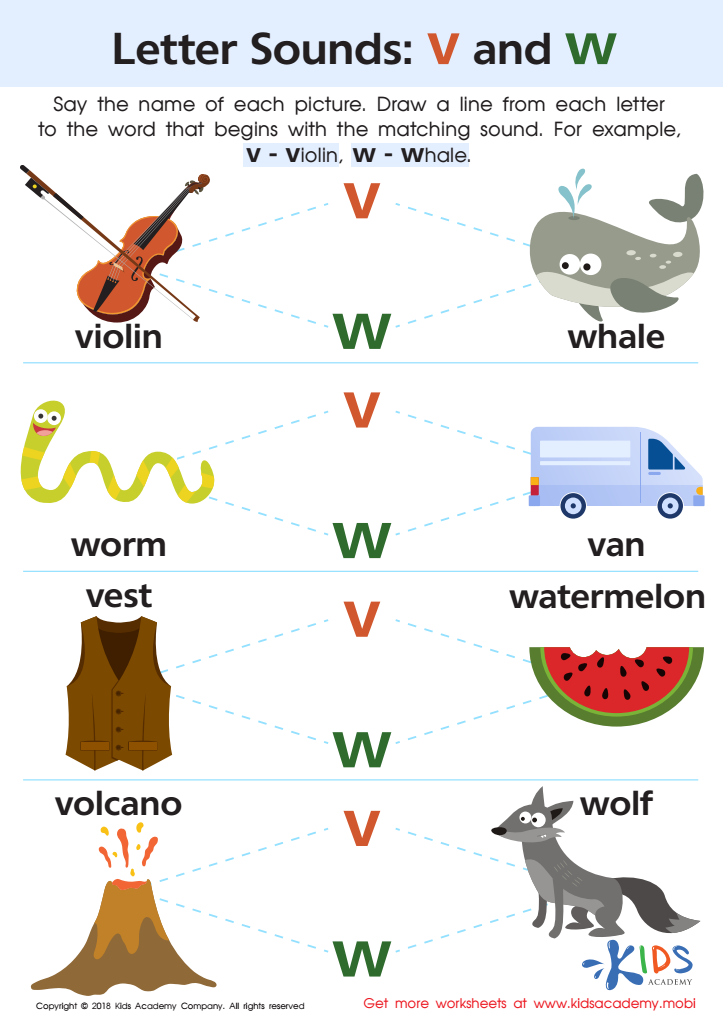
Letter V and W Sounds Worksheet
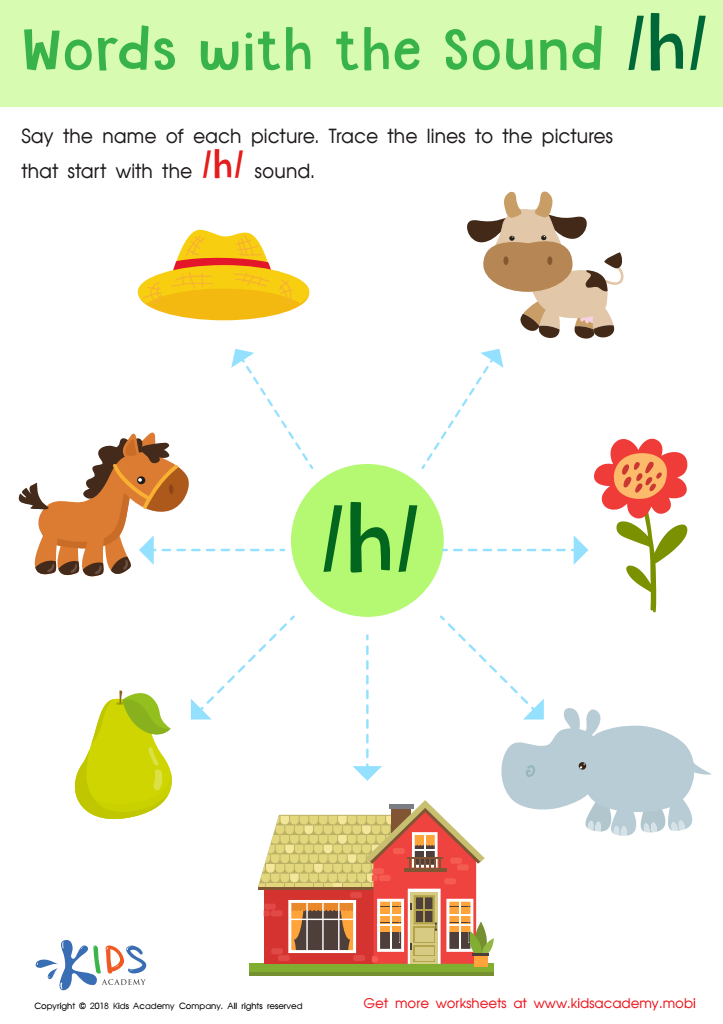
Words with sound h Reading Worksheet
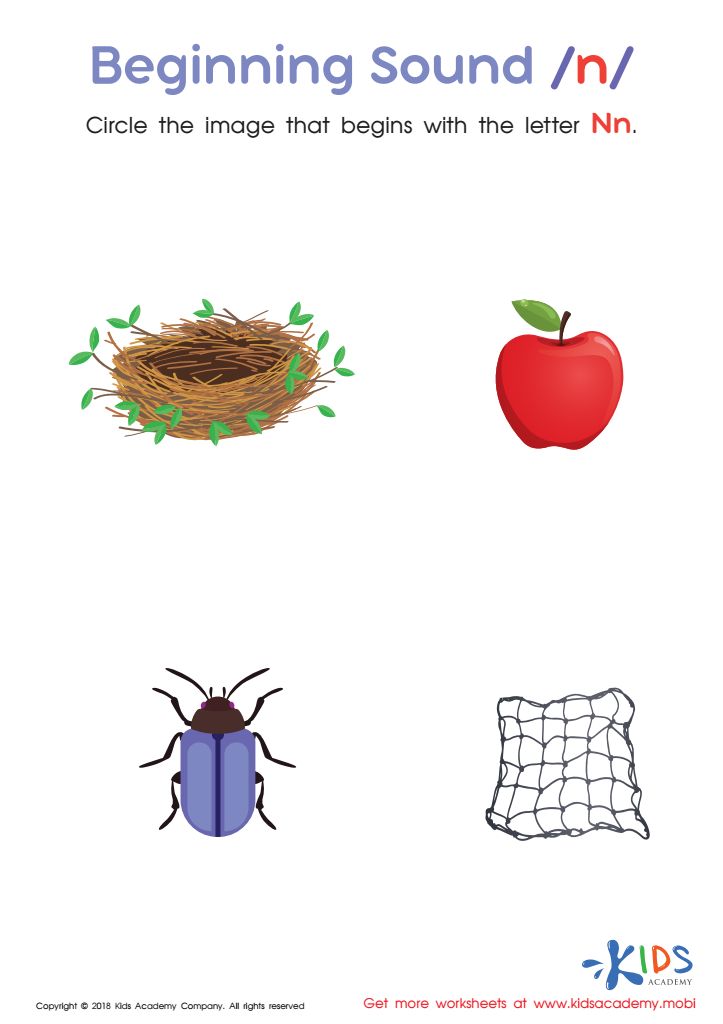
Beginning Sound «n» Worksheet
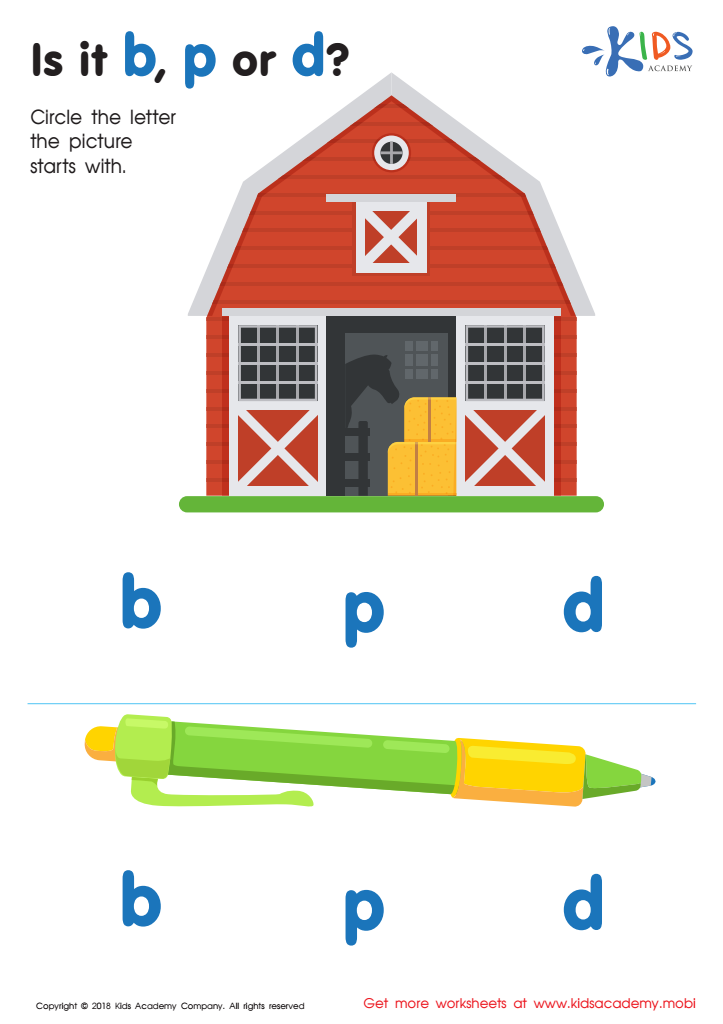
Is it b, p or d? Worksheet
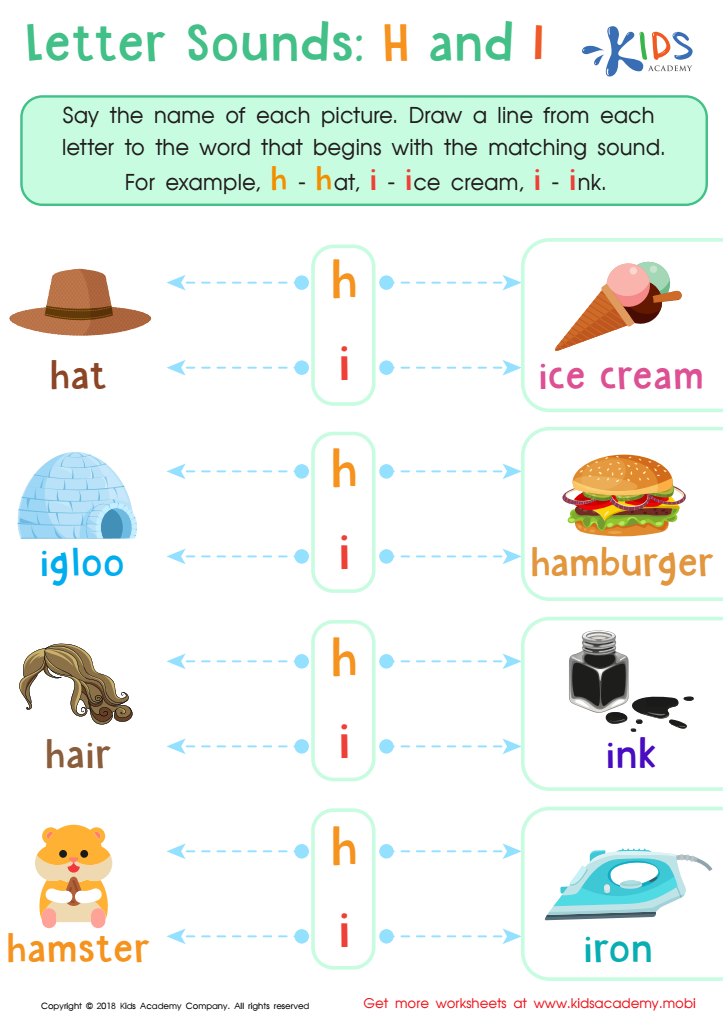
Letter H and I Sounds Worksheet
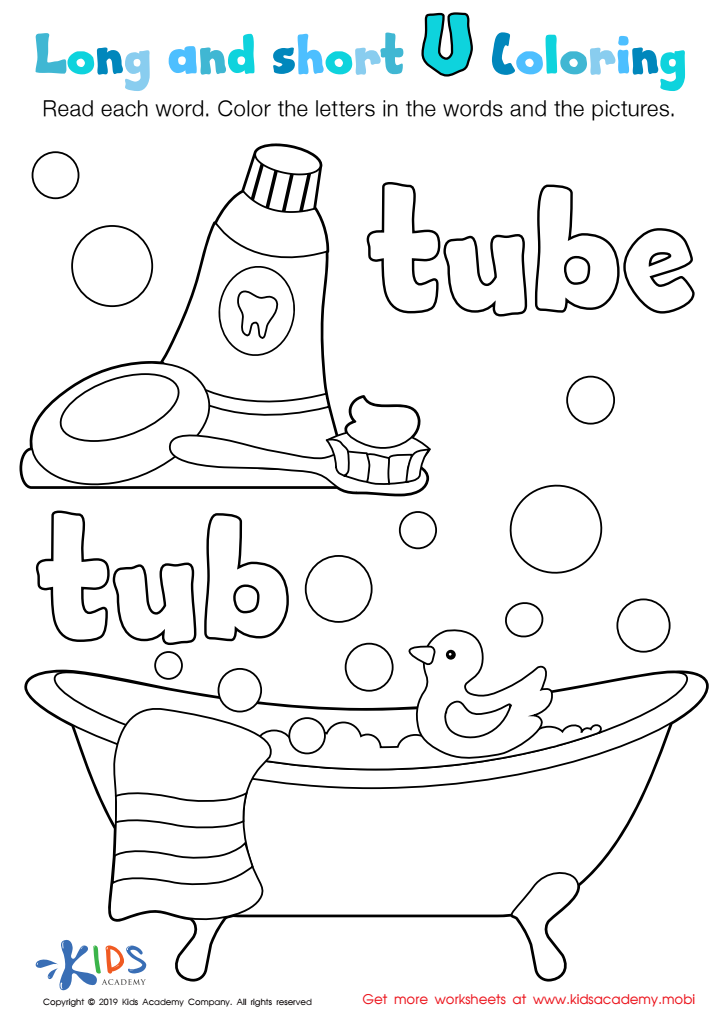
Long and Short U Worksheet
 Assign to My Students
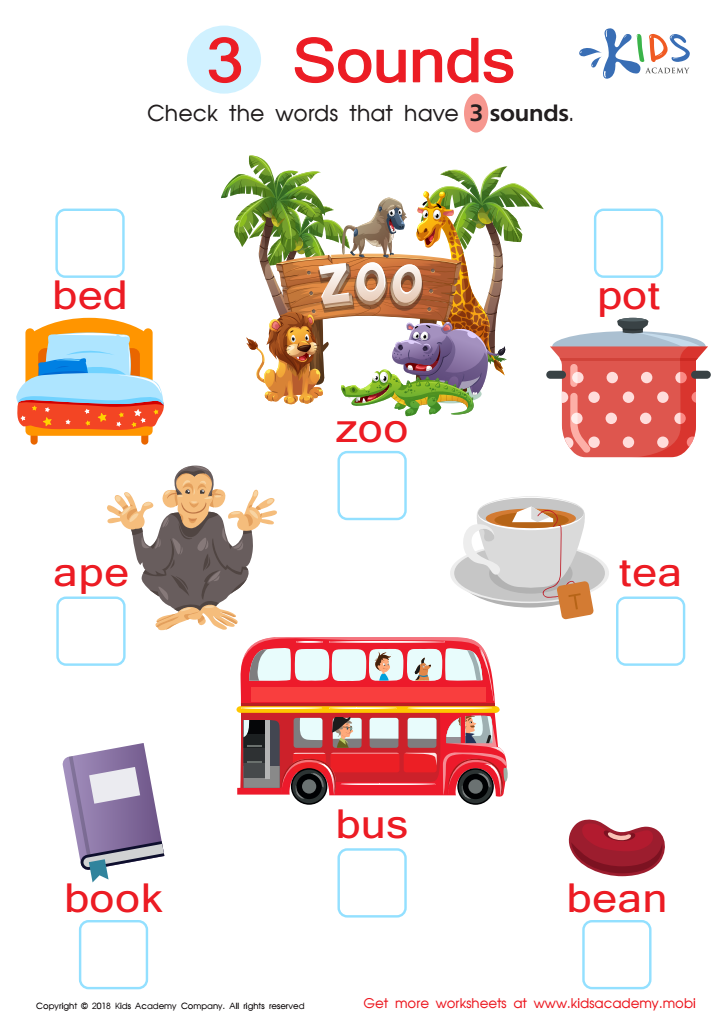
3 Sounds Worksheet
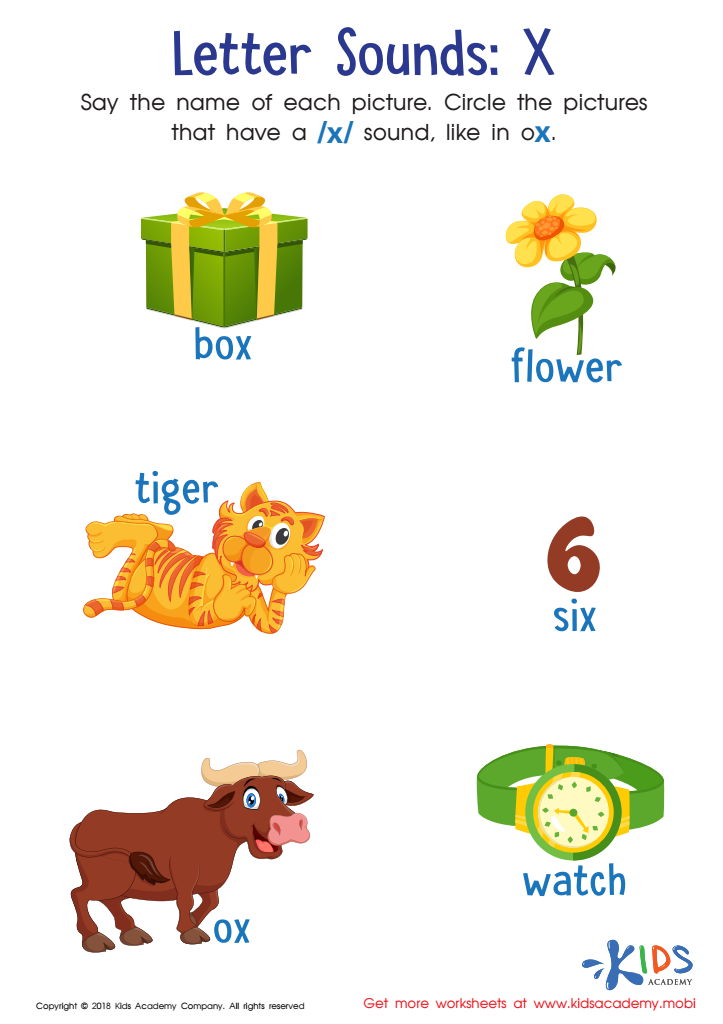
Letter X Sounds Worksheet
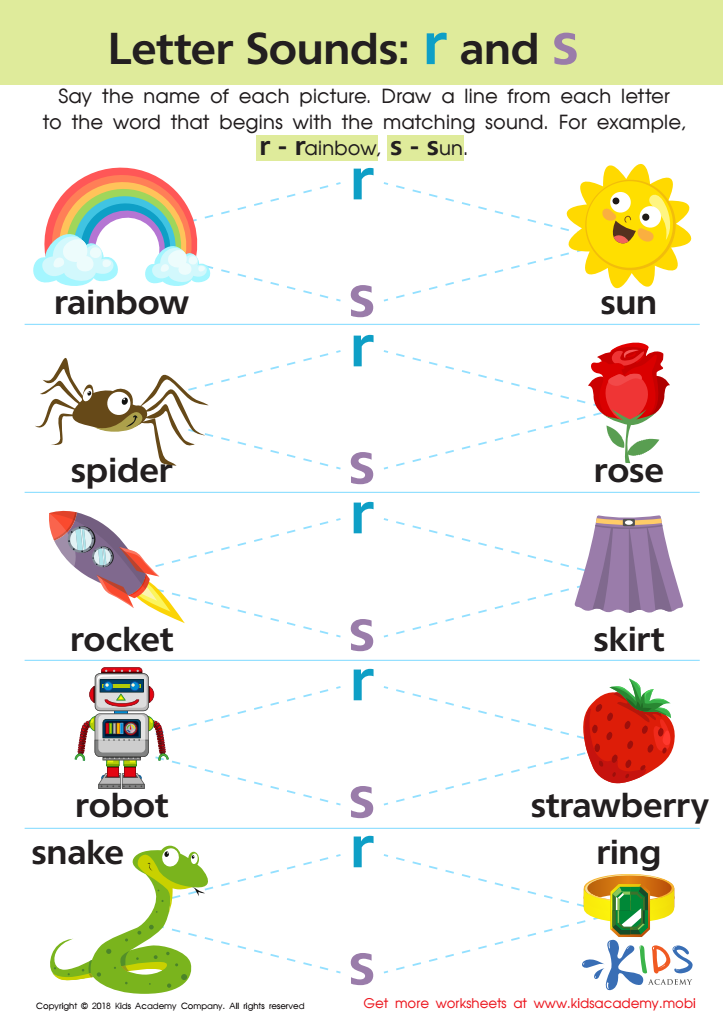
Letter R and S Sounds Worksheet
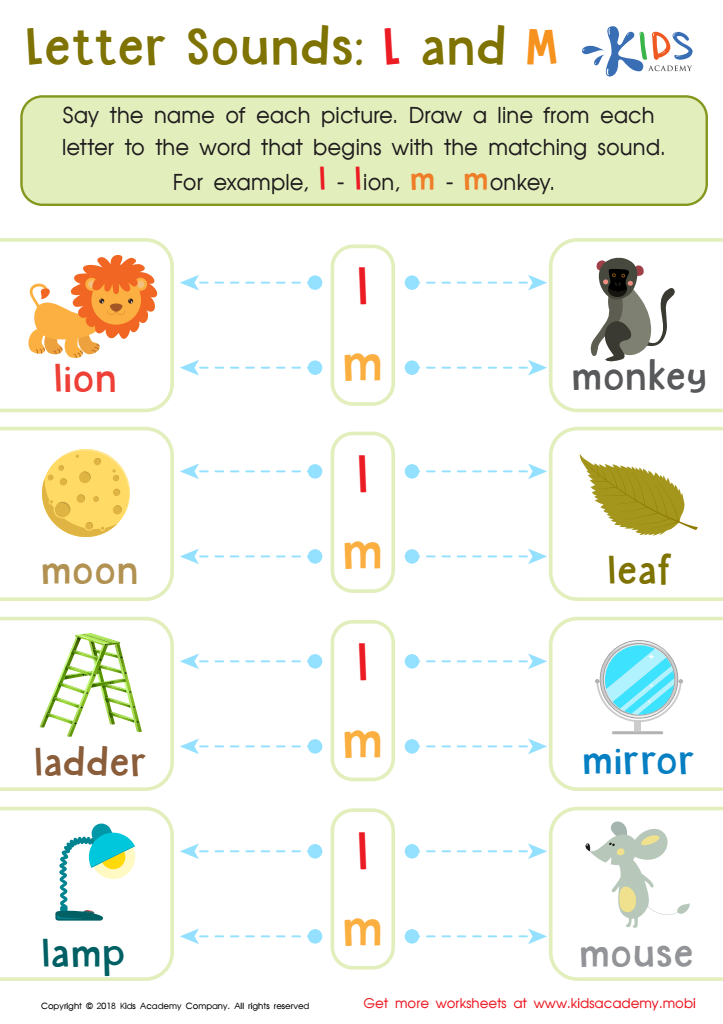
Letter l and M Sounds Worksheet

Long and Short E Worksheet
Assign to My Students
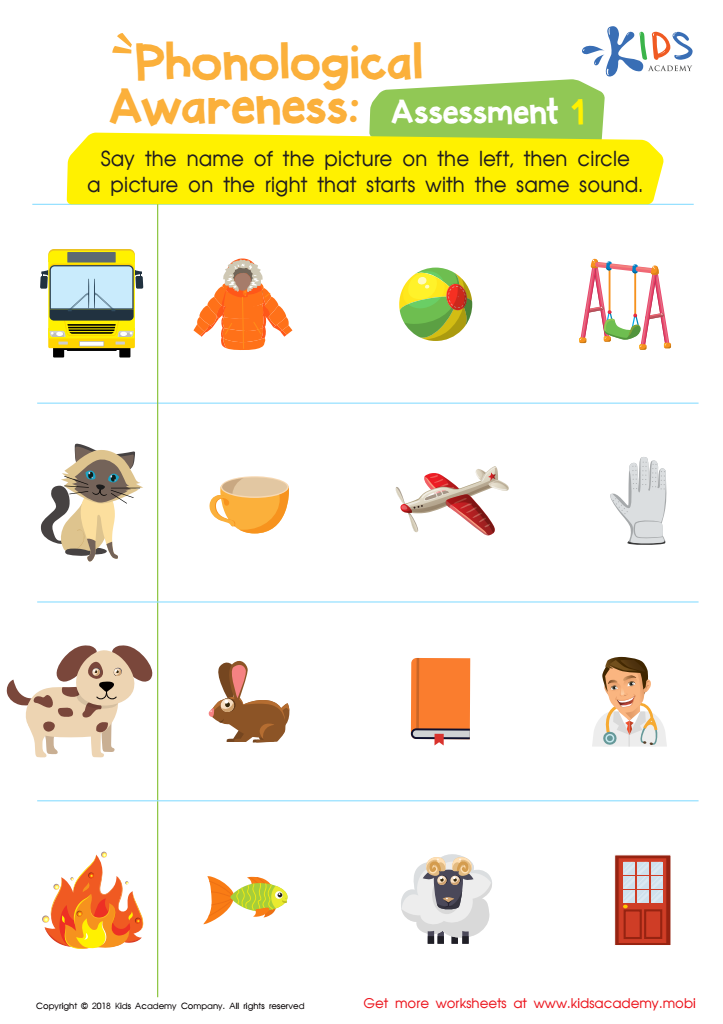
Phonological Awareness: Assessment 1 Worksheet
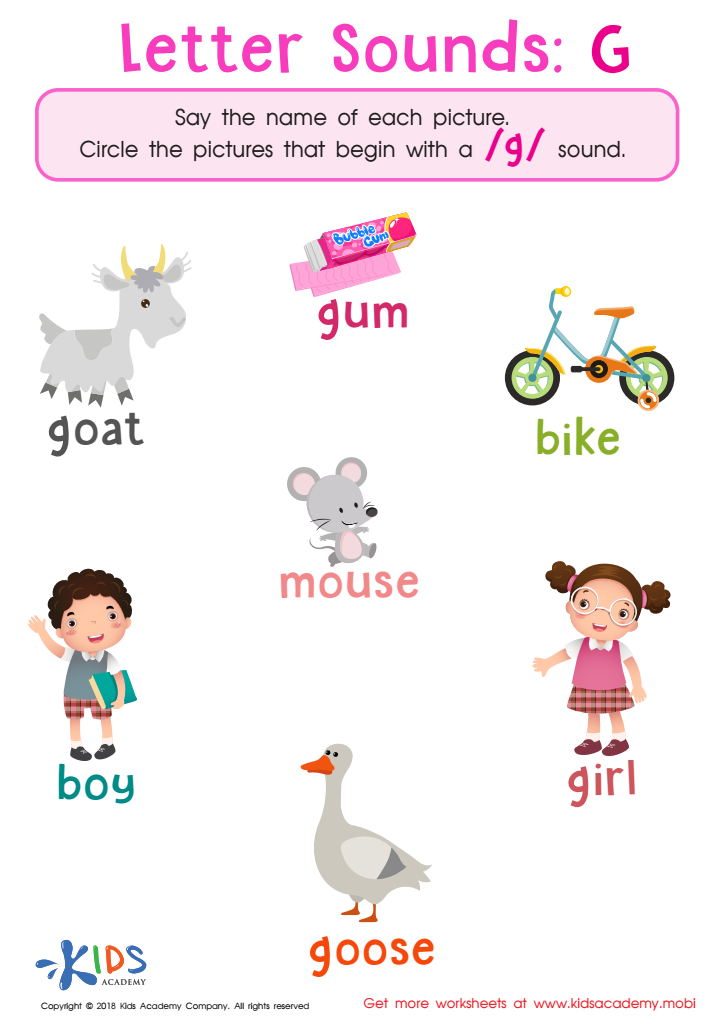
Letter G Sounds Worksheet
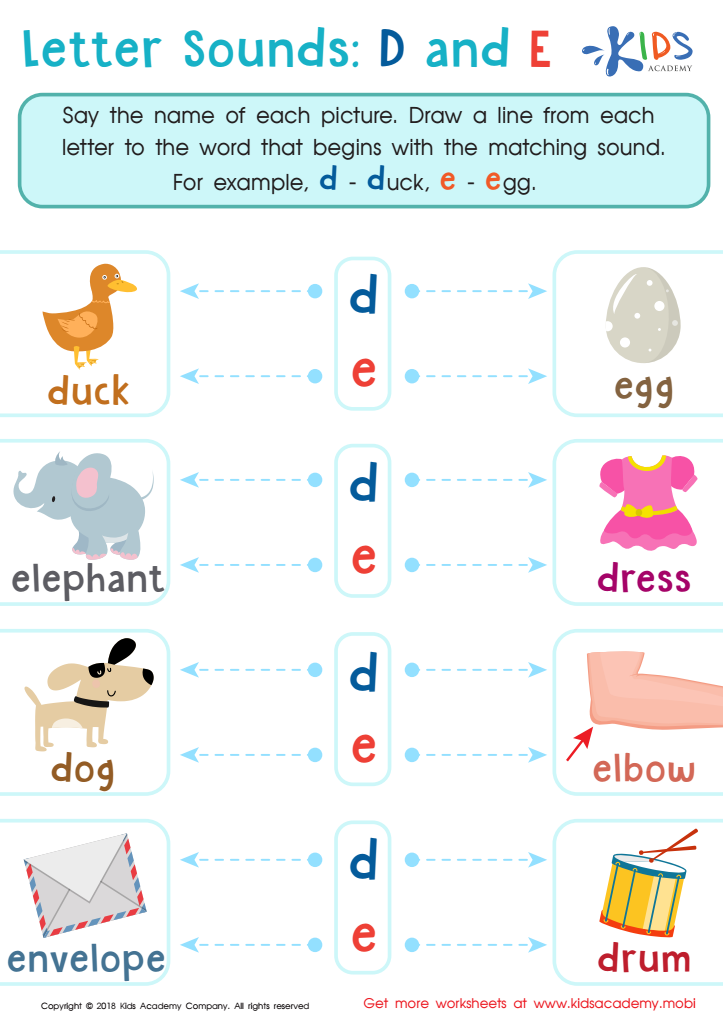
Letter D and E Sounds Worksheet








Letter recognition and phonics form the cornerstone of early literacy skills, and parents and teachers play a crucial role in nurturing these abilities in children aged 3 to 8. During these formative years, the brain is particularly receptive to learning new information, making it an ideal time to introduce key reading and writing concepts. When children recognize letters and understand their corresponding sounds, they acquire the tools needed to decode words and begin reading, boosting their literacy development significantly.
Proper training in letter recognition and normal phonics accelerates the learning process, enabling children to read more fluently and confidently. This not only supports their academic progress but also enhances their self-esteem and motivation to learn. Reading proficiency is linked to better academic performance in other subjects like math, science, and social studies, as it facilitates comprehension of complex concepts and instructions.
Moreover, early literacy skills are crucial for social development as they allow children to communicate effectively. A solid foundation in letter recognition and phonics ensures that children are better prepared to engage with a world that relies heavily on written communication. For these reasons, it’s vital for parents and teachers to focus on developing children’s letter recognition and phonics skills, setting them up for future success in academics and beyond.







