
Reading Improvement Normal Phonics Worksheets for Ages 3-8
10 filtered results
Difficulty Level
Grade
Age
-
From - To
Subject
Activity
Standards
Unlock the potential of budding readers with our specially designed Reading Improvement Normal Phonics Worksheets for Ages 3-8. These engaging worksheets focus on foundational phonics skills to enhance early reading abilities, offering young learners a fun and interactive way to grasp the relationship between letters and sounds. With varied activities that include letter recognition, sound matching, and early word formation, our worksheets cater to different learning styles, ensuring every child finds joy in reading. Perfect for parents and educators, these resources will set the stage for lifelong literacy and academic success. Boost your child's reading journey today!
Favorites
With answer key
Interactive
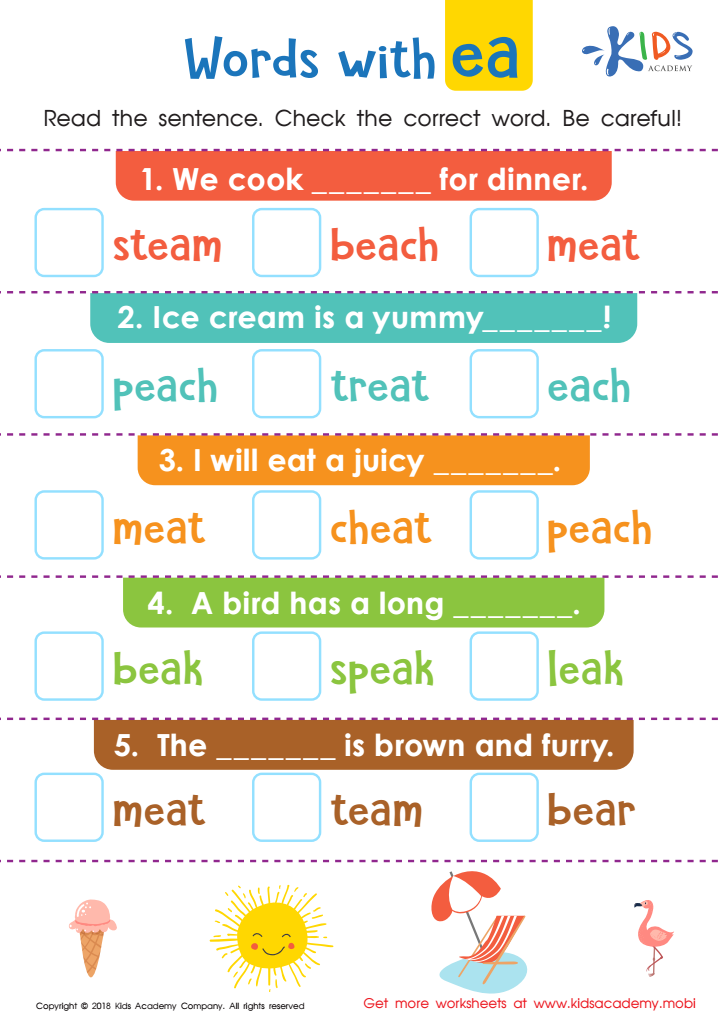
Words with ea Worksheet
Beginning readers may struggle with -ea vowel digraphs, which can have multiple sounds and be tricky to decode. This cheerful worksheet helps kids practice reading sentences with missing -ea words, using context clues to fill in the blanks. They'll also be exposed to various -ea sound examples, and build their sight word knowledge.
Words with ea Worksheet
Worksheet
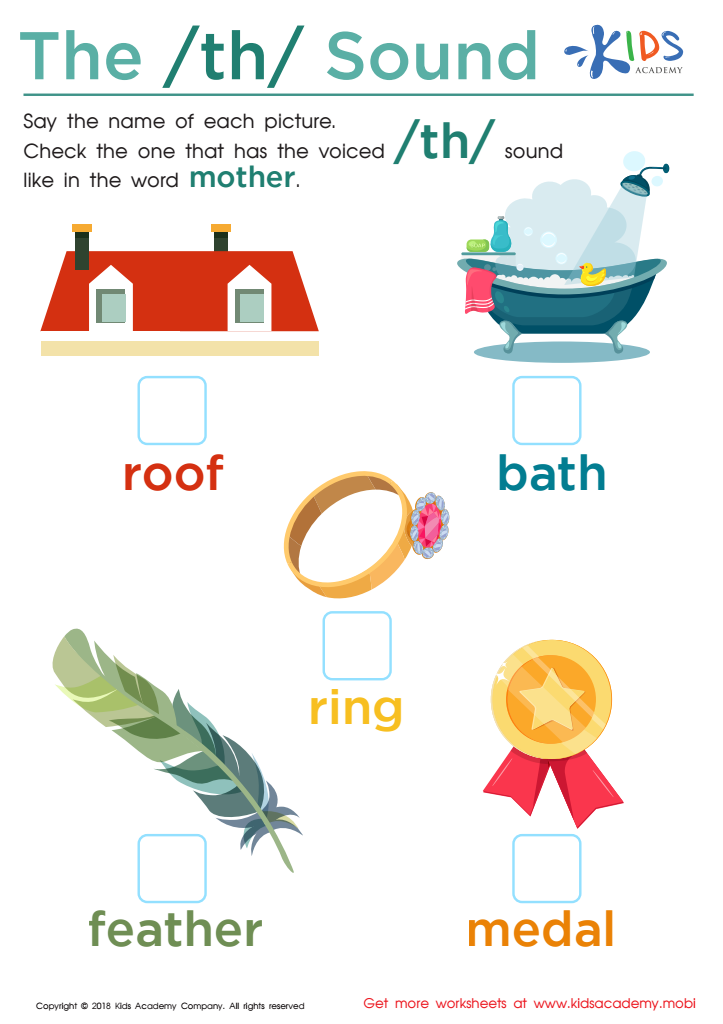
The /th/ Sound Worksheet
Confuse your students no more: have them use this worksheet to understand the /th/ sound and its two variants. With pictures, ask them to say the name of each one. Help them identify the voiced /th/ sound, like in 'mother', by having them say it aloud. Download the pdf to get started.
The /th/ Sound Worksheet
Worksheet
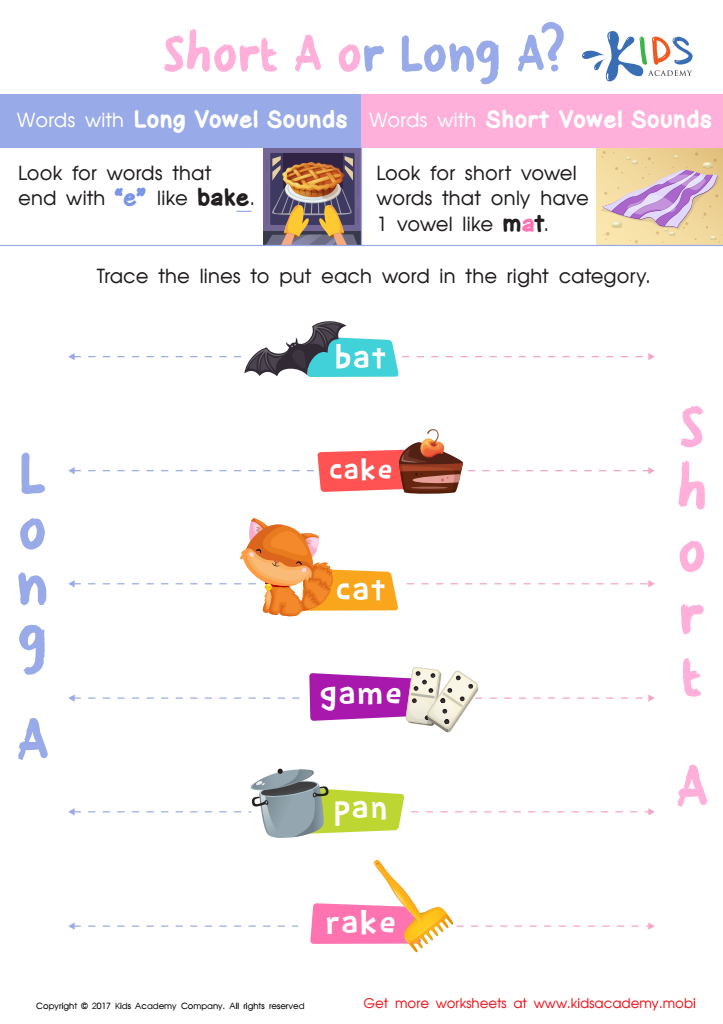
Short /a/ or Long /a/? Worksheet
Phonetics and its sounds can be tricky for kids. They can read and spell, but long and short vowels might be difficult. Use this phonetic worksheet to teach them to identify words with the short /a/ or long /a/ sound. Kids have to find the words ending with 'e' (long sound) and words with one vowel (short sound, e.g. 'mat'). Colourful printout makes it fun and easy to learn!
Short /a/ or Long /a/? Worksheet
Worksheet
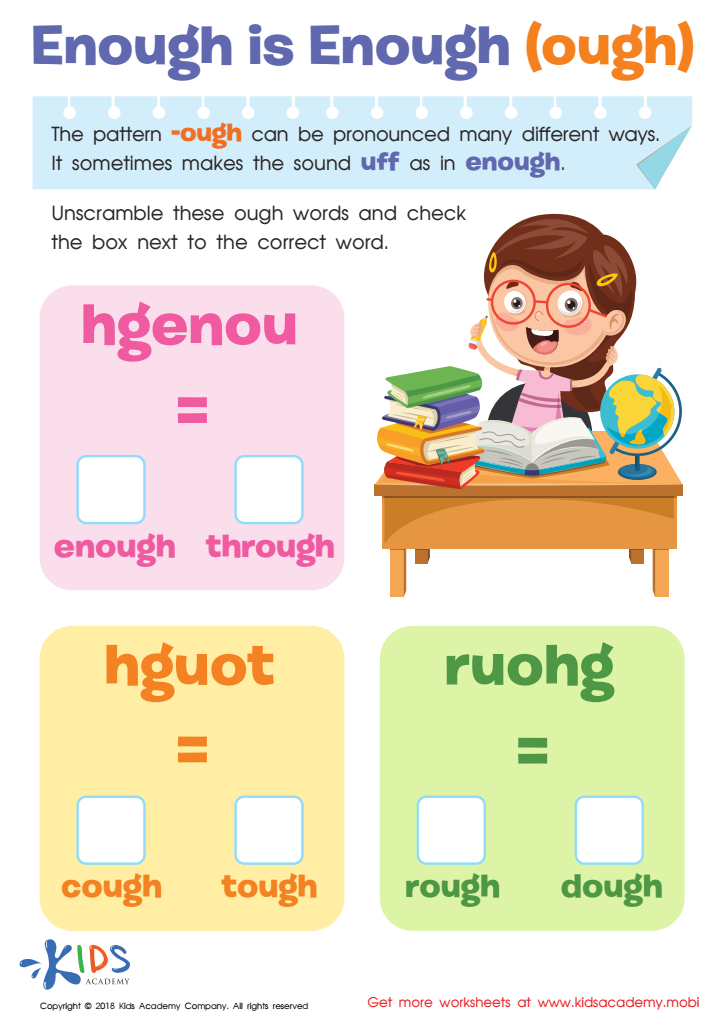
Enough Is Enough (ough) Worksheet
As your students learn more about reading and pronouncing words, they can explore how some word patterns can be said differently. The 'ough' pattern, for instance, can be pronounced several ways. 'Enough' has the 'uff' sound. Provide your students with examples of words pronounced similarly and help them unscramble 'ough' words on this worksheet, ticking the box for the correct word.
Enough Is Enough (ough) Worksheet
Worksheet
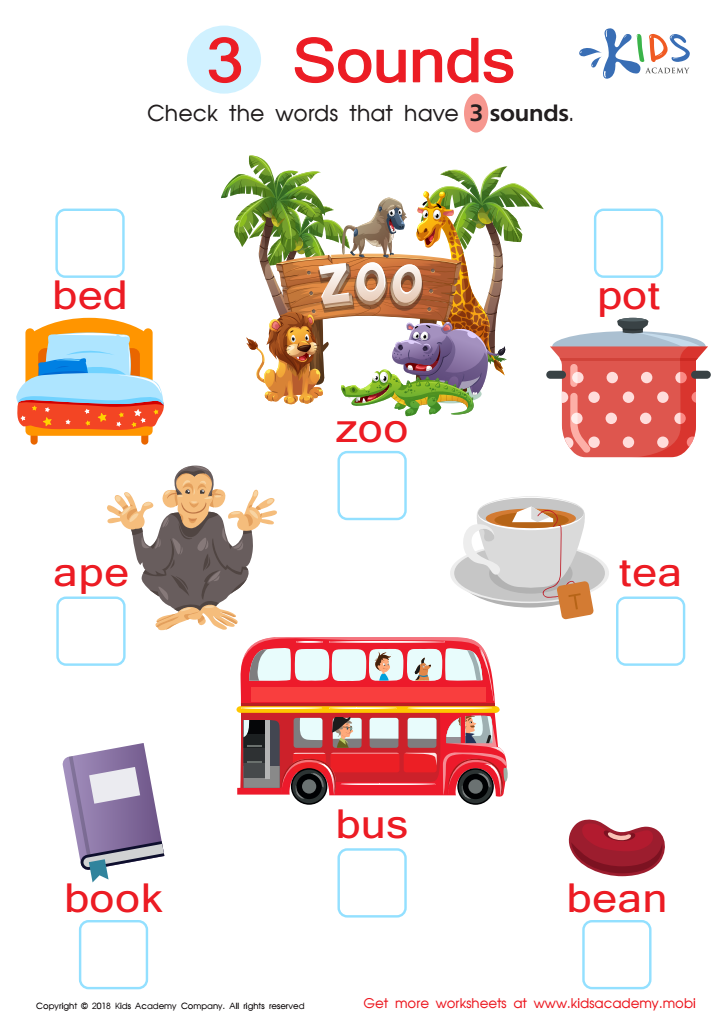
3 Sounds Worksheet
Kids will love learning with this free, colorful worksheet. It's full of familiar words they can name and sound out with three distinct sounds. This helps build decoding skills, plus they get to check off words they read. It's a fun way to teach children to identify and use sounds.
3 Sounds Worksheet
Worksheet
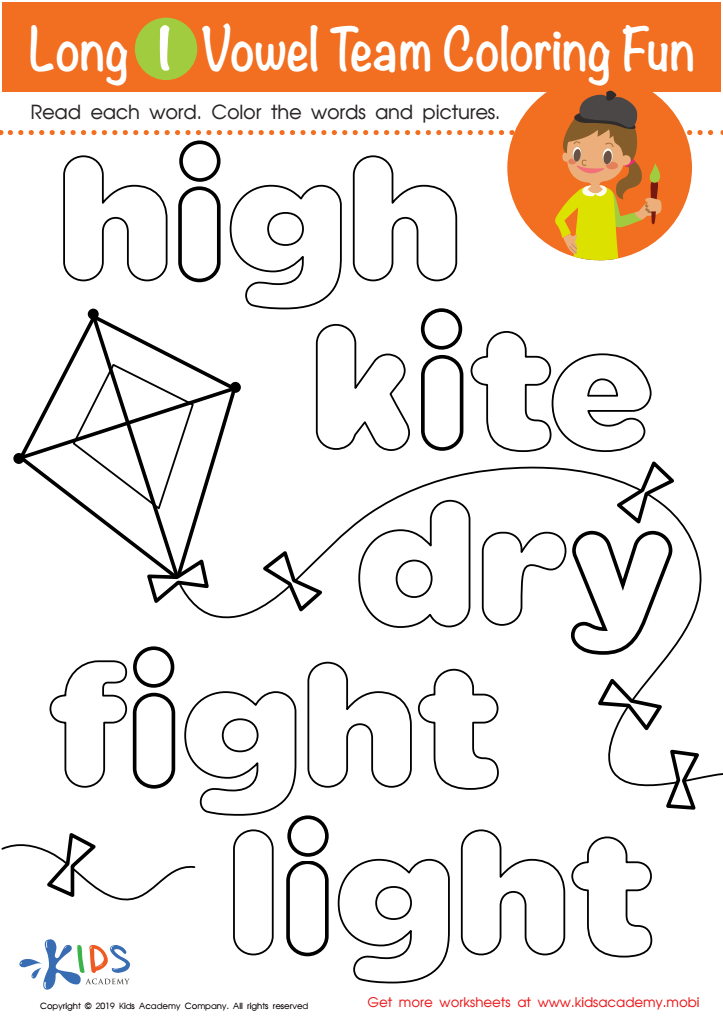
Long I Vowel Team Coloring Worksheet
This worksheet provides practice with letter combinations that make the long "i" sound while enhancing creativity and motor skills with a fun coloring activity. Unknowingly, new readers learn key phonics skills while having fun!
Download (PDF)
 Assign to My Students
Assign to My Students
Long I Vowel Team Coloring Worksheet
Worksheet
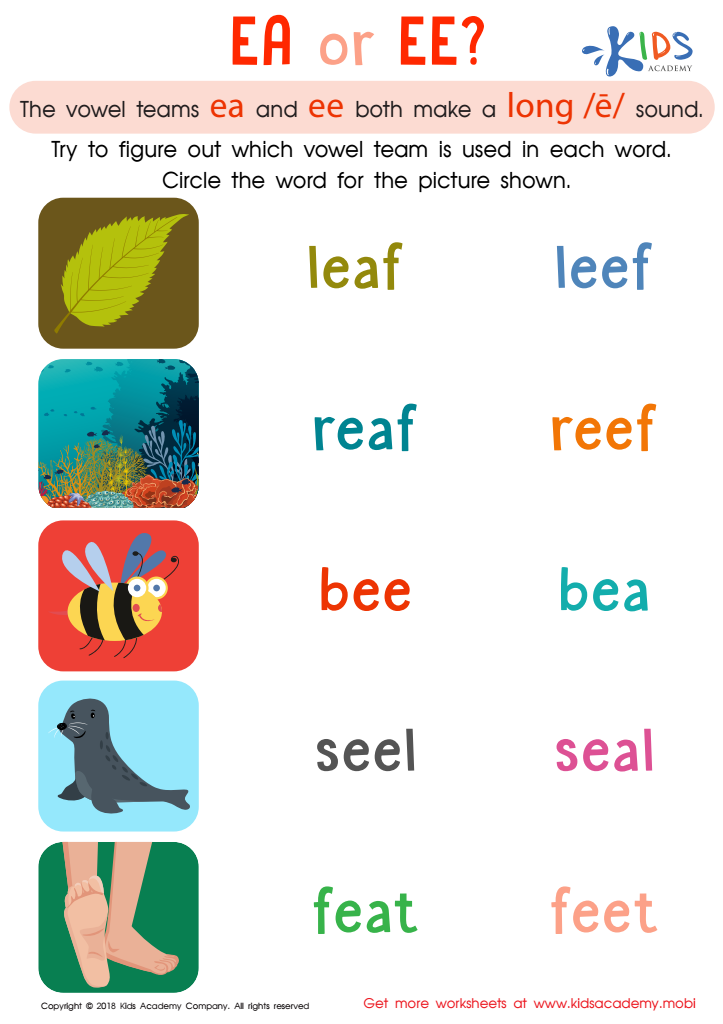
Reading: EA and EE Worksheet
Confused by the long E sound's varying spellings? Give students practice with this printable. It will improve their reading and spelling skills by helping them identify the correct spellings for words with the /ee/ and /ea/ vowel teams. Clear up the confusion and sharpen their skills.
Reading: EA and EE Worksheet
Worksheet
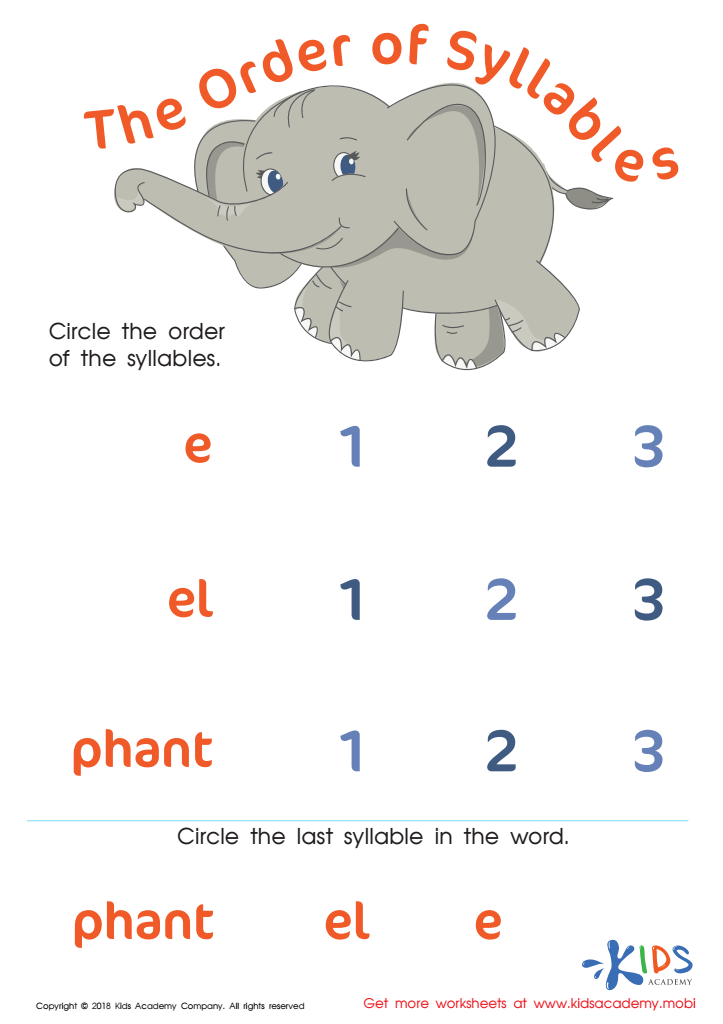
The Order of Syllables Worksheet
Syllabication is vital for prereading and decoding words. Download this fun, free worksheet to help your reader practice breaking words into syllables and arranging them for reading. It also strengthens fine motor skills as they trace the numbers for each syllable, guided by a cheerful elephant!
The Order of Syllables Worksheet
Worksheet
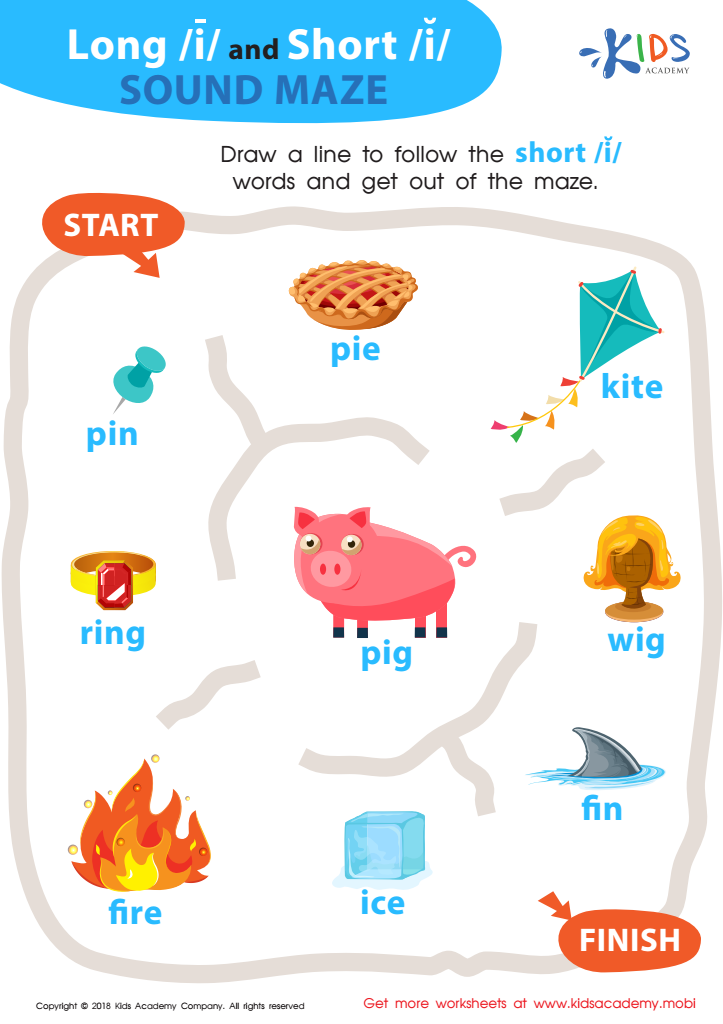
Reading: Long I and Short I Sound Maze Worksheet
Question your students if the worksheet is entertaining. They may respond negatively! Nonetheless, this activity will bring satisfaction while learning the distinction between a long and short I sound. Students read the words in the maze and only follow the words with the short I sound to finish the exercise. Grasping the difference between long and short vowels is demanding, but this worksheet helps students understand this reading skill.
Reading: Long I and Short I Sound Maze Worksheet
Worksheet
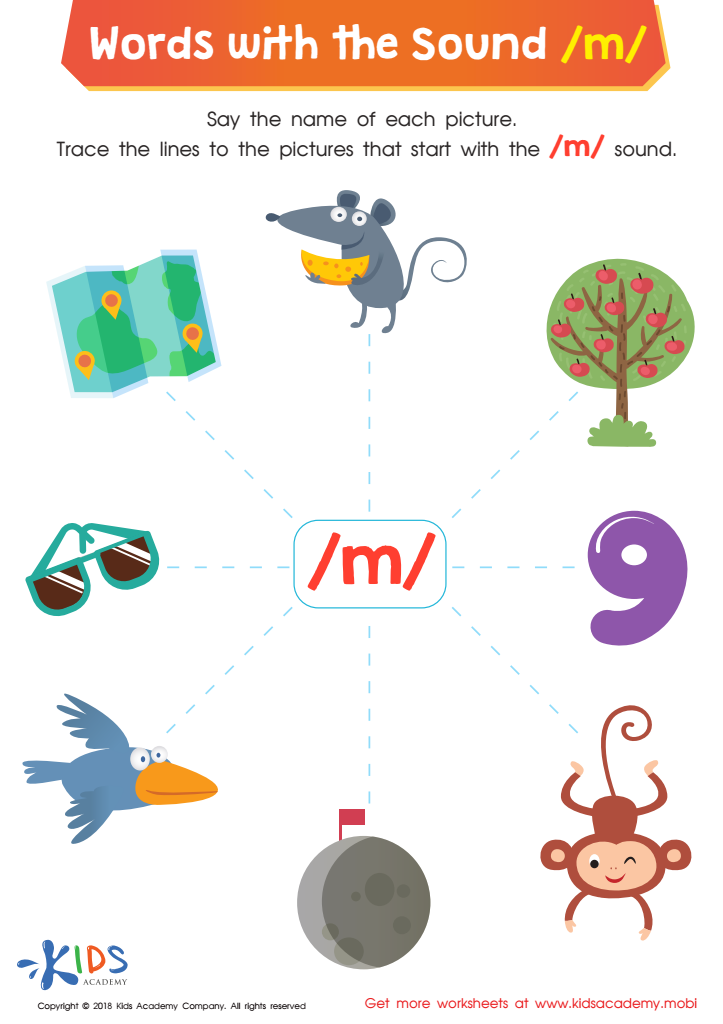
Words with Sound M Reading Worksheet
Emerging readers will use this traceable worksheet to name and trace pictures with the letter sound «m». Bright, engaging pictures make this fun and build confidence while strengthening fine motor skills. They won't even know they're also working on reading skills!
Words with Sound M Reading Worksheet
Worksheet
Join Kids Academy for Free
Who is primarily going to use this learning content?








Reading Improvement Normal Phonics for ages 3-8 lays the critical foundation for children’s literacy development, which is a cornerstone of their future academic success. At this stage, children's brains are highly adaptable and receptive, making it an optimal time for them to learn the basics of phonics—a method that teaches the relationship between letters and their sounds.
When children understand phonics, they gain the ability to decode words, which boosts their confidence and allows them to become more independent readers. This not only enhances their reading fluency and comprehension skills but also fosters a lifelong love for reading.
For parents and teachers, investing time in reading improvement through phonics can significantly close the achievement gap. Early mastery in reading is strongly correlated with better performance in all academic subjects, including math and science, because it enhances overall cognitive skills.
Additionally, a solid phonics foundation helps in recognizing and addressing learning disabilities earlier, allowing for timely interventions. Emotional and social development also benefit, as reading skills contribute to effective communication and understanding of diverse perspectives.
In short, emphasizing reading improvement through phonics provides children ages 3-8 with essential tools for academic success and personal growth, making it a critical effort for parents and teachers alike.







