Normal Tracing Letters Worksheets for Ages 3-8 - Page 2
32 filtered results
-
From - To
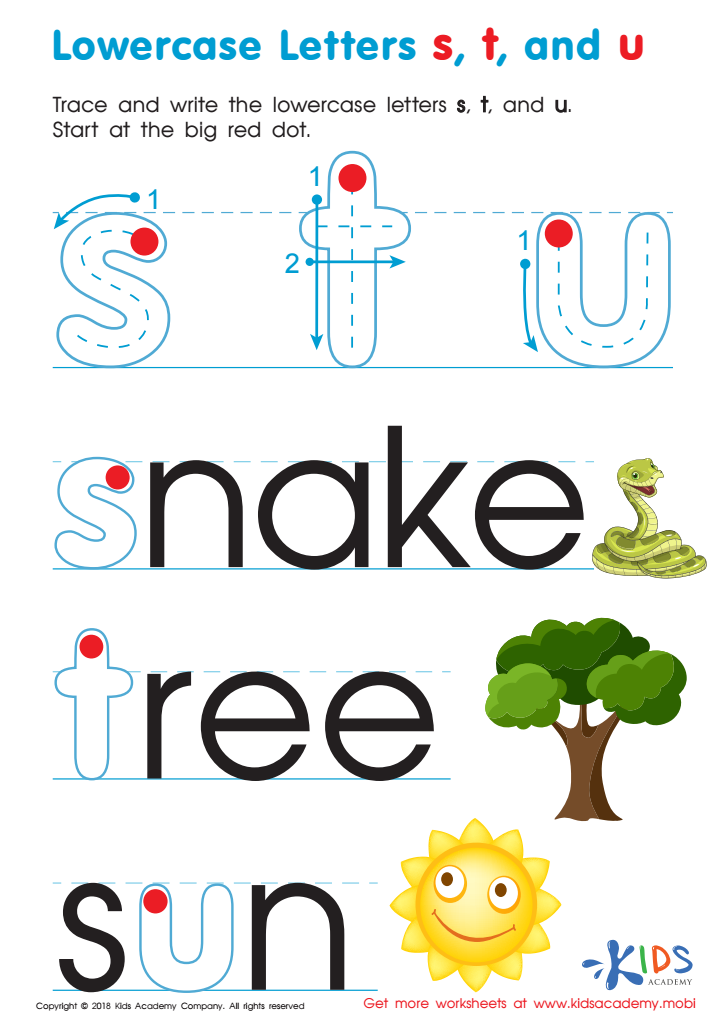
Lowercase Letters s t u Worksheet
 Assign to My Students
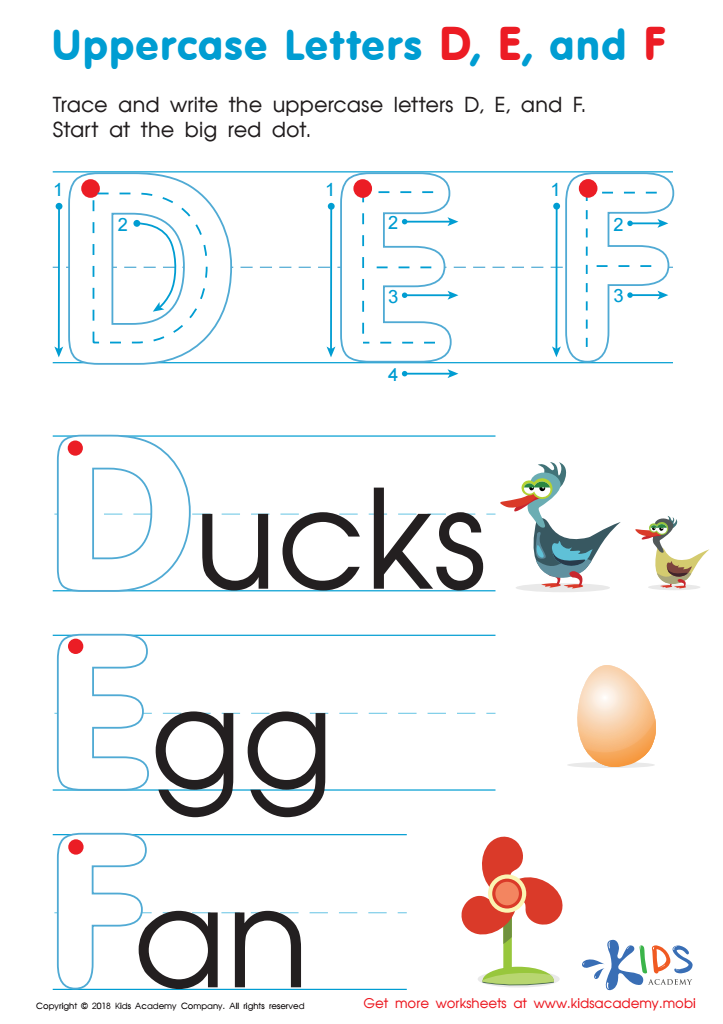
Uppercase Letters D, E, and F Worksheet
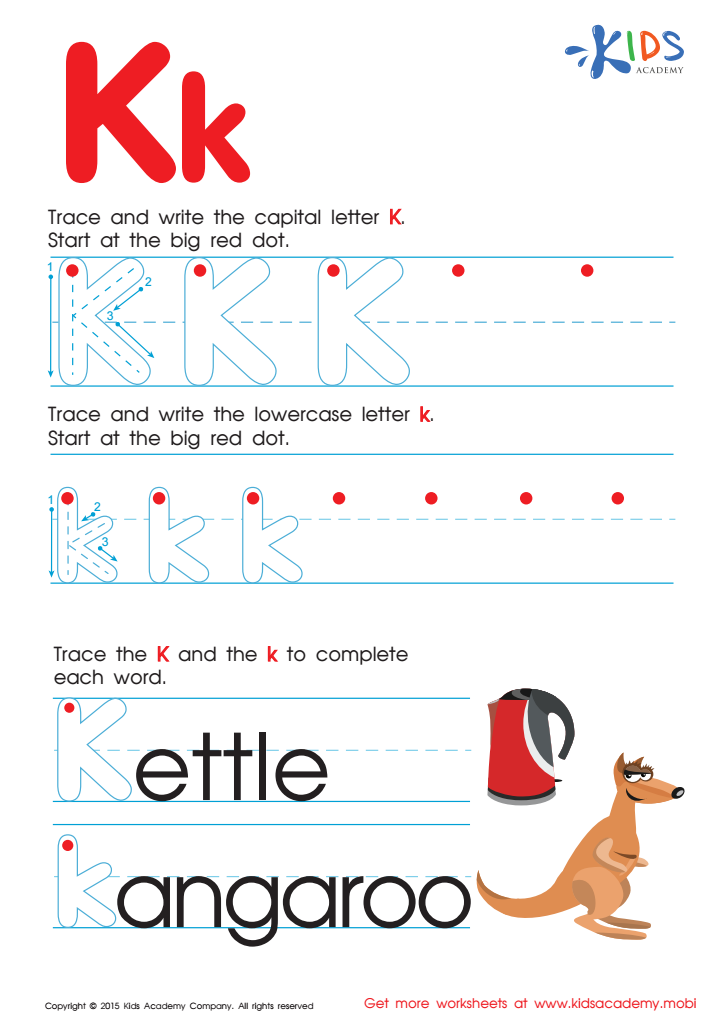
Letter K Tracing Page

Letter F Tracing Page

Uppercase Letters Y Z Worksheet
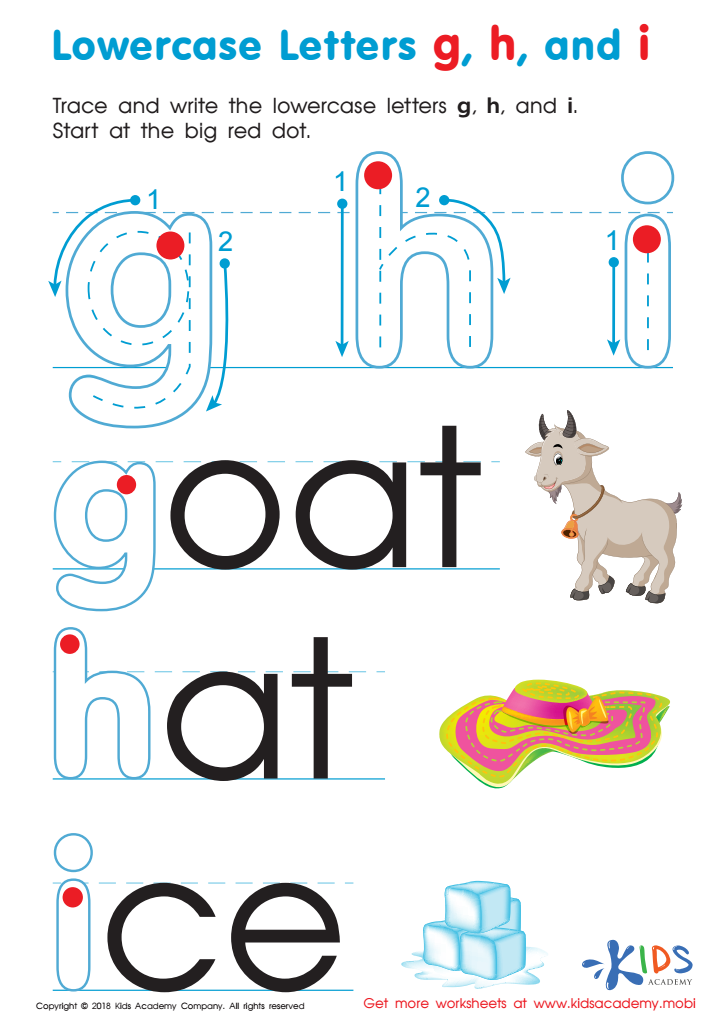
Lowercase Letters g h i Worksheet
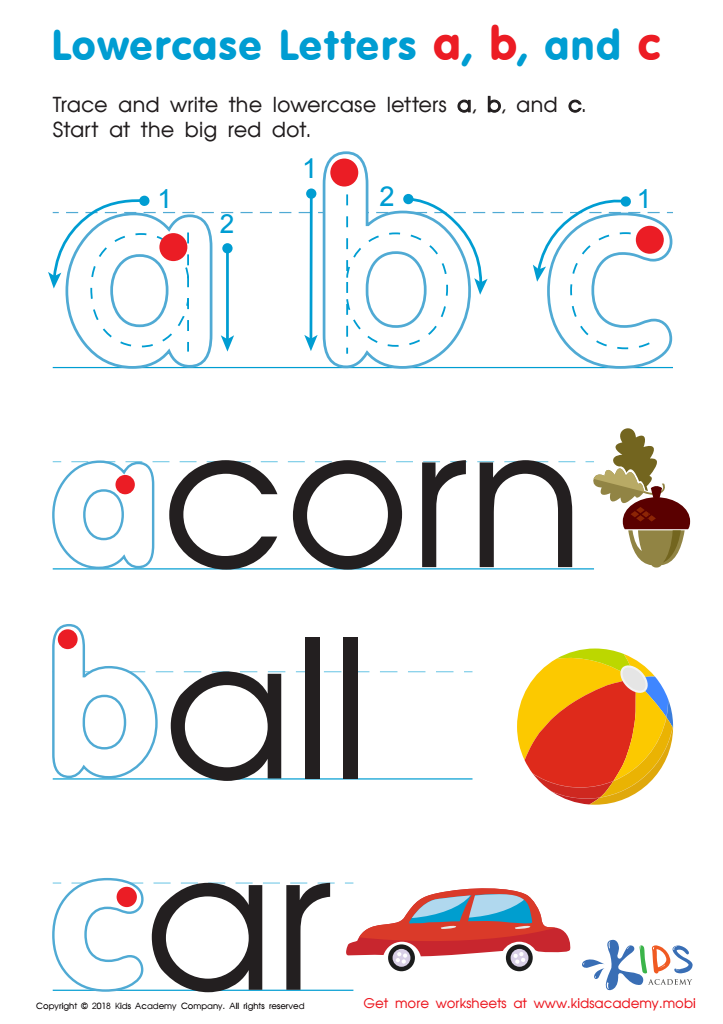
Lowercase Letters a b c Worksheet

Letter D Tracing Page







Normal Tracing Letters activities are crucial for children aged 3-8 as they serve as foundational elements for early literacy development. These activities help young learners develop fine motor skills, which are essential for writing. Tracing letters enhances hand-eye coordination, enabling children to hold writing instruments correctly and develop the muscles needed for fluid handwriting.
Moreover, tracing letters reinforces letter recognition, an important step in literacy. As children engage in these activities, they learn to distinguish between different letters, which sets the stage for future reading and writing skills. This repetitive practice also promotes memory recall, aiding in the internalization of letter shapes.
Additionally, Normal Tracing Letters can foster a sense of accomplishment. As children complete tracing exercises, they gain confidence in their abilities, making them more eager to engage with writing and literacy tasks. This positive reinforcement encourages a lifelong love for learning.
For parents and teachers, incorporating tracing letters into curricula and home learning routines is an accessible way to support children's development while making learning engaging. By investing in these skills at an early age, adults can help children build a strong foundation for academic success as they progress in their educational journey.








