Normal English for Beginners Worksheets for Ages 3-8 - Page 2
80 filtered results
-
From - To
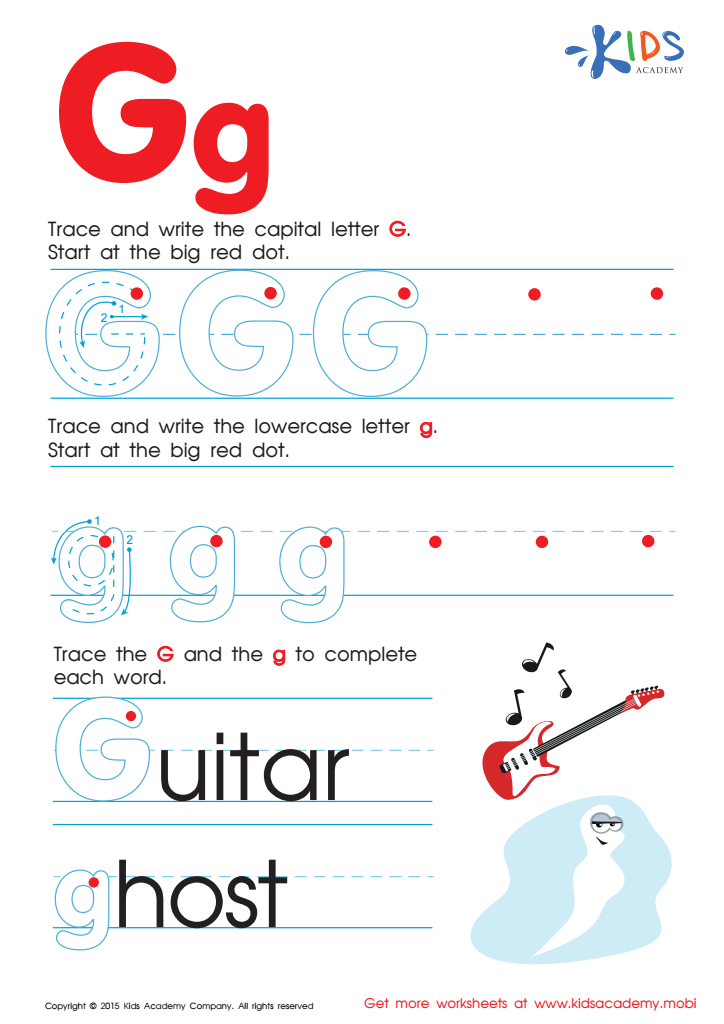
Letter G Tracing Page
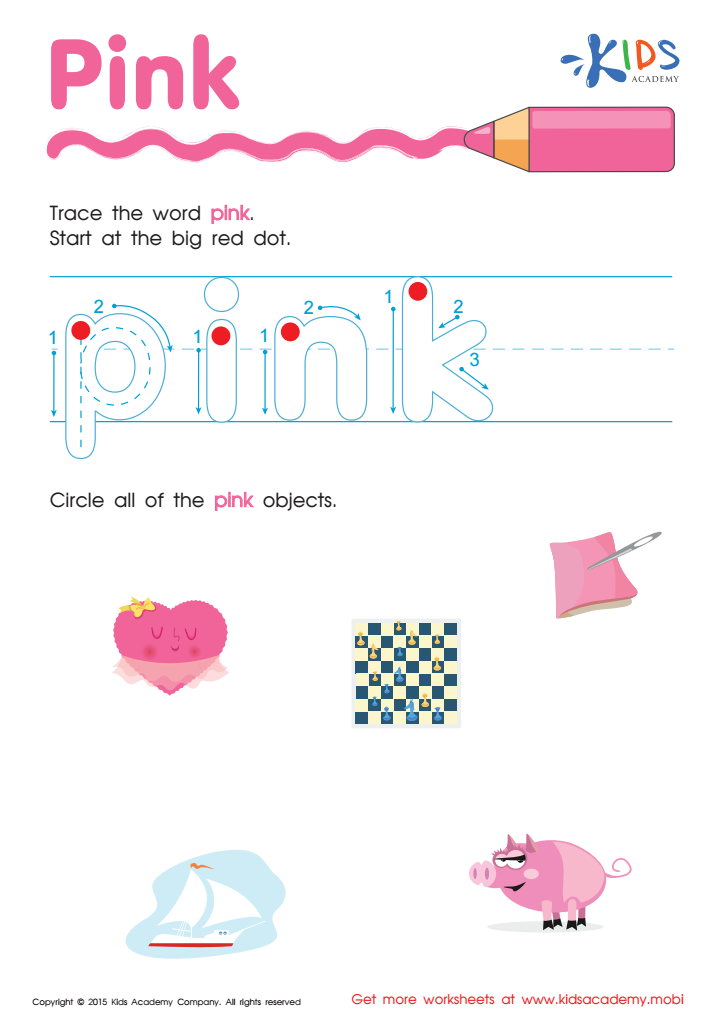
Pink Tracing Color Words Worksheet
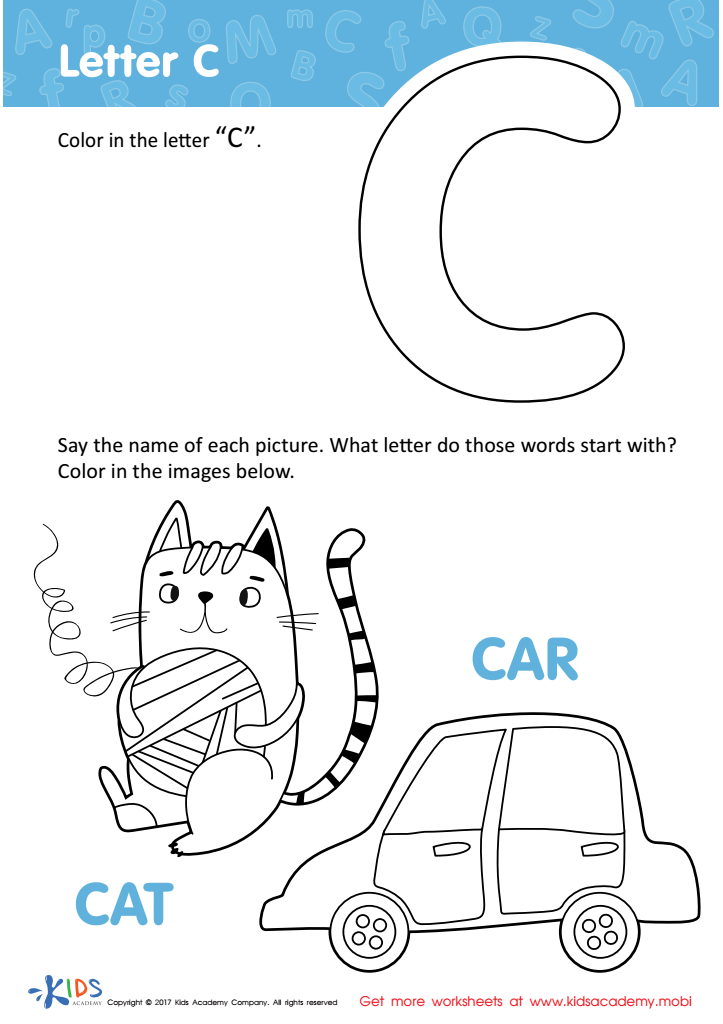
Letter C Coloring Sheet
 Assign to My Students
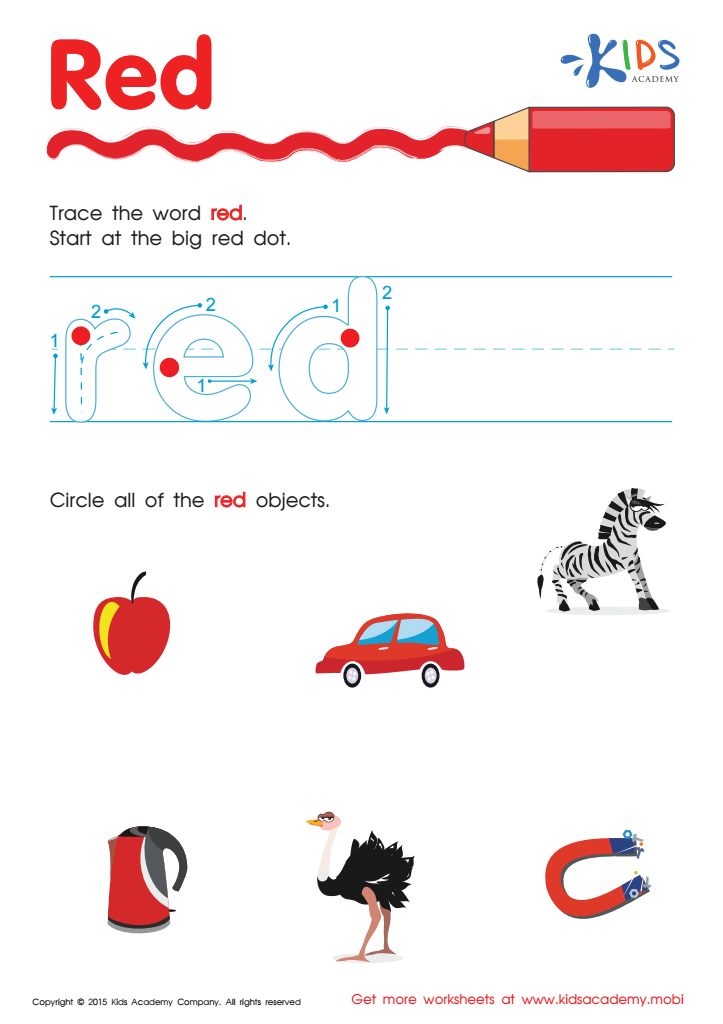
Red Tracing Color Words Printable
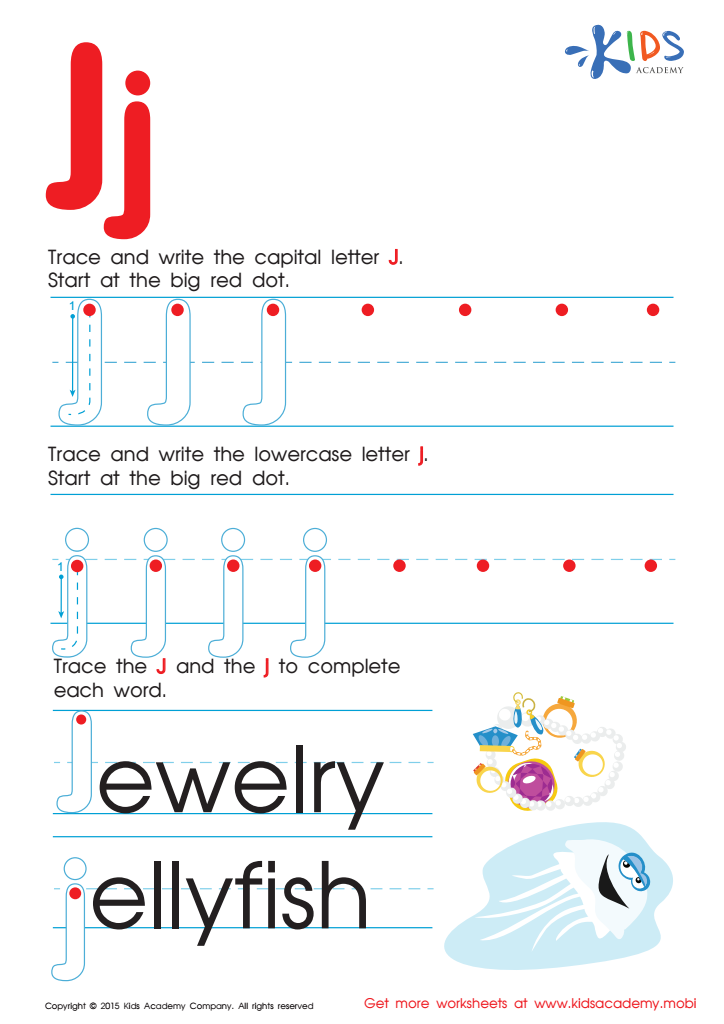
Letter J Tracing Page
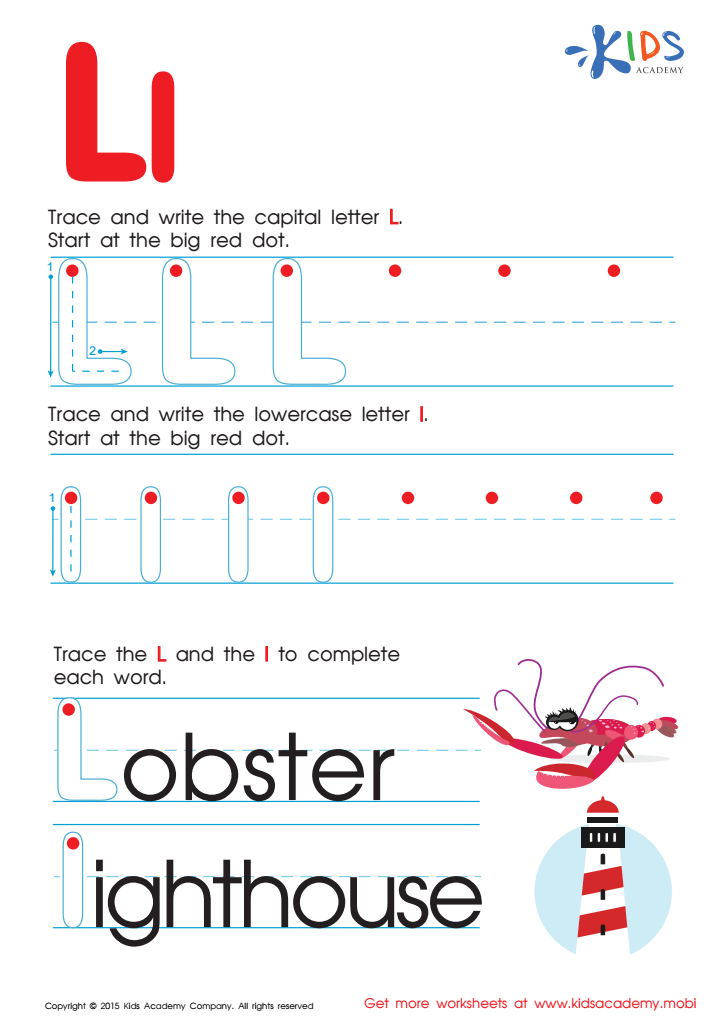
Letter L Tracing Page
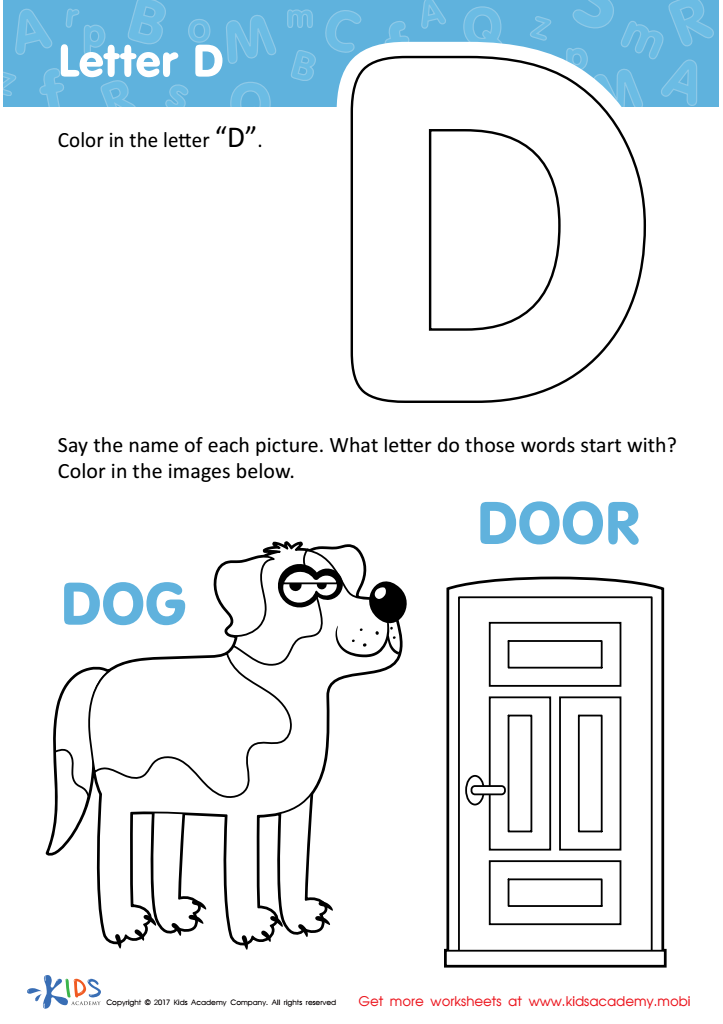
Letter D Coloring Sheet
Assign to My Students
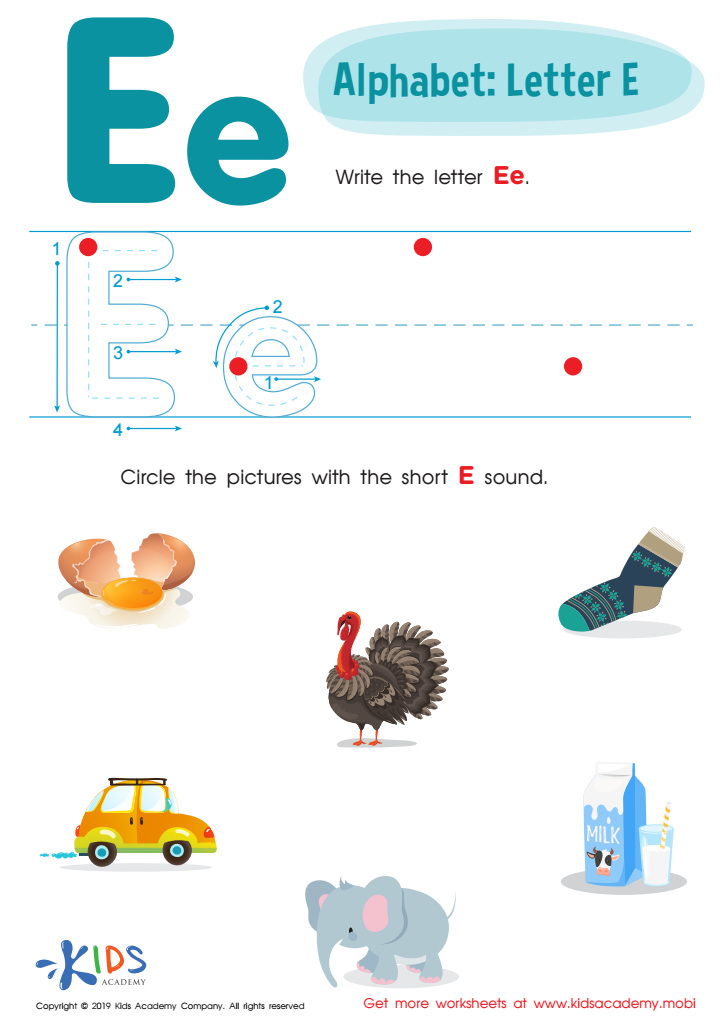
Letter E Tracing Worksheet
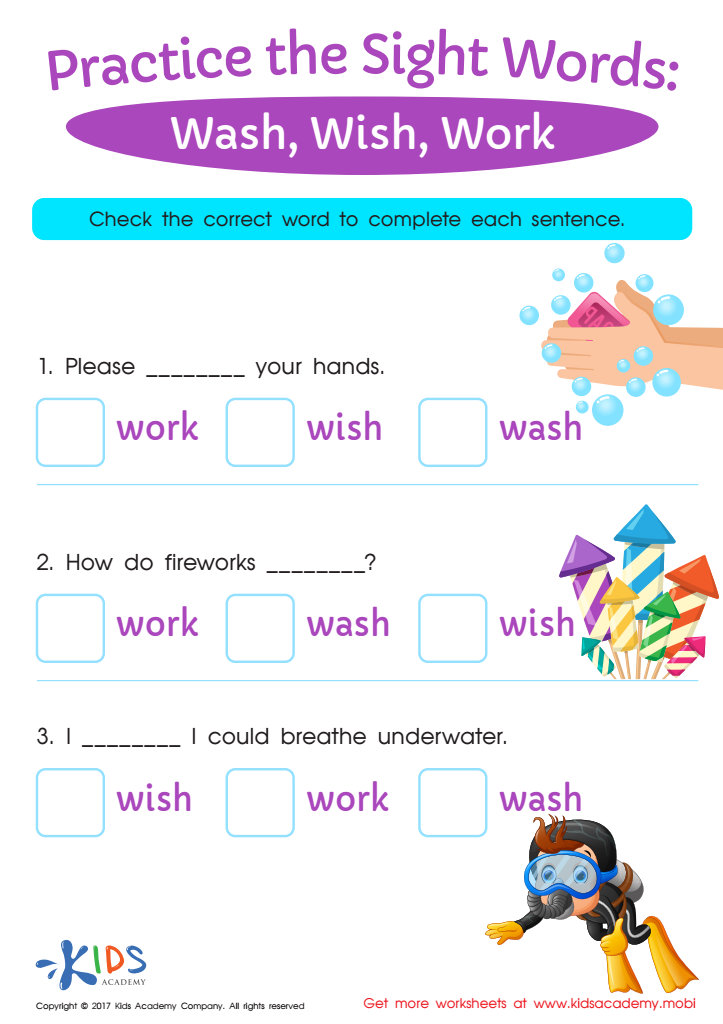
Wash, Wish, Work Sight Words Worksheet
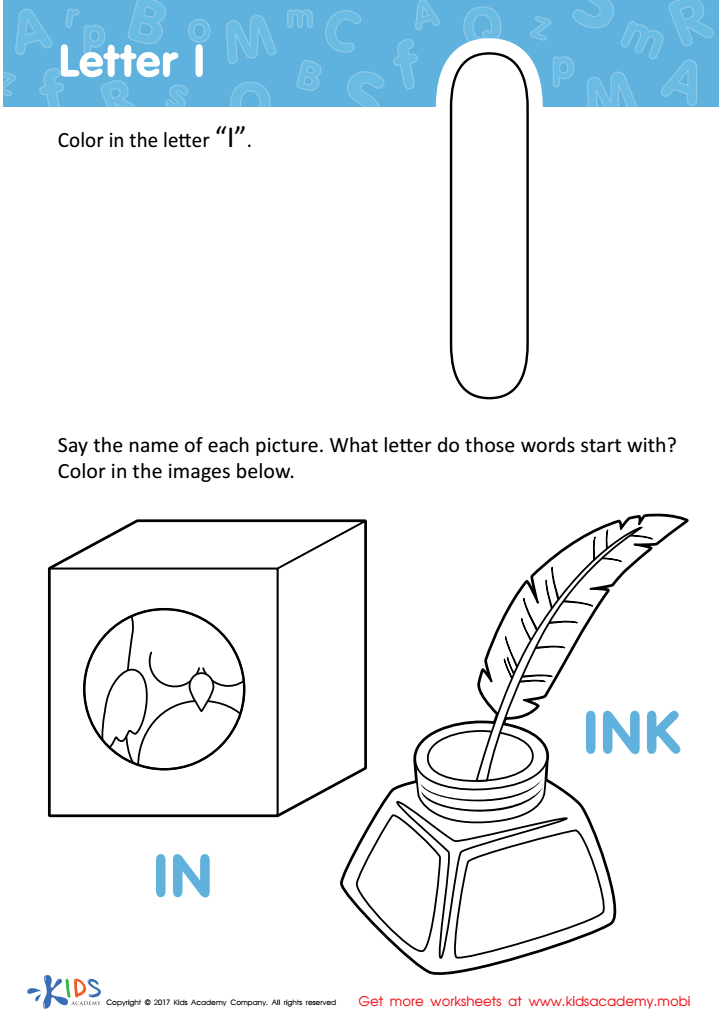
Letter I Coloring Sheet
Assign to My Students

Long and Short U Worksheet
Assign to My Students
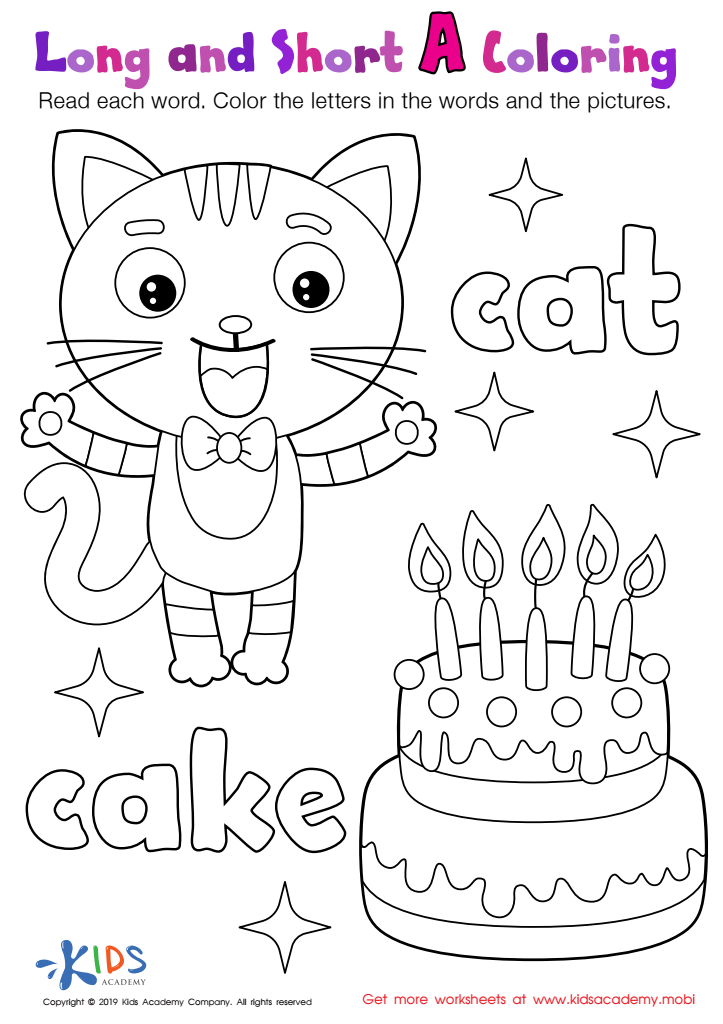
Long and Short A Worksheet
Assign to My Students
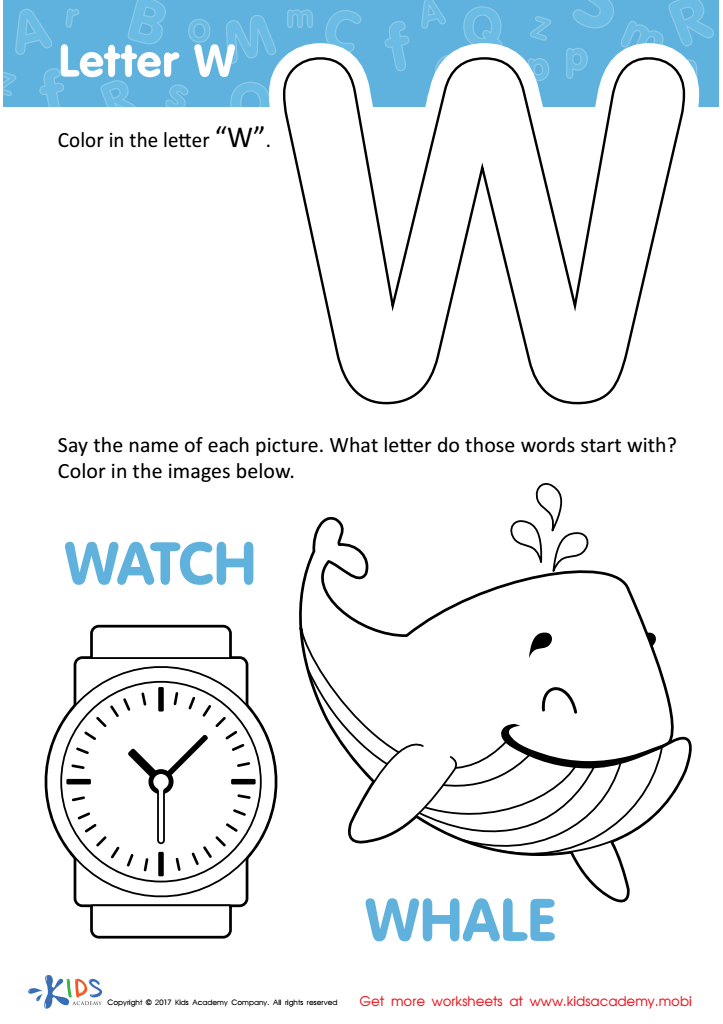
Letter W Coloring Sheet
Assign to My Students
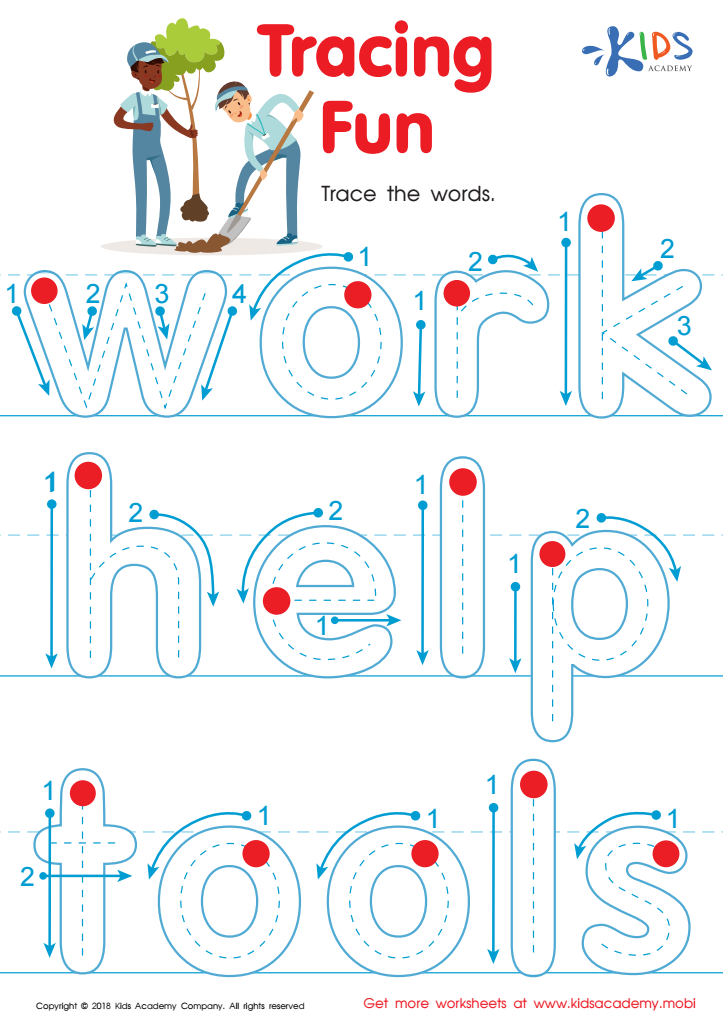
Tracing Fun Worksheet
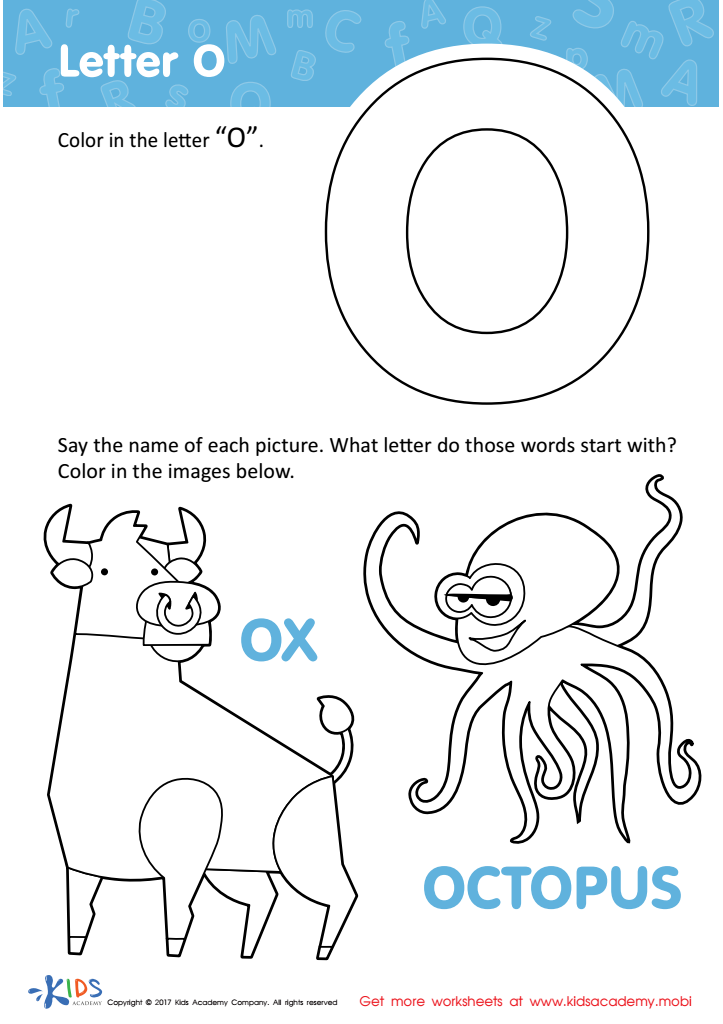
Letter O Coloring Sheet
Assign to My Students
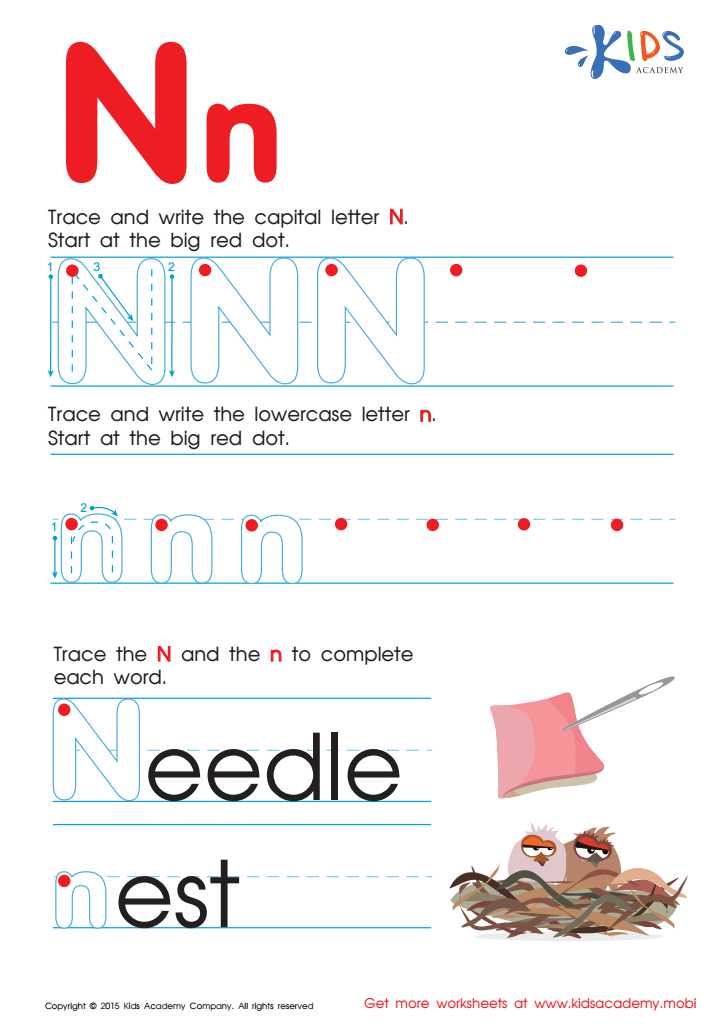
Letter N Tracing Page
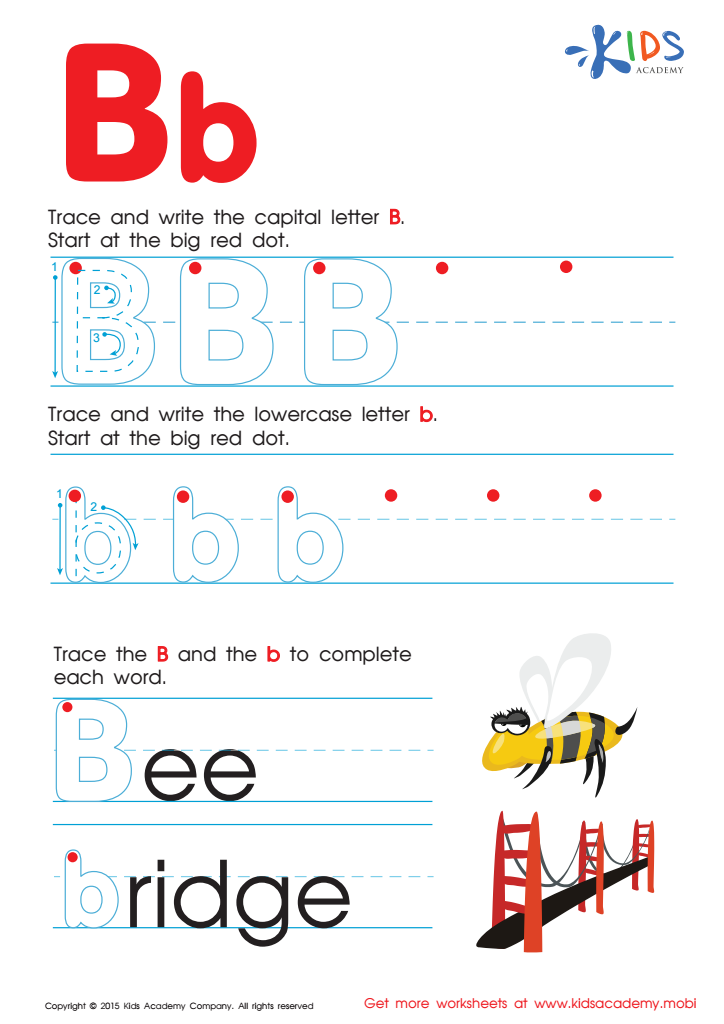
Letter B Tracing Page
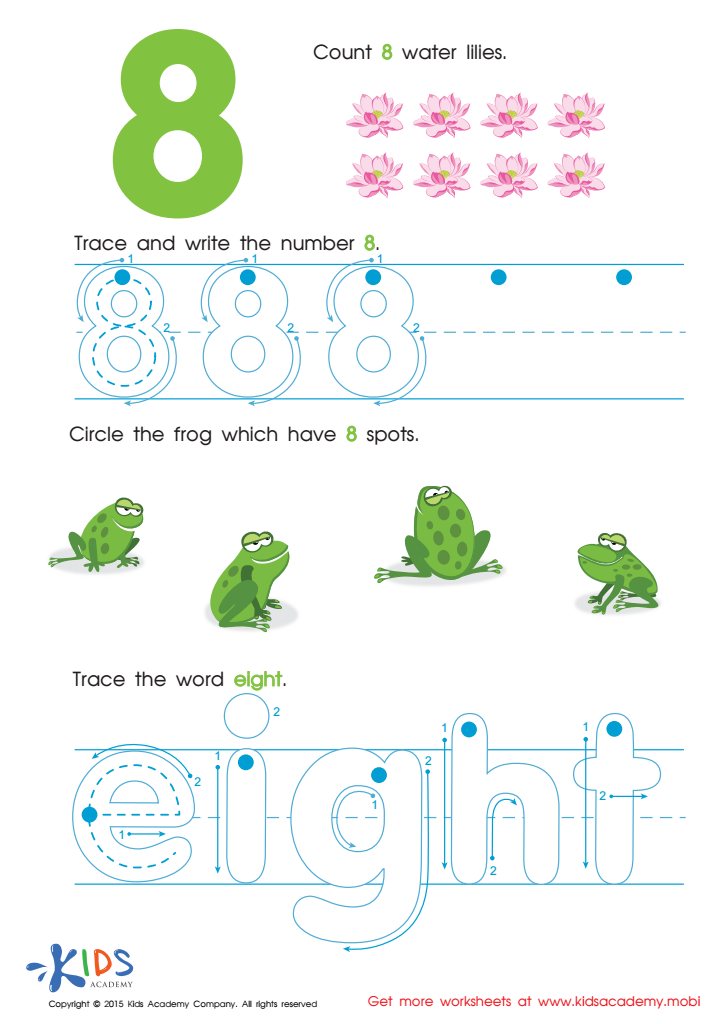
Learn Number 8 Easily Worksheet
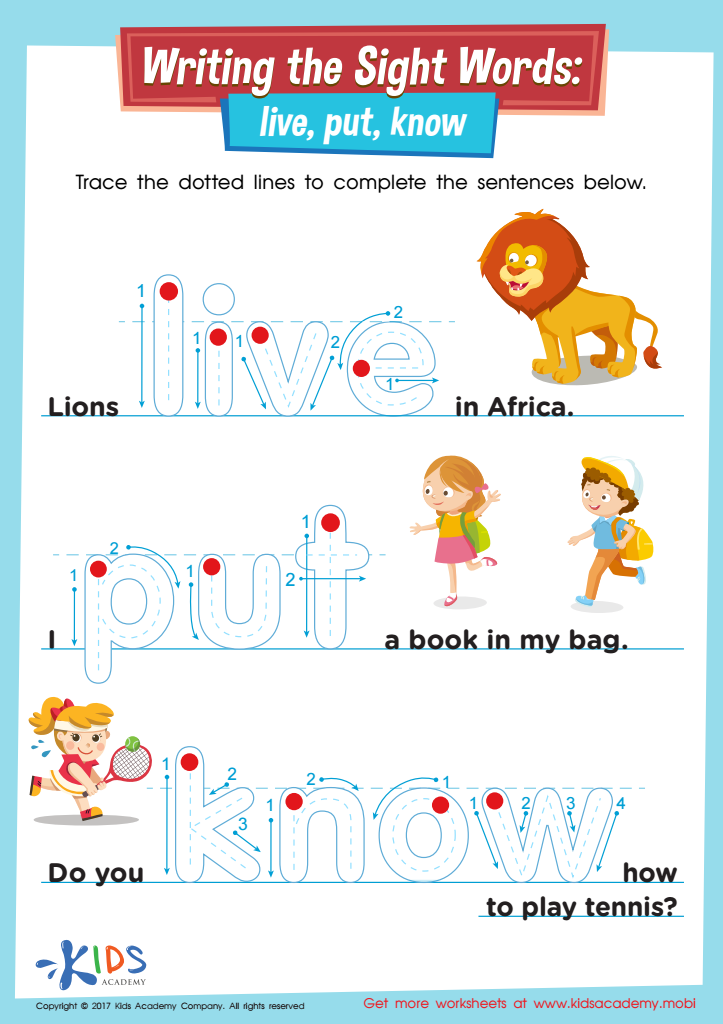
Live, Put, Know Printable Sight Words Worksheet
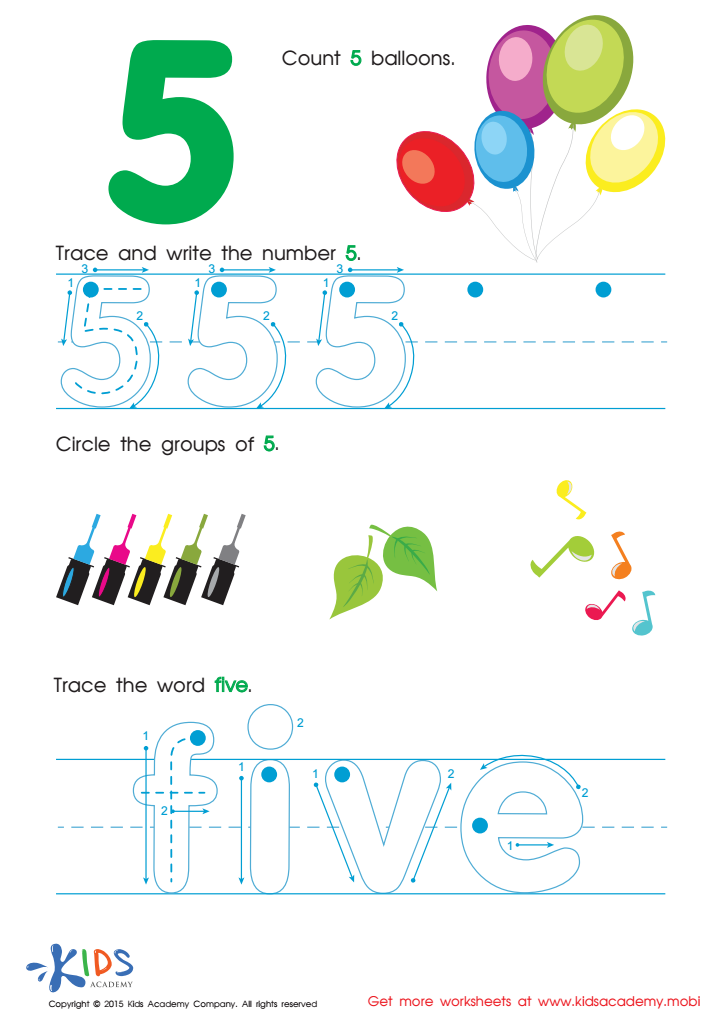
Practice Writing Number 5 Worksheet
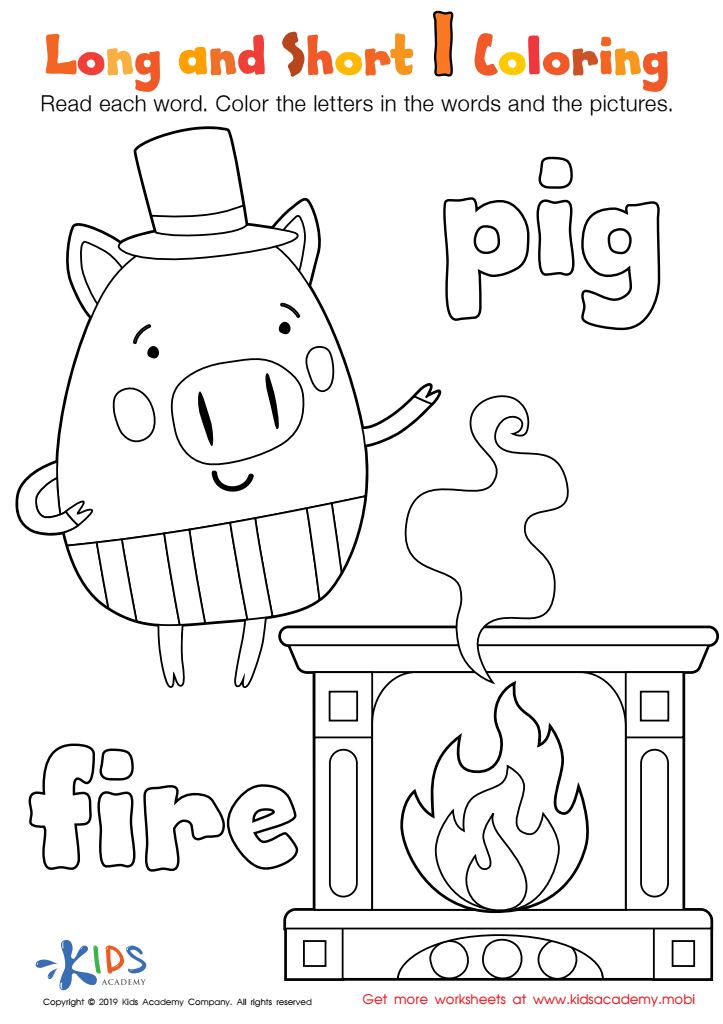
Long and Short I Worksheet
Assign to My Students
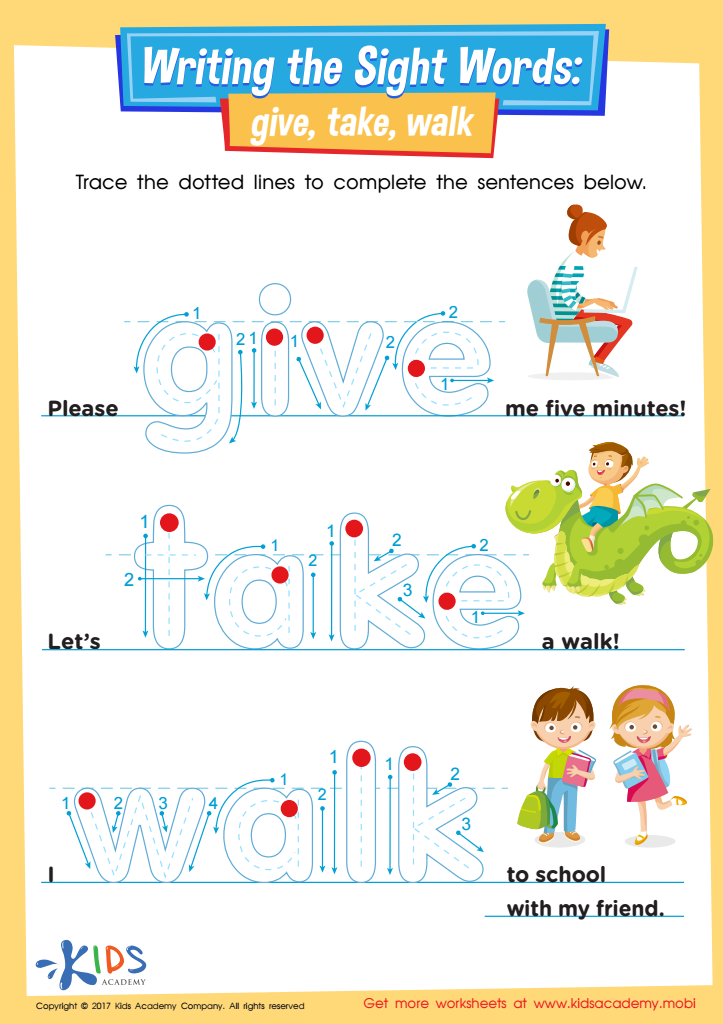
Give, Take, Walk Printable Sight Words Worksheet
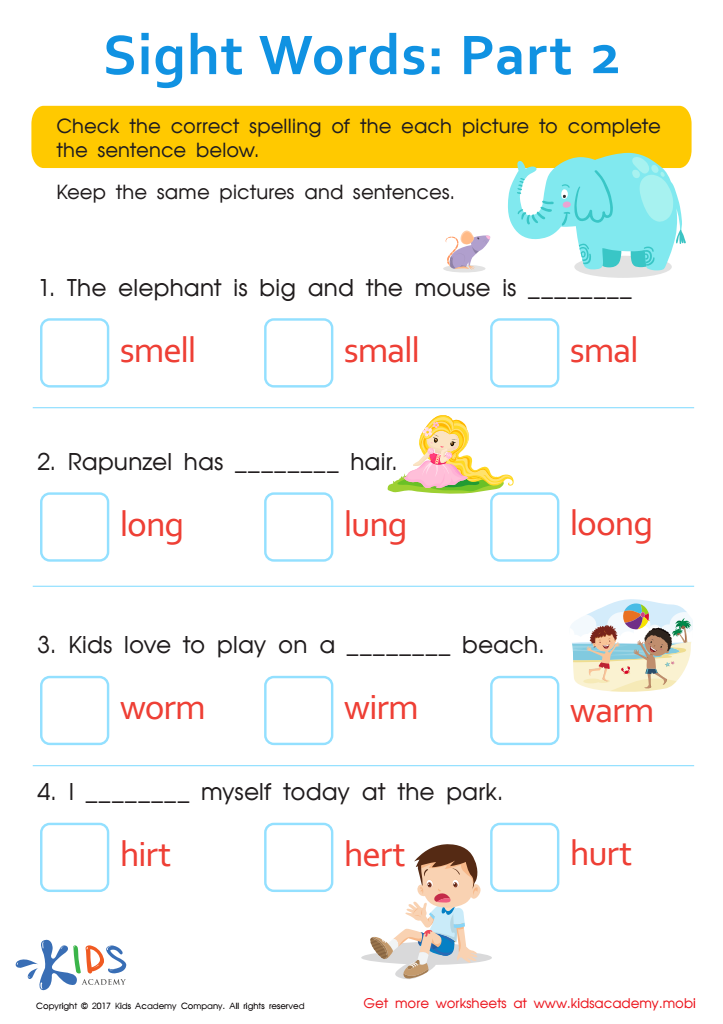
Sight Words Worksheet
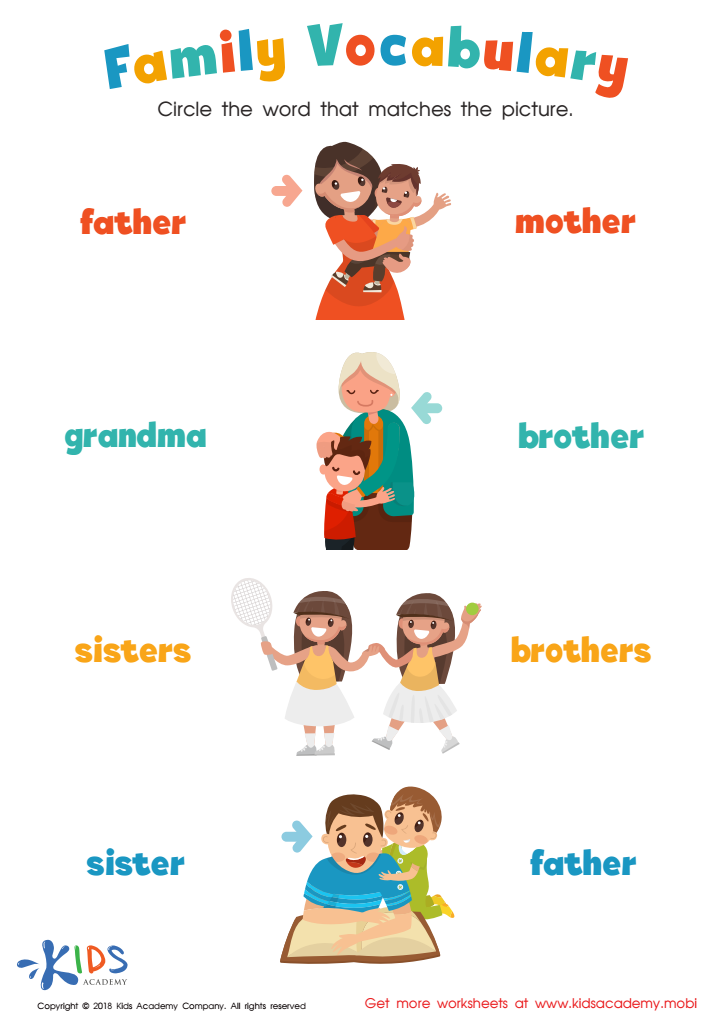
Family Vocabulary Worksheet





Teaching Normal English to young children aged 3-8 is crucial for their cognitive, social, and academic development. This age range is a foundational period for language acquisition, as children's brains are highly adaptable and primed for learning new languages. By focusing on Normal English during these early years, parents and teachers lay a strong foundation for effective communication skills, which are essential for success in later stages of education and life.
Firstly, mastering Normal English fosters cognitive development. It enhances children's abilities to think critically, solve problems, and understand complex concepts. Language skills also play a significant role in memory retention and the ability to grasp new ideas.
Secondly, language proficiency boosts social development. Effective communication helps children express their needs and emotions more clearly, promoting healthier interactions with peers and adults. This is particularly important for building friendships and social networks, which are crucial for emotional well-being.
Lastly, a strong grasp of Normal English is vital for academic success. Reading, writing, and comprehension skills are essential in virtually every subject. Early language proficiency gives children a head start in their educational journeys, providing them with the tools they need to excel academically.
In summary, investing in Normal English for young children paves the way for a brighter, more successful future by enriching their cognitive, social, and educational experiences.