Color recognition Normal Worksheets for Ages 3-8 - Page 2
34 filtered results
-
From - To
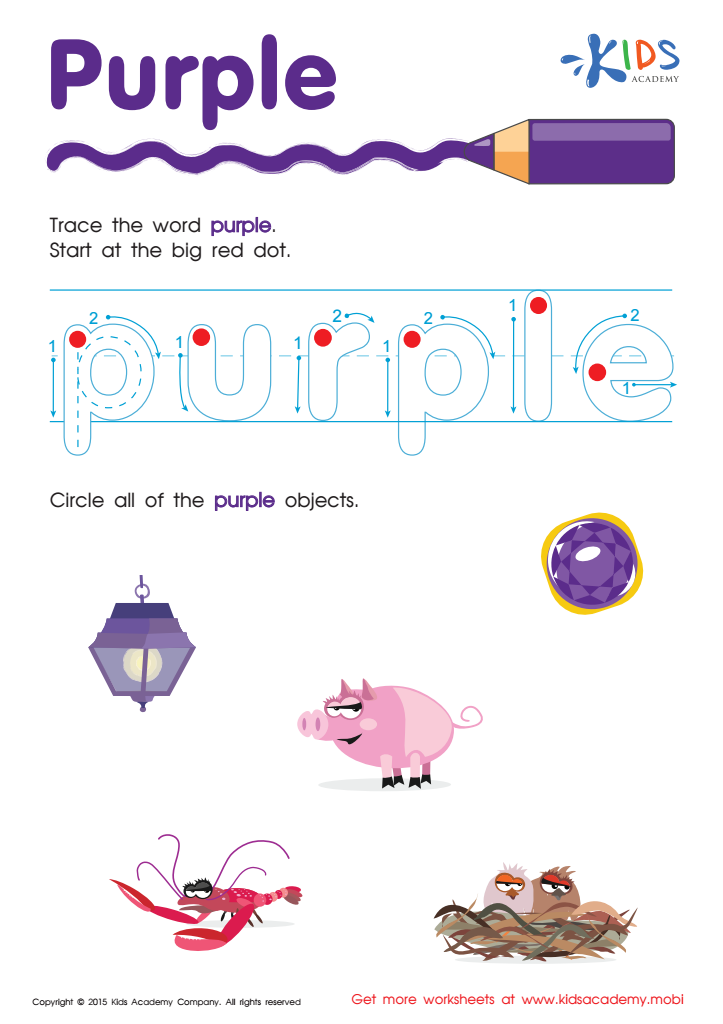
Purple Tracing Color Words Worksheet
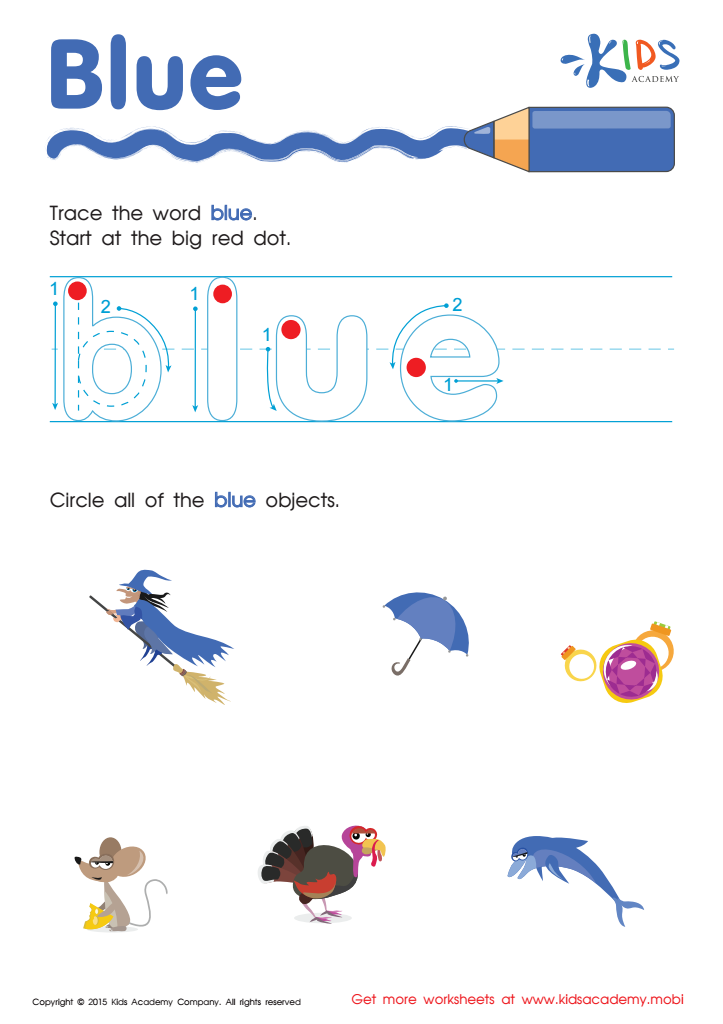
Blue Tracing Color Words Printable
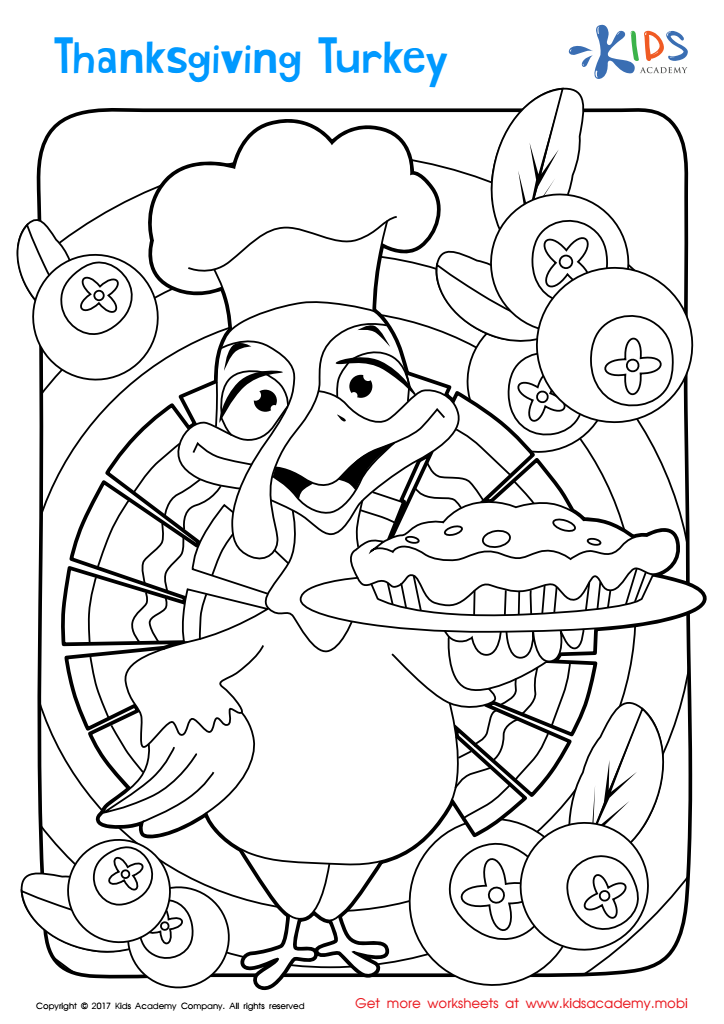
Turkey Thanksgiving Day Worksheet
 Assign to My Students
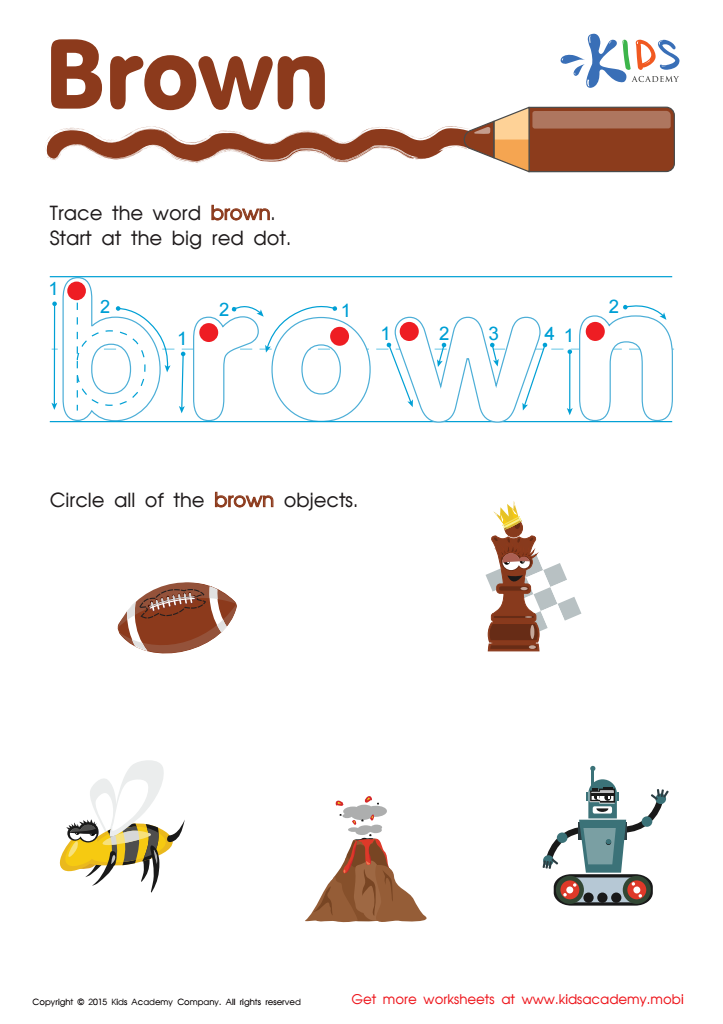
Brown Tracing Color Words Worksheet
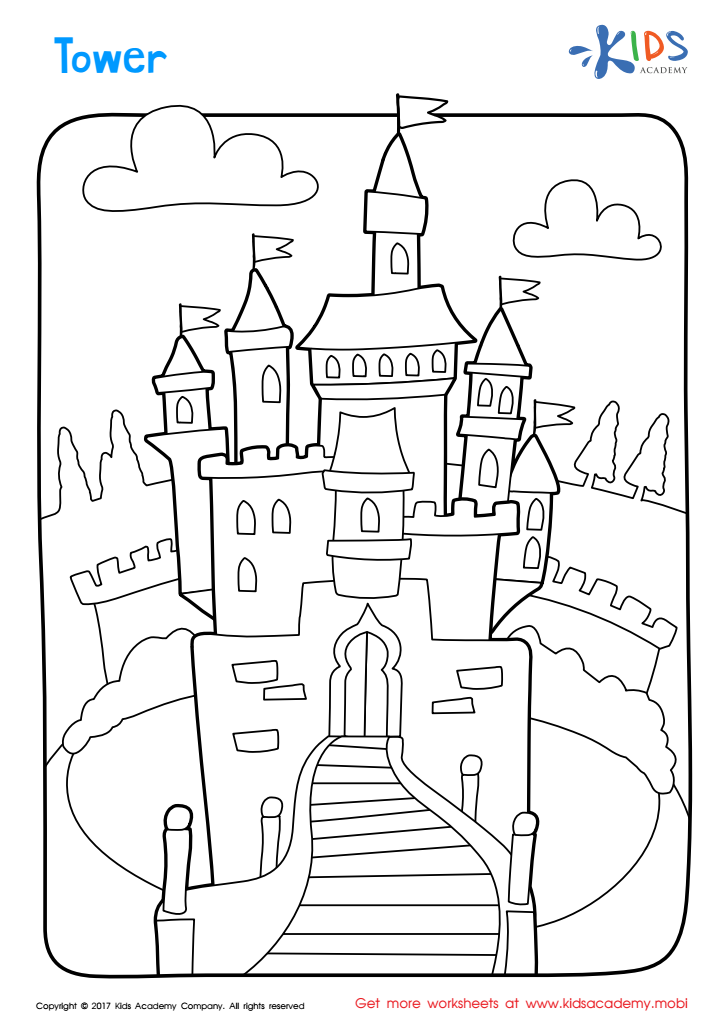
Tower Coloring Page
Assign to My Students
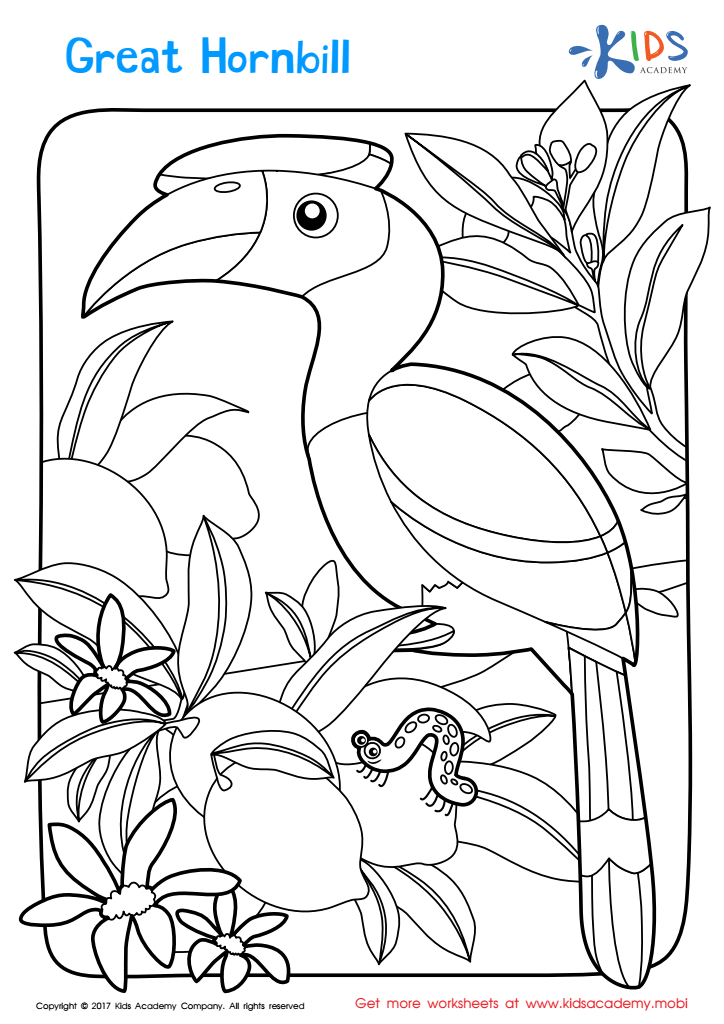
Great Hornbill Worksheet
Assign to My Students
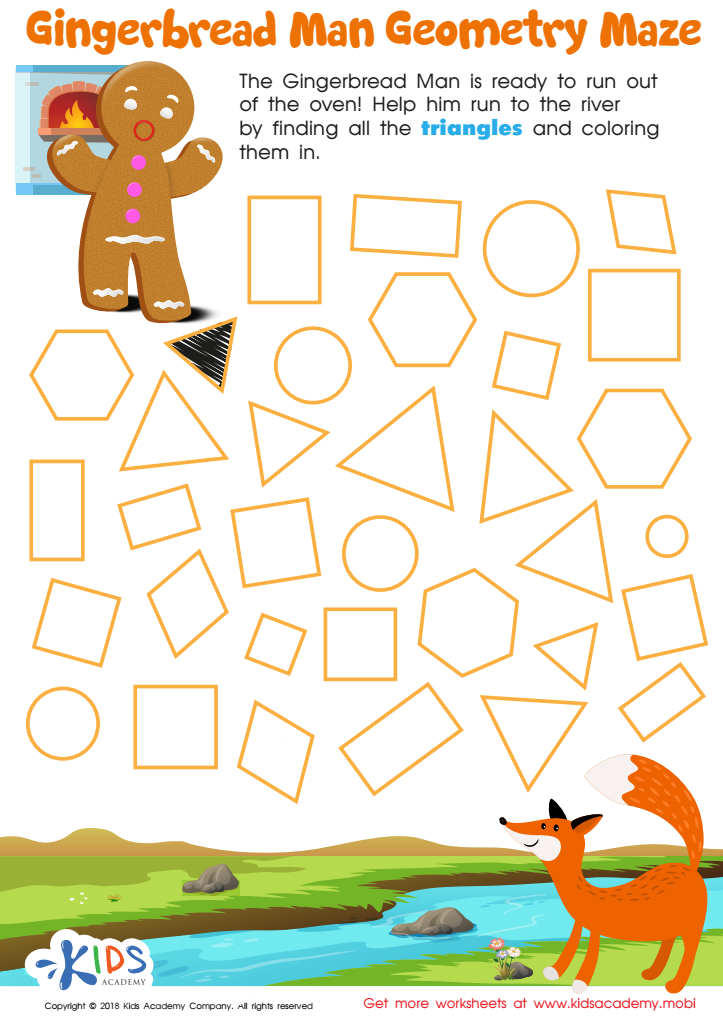
Gingerbread Man Geometry Maze Worksheet
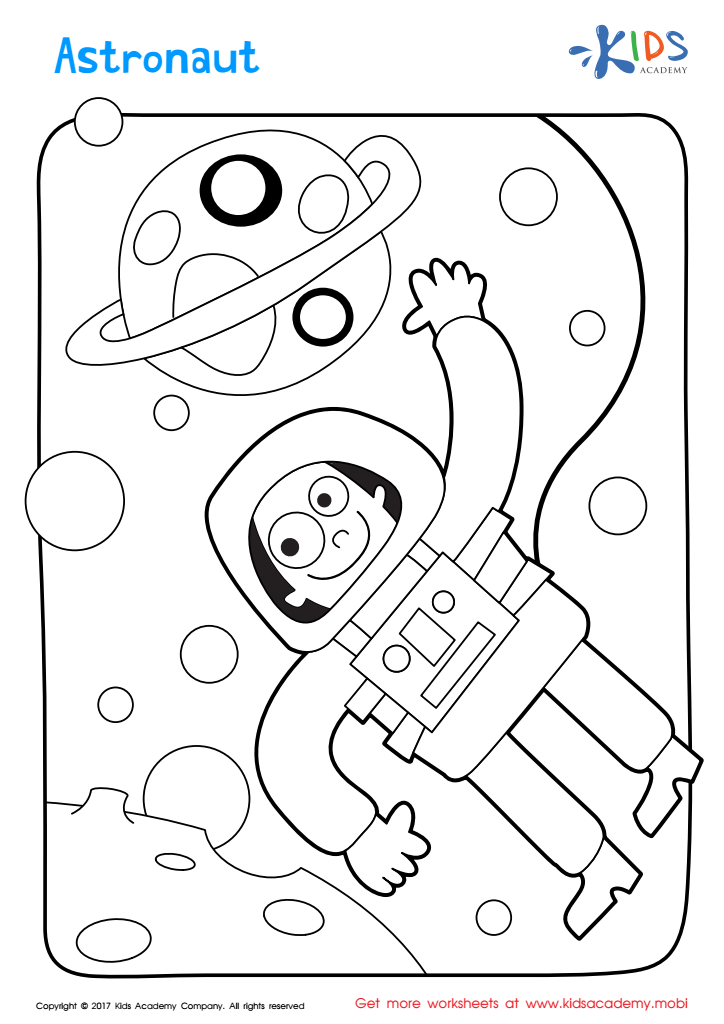
Astronaut Coloring Page
Assign to My Students
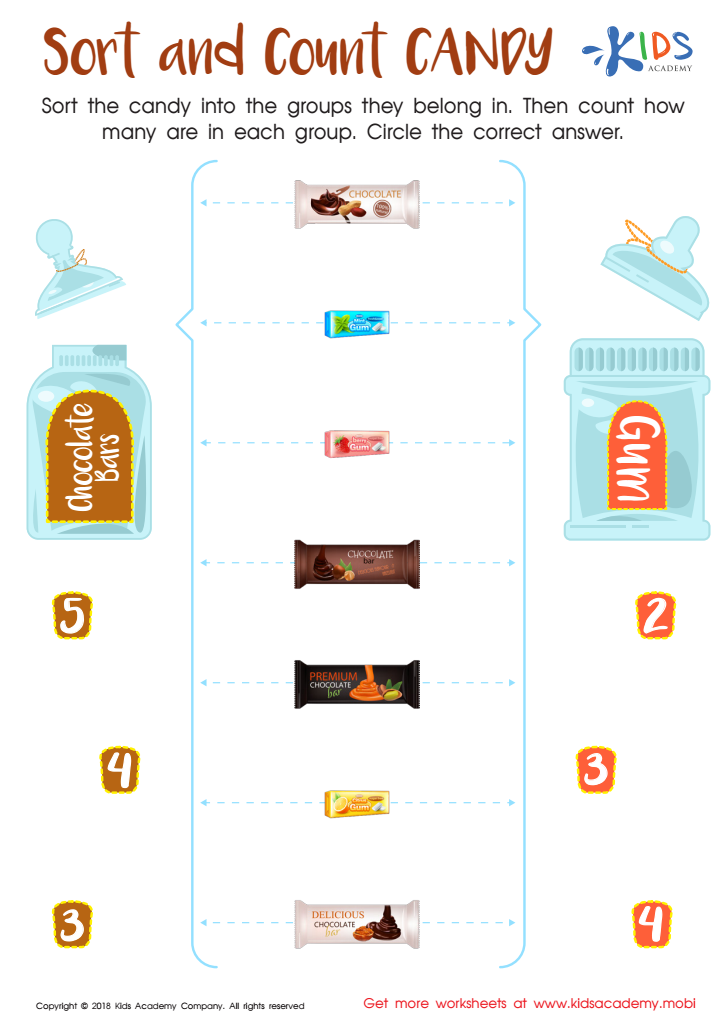
Sort and Count Candy Worksheet
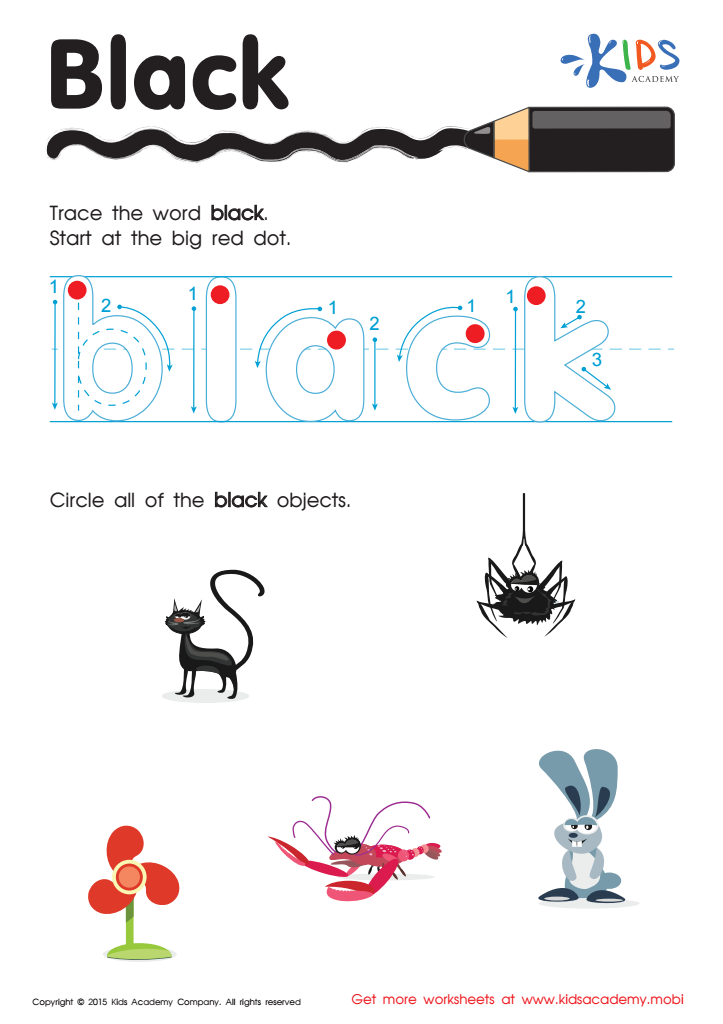
Black Tracing Color Words Printable








Color recognition is a critical aspect of early childhood development, making it essential for parents and teachers to prioritize it for children aged 3-8. At this young stage, children are cognitive sponges, rapidly absorbing and processing information about the world around them. Recognizing and distinguishing colors helps them categorize and organize visual information, facilitating improved perception and understanding.
Firstly, color recognition supports academic growth, specifically in the realms of language and mathematics. When children learn to name and identify colors, they enhance their vocabulary, which in turn contributes to their overall language development and communication skills. For example, knowing colors enables children to follow classroom directions better and describe objects and experiences more effectively.
Secondly, foundational skills in fields like math and science are rooted in color recognition. Sorting and classifying objects by color helps children grasp basic principles of similarity and difference, aiding logical reasoning and problem-solving abilities. Recognizing patterns, an essential mathematical skill, is also tied to color differentiation.
Furthermore, color recognition nurtures creativity and artistic expression. Children who can identify a variety of colors are better equipped to draw, paint, and engage in imaginative play, which are crucial for emotional and creative development.
Lastly, road safety and environmental interaction also significantly benefit from robust color recognition skills. Recognizing colors like red, green, or yellow can help children understand traffic signals and warnings, ensuring their safety.
In conclusion, color recognition provides a foundation that supports various developmental domains and equips children for more advanced learning and interactions.








