Comparative analysis Normal Worksheets for Ages 3-8
6 filtered results
-
From - To
Our comprehensive collection of normal worksheets for ages 3-8 focuses on building and enhancing your child's analytical skills through comparative analysis. These engaging activities are tailored to develop critical thinking by encouraging children to identify similarities and differences in various objects and scenarios. Suitable for preschool to early elementary, the worksheets cater to varying learning stages, promoting cognitive growth and visual discrimination. Designed by educational experts, our printable worksheets are ideal for both classroom use and at-home learning, ensuring a seamless and enjoyable educational experience for young learners. Explore our selection to support your child's development today.
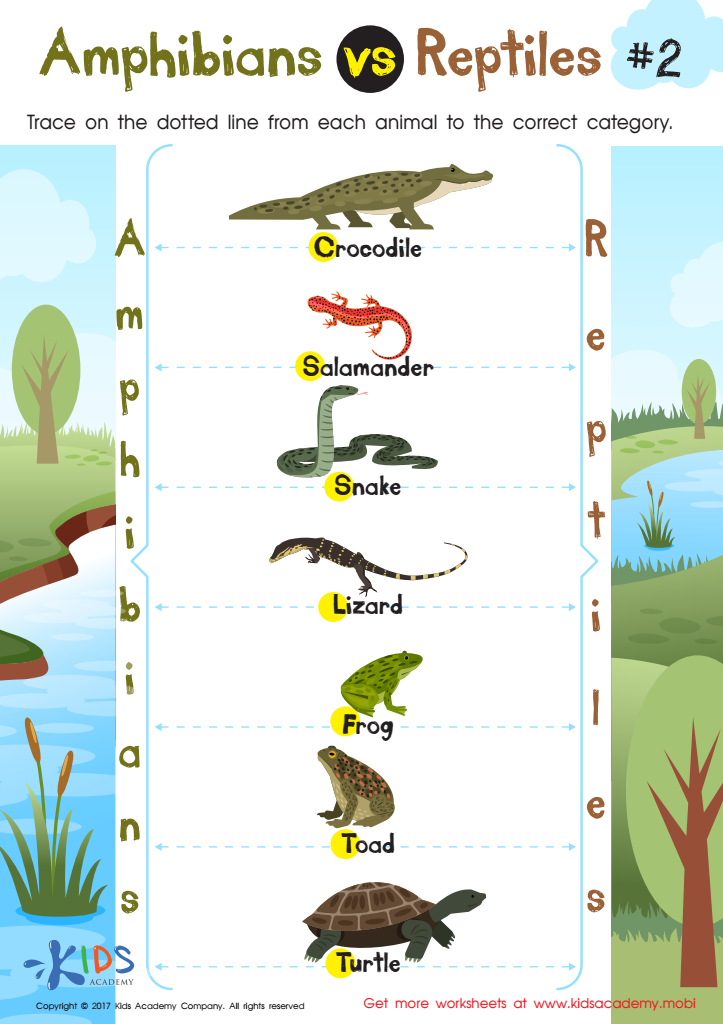
Amphibians vs Reptiles Worksheet for 3rd Grade
 Assign to My Students
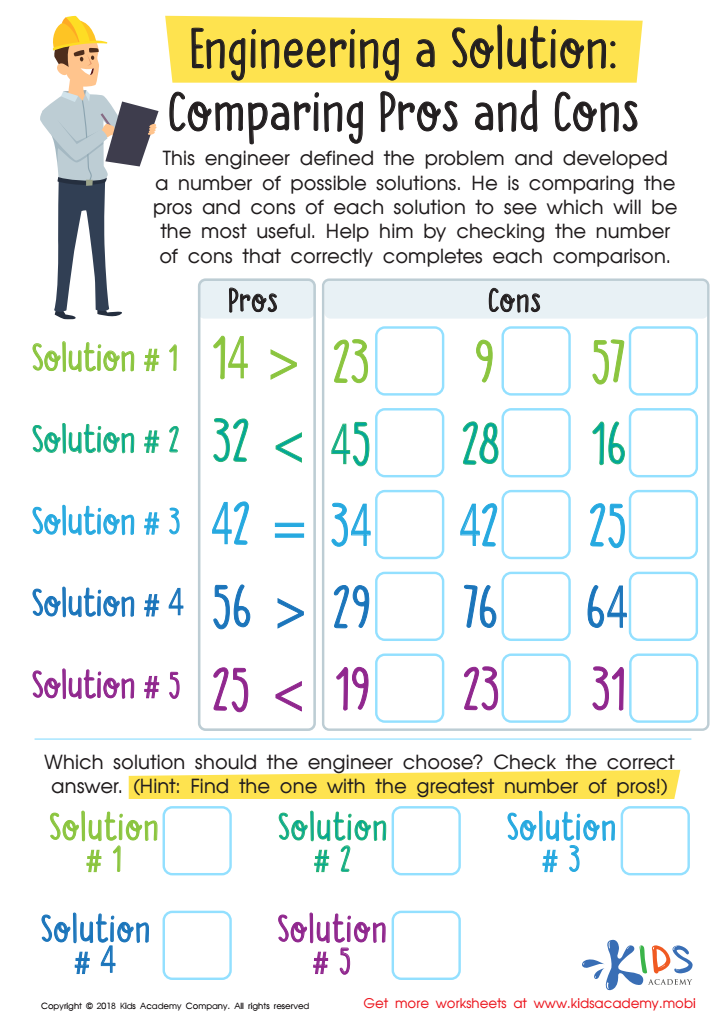
Engineering a Solution: Comparing Pros and Cons Worksheet
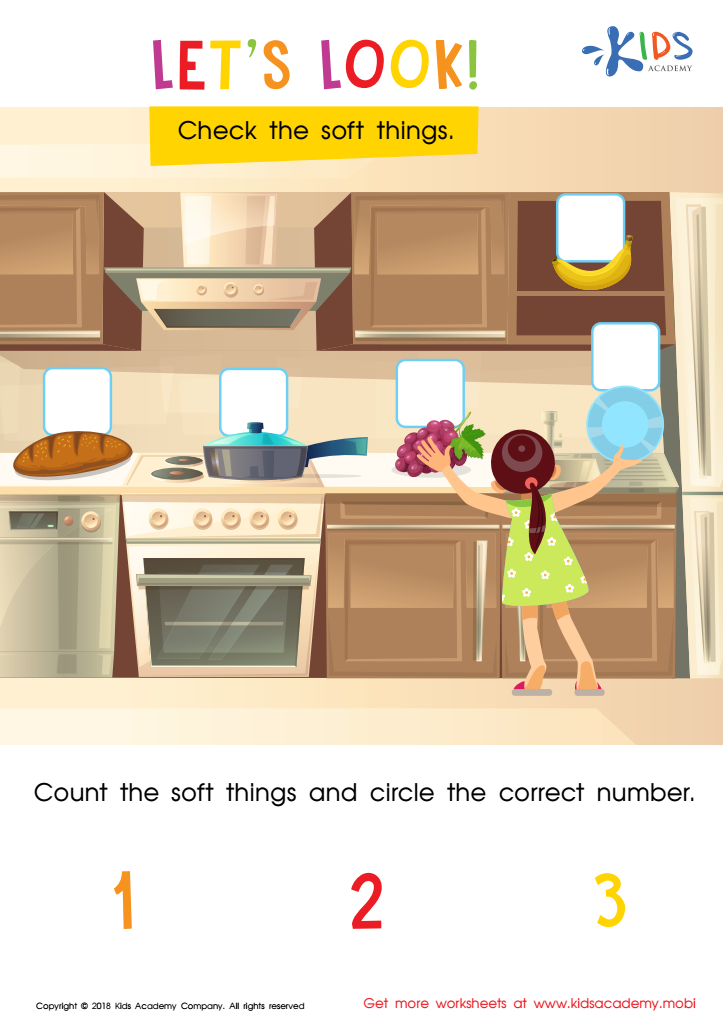
Let's Look! Assessment Worksheet
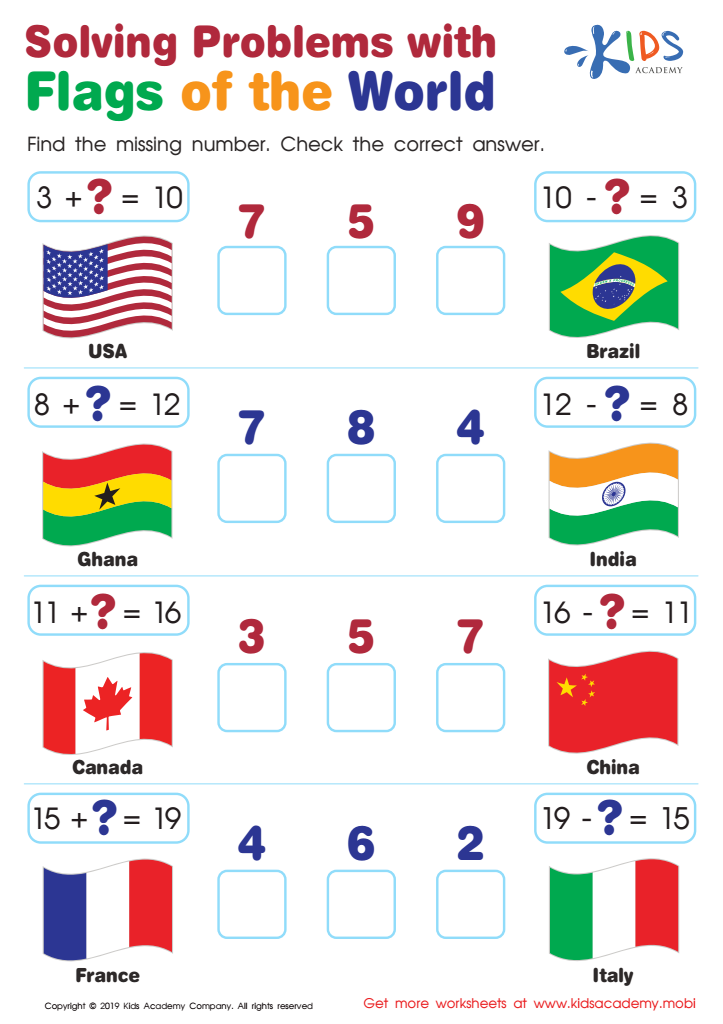
Solving Problems with Flags of the World Worksheet
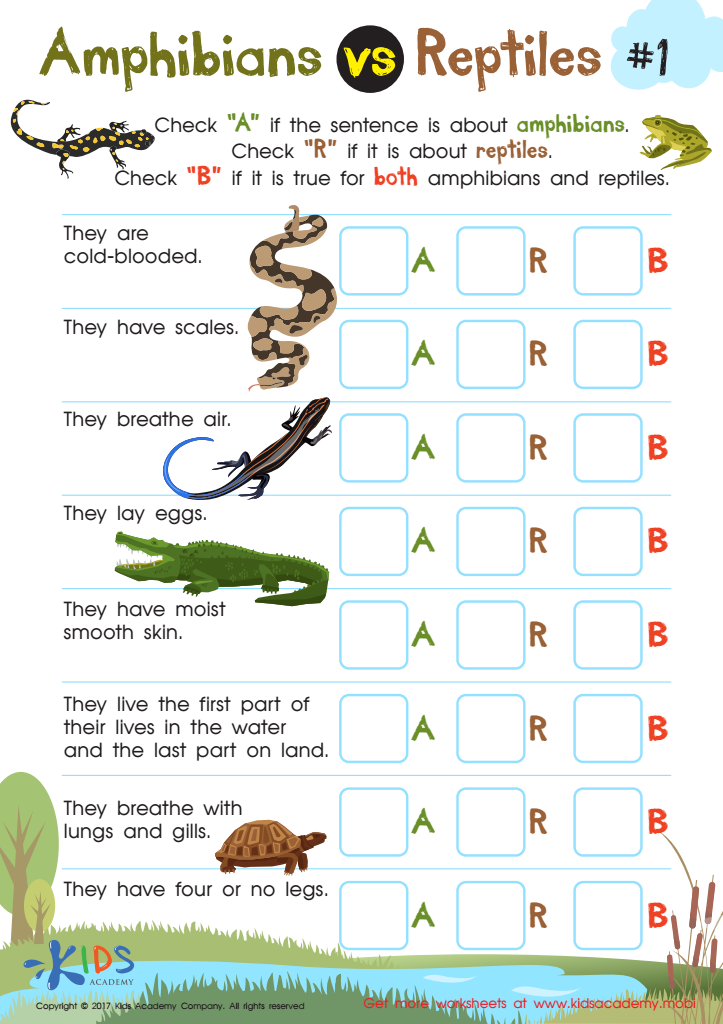
Amphibians vs Reptiles Worksheet
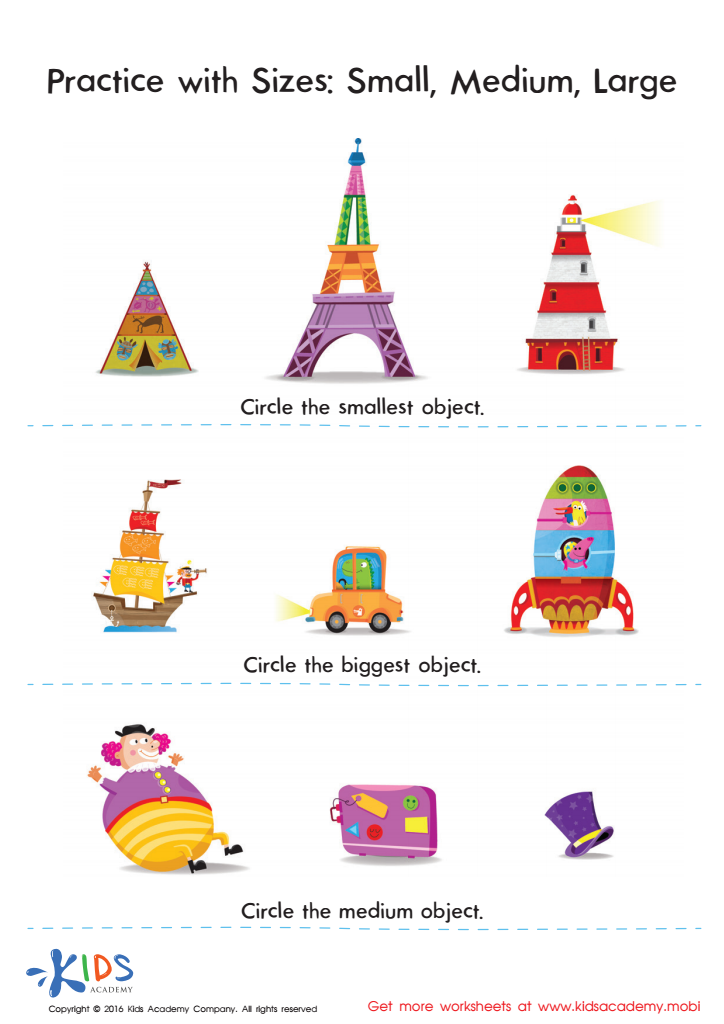



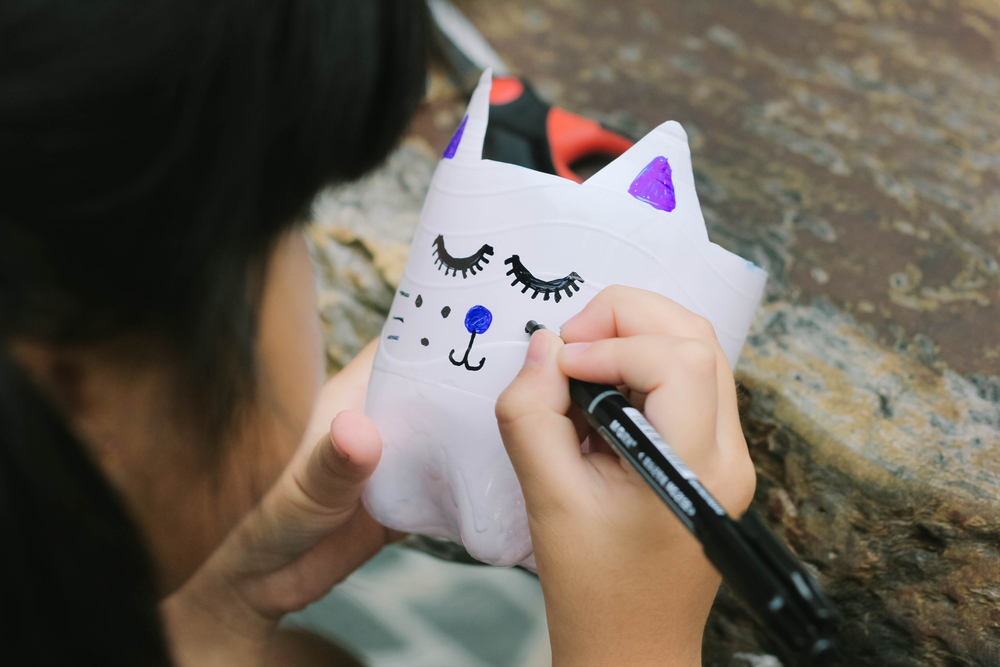


Parents and teachers should care about comparative analysis norms for ages 3-8 because these benchmarks provide crucial insights into child development and readiness for school. Understanding these norms helps identify typical developmental milestones in areas such as language, cognitive skills, motor skills, and social-emotional growth. By comparing a child's progress against established standards, parents and educators can detect early signs of developmental delays or giftedness, allowing for timely interventions or enrichment activities tailored to the child's needs.
For teachers, these norms serve as a guiding framework to adjust instructional strategies, ensuring that lessons are age-appropriate and cater to the evolving abilities of each child. For parents, they offer a window into their child's developmental trajectory, fostering better home support and collaboration with educators.
Moreover, comparative analysis helps in creating inclusive learning environments that respect each child's unique pace. This approach shifts from one-size-fits-all education to personalized learning paths, emphasizing equity and individual growth. Ultimately, awareness of these norms nurtures well-rounded development, paving the way for academic success, self-confidence, and lifelong learning. Through informed support, parents and teachers can play proactive roles in shaping positive educational experiences during these formative years.








