Decision making process Normal Worksheets for Ages 3-8
3 filtered results
-
From - To
Enhance your child's decision-making skills with our "Decision Making Process Normal Worksheets" designed for ages 3-8. These educational worksheets from Kids Academy provide engaging activities to help young minds understand and practice crucial decision-making steps. Through fun and interactive tasks, children learn to identify choices, evaluate options, and make informed decisions. Perfect for nurturing critical thinking and problem-solving abilities, our worksheets prepare kids for real-life situations in an enjoyable way. Visit Kids Academy to explore our diverse collection and help your child build a strong foundation for future success.
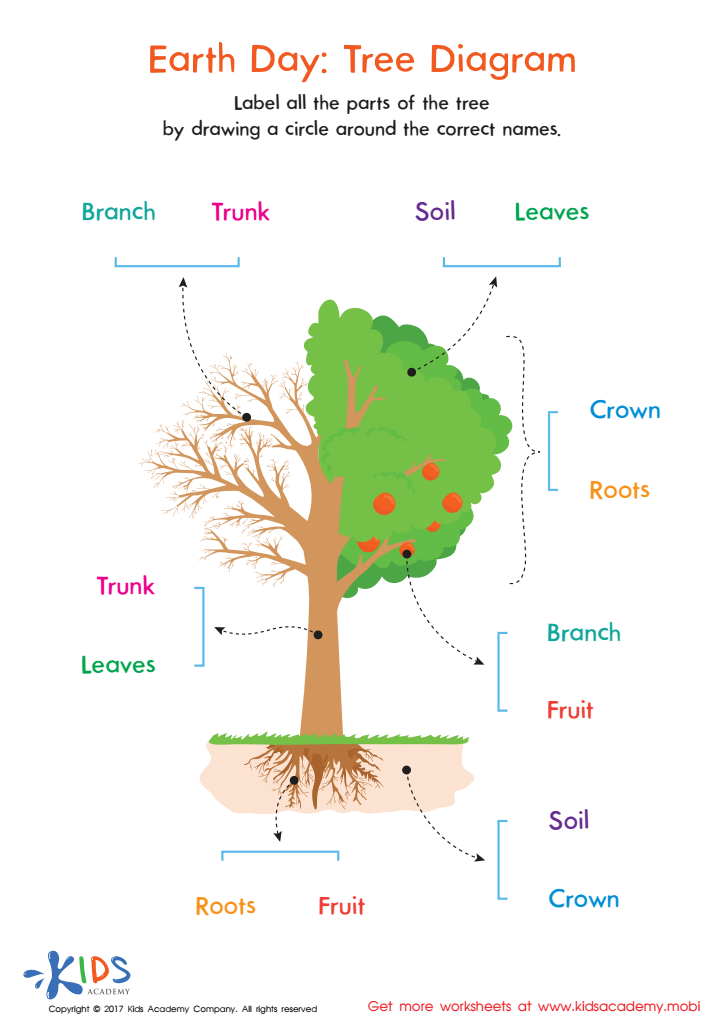
Earth Day: Tree Diagram Worksheet
 Assign to My Students
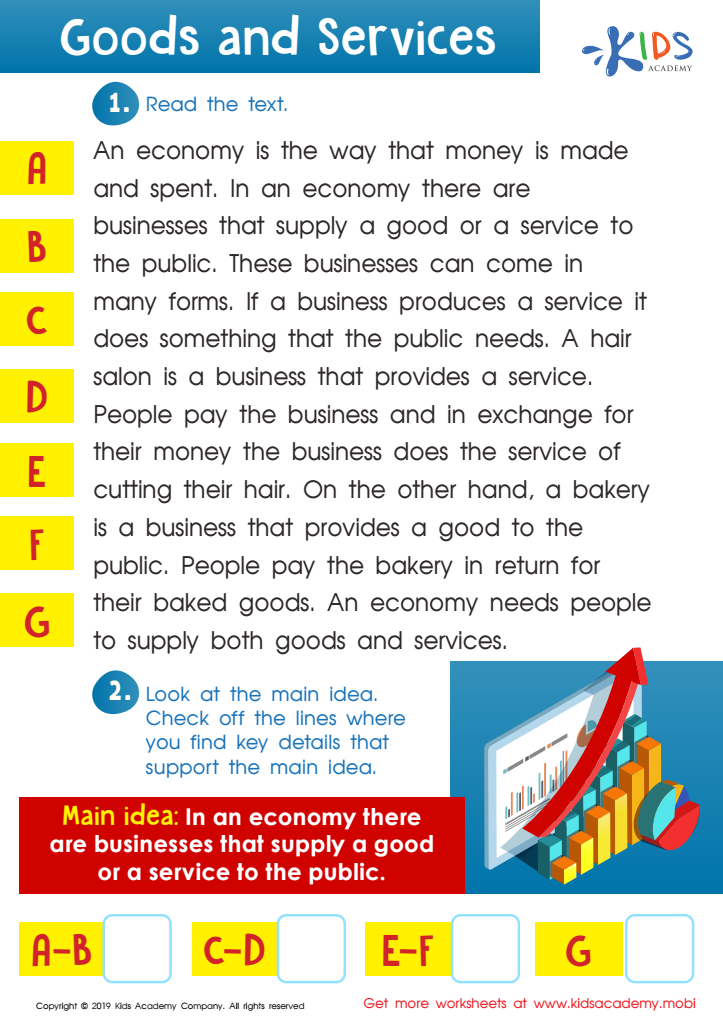
Goods and Services Worksheet
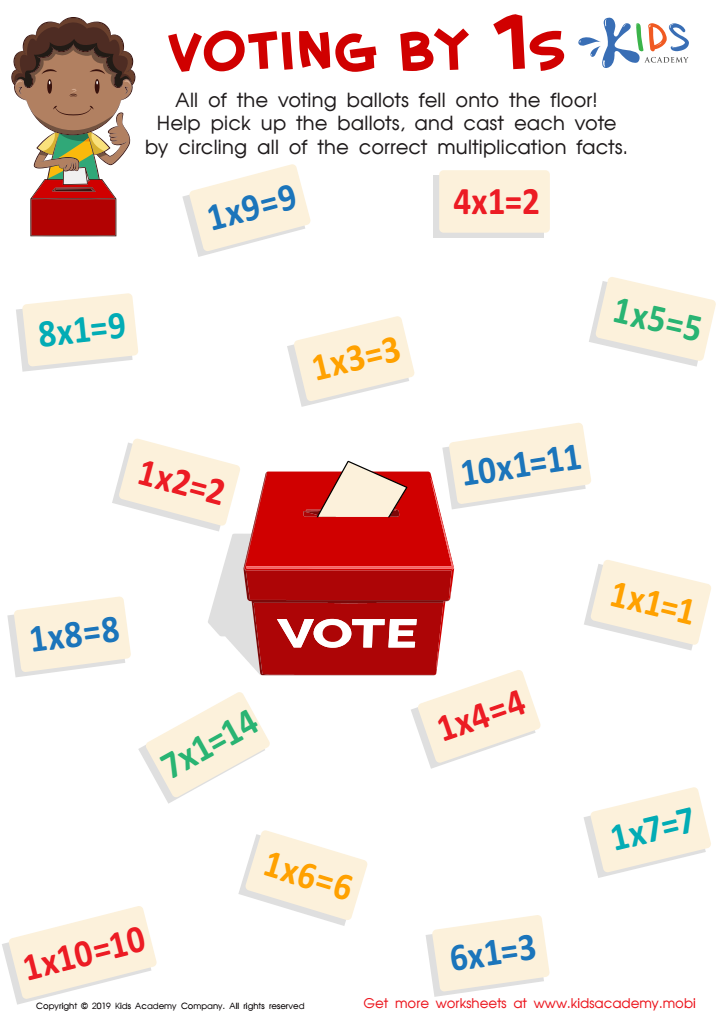
Voting by 1s Worksheet







Parents and teachers play a crucial role in shaping the decision-making abilities of children ages 3-8, a period characterized by rapid cognitive, social, and emotional development. At this formative stage, young children begin to understand actions and consequences, formulate preferences, and experience the first glimmers of independence. Cultivating sound decision-making skills during these early years is essential for several reasons.
Firstly, fostering good decision-making sets the foundation for self-confidence and autonomy. When children are encouraged to make choices, such as selecting an outfit or picking a storybook, they develop a sense of agency and responsibility. This empowerment positively affects their self-esteem and resilience.
Secondly, learning to make decisions aids in critical thinking and problem-solving skills. Young children start to weigh options, consider potential outcomes, and make reasoned choices, an essential life skill beneficial in academics and beyond.
Furthermore, support from parents and teachers helps inculcate moral and ethical values. Decisions rooted in kindness, fairness, and empathy are critical for social interactions and relationships.
In essence, guiding children through the decision-making process is not just about helping them choose wisely in the moment but also about equipping them with lifelong tools for personal growth, social competence, and adaptive learning.








