
Differentiating goods/services Normal Worksheets for Ages 3-8
3 filtered results
Difficulty Level
Grade
Age
-
From - To
Subject
Activity
Standards
Explore our engaging Differentiating Goods/Services Worksheets designed for children aged 3-8. These interactive resources help young learners distinguish between various goods and services in a fun and educational manner. Each worksheet is tailored to develop critical thinking and understanding of everyday concepts, using age-appropriate visuals and examples. Ideal for both classroom and home learning, our worksheets encourage exploration and creativity while reinforcing foundational knowledge. With a variety of activities and themes, these worksheets cater to diverse learning styles, ensuring every child can engage effectively. Enhance your teaching toolkit and support early development with our comprehensive and accessible worksheets!
Favorites
With answer key
Interactive
 Assign to My Students
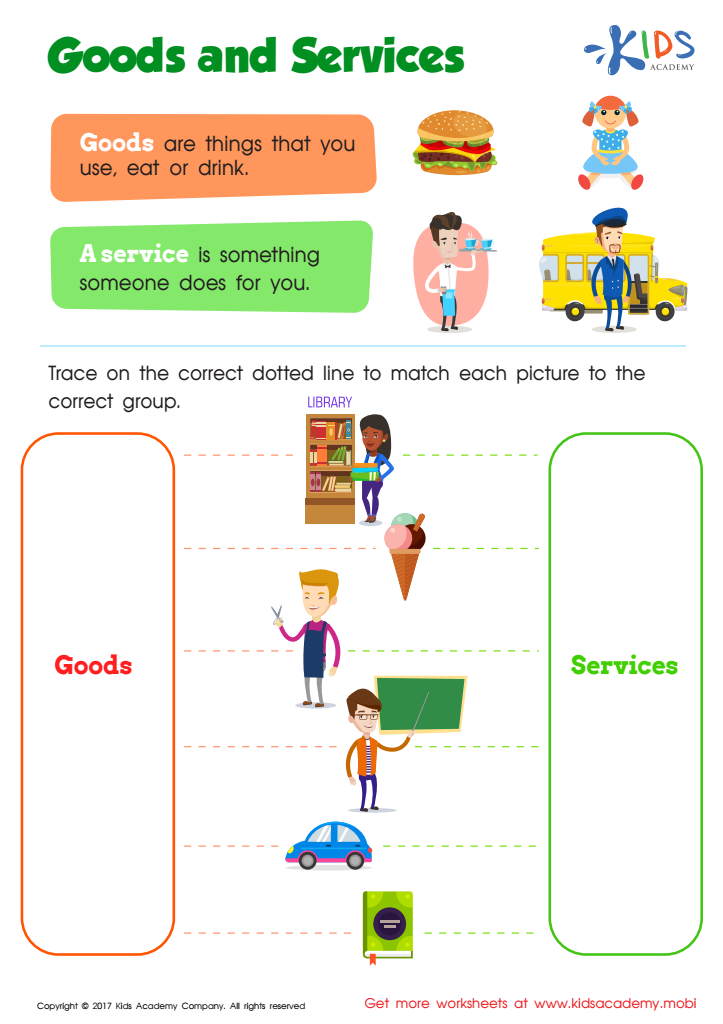
Goods and Services Worksheet
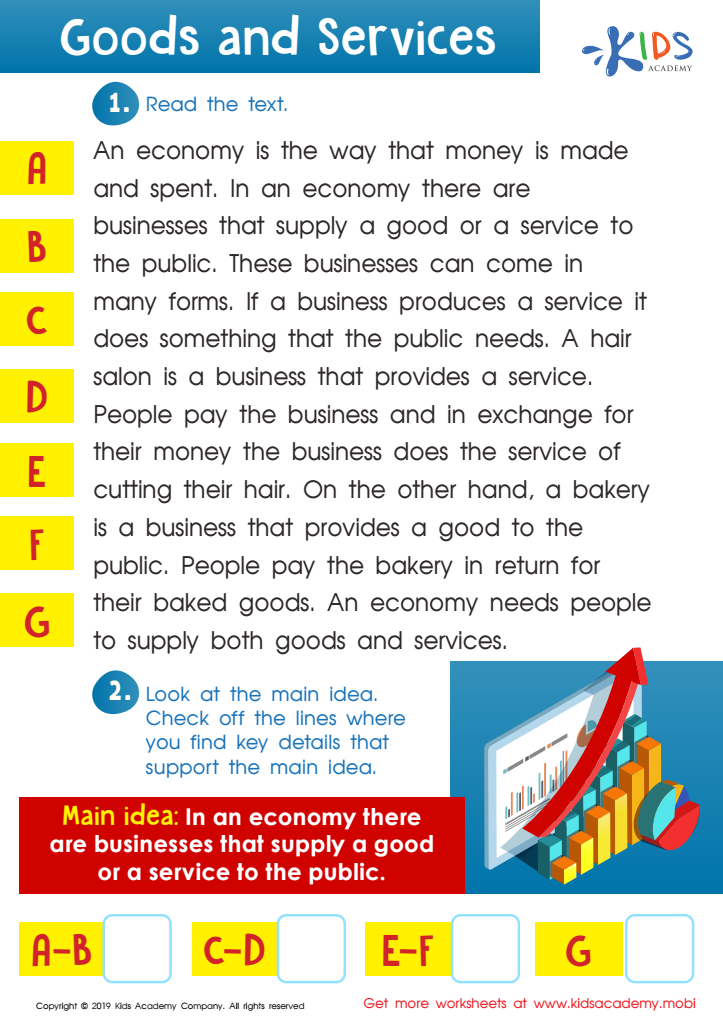
Teach your kids about the economy and businesses with this worksheet. Ask them if they know what goods and services are. After they complete the worksheet, they'll have a better understanding. Read the text to them and guide them step-by-step through the instructions. Help them learn!
Goods and Services Worksheet
Worksheet
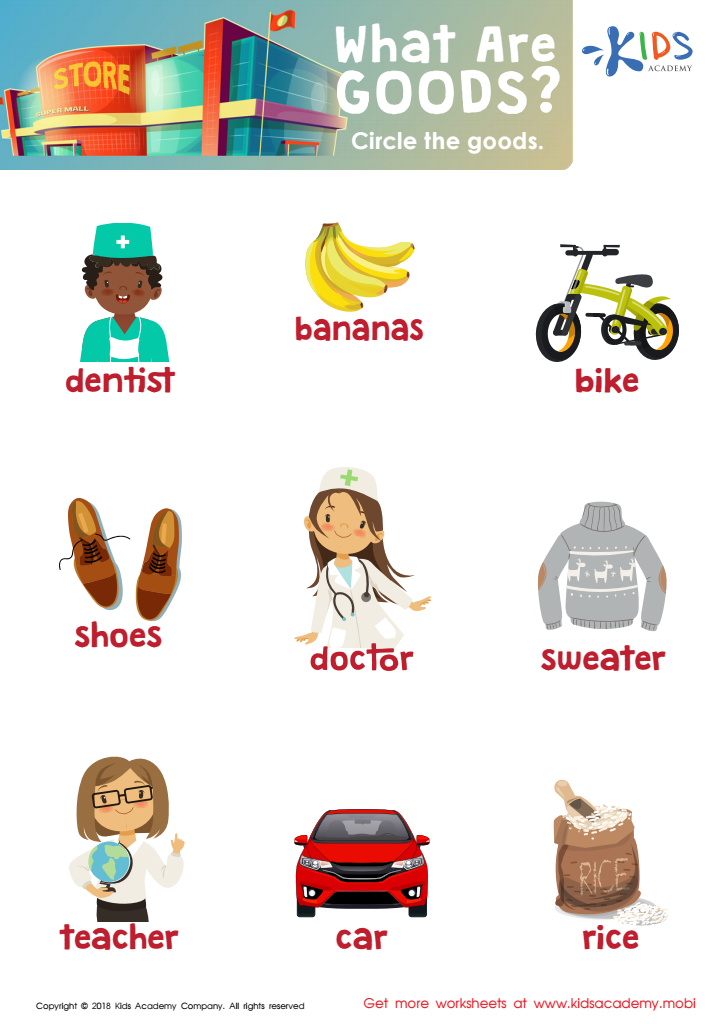
What Are Goods? Worksheet
Introduce your child to economics with this social studies worksheet! It helps kids differentiate between goods and services. Have them look at each picture, discuss what it does, and decide whether it's an object or a service. Encourage them to think carefully and circle the goods. It's a great way to start teaching the basics of economics.
What Are Goods? Worksheet
Worksheet
Join Kids Academy for Free
Who is primarily going to use this learning content?







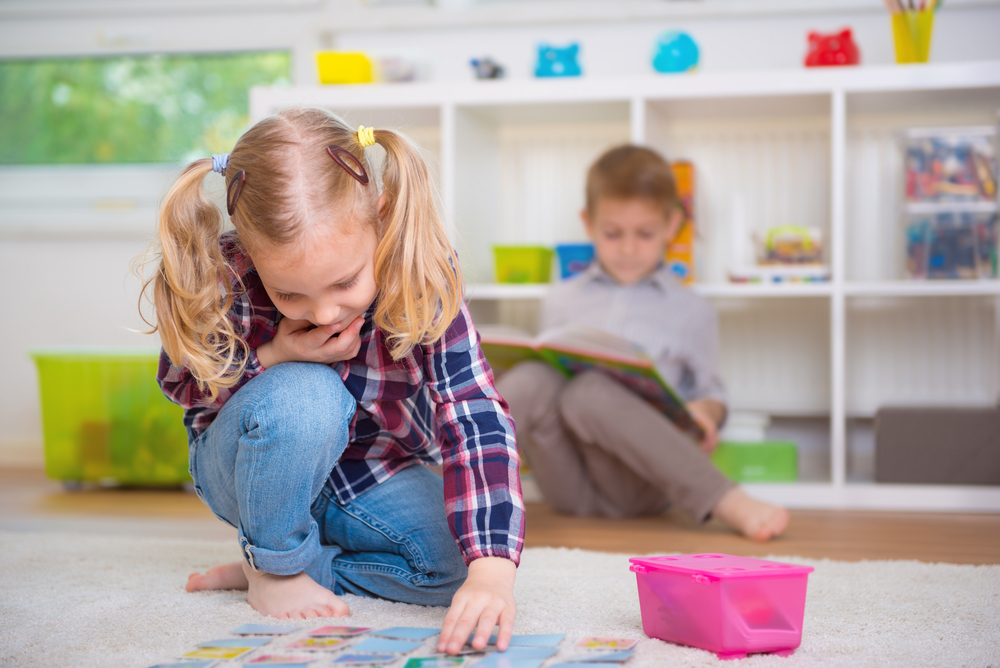
Differentiating goods and services is crucial for parents and teachers of children aged 3-8 because this stage of development is pivotal for learning and growth. At this age, children exhibit diverse interests, abilities, and learning styles, stemming from their individual backgrounds and experiences. By offering differentiated options, educators can cater to these varied needs, ensuring every child senses that their unique talents and challenges are acknowledged and supported.
For instance, varied teaching methods, such as hands-on activities, visual aids, and storytelling, can engage different types of learners—visual, auditory, and kinesthetic. This approach not only enhances their understanding but also fosters a more inclusive environment where every child feels valued.
Moreover, parents play a role in reinforcing differentiation by choosing appropriate toys, books, and educational activities that align with their child’s developmental stage and interests. When parents and teachers work together to create a differentiated learning experience, they help children develop critical thinking, problem-solving skills, and a love for learning that lasts a lifetime. Ultimately, caring about differentiation means nurturing the whole child, setting a strong foundation for their future educational journey.








