Fine Motor Skills Normal Worksheets for Ages 3-8 - Page 6
134 filtered results
-
From - To
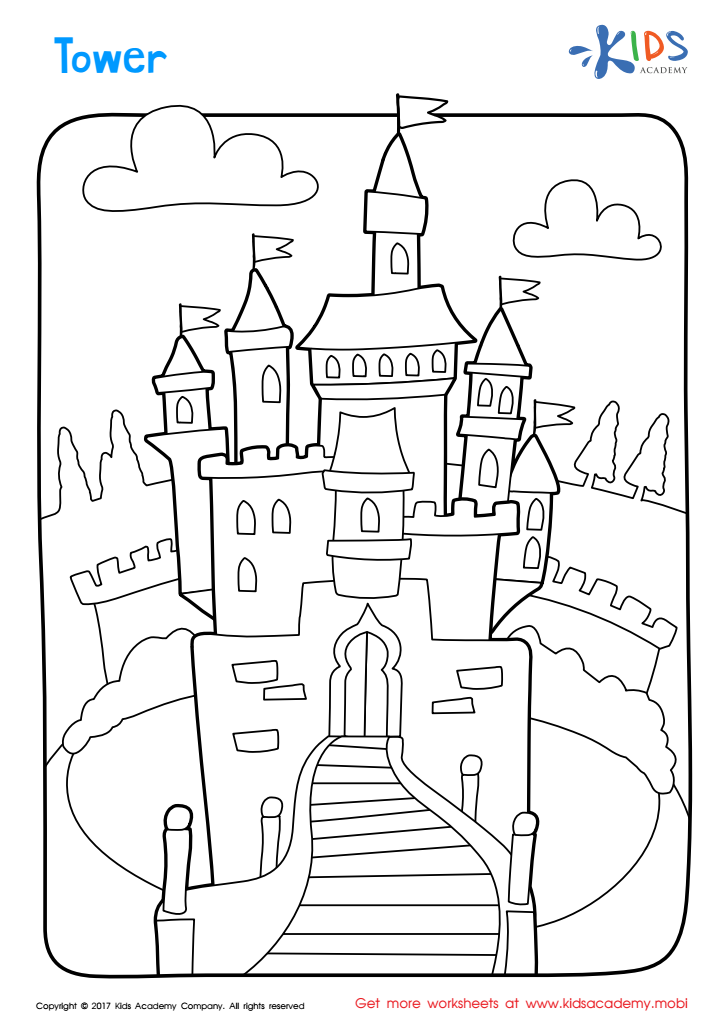
Tower Coloring Page
 Assign to My Students
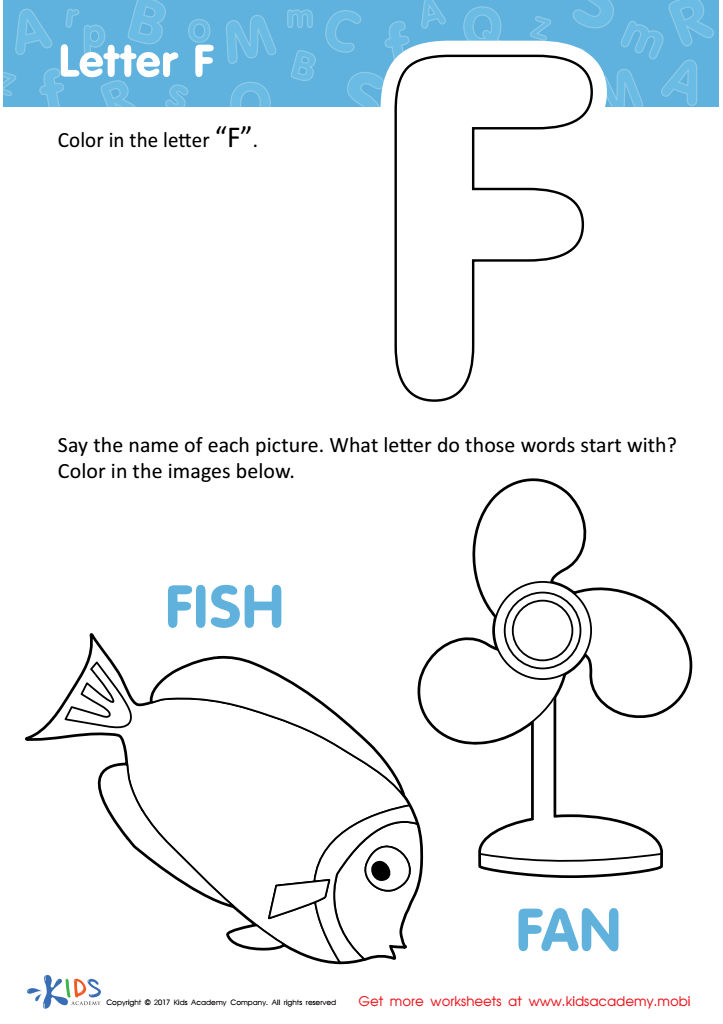
Letter F Coloring Sheet
Assign to My Students
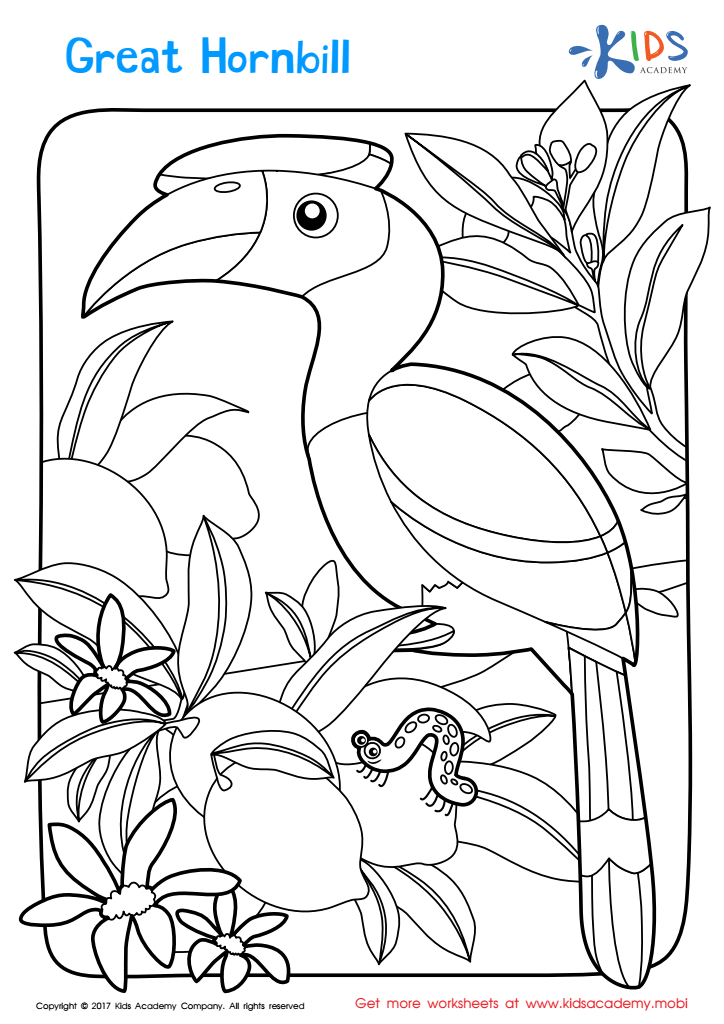
Great Hornbill Worksheet
Assign to My Students
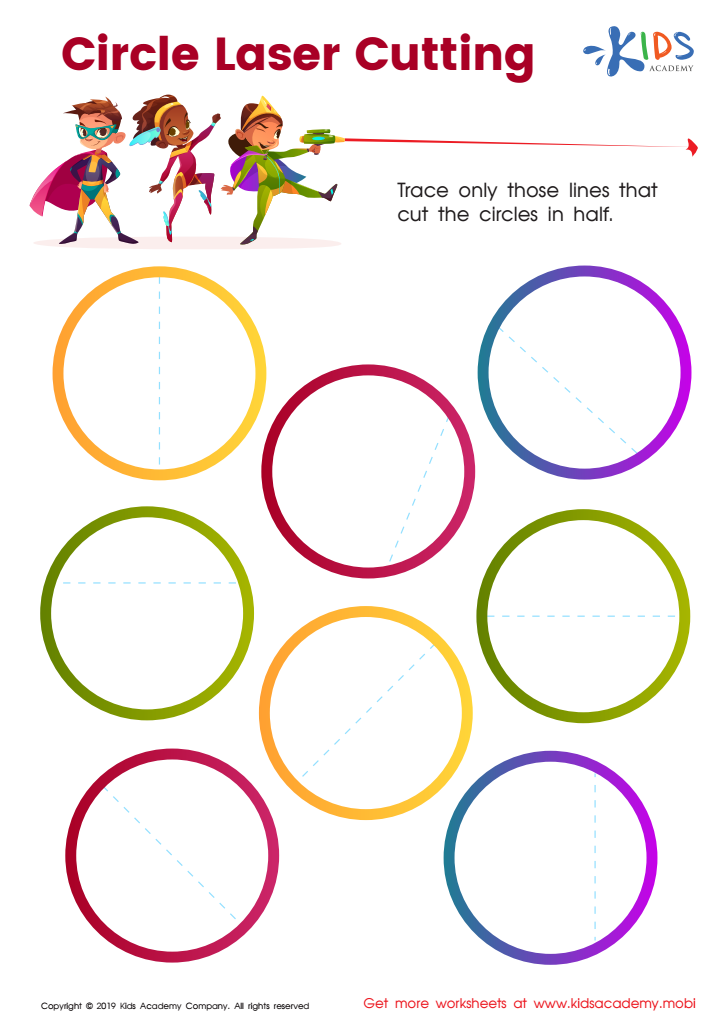
Circle Laser Cutting Worksheet

Astronomer Maze: Telescope Worksheet
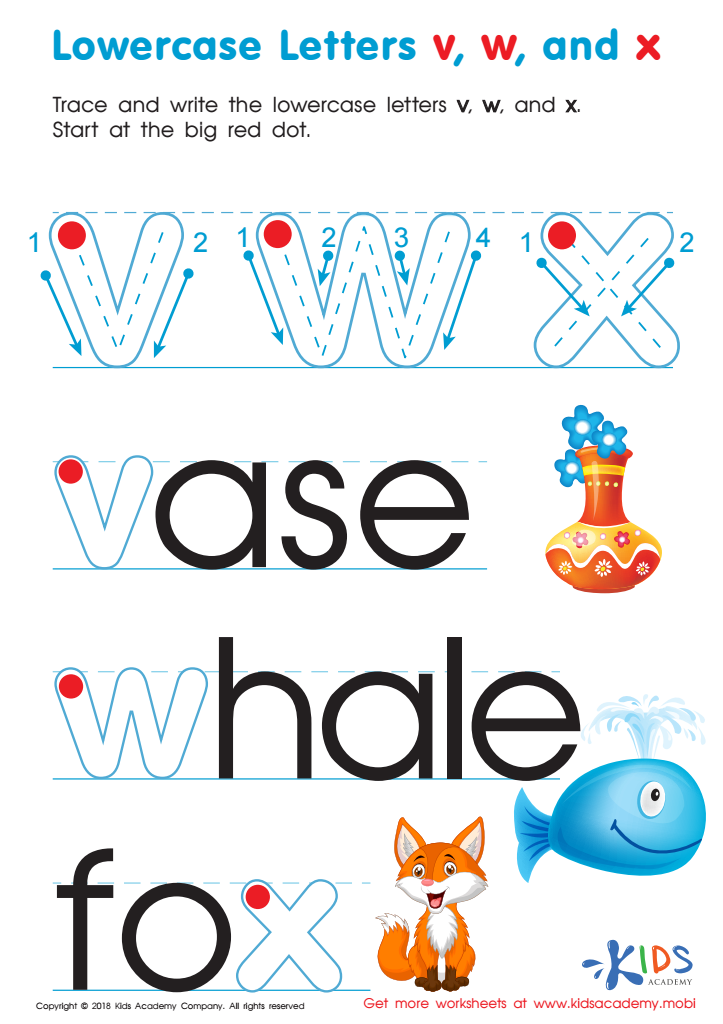
Lowercase Letters v w x Worksheet
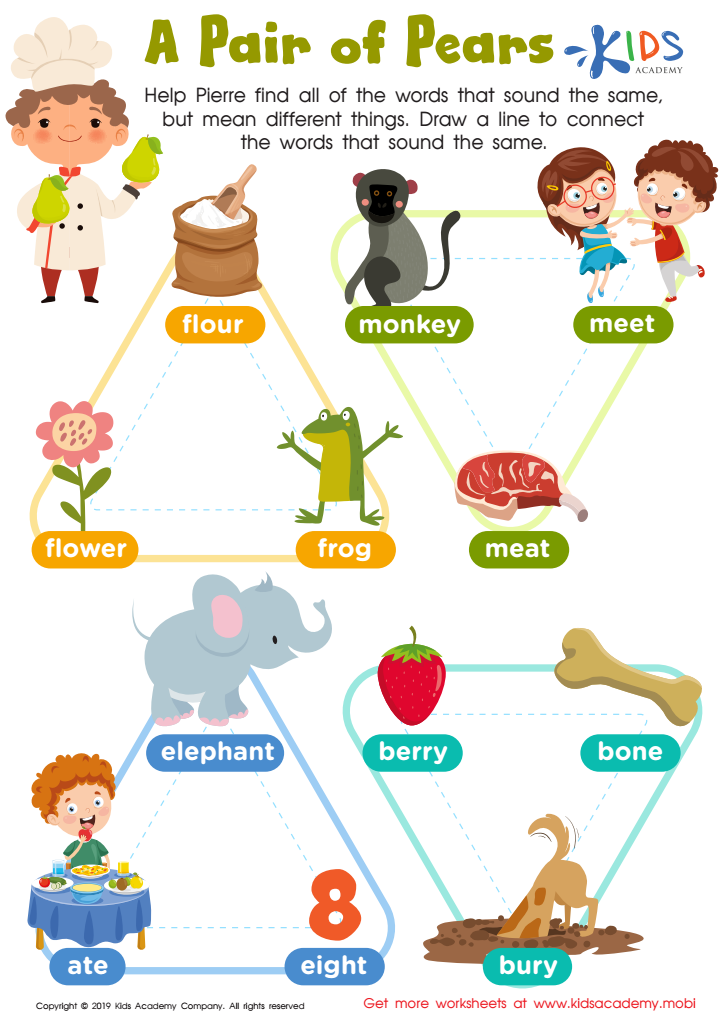
Pair Pears Worksheet
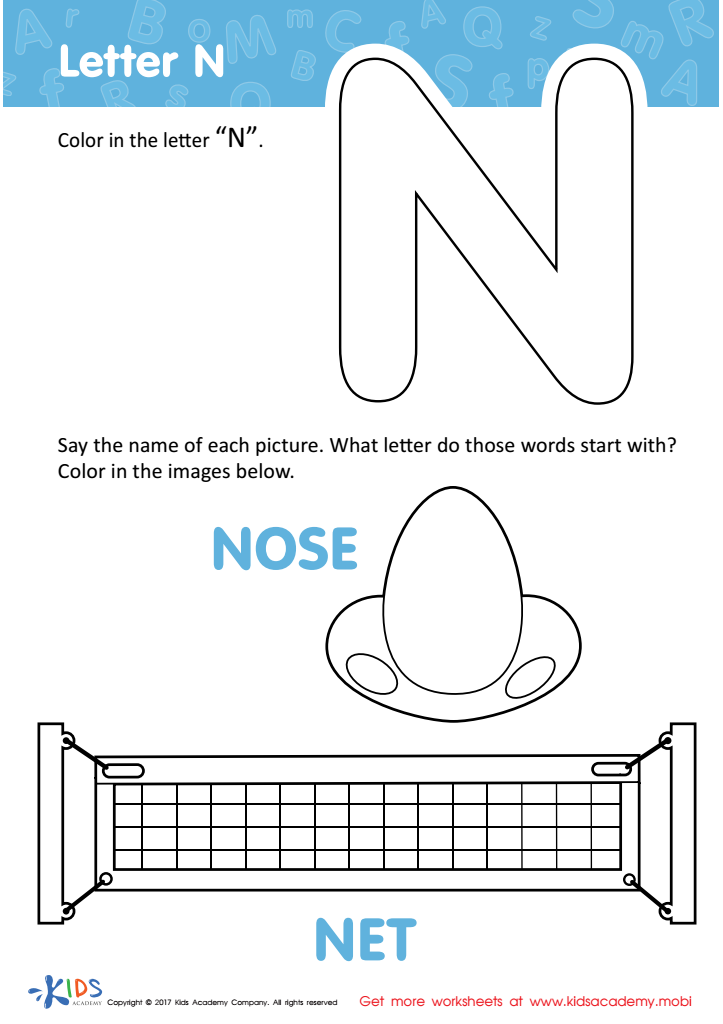
Letter N Coloring Sheet
Assign to My Students
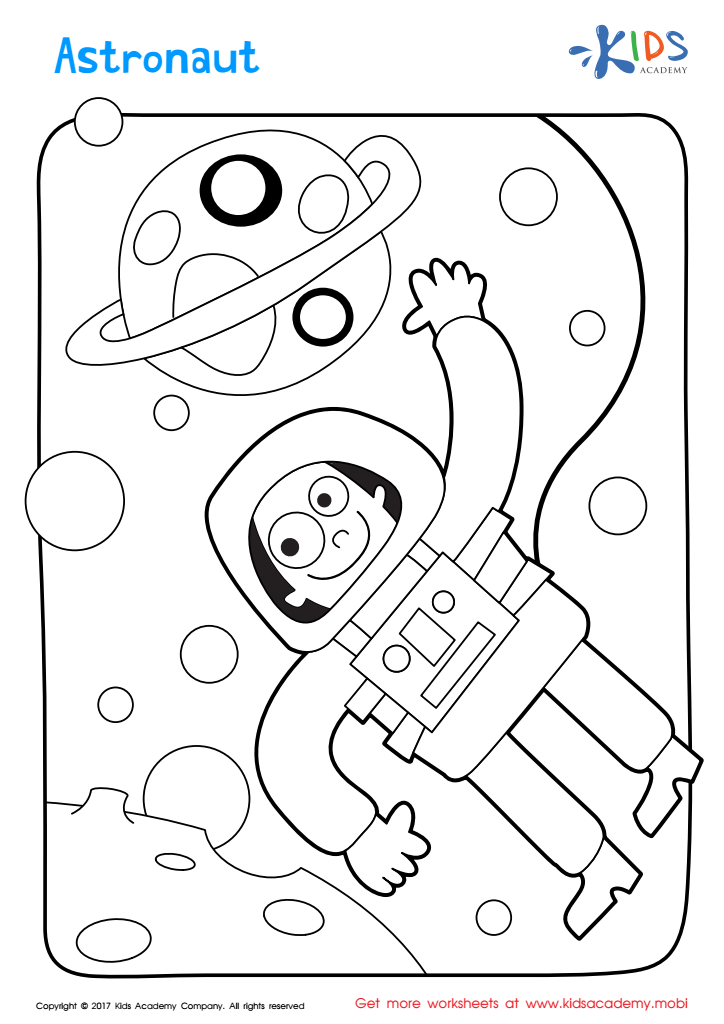
Astronaut Coloring Page
Assign to My Students
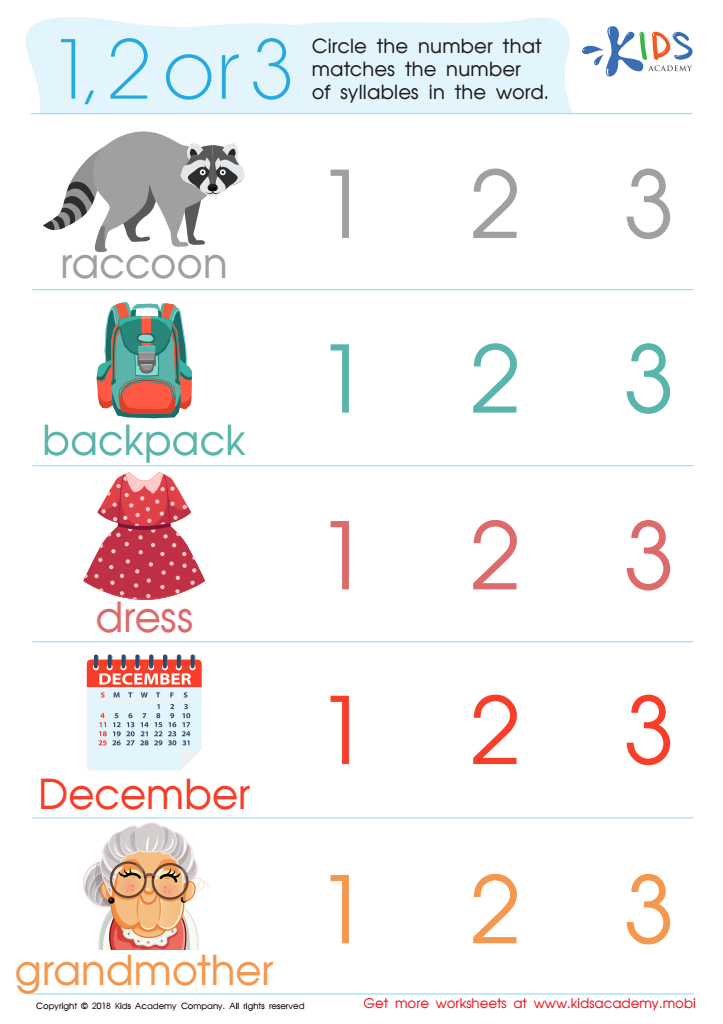
1, 2 or 3? Worksheet

Letter D Tracing Page
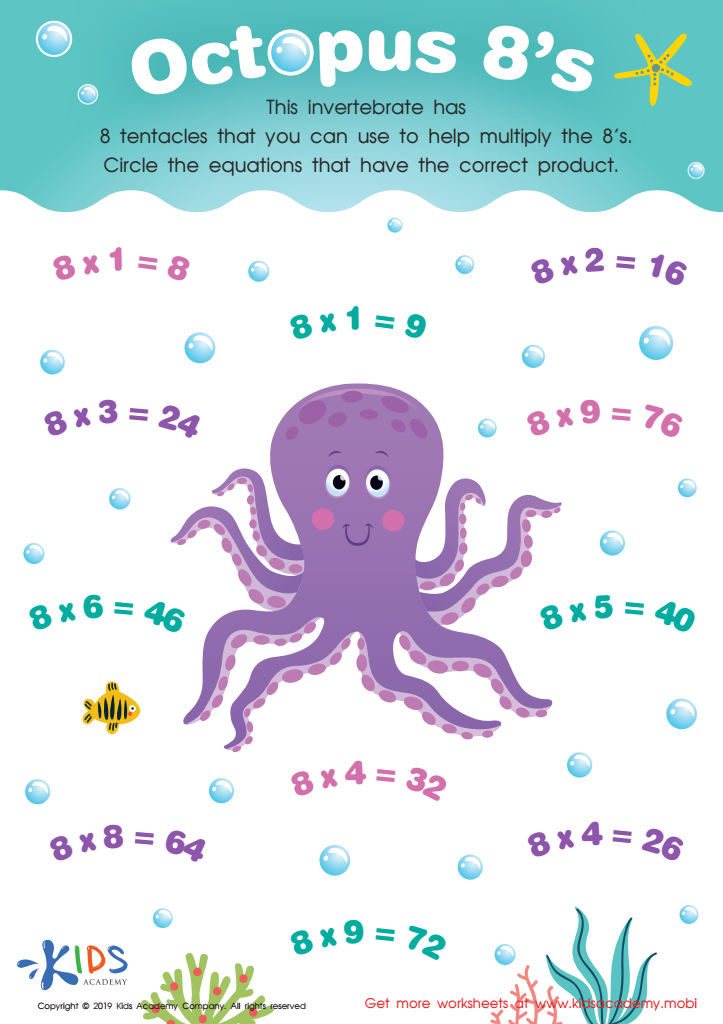
Octopus 8’s Worksheet
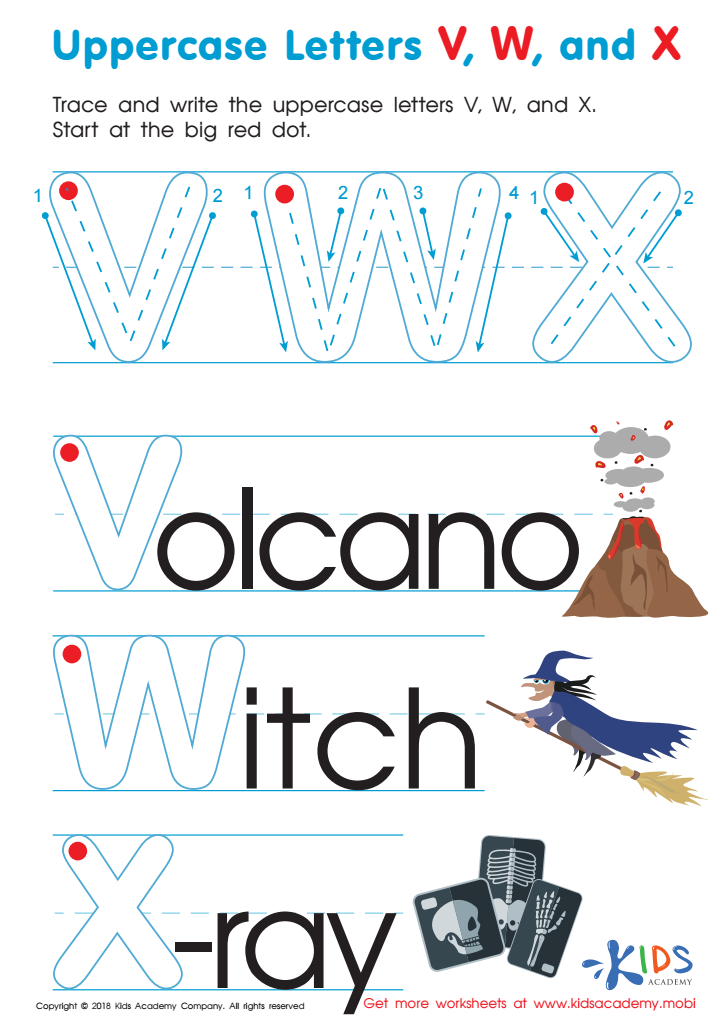
Uppercase Letters V, W, and X Worksheet
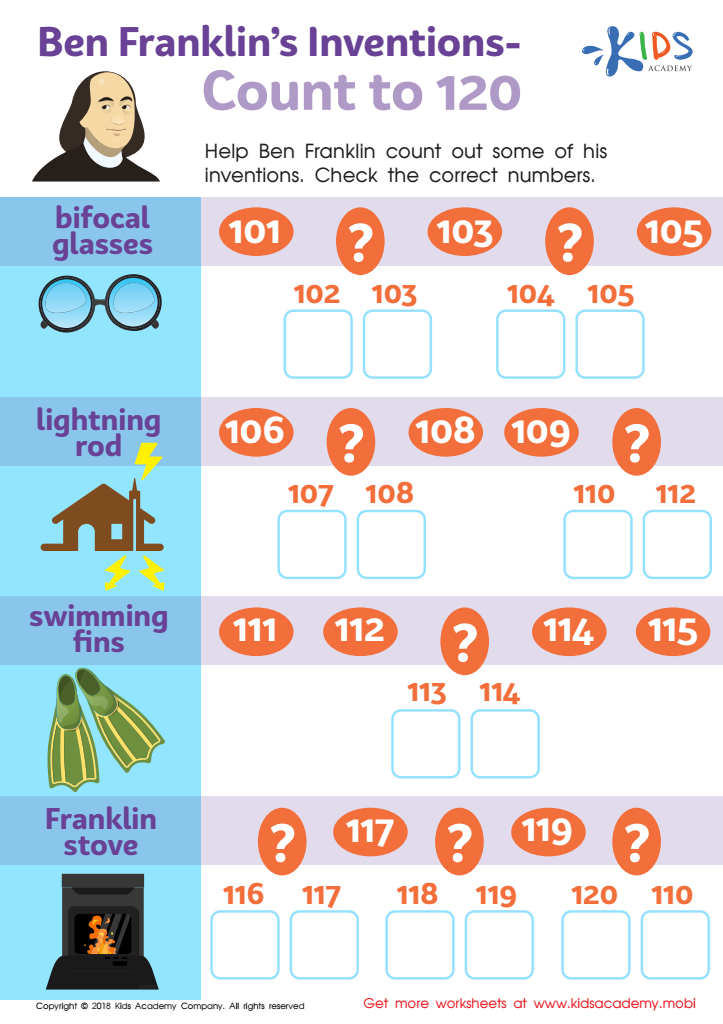
Ben Franklin’s Inventions – Count to 120 Worksheet








Fine motor skills are essential for children's overall development and play a crucial role in their daily activities. For children aged 3-8, these skills involve the ability to use small muscles in hands and fingers for tasks such as writing, drawing, buttoning clothes, and manipulating small objects. Parents and teachers should care about the normal progression of fine motor skills for several reasons.
Firstly, fine motor skills are strongly linked to cognitive development. Engaging in activities that enhance these skills stimulates brain development, leading to improved problem-solving, hand-eye coordination, and concentration. This foundational skill set is vital for academic success, particularly in areas like writing and math.
Secondly, good fine motor skills promote independence and self-esteem. Children capable of dressing themselves or completing puzzles gain confidence, leading to an increased willingness to tackle new challenges.
Lastly, monitoring a child's fine motor development can help identify potential delays early on. Early intervention can significantly impact a child’s future learning abilities and social interactions. By fostering an environment that prioritizes fine motor skill development, parents and teachers can ensure children are equipped for future learning and daily life tasks, ultimately helping them thrive both socially and academically.








