Identification skills Normal Worksheets for Ages 3-8
8 filtered results
-
From - To
Identification Skills Normal Worksheets for Ages 3-8 are crafted to boost young learners' recognition abilities through engaging and fun activities. These worksheets focus on helping children identify letters, numbers, shapes, colors, and objects, fostering cognitive development and preparing them for more advanced learning stages. Designed by experts at Kids Academy, the exercises are age-appropriate and align with educational standards, ensuring kids learn at a pace suited to their growth. Parents and educators will find these resources invaluable in enhancing early childhood learning experiences, promoting confidence, and ensuring a strong foundation in identification skills necessary for academic success.
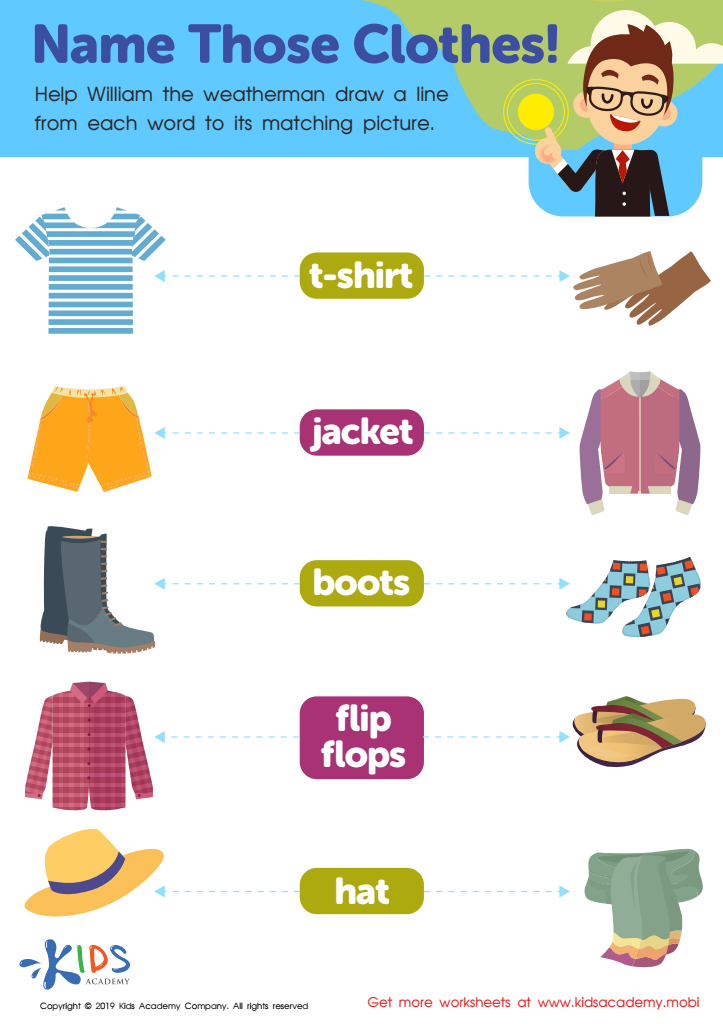
Name Those Clothes Worksheet
 Assign to My Students
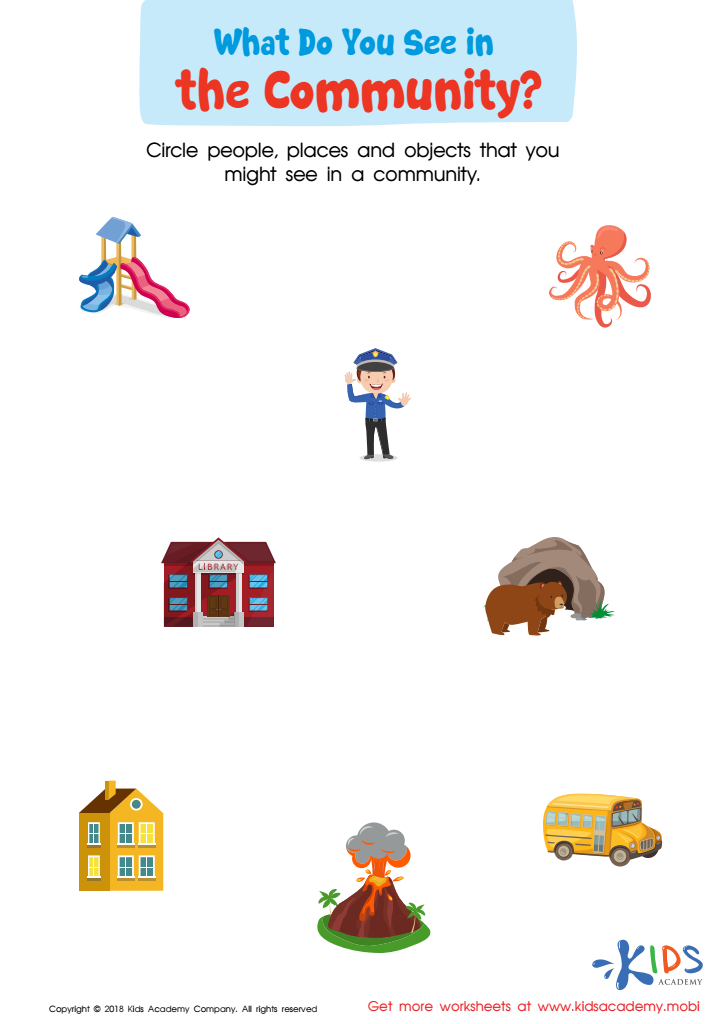
What Do You See in the Community Worksheet
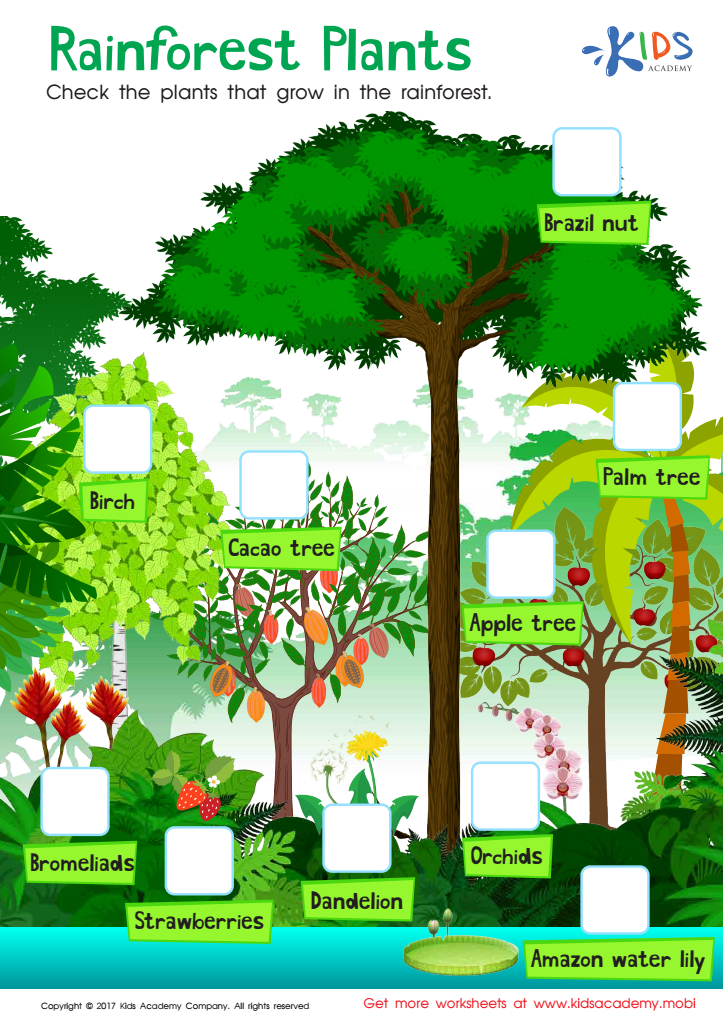
Rainforest Plants Worksheet
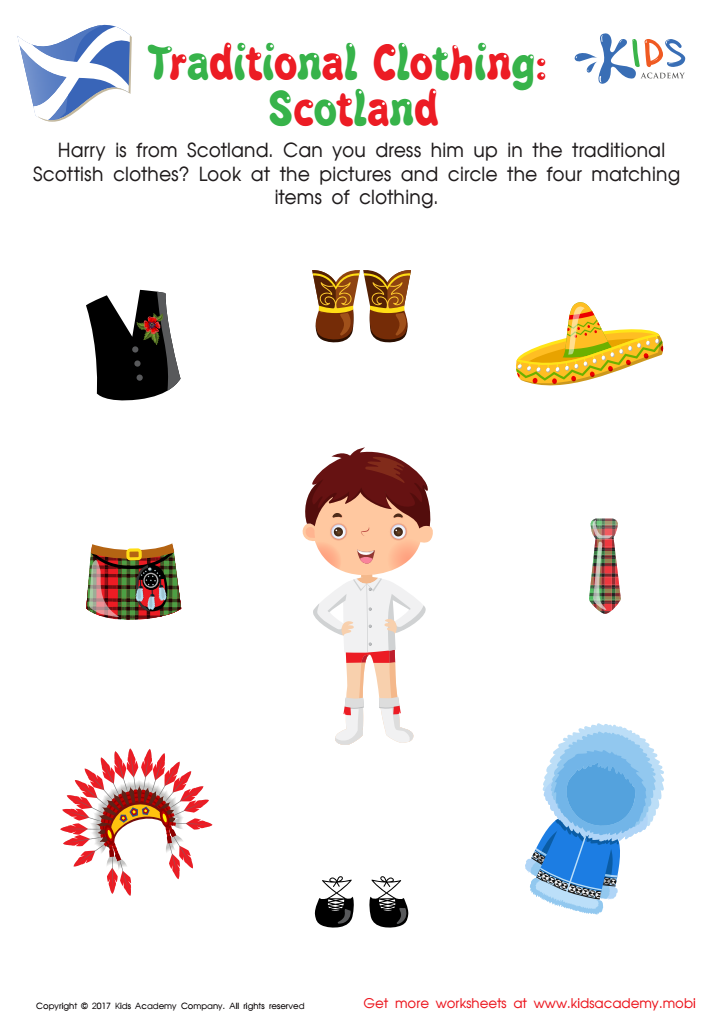
Traditional Clothing in Scotland Worksheet
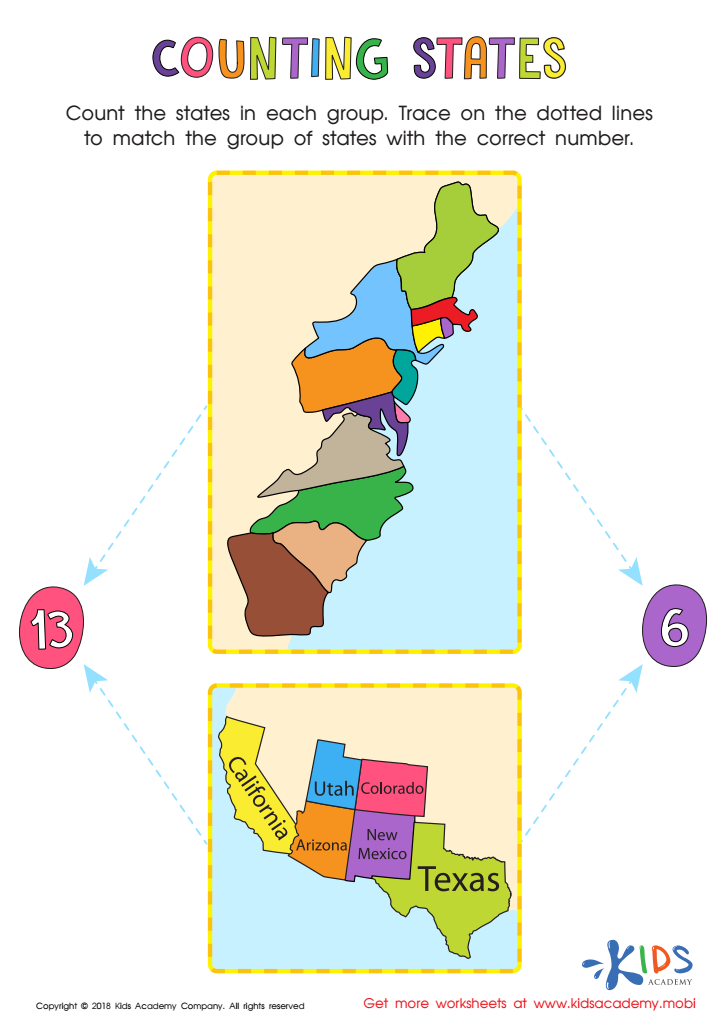
Counting States Worksheet
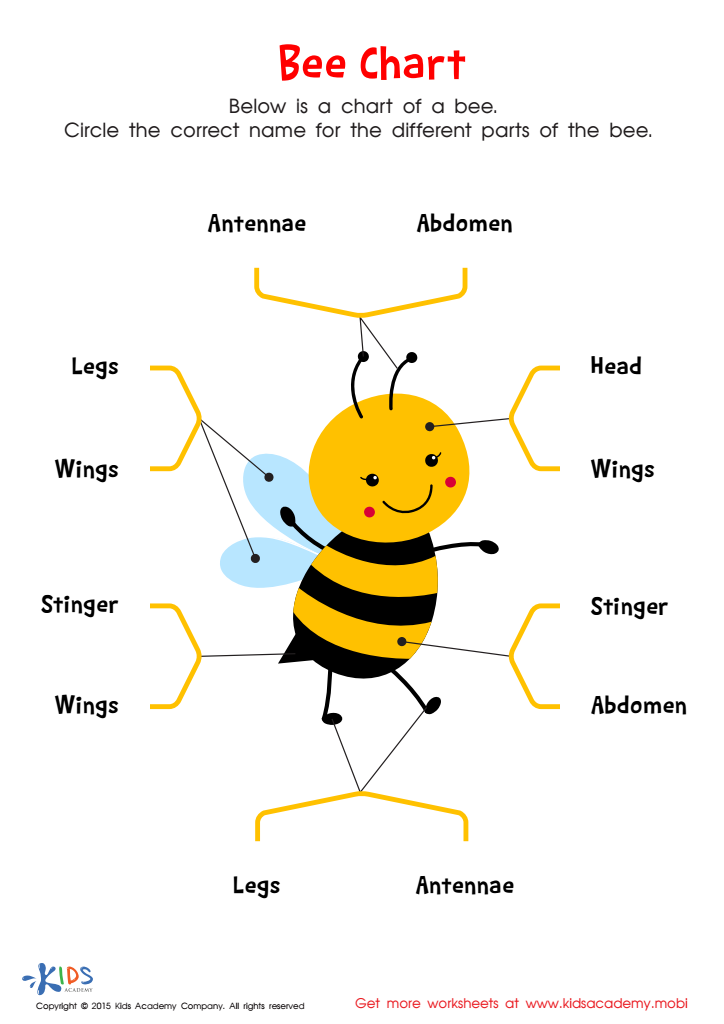
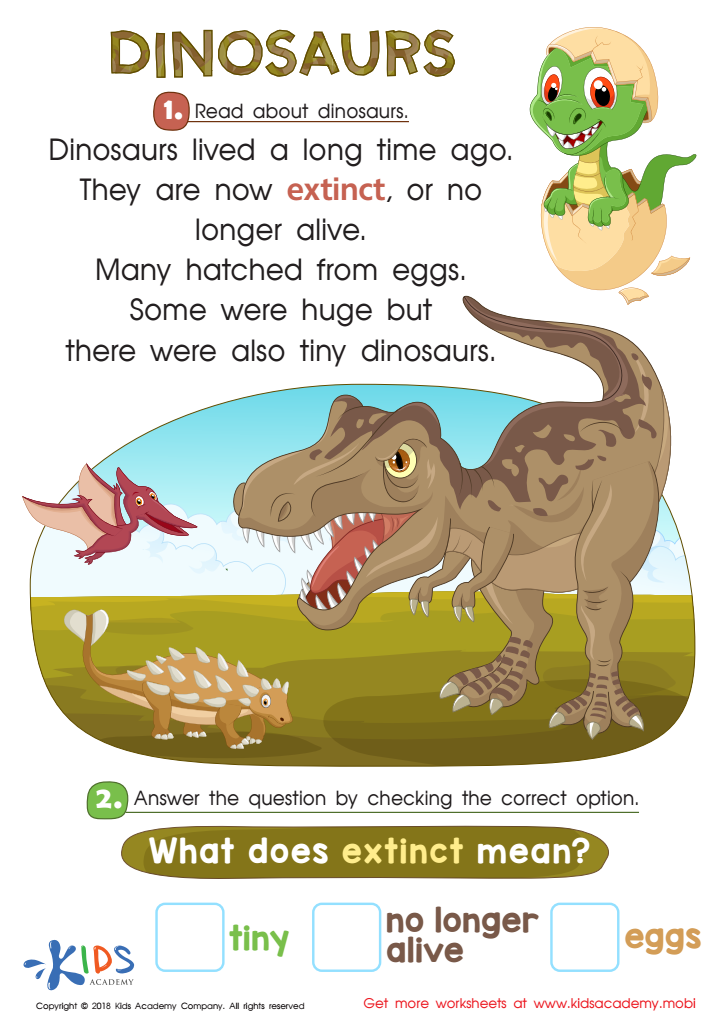
Dinosaurs Worksheet
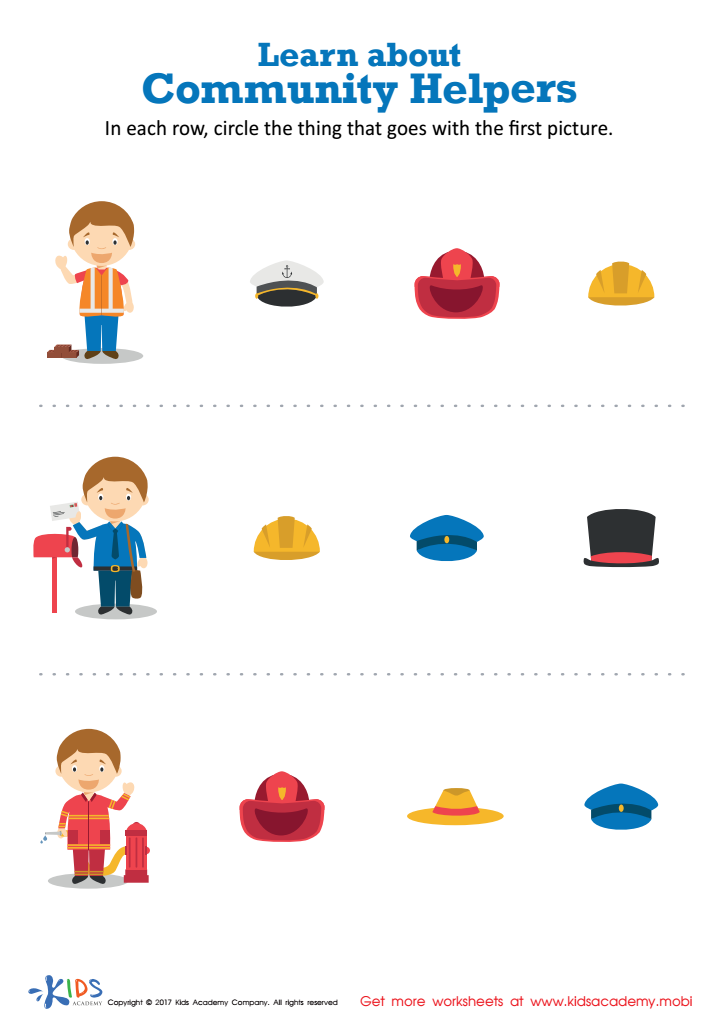
Learn about Community Helpers Printable







Identification skills, which include the ability to recognize and name objects, letters, numbers, and even emotions, are crucial for children aged 3-8 because they form the foundation for later academic success and social development. For both parents and teachers, fostering these skills early on is vital.
At this age, children's brains are highly flexible and capable of rapid learning and development. Teaching them to identify shapes, colors, and letters sets the groundwork for reading and math. Recognizing letters and associating them with sounds is the first big step toward literacy. Understanding numbers and basic arithmetic concepts forms the basis for more advanced mathematical operations later.
Additionally, identification extends beyond academics to social-emotional learning. Recognizing emotions in themselves and others helps children develop empathy, improve their social interactions, and manage their own feelings better. These skills contribute to a child's overall emotional intelligence, which is critical for their mental well-being and their ability to build positive relationships.
Therefore, parents and teachers should consistently engage children in activities that nurture these identification skills, such as reading together, playing matching games, and discussing feelings. Doing so not only boosts immediate learning and development but also equips children with crucial tools for lifelong success.








