Interpreting data Normal Worksheets for Ages 3-8
4 filtered results
-
From - To
Discover our engaging "Interpreting Data Normal Worksheets" designed for children aged 3-8! These printable resources help young learners explore foundational data interpretation skills through fun and interactive activities. Each worksheet encourages critical thinking while addressing essential concepts such as sorting, comparing, and analyzing information. Perfect for use at home or in the classroom, our worksheets facilitate hands-on learning experiences that capture kids' curiosity and enhance their understanding of data. Join us in fostering a love for learning and essential math skills with these colorful and well-structured worksheets, perfect for early years education!
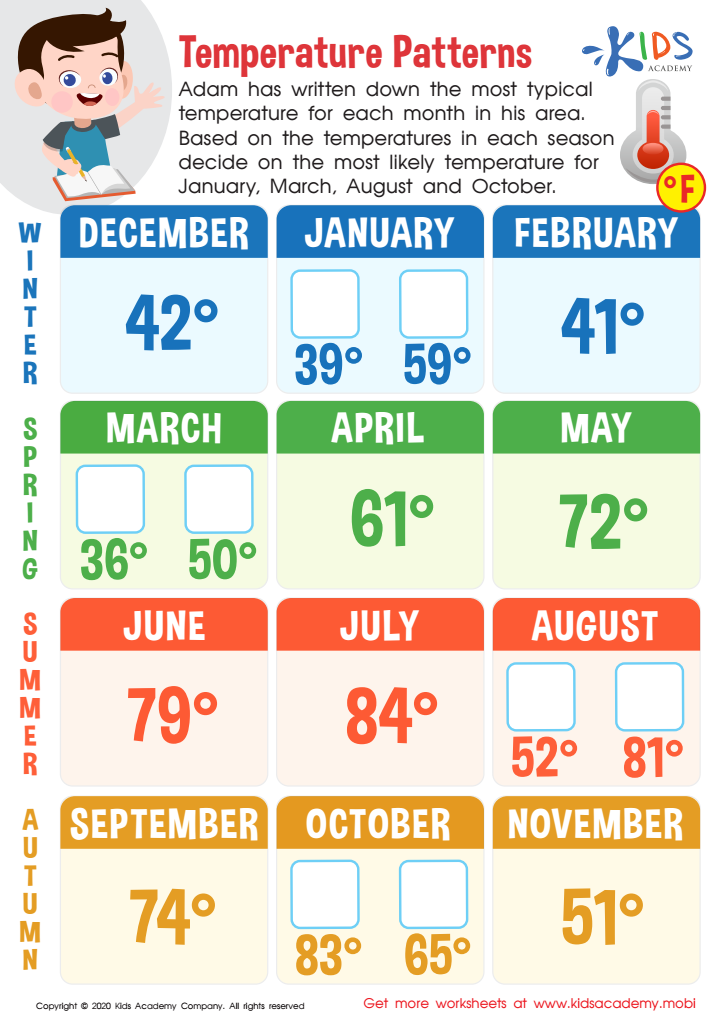
Temperature Patterns Worksheet
 Assign to My Students
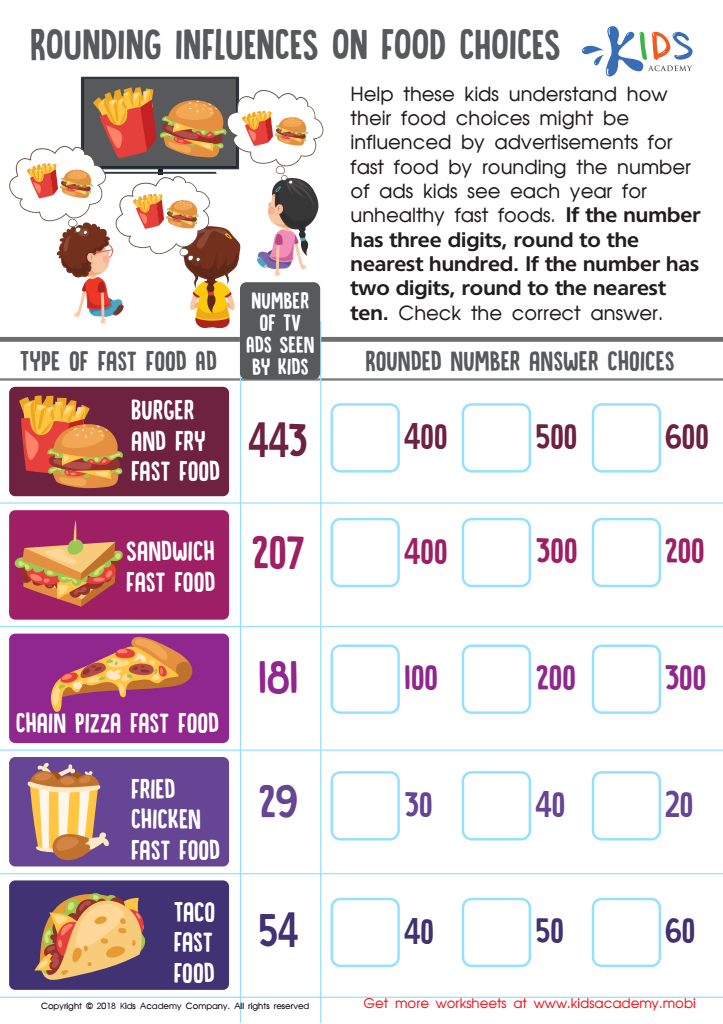
Rounding Influences Food Choices Worksheet
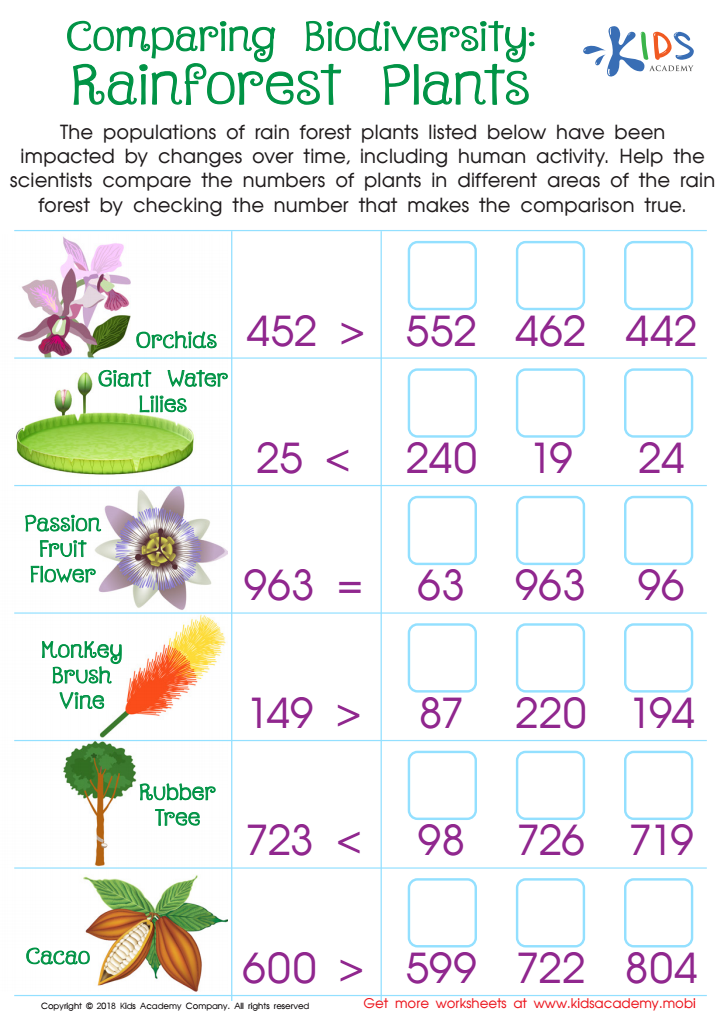
Comparing Biodiversity: Rainforest Plants Worksheet
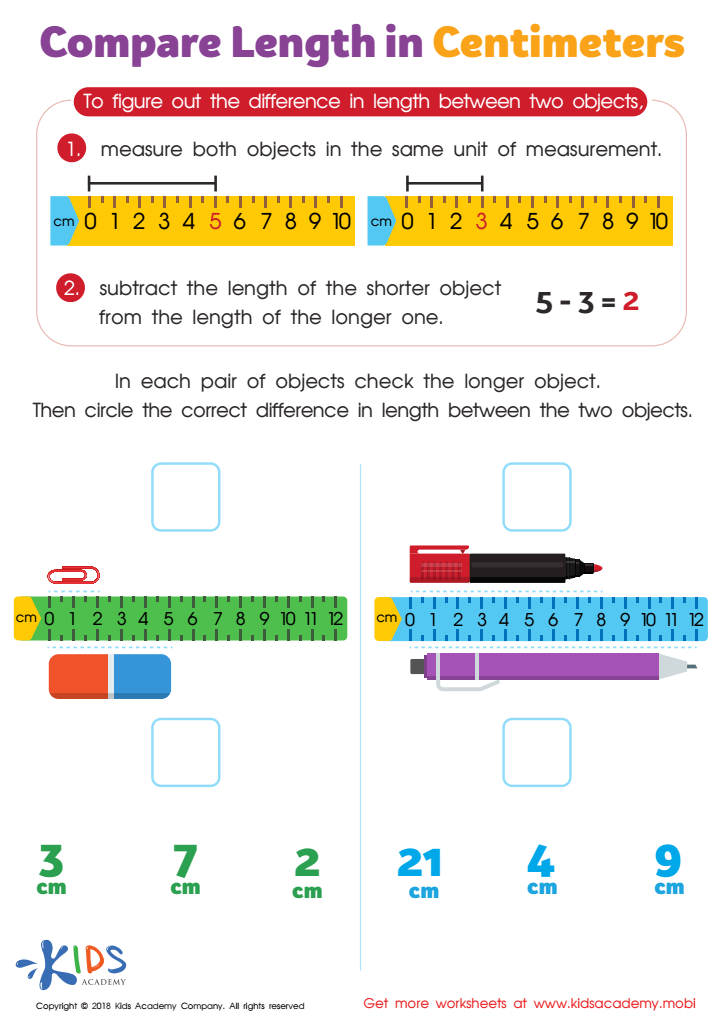
Compare Length in Centimeters Worksheet








Interpreting data for young children aged 3-8 is crucial for both parents and teachers, as it provides valuable insights into a child's development and learning needs. At this stage, children are rapidly acquiring skills in language, numeracy, social interaction, and emotional regulation. By using data effectively, caregivers can identify trends in a child's performance, recognize strengths, and pinpoint areas needing support.
Understanding trends in developmental milestones and learning outcomes helps teachers tailor instruction to meet diverse needs. For instance, data analysis can help address learning gaps early on, ensuring that children receive the necessary resources and interventions. Parents can also benefit from interpreting data by gaining awareness of their child's progress, setting realistic expectations, and fostering supportive home environments that reinforce learning.
Moreover, data interpretation encourages informed decision-making about educational strategies, resources, and developmental activities. This collaboration between teachers and parents cultivates a partnership that positively impacts a child's academic journey. Ultimately, interpreting data is vital for nurturing well-rounded, academically prepared children and is essential in maximizing their potential during these formative years. Engaging with data empowers both teachers and parents, fostering an enriched learning environment that supports the child's growth and development.








