Moral understanding Normal Worksheets for Ages 3-8
5 filtered results
-
From - To
Explore our engaging Moral Understanding Normal Worksheets designed specifically for children aged 3 to 8. These worksheets introduce fundamental concepts of empathy, kindness, sharing, and respect, helping young learners build a strong moral foundation. Each printable resource includes colorful illustrations and age-appropriate activities that make learning fun and interactive. Parents and educators can utilize these worksheets to reinforce essential social skills and values in an enjoyable way. By promoting moral understanding early on, we provide kids with the tools they need for positive social interactions and decision-making. Download now to spark meaningful conversations and foster moral growth in your child's life!
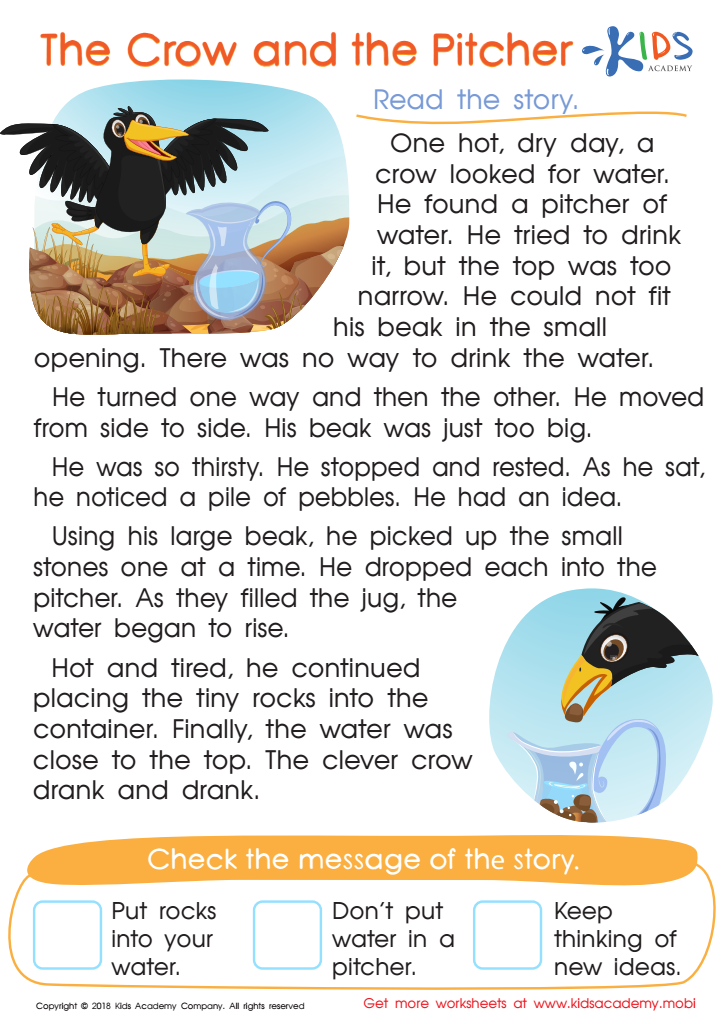
The Crow and the Pitcher Worksheet
 Assign to My Students
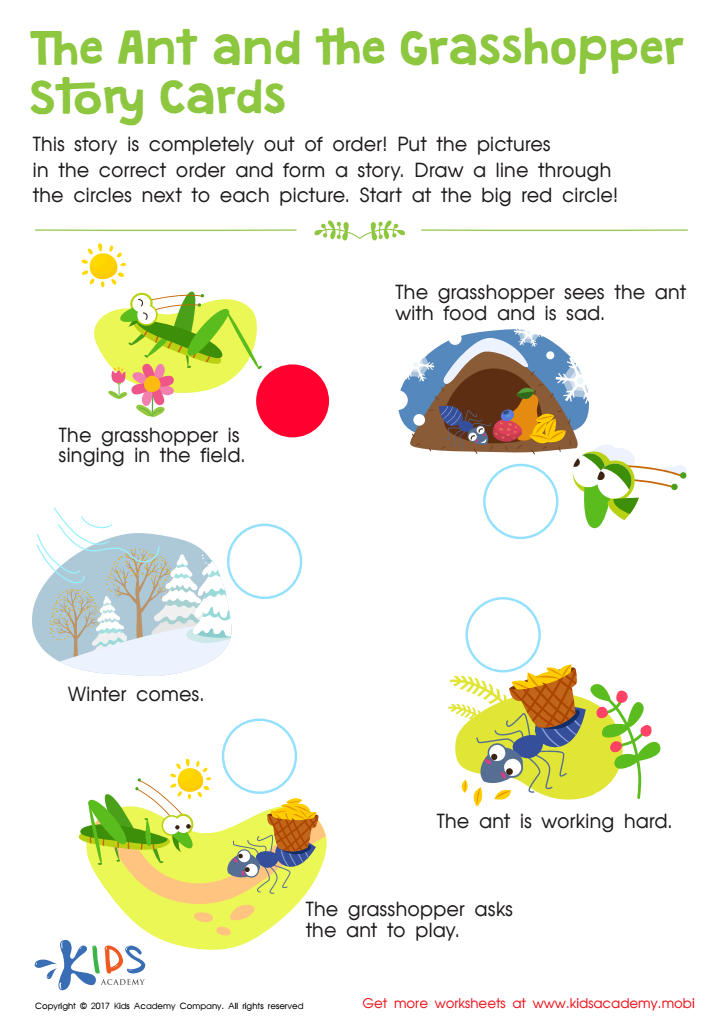
The Ant and The Grasshopper Worksheet
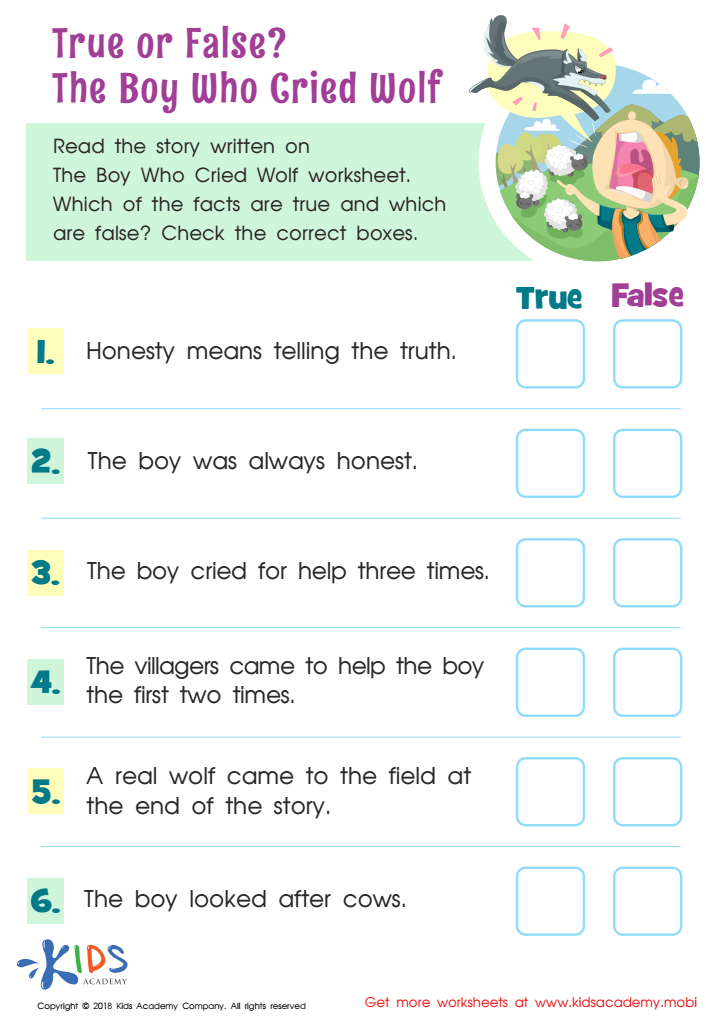
True or False? The Boy Who Cried Wolf Worksheet
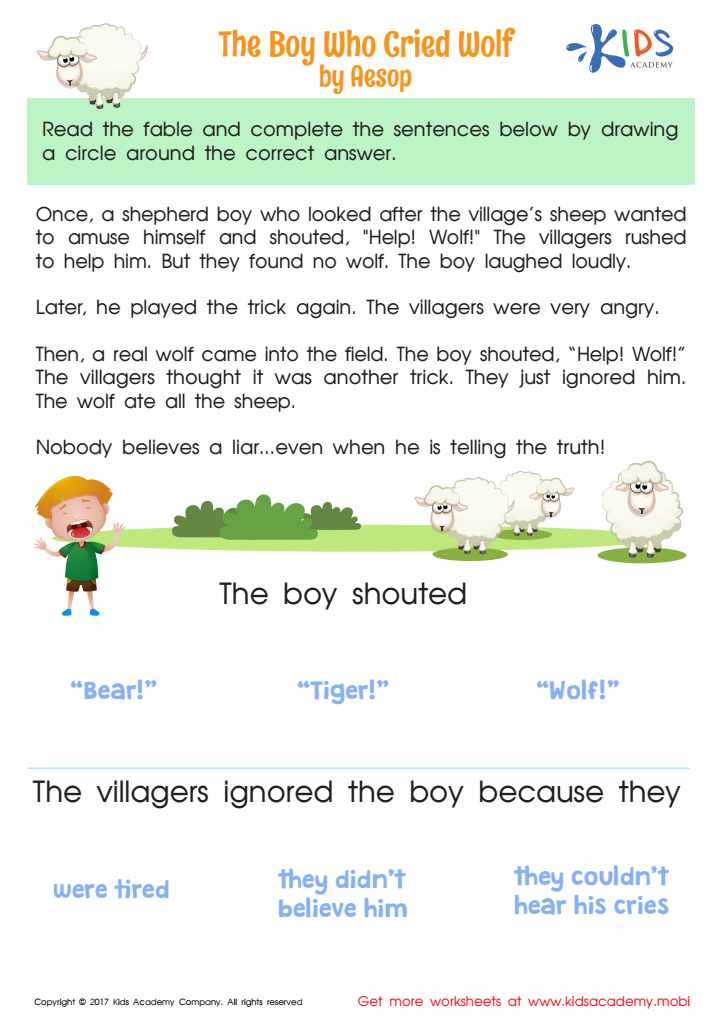
The Boy Who Cried Wolf Worksheet
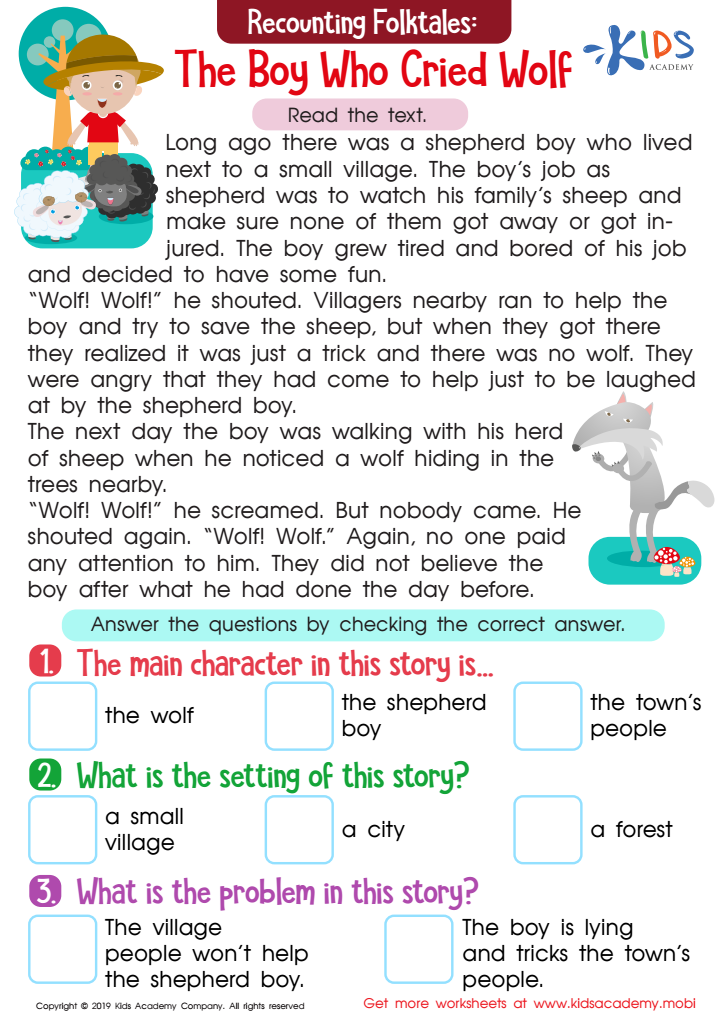
The Boy Who Cried Wolf Part 1 Worksheet







.jpg)
Moral understanding is crucial for children aged 3-8 as it lays the foundational groundwork for their social and emotional development. During these formative years, kids begin to explore concepts of right and wrong, fairness, and empathy. Encouraging moral understanding helps children develop a strong sense of ethics, which influences their interactions, choices, and relationships. When parents and teachers prioritize moral education, they support the development of empathy, allowing children to recognize and respect the feelings of others, fostering a caring community.
Furthermore, moral understanding enhances critical thinking and decision-making skills. As children learn to navigate moral dilemmas, they practice considering various perspectives, which enriches their cognitive abilities. Moreover, instilling moral values helps reduce behaviors such as bullying and aggression, contributing to a safer, more harmonious environment—be it at home or in school.
Promoting moral understanding also aids in the development of self-regulation and resilience. Children learn to manage emotions, leading to better conflict resolution skills. In essence, supporting moral development equips children with the tools to become compassionate, responsible adults who contribute positively to society. The early years are critical; investing in moral understanding creates a stronger foundation for lifelong integrity and interpersonal harmony.








