Recognition skills Normal Worksheets for Ages 3-8
3 filtered results
-
From - To
Unlock your child's potential with our "Recognition Skills Normal Worksheets for Ages 3-8." These engaging, printable worksheets are designed to bolster essential recognition abilities, including letter, number, and shape identification. Tailored for young learners, our resources encourage interactive learning while fostering curiosity and confidence. With vibrant illustrations and age-appropriate activities, your child will enjoy mastering key concepts that lay the foundation for academic success. Perfect for use at home or in the classroom, these worksheets will support your child's growth in a fun and stimulating way. Join us in making learning a joyful experience today!
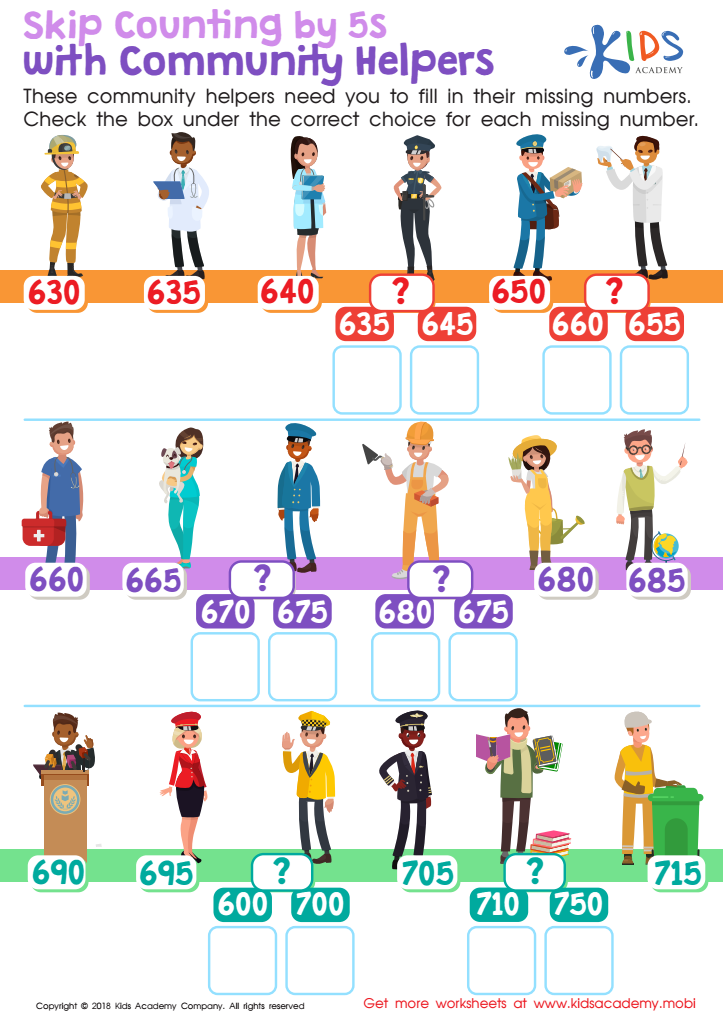
Skip Counting by 5s With Community Helpers Worksheet
 Assign to My Students
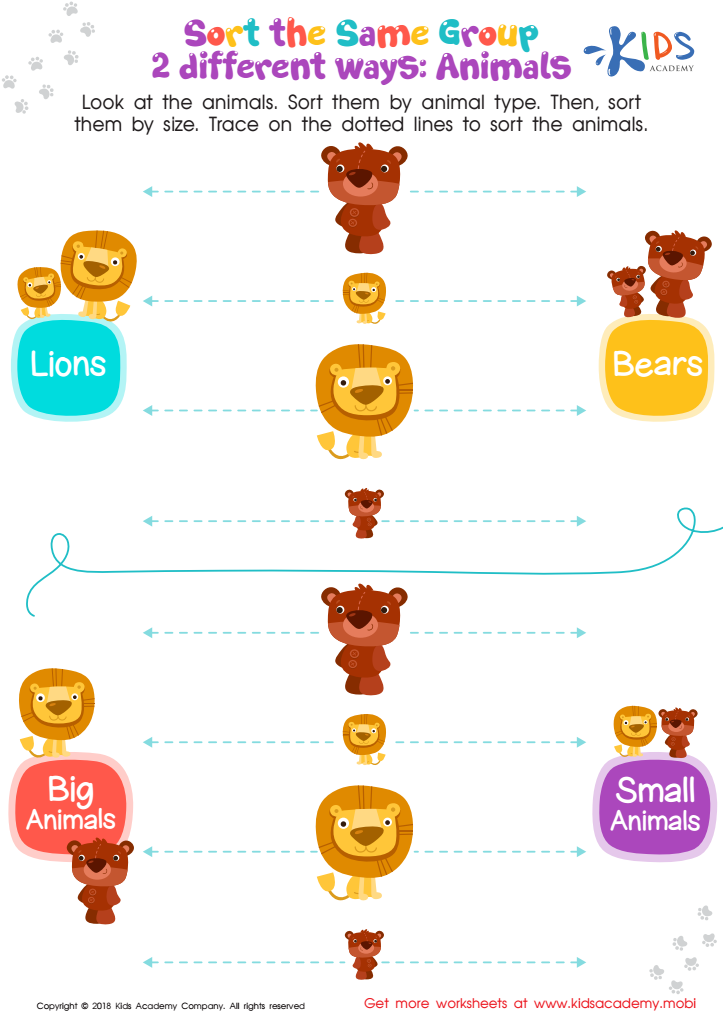
Sort the Same Group 2 Different Ways: Animals Worksheet








Recognition skills are crucial for children aged 3-8 as they form the foundation for various cognitive, social, and academic competencies. During this developmental stage, children learn to identify and understand their surroundings, which aids in language acquisition, shapes critical thinking abilities, and supports problem-solving skills. When children master recognition skills, they can distinguish between letters, numbers, shapes, and colors, which are vital components of early literacy and numeracy.
Parents and teachers should be concerned about these skills because they directly influence a child's learning trajectory. Early identification and support of recognition skills can prevent future academic difficulties, fostering a positive self-esteem and motivation for continuous learning. Additionally, strong recognition skills promote social interaction; children recognize their peers, understand social cues, and participate in group activities effectively.
By emphasizing recognition skills, educators and parents create a nurturing environment where children feel competent and confident. This could lead to a lifetime love of learning and the ability to adapt to new challenges, essential qualities for success in school and beyond. Investing time in developing these skills ultimately benefits not only the individual child but also contributes to a well-rounded, literate community.








