Sequencing events Normal Worksheets for Ages 3-8
6 filtered results
-
From - To
Discover engaging "Sequencing Events Normal Worksheets" tailored for children ages 3-8! These worksheets are designed to teach young learners the essential skill of understanding the order of events—an important aspect of cognitive development. Our activities promote critical thinking and enhance comprehension abilities by encouraging kids to arrange story sequences logically. With colorful graphics and age-appropriate content, children will enjoy interactive learning while honing their skills. Perfect for classroom use or at-home practice, these worksheets are a valuable resource for early education. Foster creativity and critical thinking in your child today with our fun sequencing events worksheets!
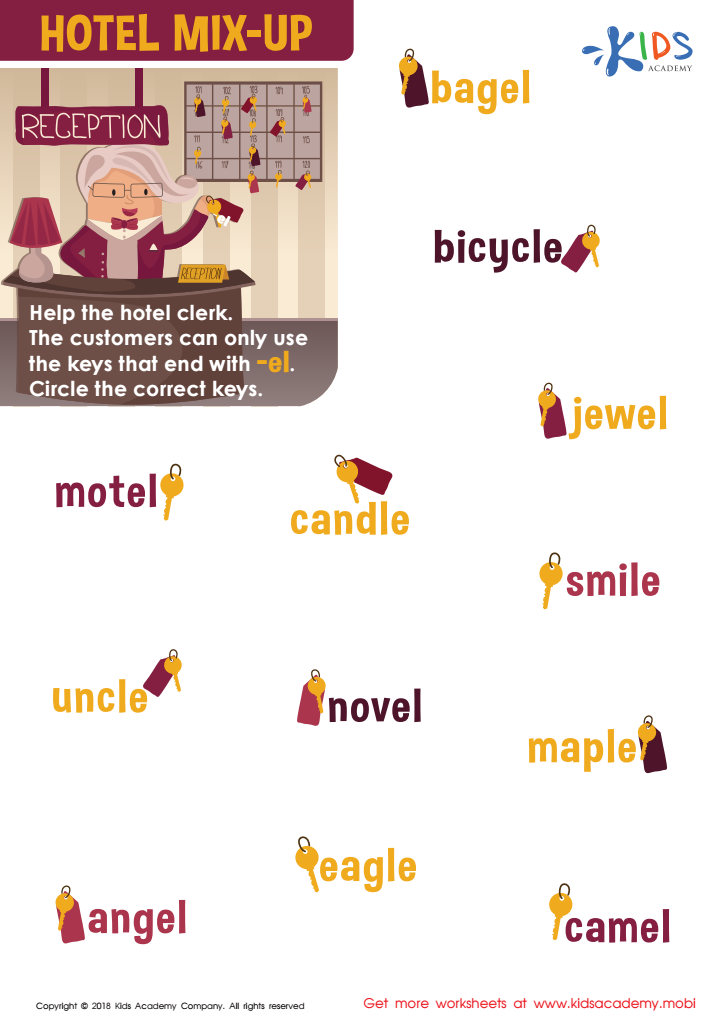
Hotel Mix-up Worksheet
 Assign to My Students
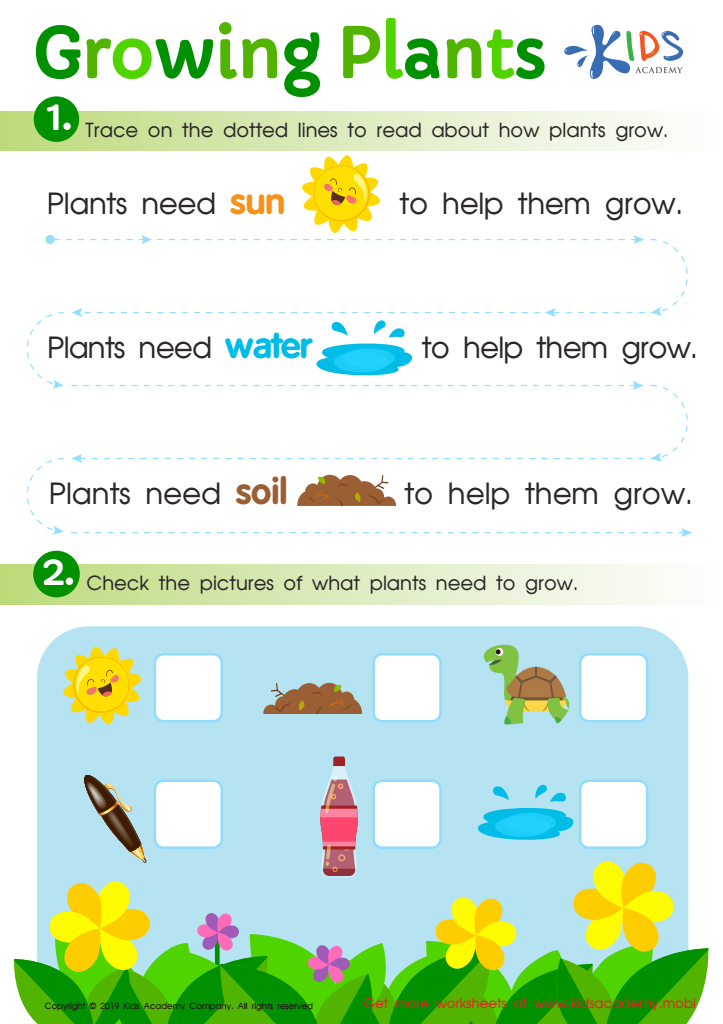
Growing Plants Worksheet
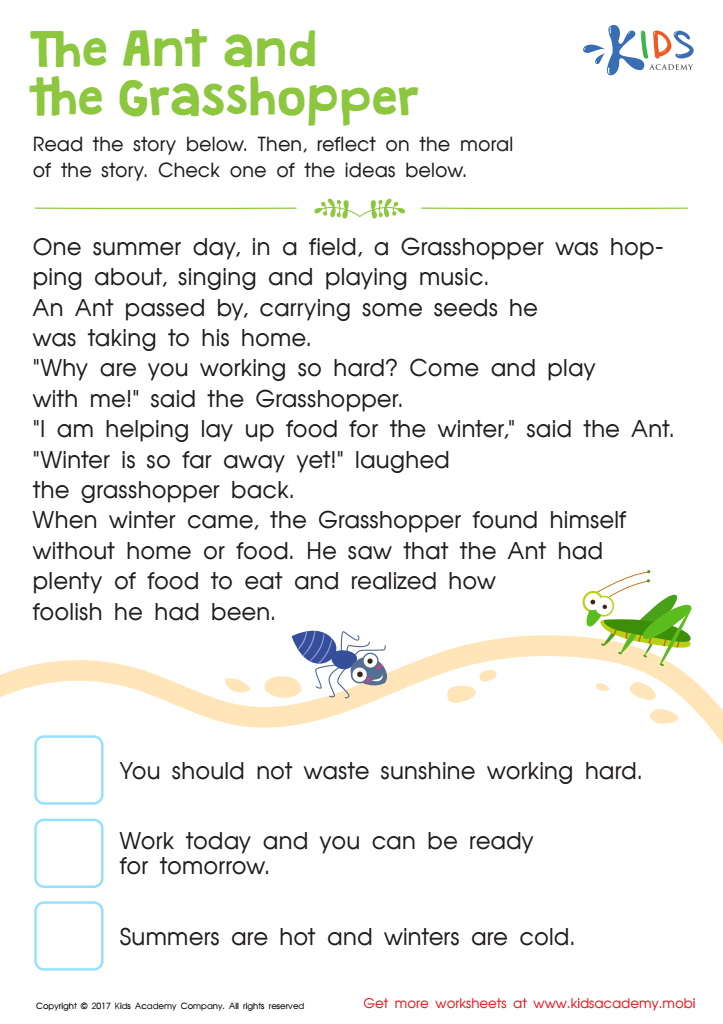
The Ant and The Grasshopper Printable

Emperor Penguin Journey Worksheet
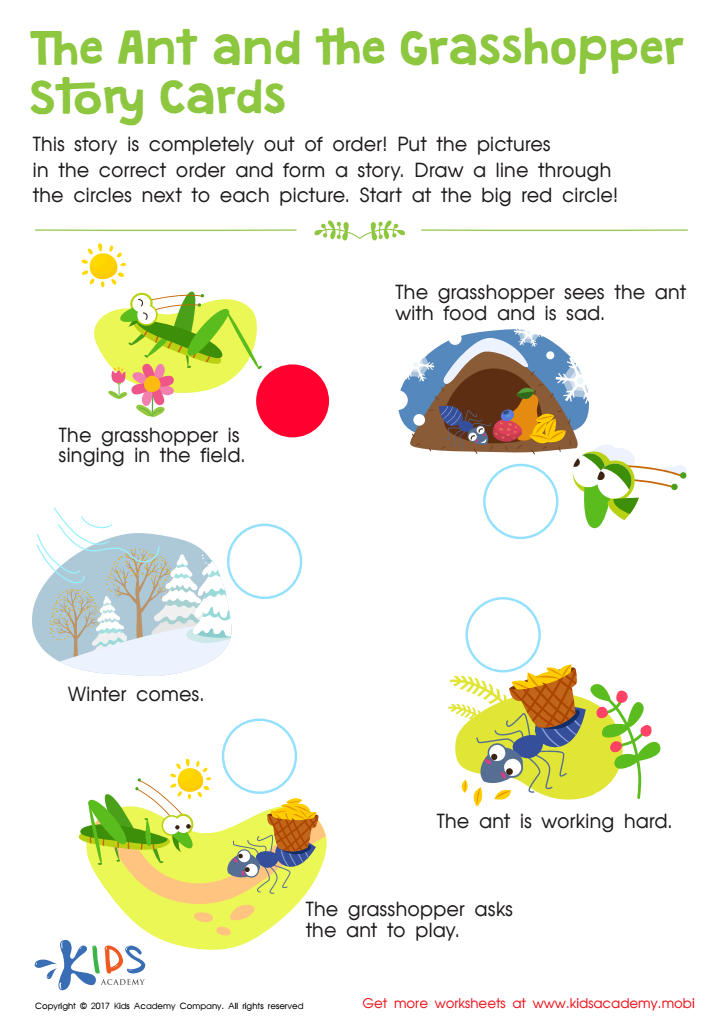
The Ant and The Grasshopper Worksheet
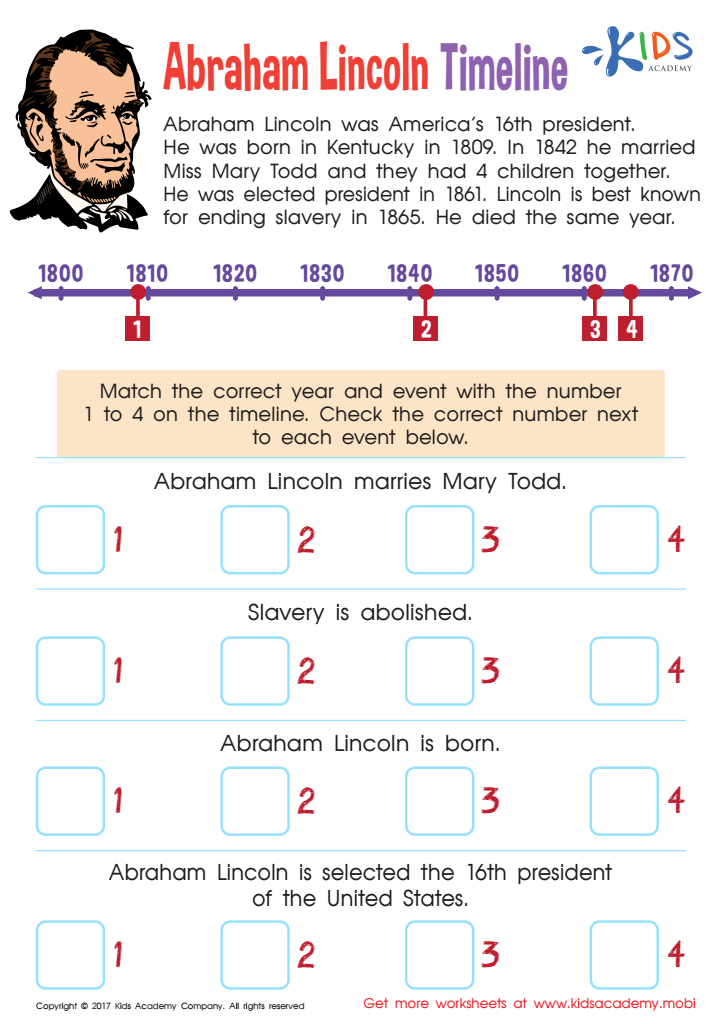
Abraham Lincoln Timeline Worksheet








Sequencing events is a fundamental skill for children aged 3-8, and both parents and teachers should prioritize its development. This skill involves understanding the order in which events occur, which is critical for grasping narratives, comprehending instructions, and making sense of everyday activities. By mastering sequencing, children enhance their cognitive skills, including memory, critical thinking, and problem-solving abilities.
When children can sequence events, they become better at telling stories, expressing thoughts, and following directions, fostering effective communication and social interactions. For instance, learning to analyze the sequence of a story helps them make predictions and extend their imagination, ultimately aiding literacy development.
In the classroom, a focus on sequencing can improve their engagement in learning activities, making them more interactive and enjoyable. Parents can reinforce these skills at home through simple activities, such as discussing daily routines or recounting family events in the correct order.
Additionally, sequencing provides a building block for future academic success; as children advance, they will encounter complex texts where analyzing sequences becomes essential. By nurturing this ability from a young age, parents and teachers can create a strong foundation for lifelong learning and critical thinking.








