Shape identification Normal Worksheets for Ages 3-8
9 filtered results
-
From - To
Unlock your child's potential with our exciting Shape Identification Normal Worksheets designed for ages 3-8! Our carefully crafted worksheets offer a fun and interactive way for young learners to recognize, name, and draw basic shapes. Perfect for fostering early math skills, these engaging activities are ideal for home or classroom use. Each worksheet provides a variety of exercises, from matching shapes to real-world objects, to challenging puzzles that ensure your child learns while having fun. Give your child a strong foundation in geometry with our expertly designed resources. Visit our web page today and start exploring!
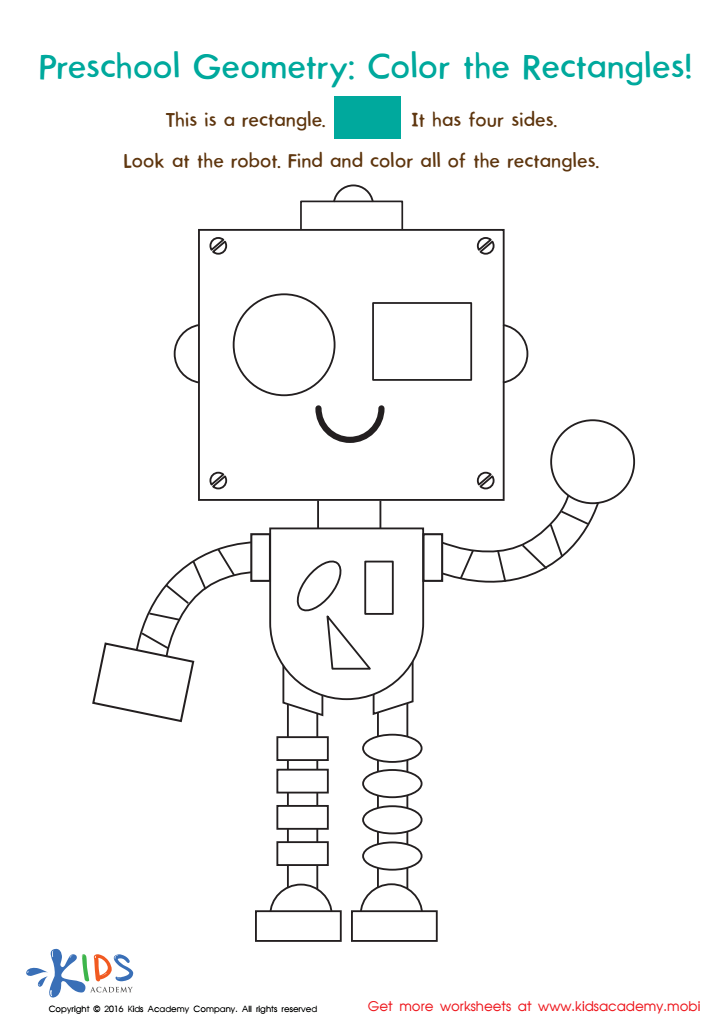
Geometry Worksheet
 Assign to My Students
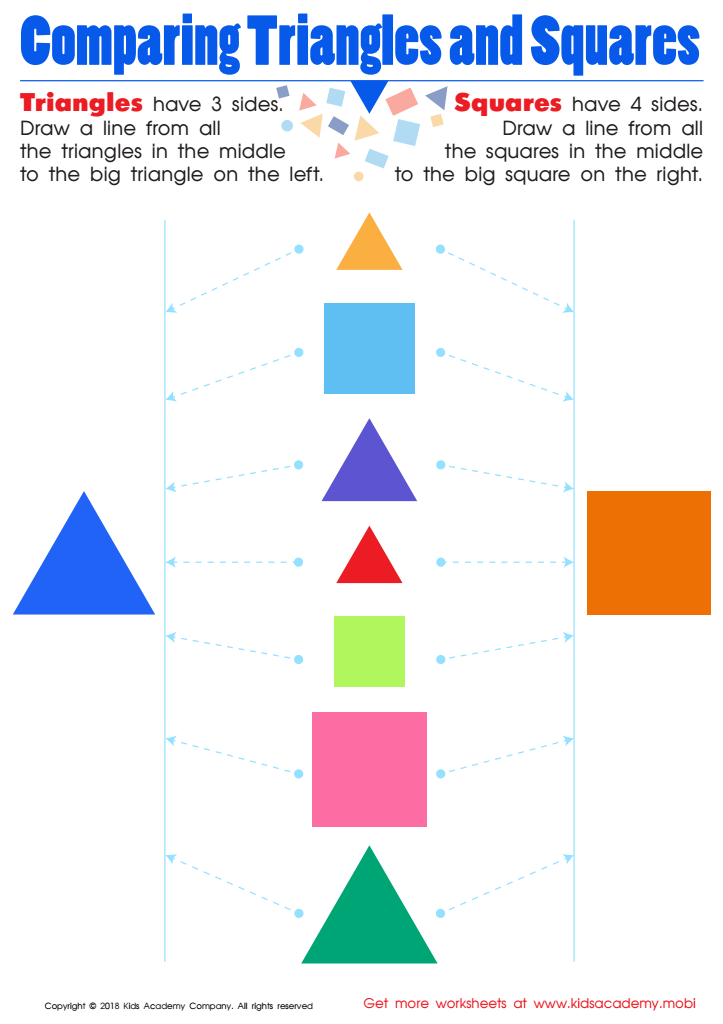
Comparing Triangles Squares Worksheet
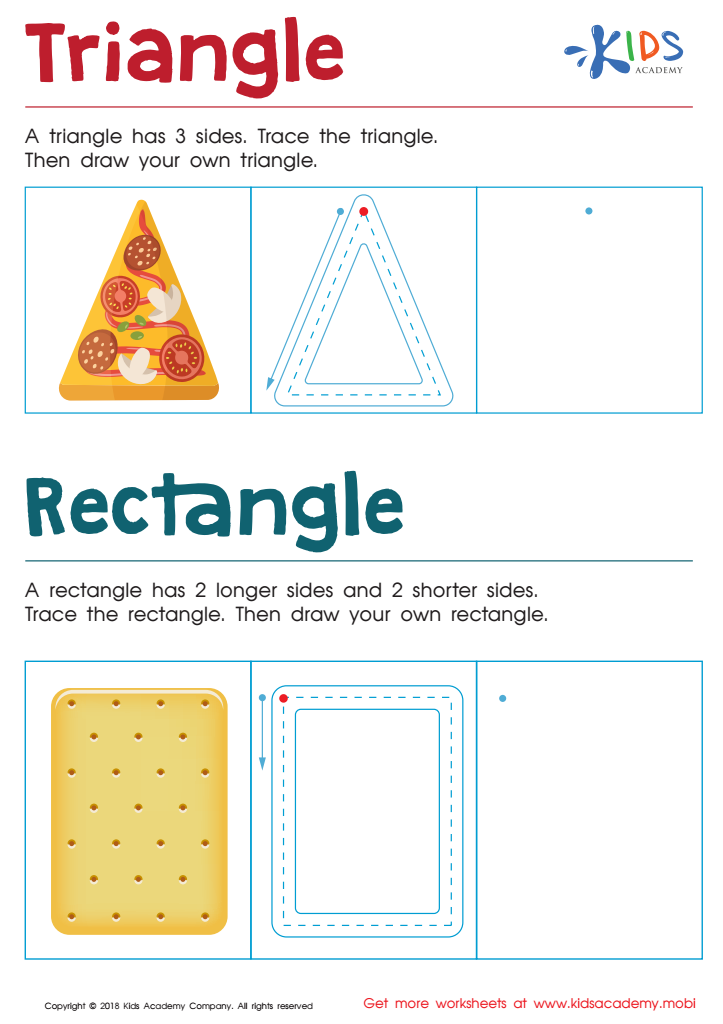
Triangle Rectangle Worksheet
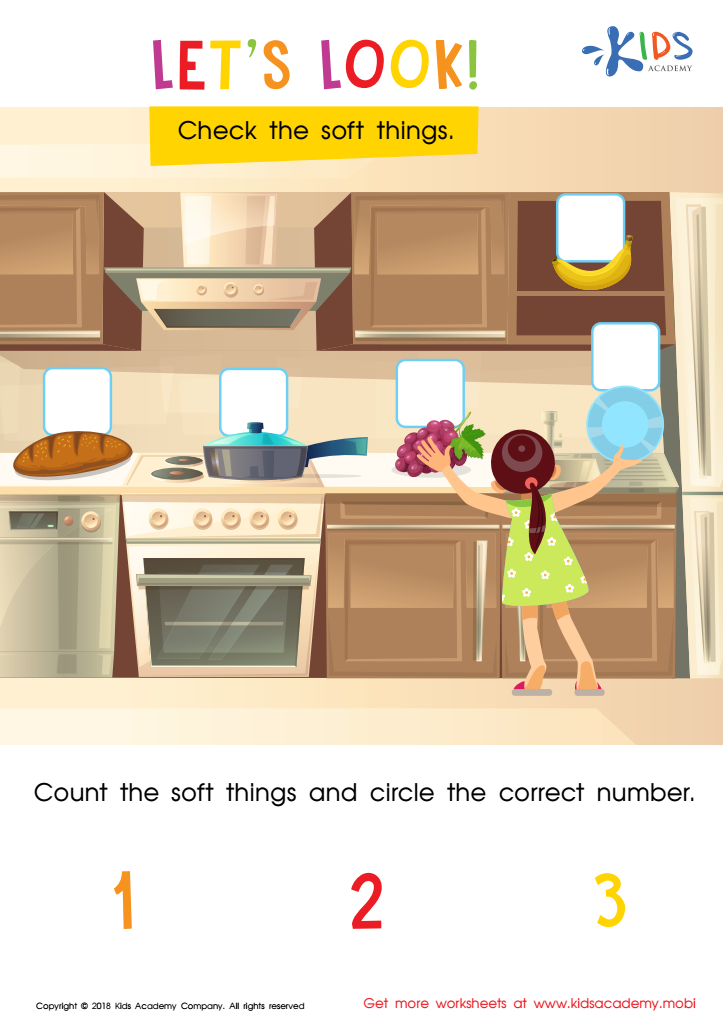
Let's Look! Assessment Worksheet
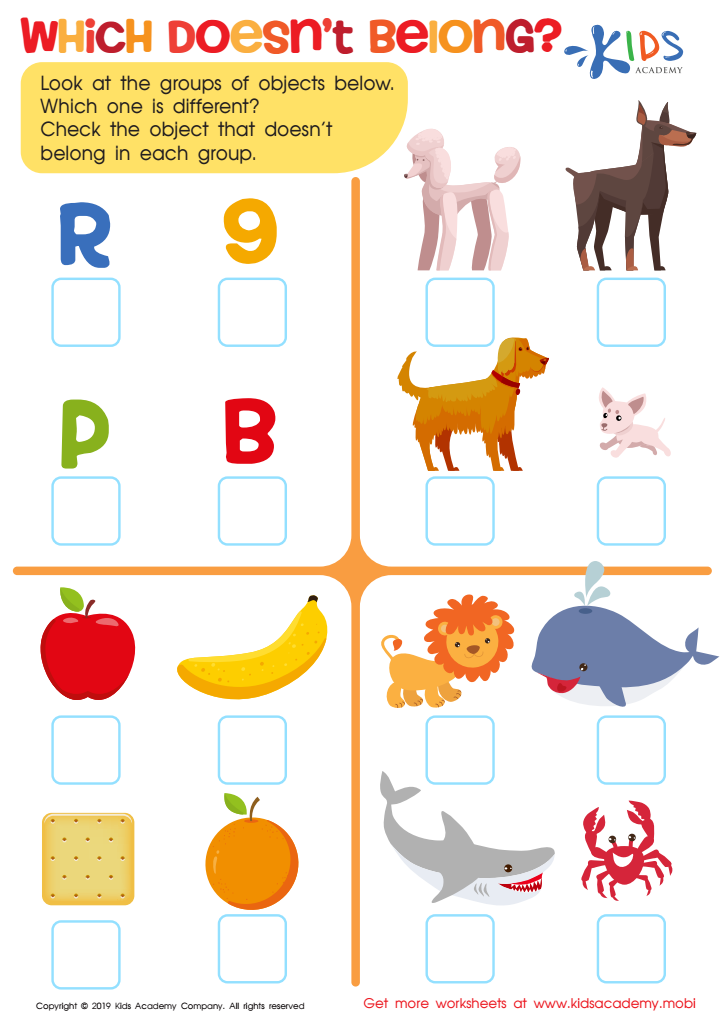
Which Doesn't Belong? Worksheet
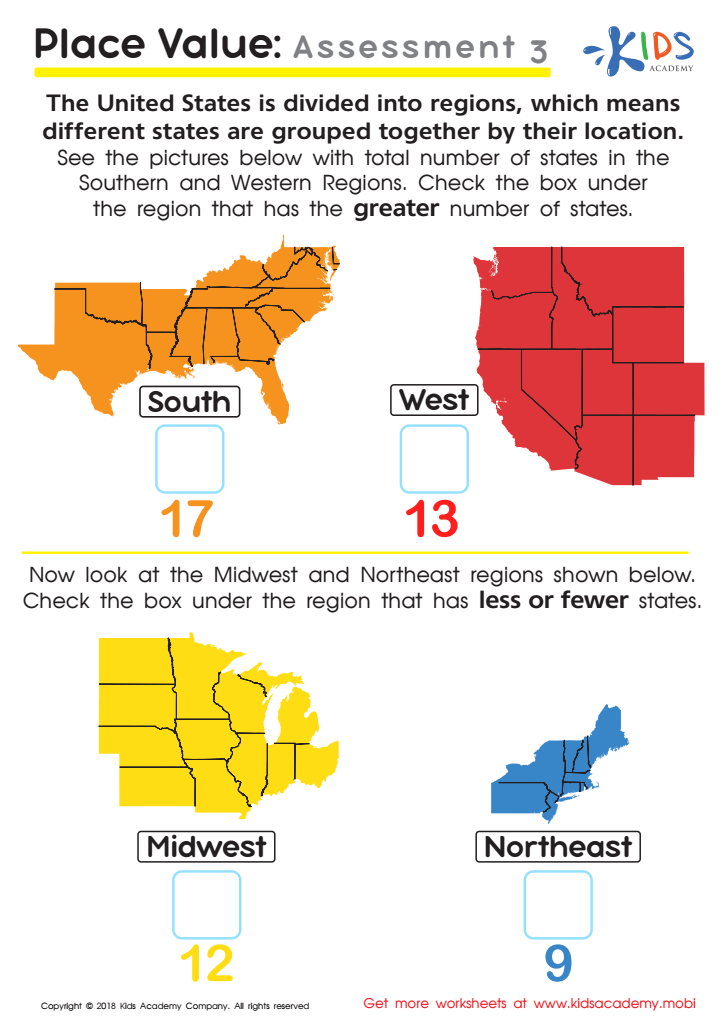
Place Value: Assessment 3 Worksheet
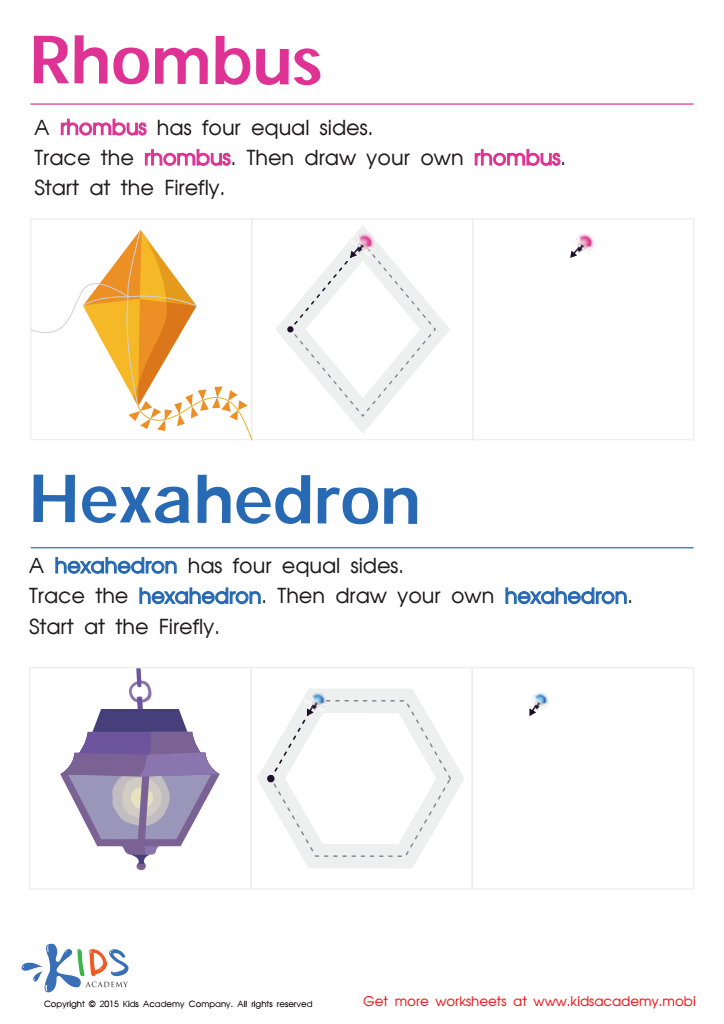
Draw a Rhombus And a Hexahedron Printable
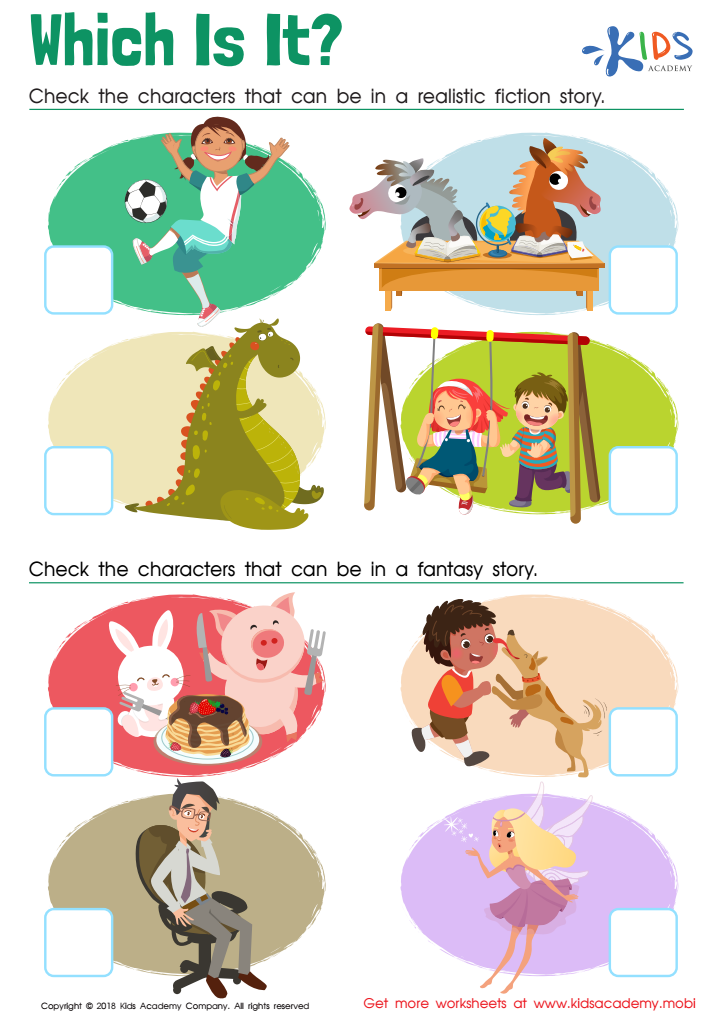
Which Is It? Worksheet
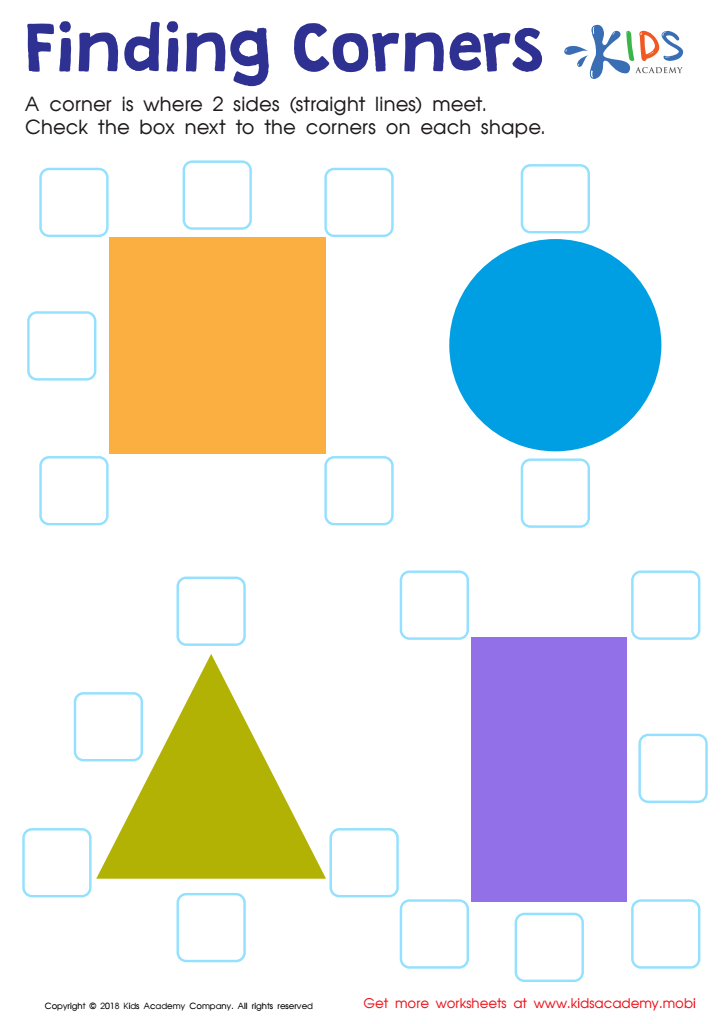
Finding Corners Worksheet







Recognizing and identifying shapes is a critical developmental milestone for children aged 3-8. During these formative years, shape identification lays the foundation for more complex cognitive skills, including mathematics and spatial awareness.
Understanding basic geometric shapes (circle, square, triangle, etc.) helps children categorize and process visual information, a skill fundamental for tasks like reading and problem-solving. For instance, recognizing the shape of letters is easier when children can distinguish different shapes.
Shape identification also plays a crucial role in developing fine motor skills. Activities such as drawing shapes or solving shape puzzles improve hand-eye coordination, which is essential for writing. Moreover, engaging with shapes through play supports creativity and encourages exploration.
For parents and teachers, incorporating shape activities is a natural way to integrate learning into everyday routines. Simple activities such as playing with shape-sorters, puzzles, or even identifying shapes in the environment can be both educational and entertaining. Additionally, mastering shapes boosts children’s confidence, paving the way for life-long learning.
Parents and teachers play an indispensable role in nurturing these skills, ensuring that children build a robust foundation for future academic and everyday success. Fostering shape identification in a fun and supportive manner primes children for a seamless transition to more advanced concepts and learning stages.








