Spatial awareness Normal Worksheets for Ages 3-8 - Page 2
29 filtered results
-
From - To
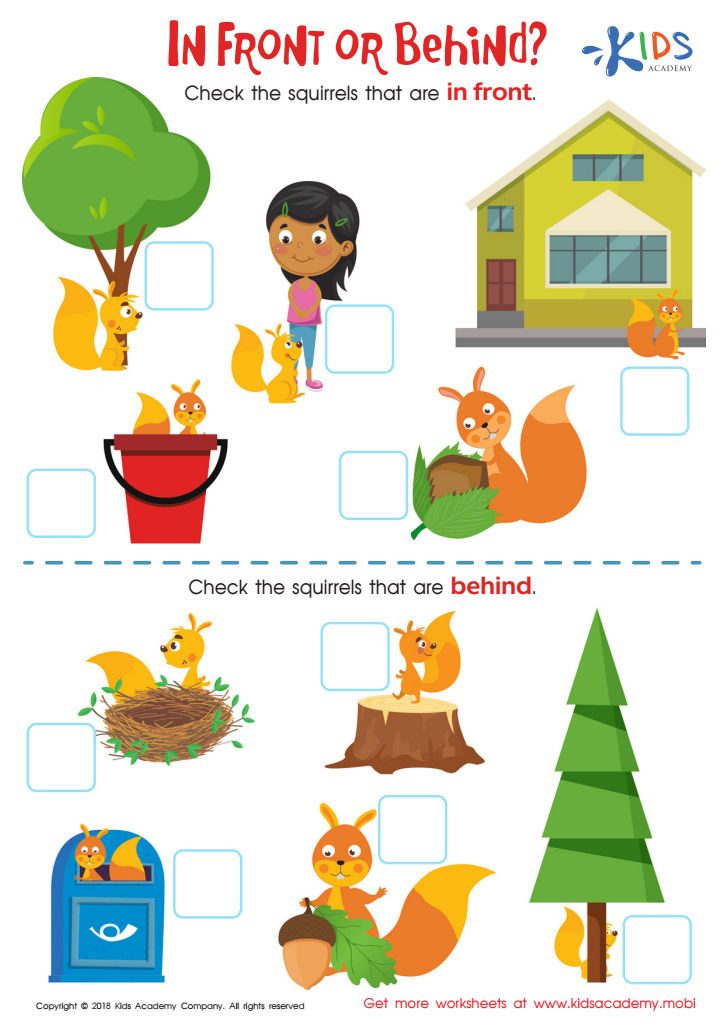
In Front or Behind: Part 2 Worksheet
 Assign to My Students
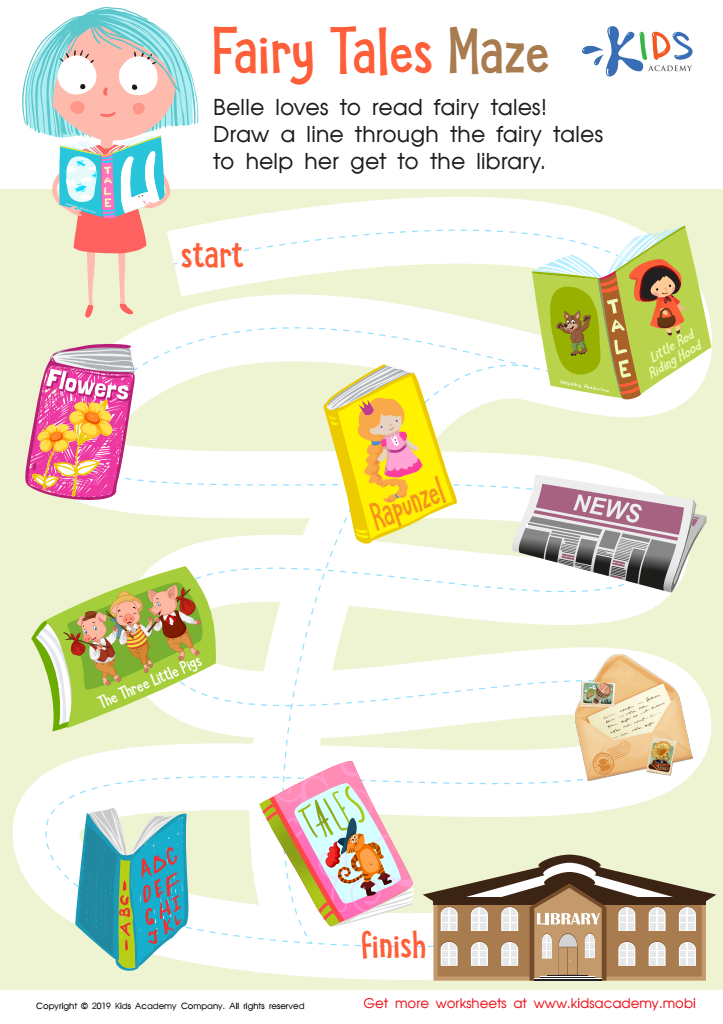
Fairy Tales Maze Worksheet
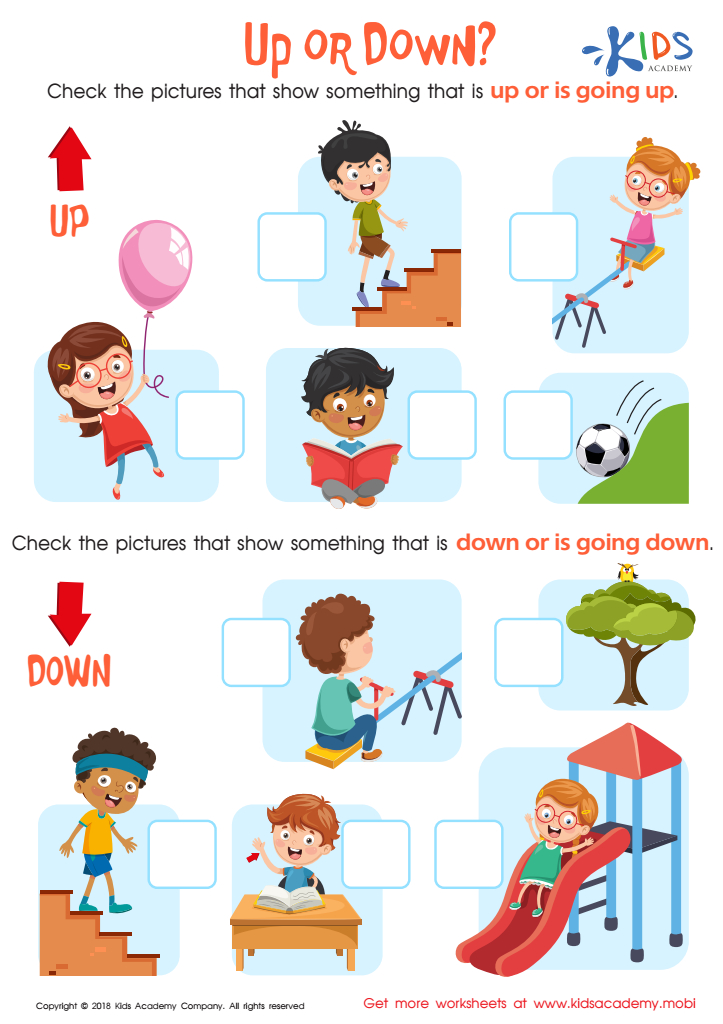
Up or Down Worksheet
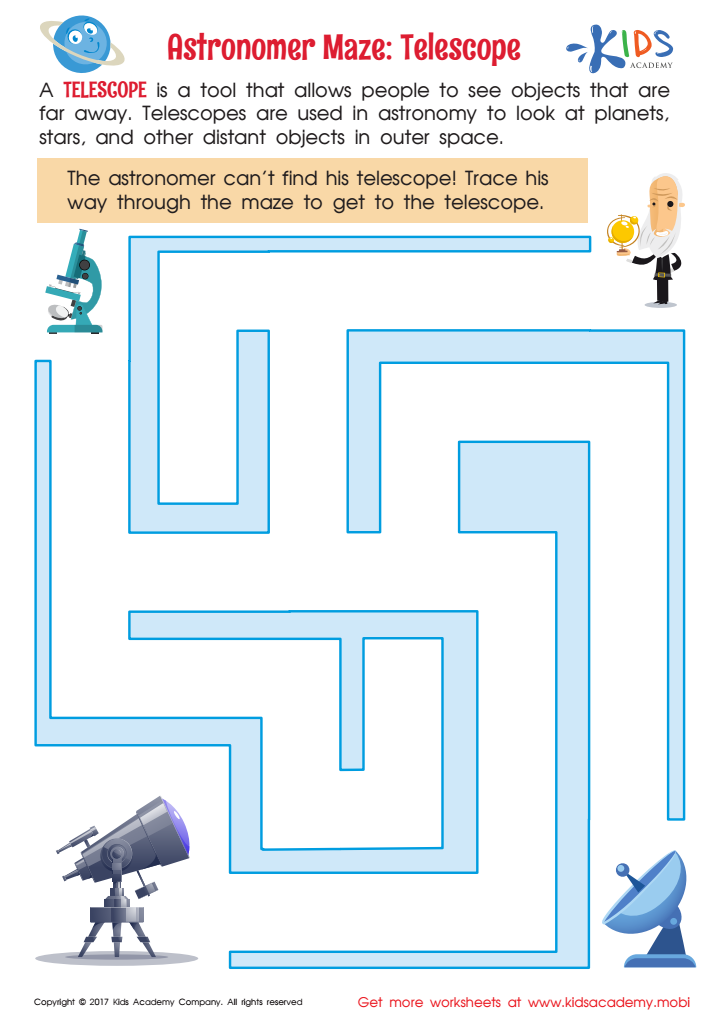
Astronomer Maze: Telescope Worksheet
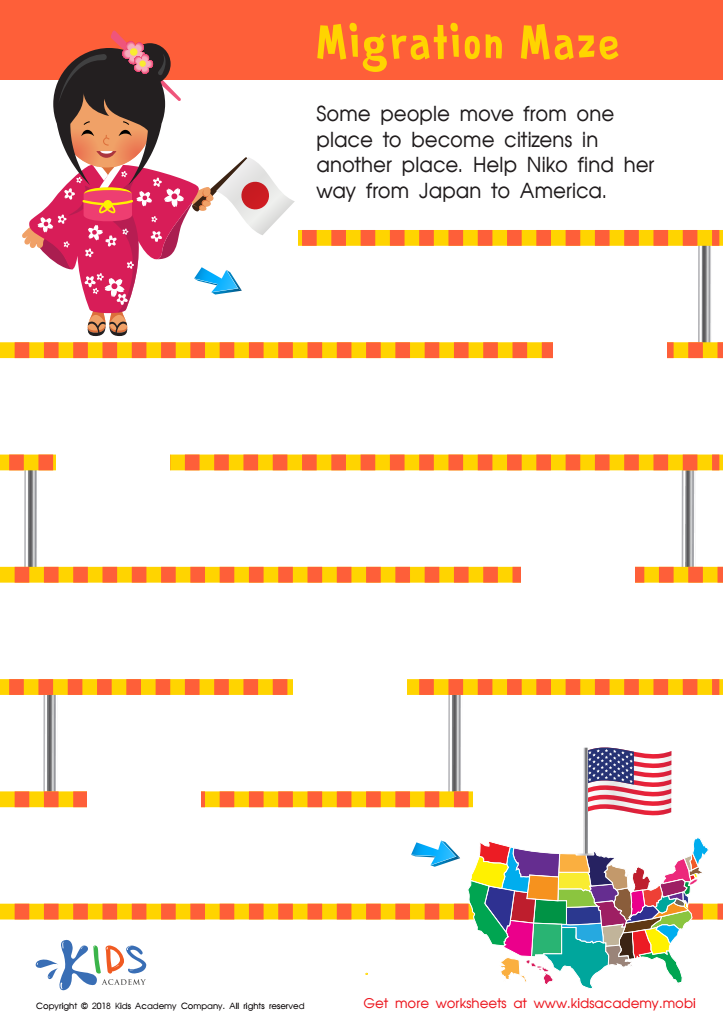
Migration Maze Worksheet






.jpg)
Spatial awareness is a crucial developmental skill for children aged 3-8, as it lays the foundation for a wide array of cognitive and physical abilities. Parents and teachers should prioritize fostering this skill because it enhances problem-solving, critical thinking, and mathematical understanding. Children with well-developed spatial awareness can better navigate their environment, improving their ability to play, learn, and interact effectively.
Engaging in activities that promote spatial awareness, such as building with blocks, puzzles, or playing specific games, can significantly contribute to children's personal and social development. For instance, these activities improve motor skills while encouraging cooperation and communication among peers.
Spatial awareness is also linked to academic success, particularly in subjects like math and science where understanding shapes, spatial relationships, and measurements is essential. As children begin to develop these skills early, they gain confidence and competence that can have lasting effects on their learning trajectory.
Moreover, a strong sense of spatial awareness can enhance creativity, as children visualize and manipulate objects and ideas more freely. By understanding its importance, parents and teachers can create enriching environments that support children's overall growth and prepare them for future challenges.








