Word identification Normal Worksheets for Ages 3-8
9 filtered results
-
From - To
Unlock the world of words with our engaging Word Identification Normal Worksheets for Ages 3-8! Designed to ignite a passion for reading, these worksheets provide young learners with enjoyable and interactive activities that enhance vocabulary and word recognition skills. Perfect for preschoolers and early elementary students, our resources cater to various learning styles, allowing children to practice words through fun exercises like matching, tracing, and coloring. Easy to download and print, these worksheets foster an exciting learning environment at home or in the classroom. Help your child build a strong foundation for literacy and boost their confidence with these essential word identification worksheets today!
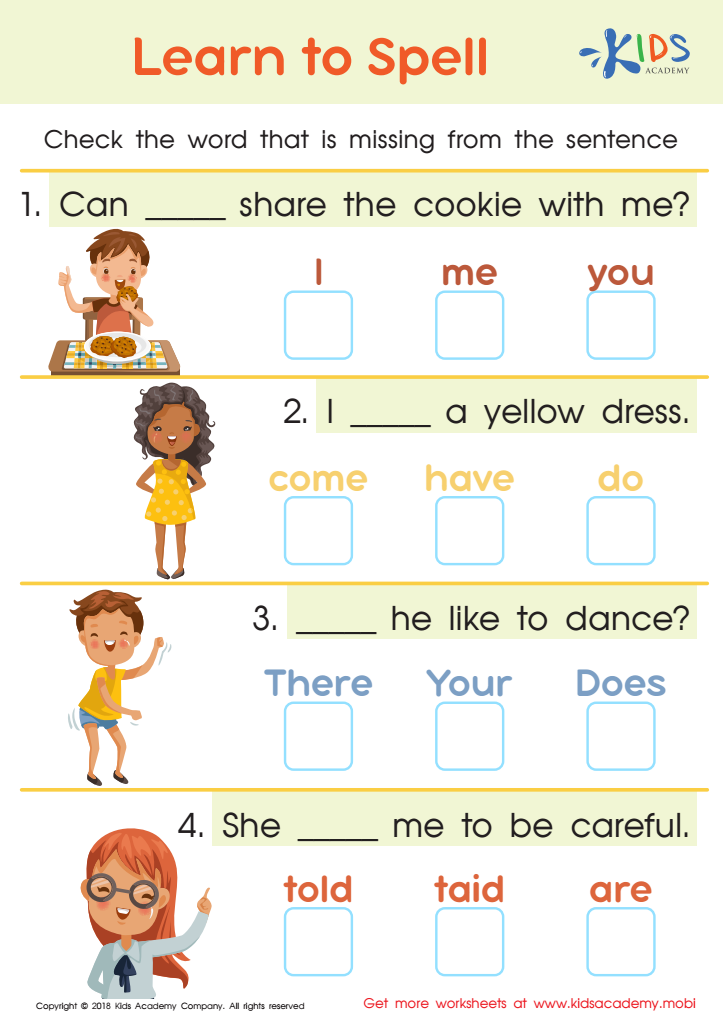
Learn to Spell Worksheet
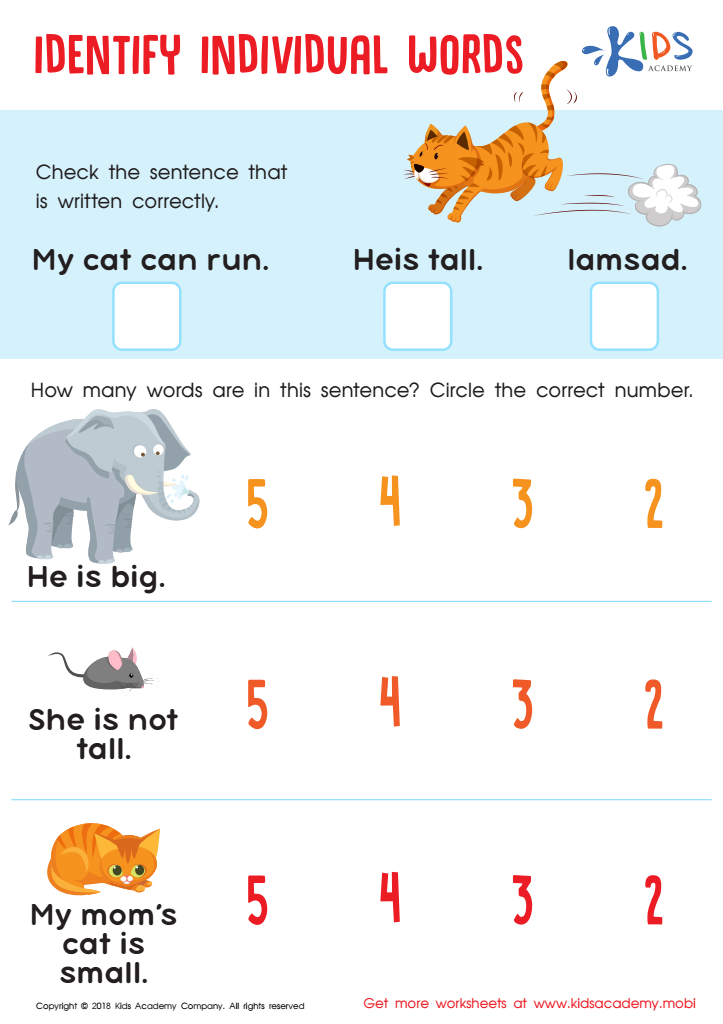
Identify Individual Words Worksheet
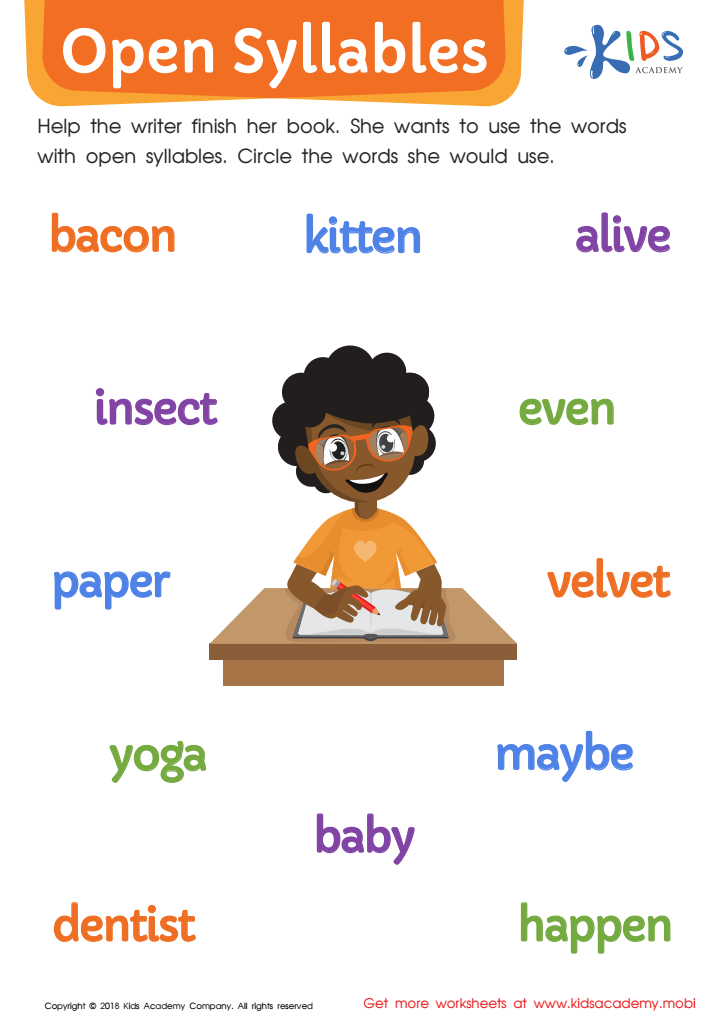
Open Syllables Worksheet
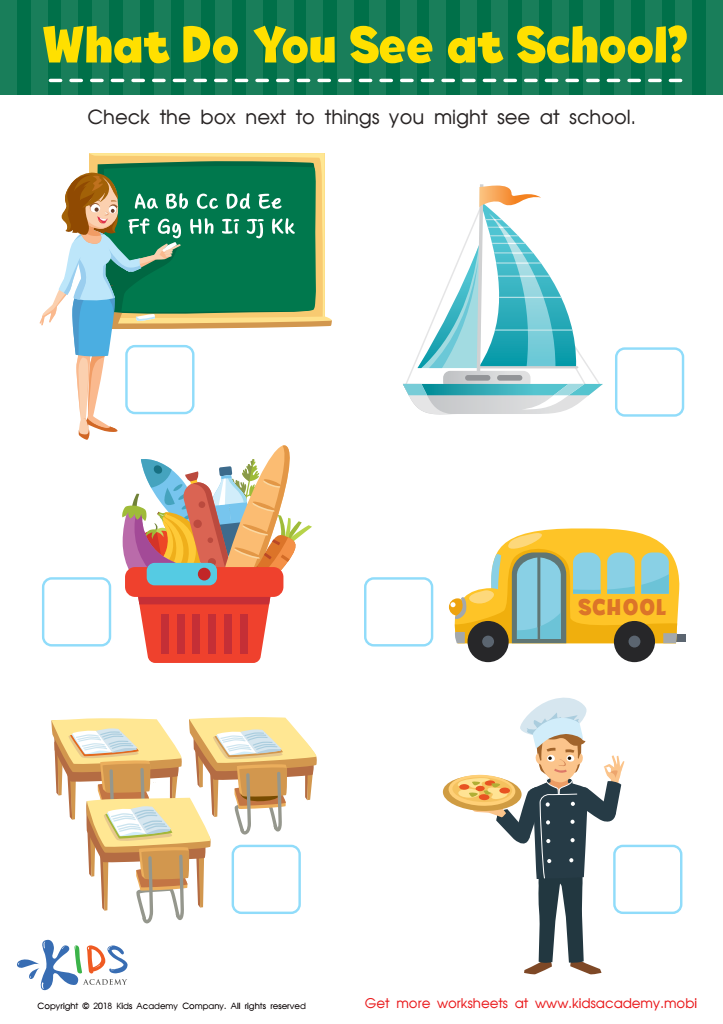
What Do you See at School? Worksheet
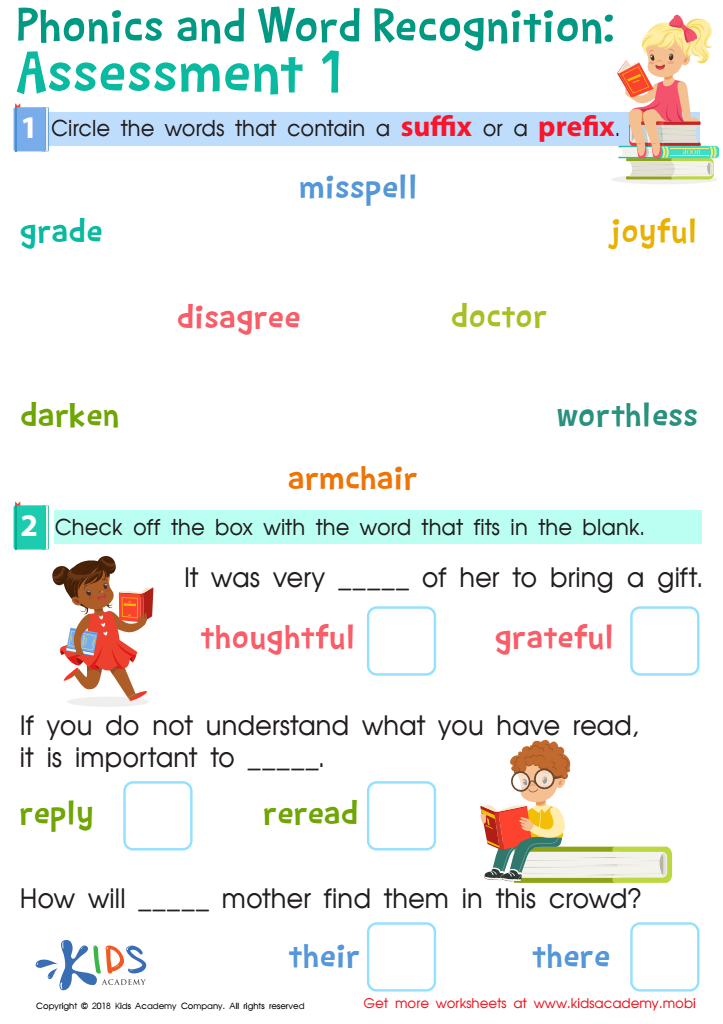
Phonics and Word Recognition: Assessment 1 Worksheet
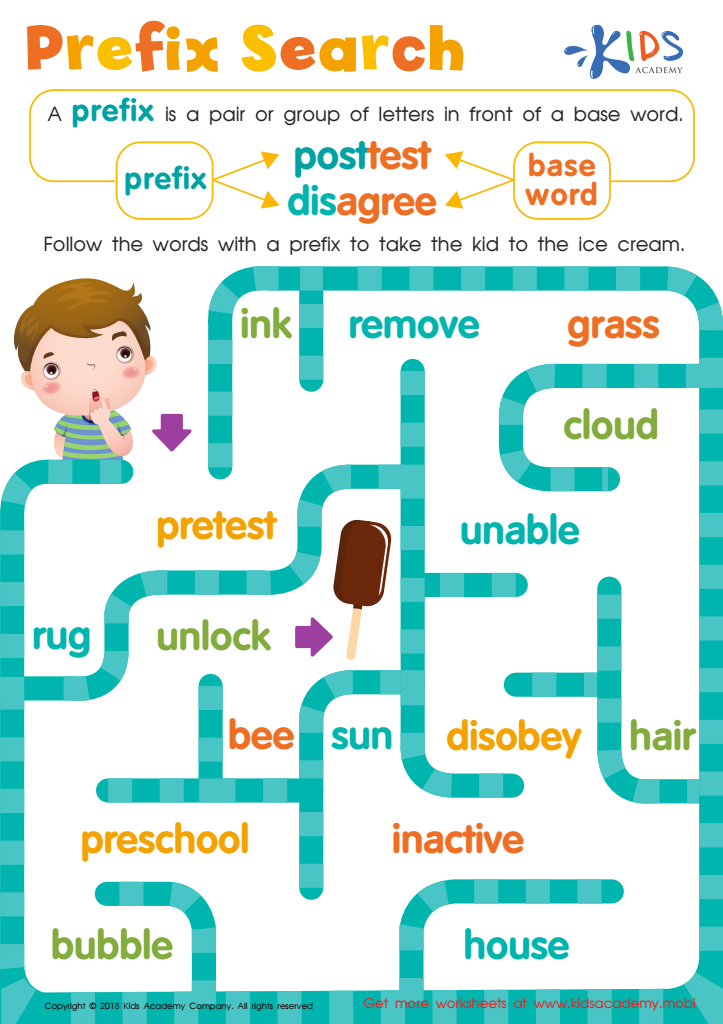
Reading: Prefix Search Worksheet
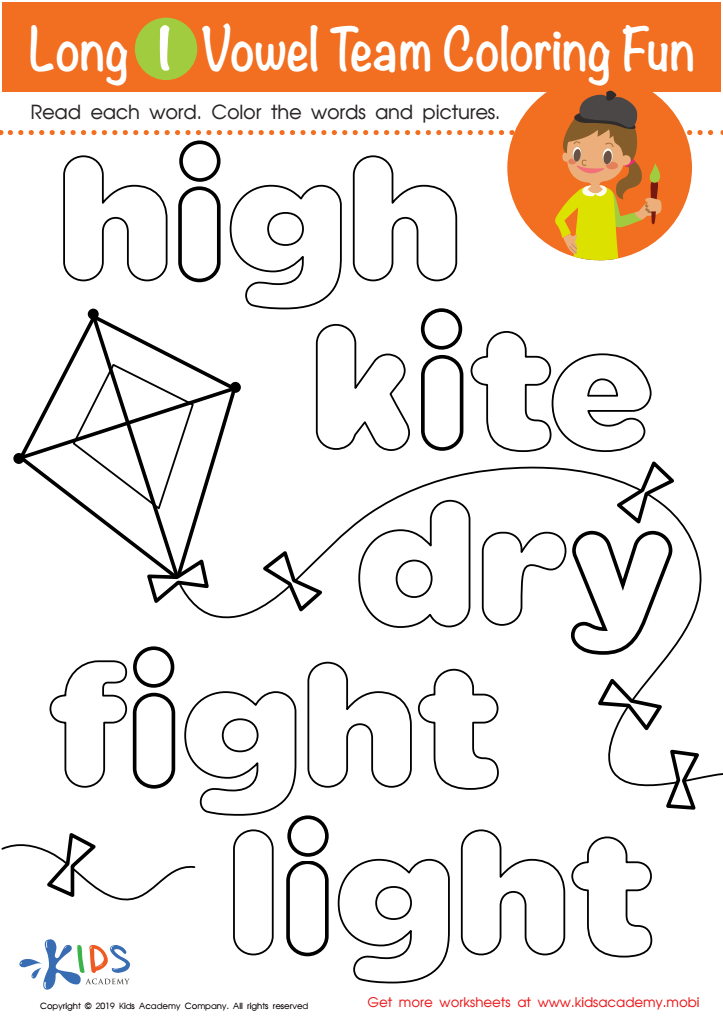
Long I Vowel Team Coloring Worksheet
 Assign to My Students
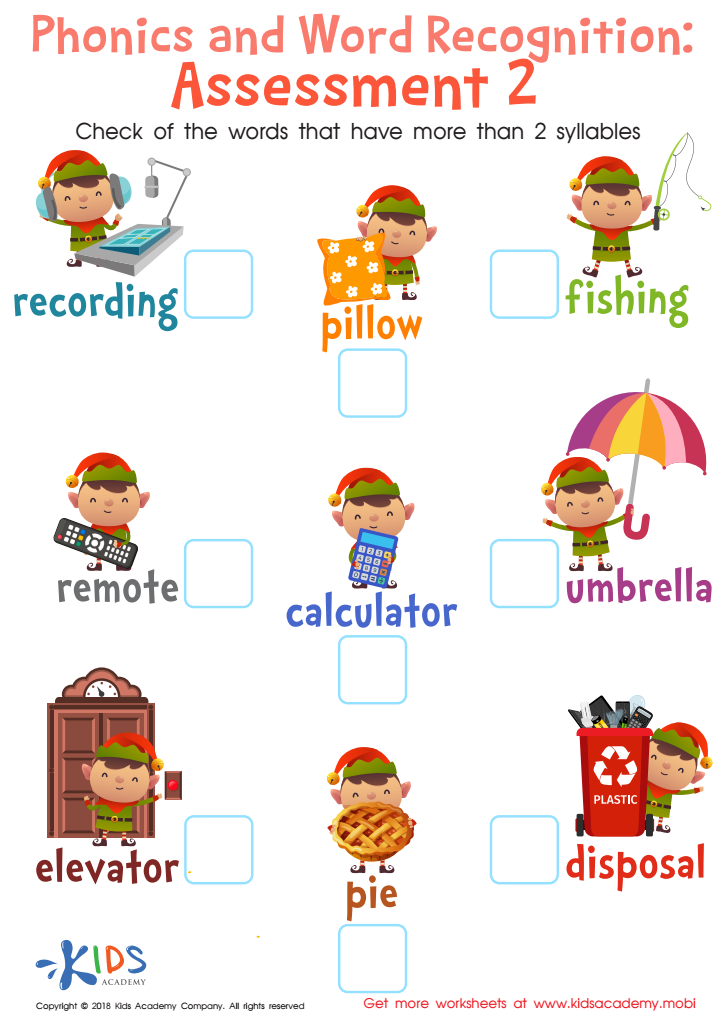
Phonics and Word Recognition: Assessment 2 Worksheet
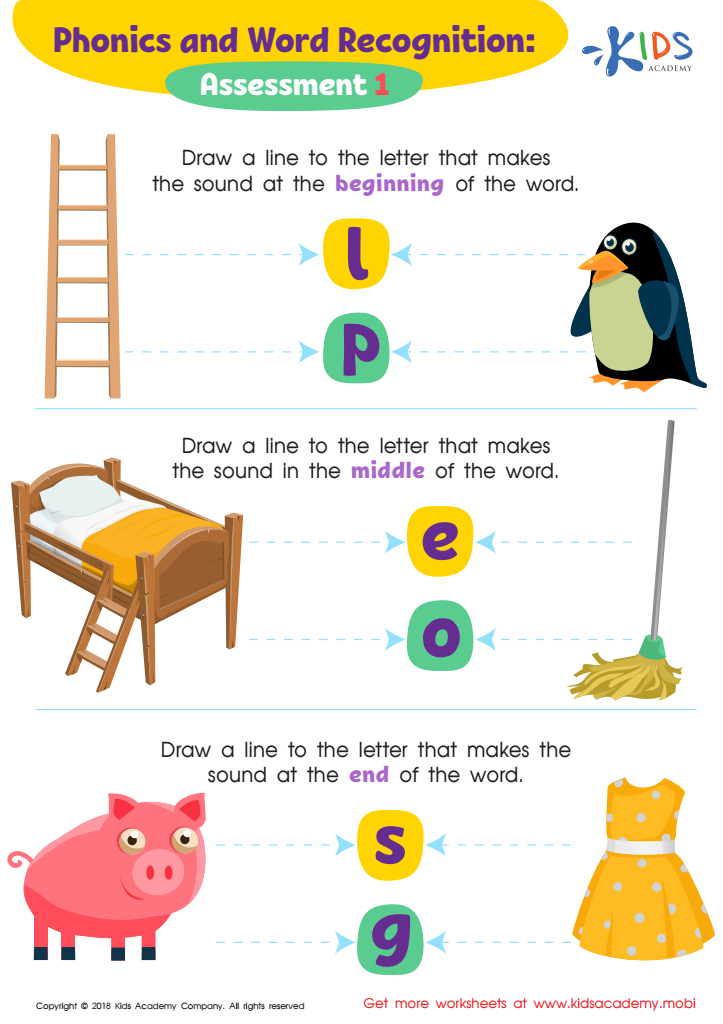
Phonics and Word Recognition: Assessment 1 ELA Worksheet








Word identification is crucial for children aged 3-8, as it serves as a foundational skill for literacy development. During these formative years, children are beginning to understand the relationship between spoken and written language. Effective word identification helps young learners recognize and decode words, enabling them to read fluently and with comprehension. This skill not only promotes a love for reading but also enhances overall learning across subjects.
For parents and teachers, nurturing strong word identification abilities in children can lead to heightened self-confidence and academic success. When children can identify words quickly and accurately, they are more likely to engage with texts, participate in discussions, and express their thoughts clearly. Furthermore, early intervention in word identification issues can prevent long-term reading difficulties, allowing children to build a solid literacy foundation that supports their future education.
Additionally, strong literacy skills are linked to better performance in school, increased motivation, and improved communication abilities in later life. Therefore, by prioritizing word identification, parents and teachers play an essential role in shaping children’s educational journeys and helping them develop into competent, lifelong learners. Emphasizing this skill fosters not only academic achievement but also instills a passion for reading and learning.








