Unlock your child's potential with our "Improving Math Skills Normal Numbers Worksheets" tailored for ages 3-8! These engaging, interactive worksheets are designed to enhance foundational math skills and boost confidence. Each activity focuses on number recognition, counting, and basic arithmetic, offering a fun and educational way for young learners to grasp essential math concepts. Perfect for at-home practice or classroom use, our worksheets encourage critical thinking and problem-solving while ensuring that learning feels enjoyable. Promote a love for math in your child as they explore numbers through colorful, user-friendly designs. Start their math journey today and watch them thrive!

Check out this FREE Trial Lesson on Numbers for age 3-8!

Equivalent Fractions

Favorites
With answer key
Interactive
  • 3-8
  • Improving math skills
  • Numbers
  • Normal
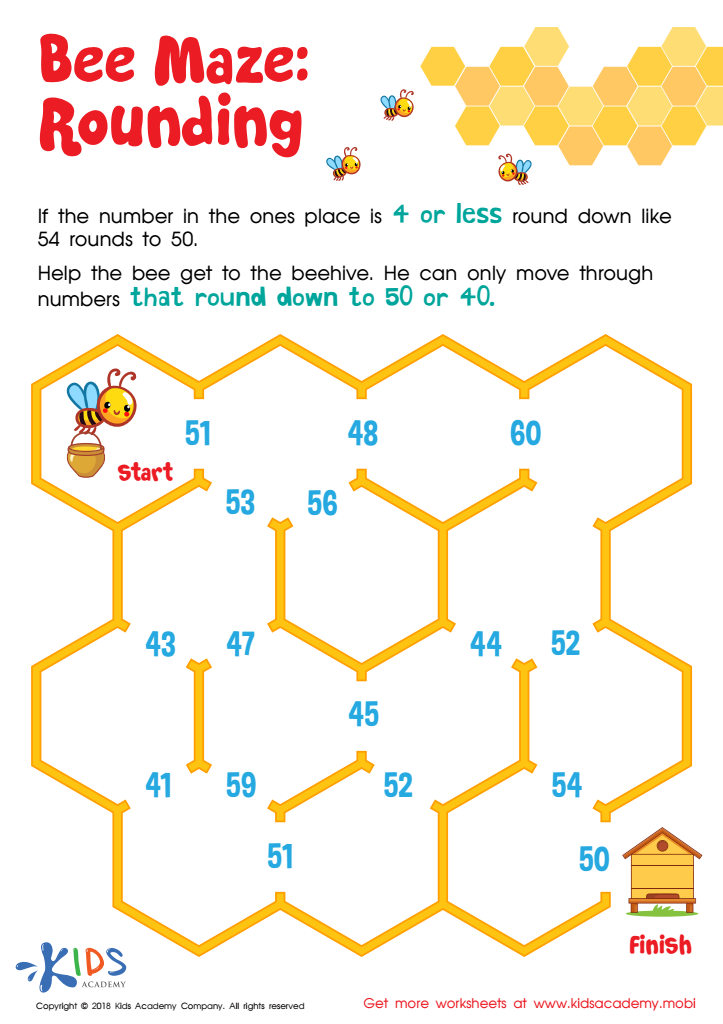
Rounding down printable worksheet

Rounding Down Printable Worksheet

Help our bee friend take its honey pot back to the hive! With this worksheet, your kid can practice rounding numbers down. Have them guide the bee through the maze, choosing only numbers that round to 50 or 40.
Rounding Down Printable Worksheet
Worksheet
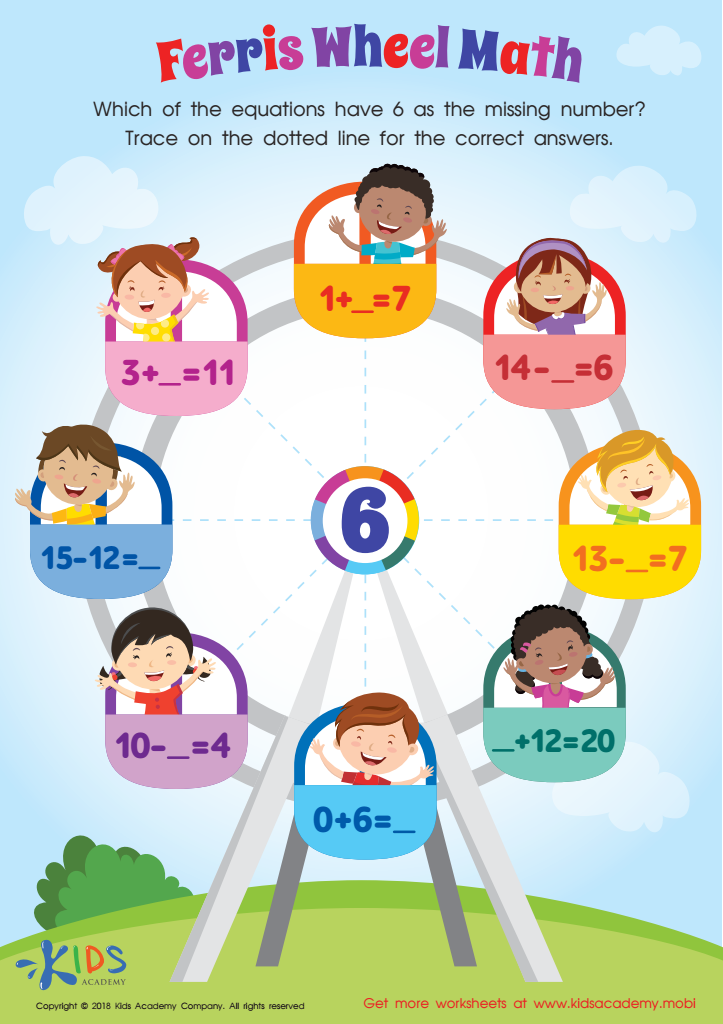
Missing Number: Ferris Wheel Math Worksheet

Missing Number: Ferris Wheel Math Worksheet

Hop on the Ferris wheel and solve the equations in the baskets! If the missing number is 6, draw a line from the basket to the middle of the wheel. Kids Academy's addition worksheet will not only help practice pre-algebra but also keep kids entertained with its vibrant illustrations. So, go round and round and have fun with math!
Missing Number: Ferris Wheel Math Worksheet
Worksheet
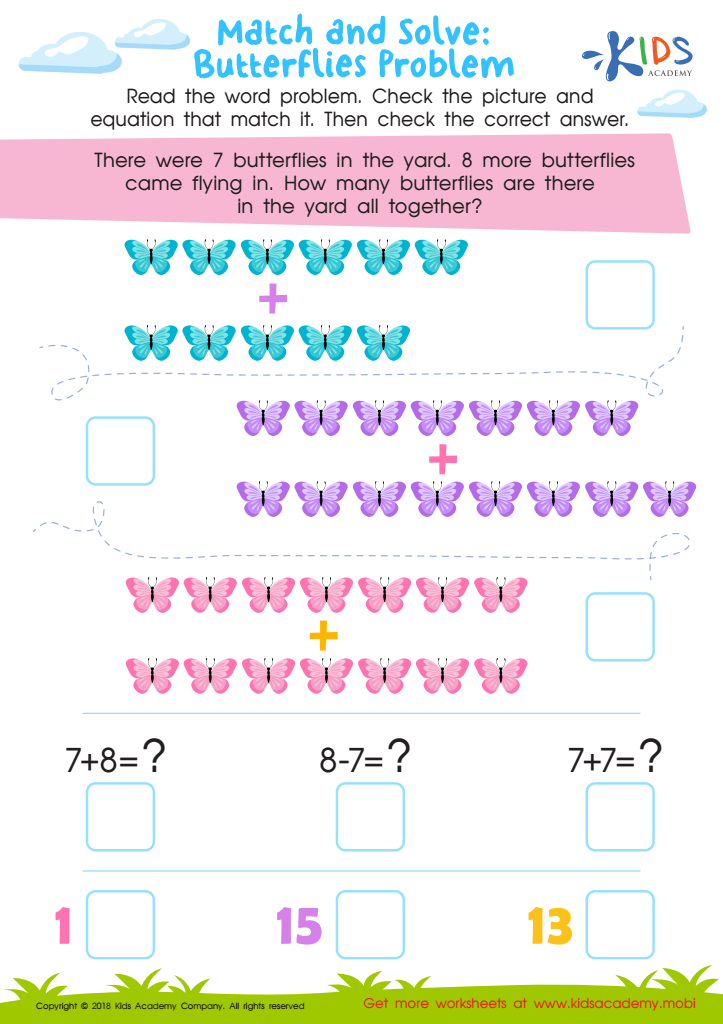
Match and Solve: Butterfly Problem Worksheet

Match and Solve: Butterfly Problem Worksheet

Kids should practice math problems in different ways. This fun worksheet uses butterflies to represent numbers in word problems. Help your child read the problem and count the butterflies to find the correct illustration. Then, pick the equation with the correct answer and find the solution. Tick the box to complete! (80 words)
Match and Solve: Butterfly Problem Worksheet
Worksheet
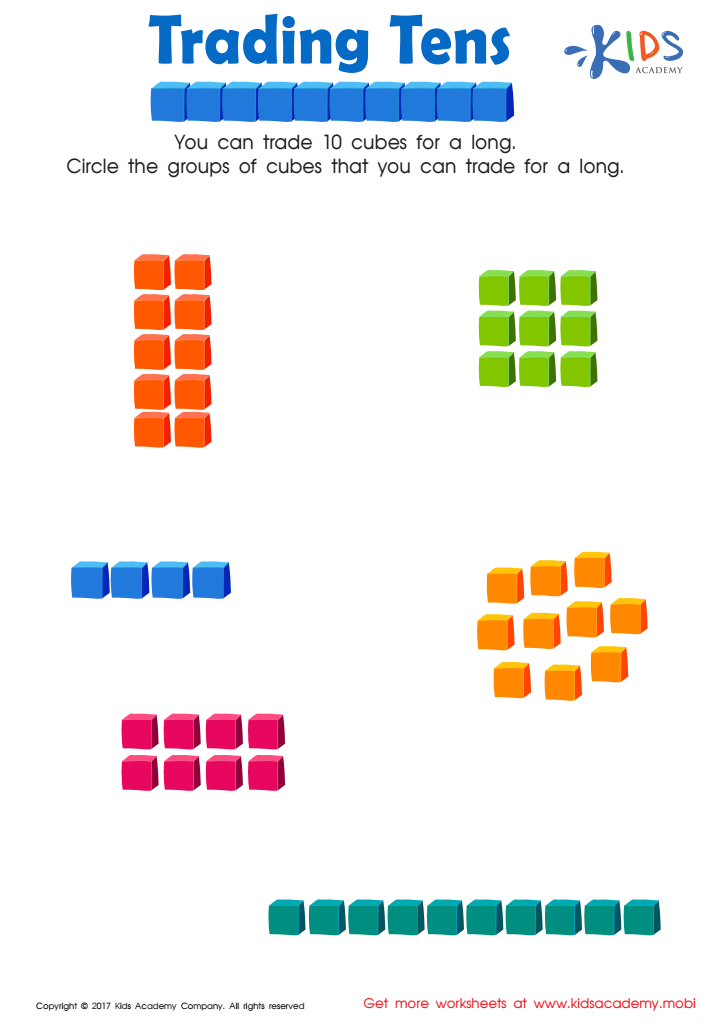
Trading Tens Worksheet

Trading Tens Worksheet

Students will hone their counting skills with this worksheet. They must identify groups of 10 cubes to trade for a long. The cubes are arranged in different ways, so students must rely on individual counting. Completing this printable pdf will help 1st graders develop problem-solving abilities and a better understanding of counting.
Trading Tens Worksheet
Worksheet
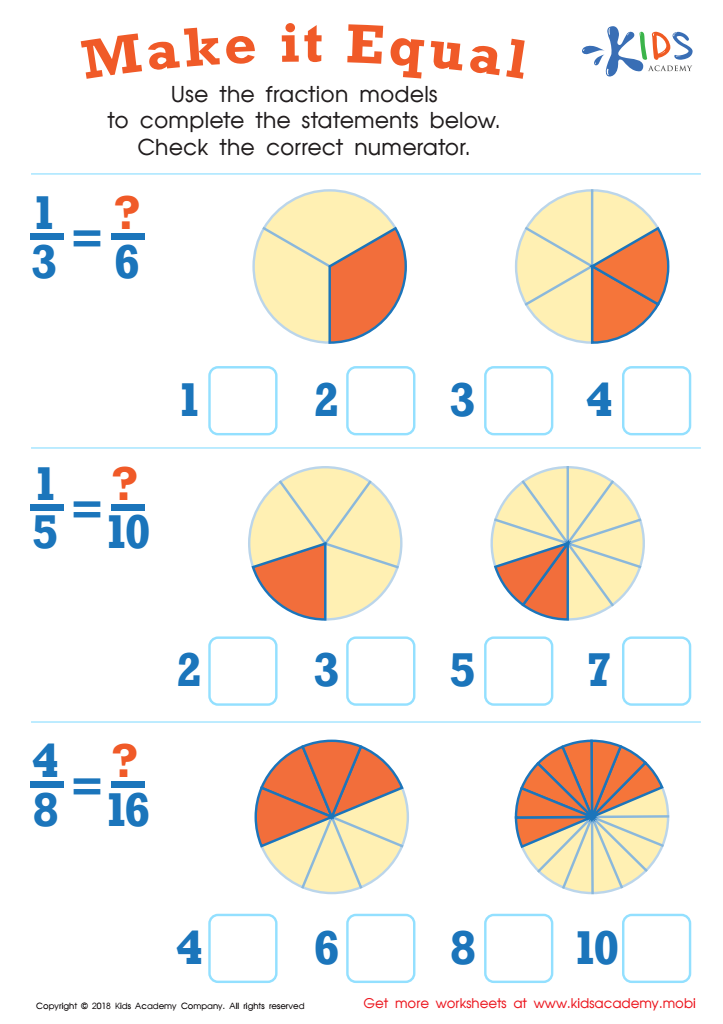
Make It Equal Worksheet

Make It Equal Worksheet

Ask your kids to complete the equations in the worksheet and find the correct numerator. Explain that numerators are the numbers at the top of a fraction and guide them as they count the shaded parts of the shapes. There are three equations to figure out.
Make It Equal Worksheet
Worksheet
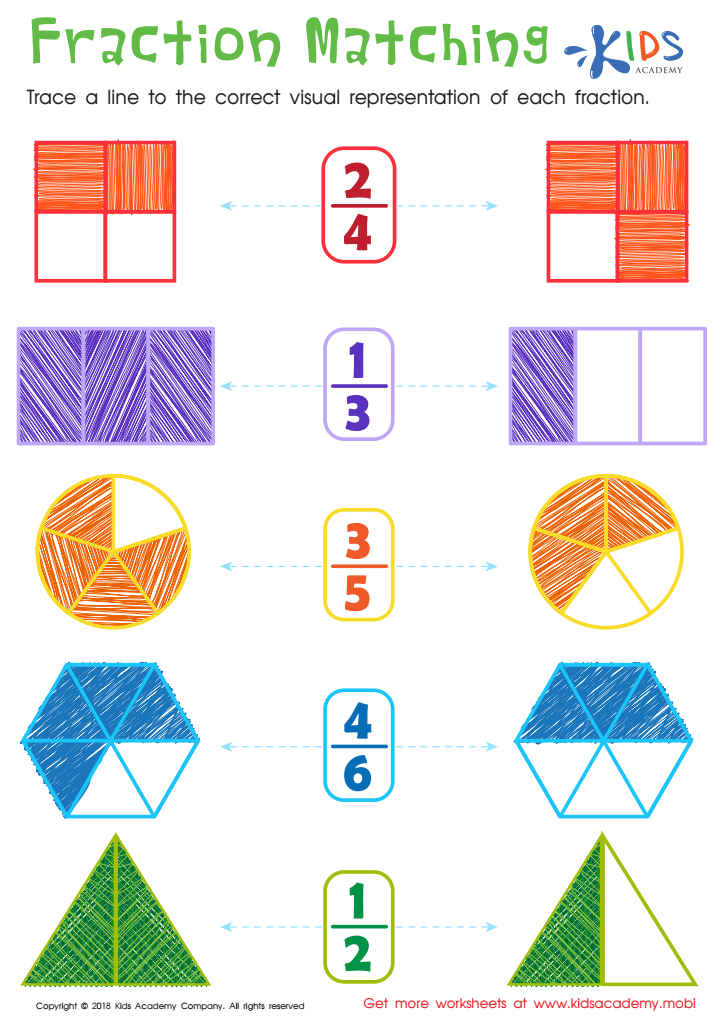
Fraction Matching Worksheet

Fraction Matching Worksheet

Teach your kindergartners fractions with this colorful worksheet. Make sure they understand numerators and denominators, then have them trace a line to the correct visual representation of each equation. There are five fractions for them to work on. With the foundation of fractions, mathematics will be much easier for them.
Fraction Matching Worksheet
Worksheet
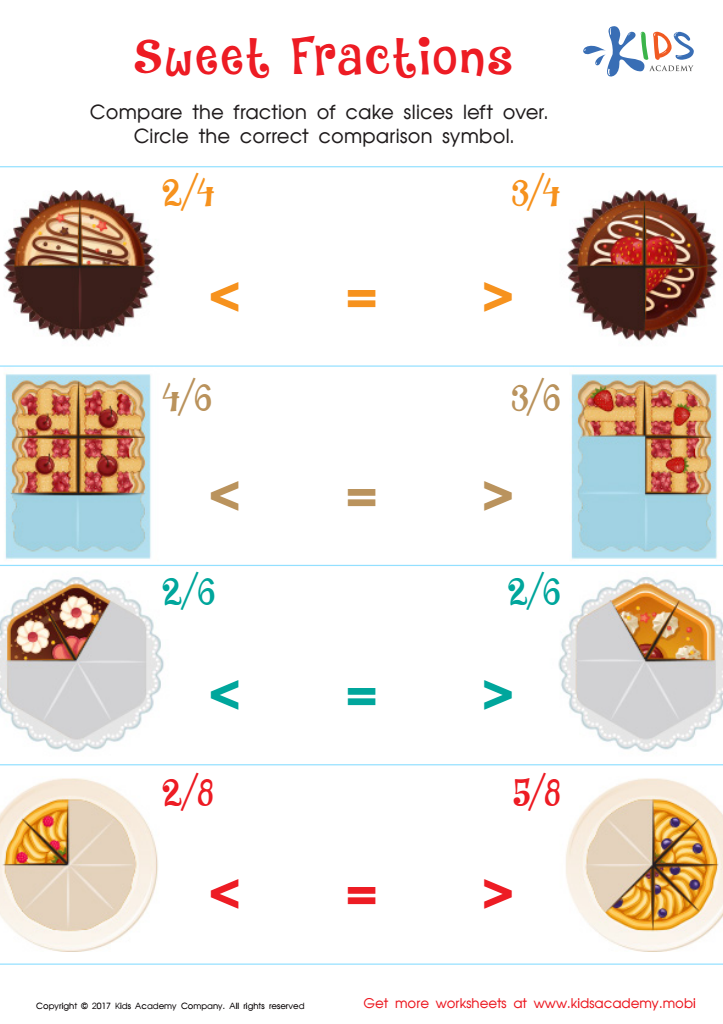
Сompare fractions worksheet for 3rd grade

Compare Fractions Worksheet

This compare fractions worksheet is great for 3rd graders to learn and understand fractions in a fun way. Let them explore fractions visually with the help of sweet treats!
Compare Fractions Worksheet
Worksheet


Improving math skills, particularly with normal numbers, for children ages 3-8 is crucial for several reasons. First, early math skills lay the foundation for future learning. Research indicates that strong early math abilities correlate with later academic success, not just in mathematics, but in other subjects as well. When parents and teachers focus on developing children's understanding of numbers during these formative years, they cultivate critical thinking, problem-solving, and logical reasoning skills.

Moreover, engaging with normal numbers helps young learners develop essential cognitive skills, such as counting, number recognition, and basic operations. These skills promote spatial awareness and the ability to understand relationships between objects, which are fundamental concepts in both math and everyday life. Early exposure and practice can alleviate anxiety around math later on, fostering a positive attitude towards the subject.

Additionally, teaching mathematical concepts in a fun and playful manner enhances engagement and improves retention. Parents and teachers can use everyday situations to reinforce these skills, reinforcing the notion that math is integral to daily life. Ultimately, investing in early math education equips children with the tools they need for lifelong learning, promotes self-confidence, and sets the stage for a successful academic journey.