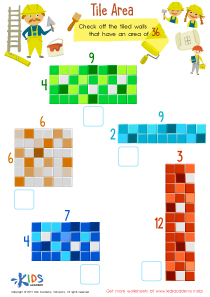
Logical Reasoning Normal Numbers Worksheets for Ages 3-8
4 filtered results
-
From - To
Discover our engaging Logical Reasoning Normal Numbers Worksheets designed for children ages 3-8! These worksheets aim to enhance critical thinking and number recognition through fun and interactive activities. Young learners can explore patterns, make comparisons, and solve puzzles, all while building a strong foundation in logical reasoning. Our kid-friendly designs encourage creativity and enjoyment in learning, making mathematics an exciting adventure! Perfect for home or classroom use, these printable worksheets cater to various skill levels, ensuring that every child can develop their logical reasoning capabilities effectively. Boost your child's confidence and prepare them for future math success with our thoughtfully crafted materials!
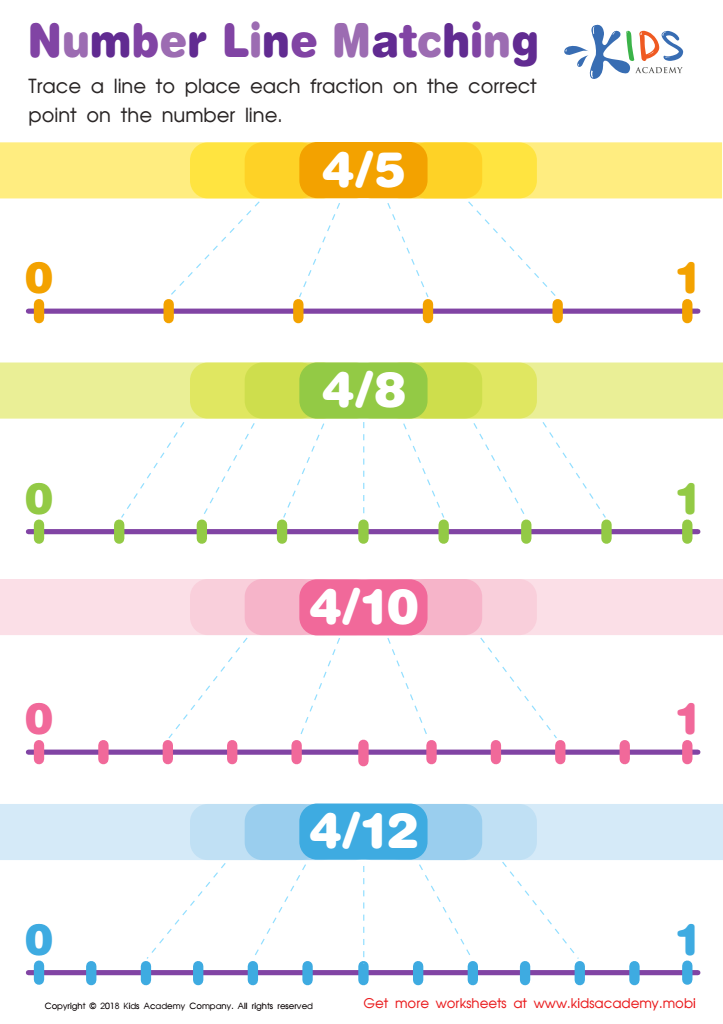
Number Line Matching Worksheet
 Assign to My Students
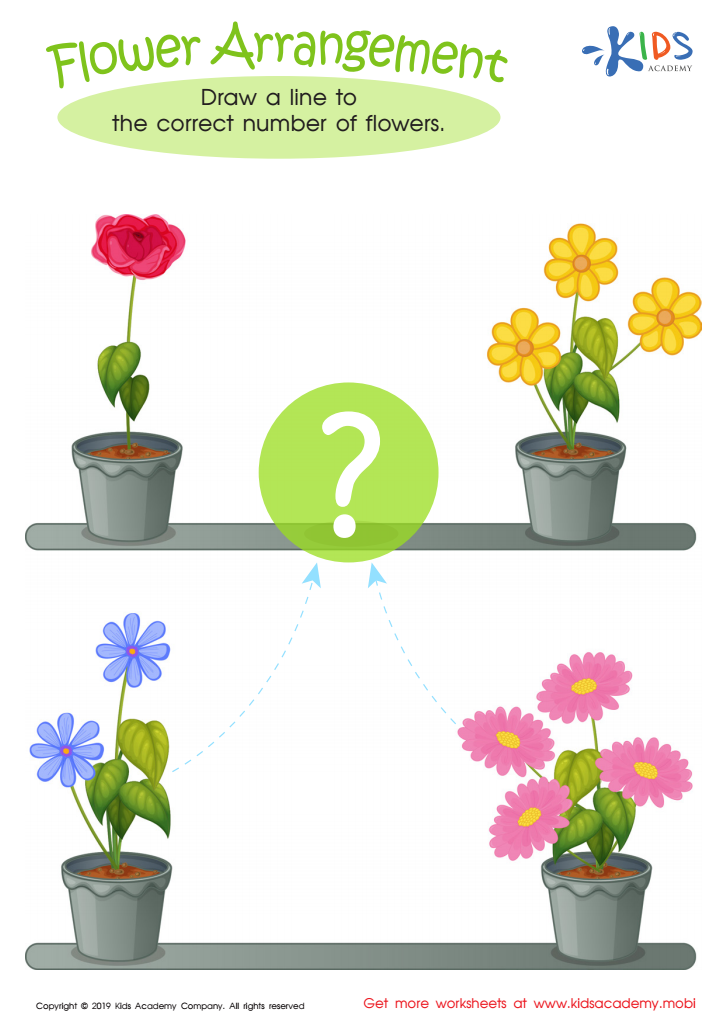
Flower Arrangement Worksheet
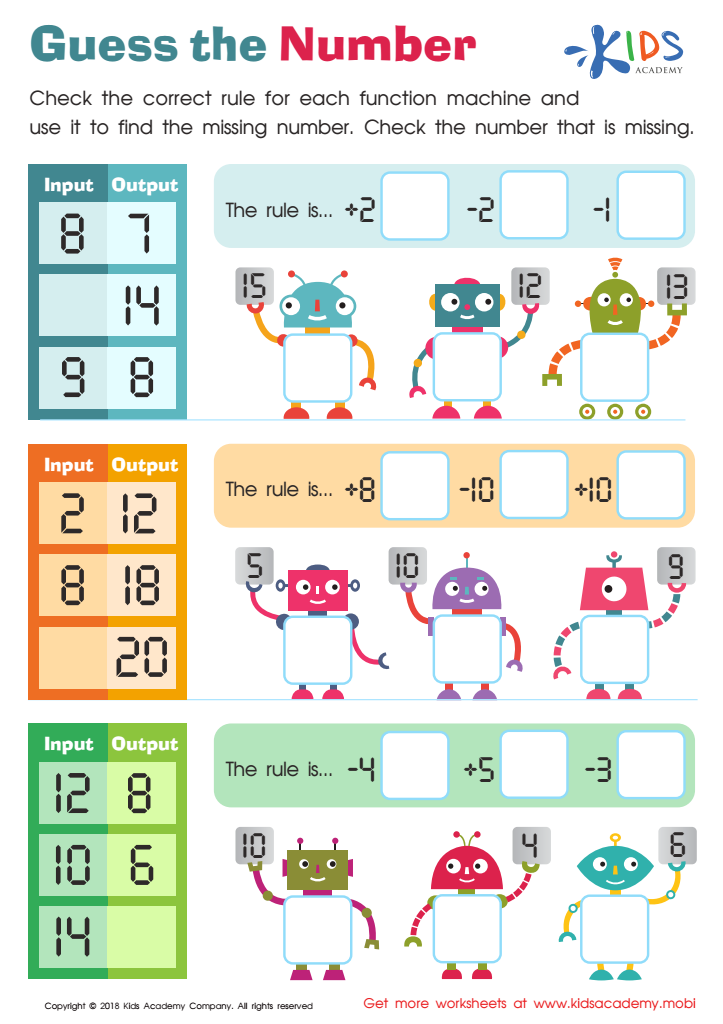
Guess the Number Worksheet
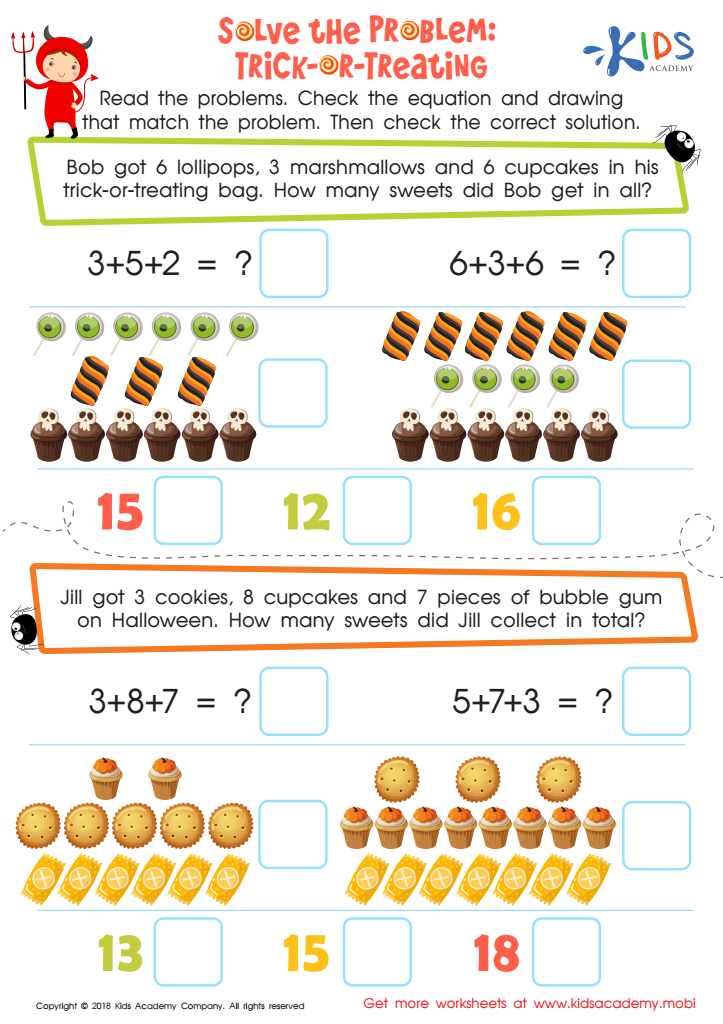
Solve the Problem: Trick–or–treating Worksheet








Logical reasoning and understanding of normal numbers are foundational skills for children aged 3-8, playing a critical role in their overall cognitive development. For parents and teachers, fostering these skills is essential as they form the building blocks for more complex academic concepts that children will encounter later.
Logical reasoning helps children learn to think critically, analyze situations, and solve problems. This skill not only enhances their academic abilities—such as mathematics and reading comprehension—but also equips them with the tools to navigate everyday challenges. Engaging children in activities that encourage logical reasoning—like puzzles, games, and storytelling—can significantly enhance their ability to connect ideas and concepts.
Learning about normal numbers (whole numbers that we commonly use, such as 1, 2, 3, etc.) is equally important. Mastering these numbers develops number sense, which is crucial for understanding more complex mathematical concepts later on. It also fosters an early appreciation for numeracy, an essential skill in our number-driven society.
By prioritizing logical reasoning and number recognition, parents and teachers help nurture independent thinkers and confident problem-solvers, laying a strong foundation for lifelong learning and success. Emphasizing these skills ensures that children are well-prepared for future academic and real-world challenges.