Addition Practice Normal Math Worksheets for Ages 3-8 - Page 2
38 filtered results
-
From - To
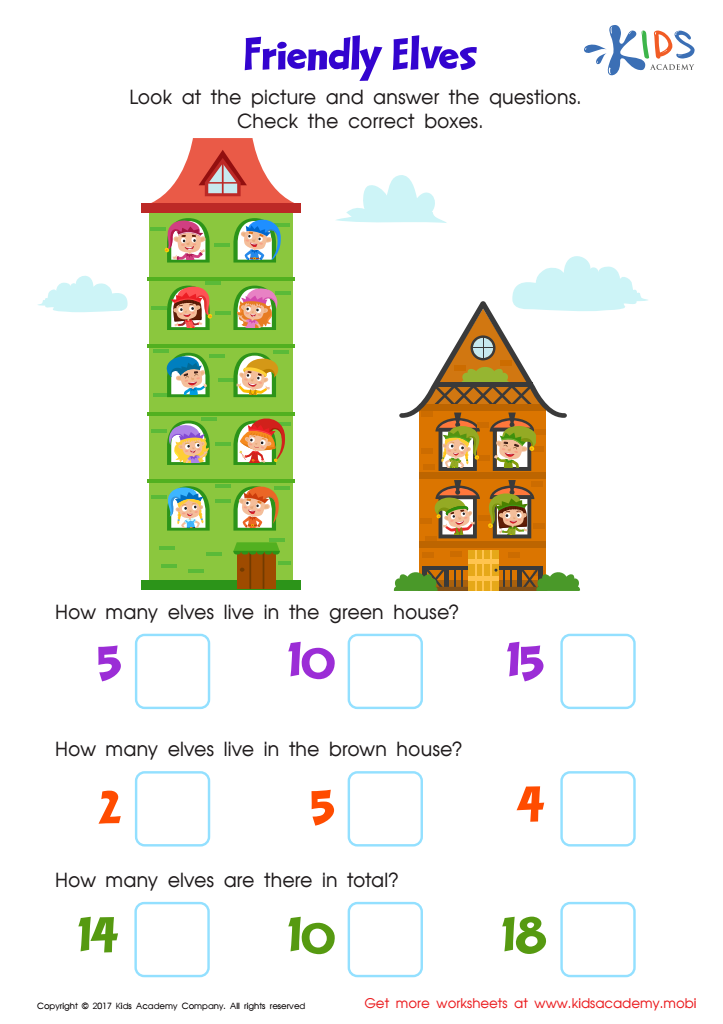
Place Value: Friendly Elves Worksheet
 Assign to My Students
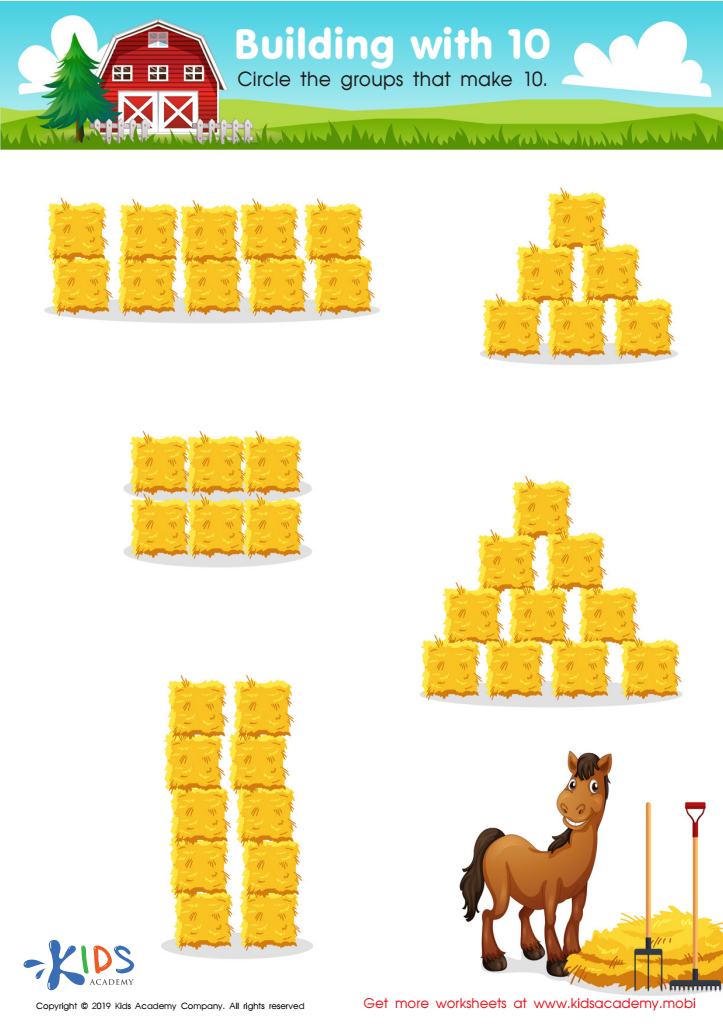
Building with 10 Worksheet
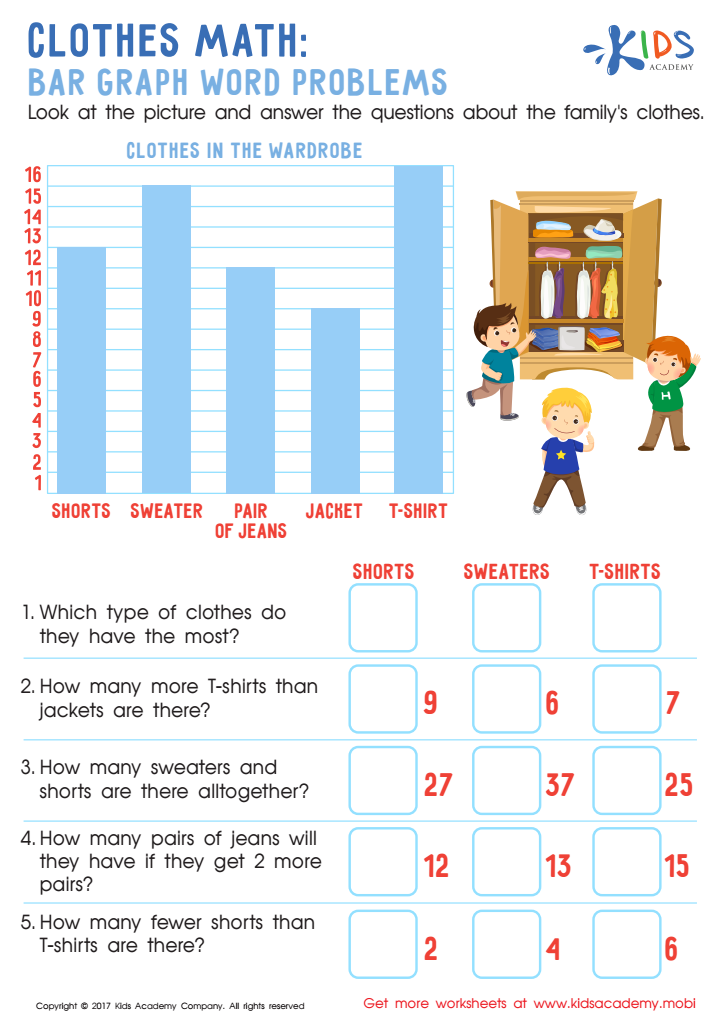
Clothes Math: Bar Graph Word Problems Worksheet
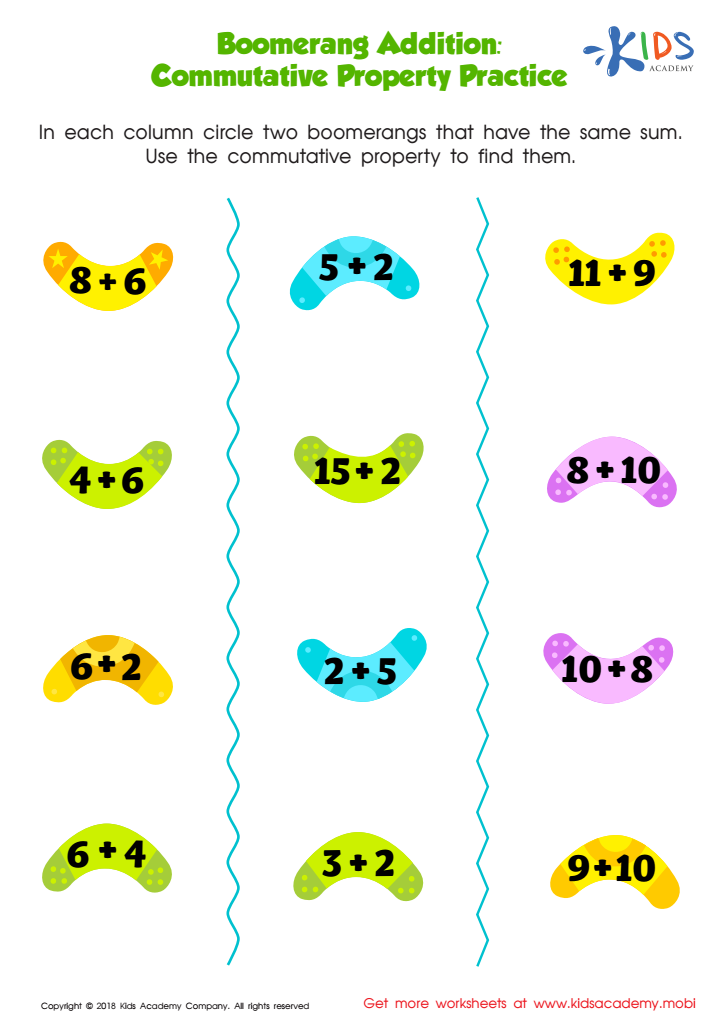
Boomerang Addition Worksheet
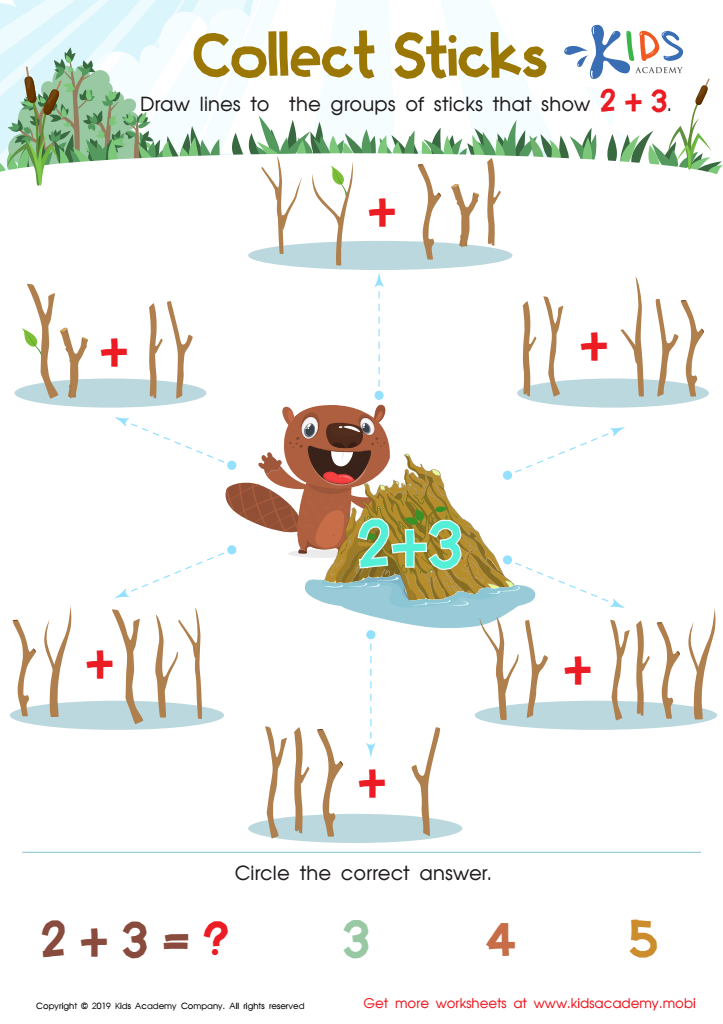
Collect Sticks Worksheet
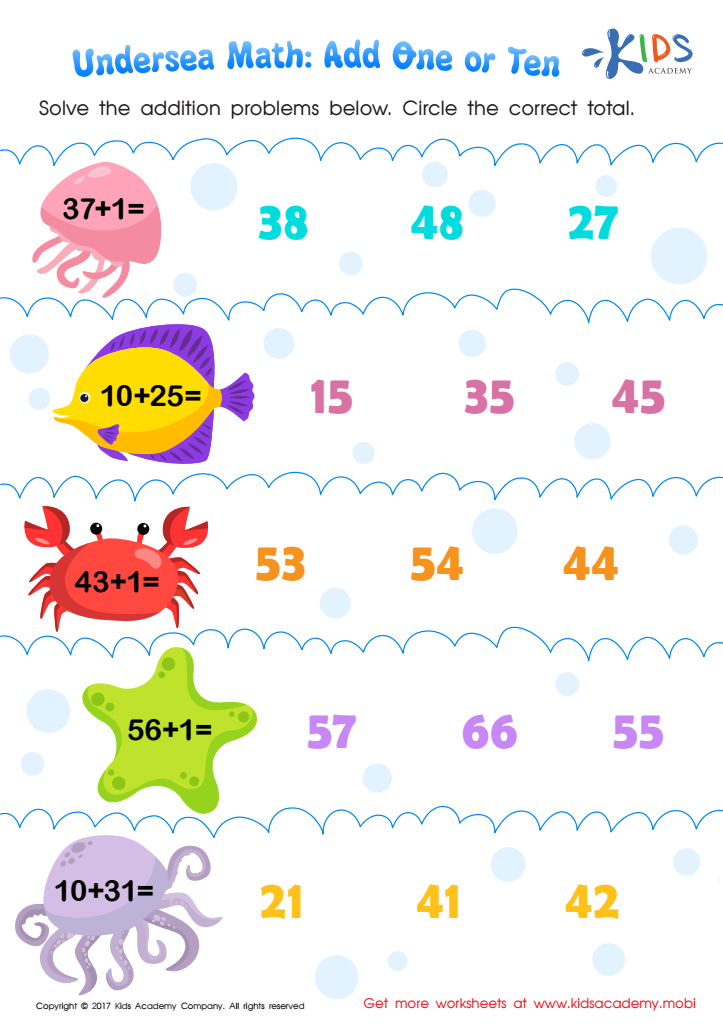
Undersea Math Worksheet
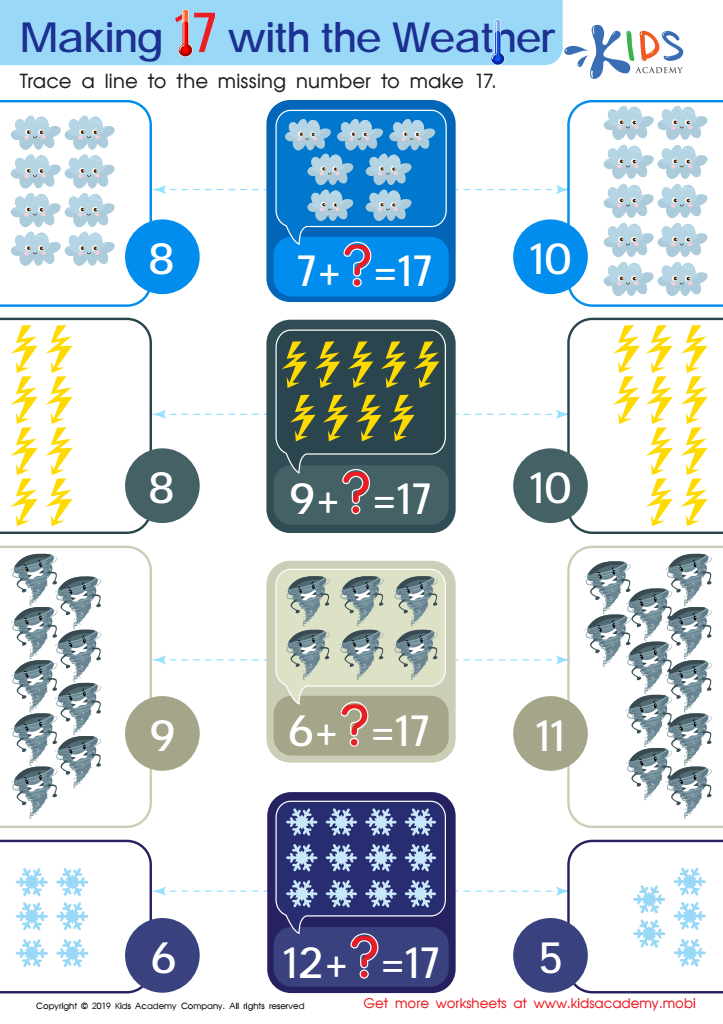
Making 17 with the Weather Worksheet
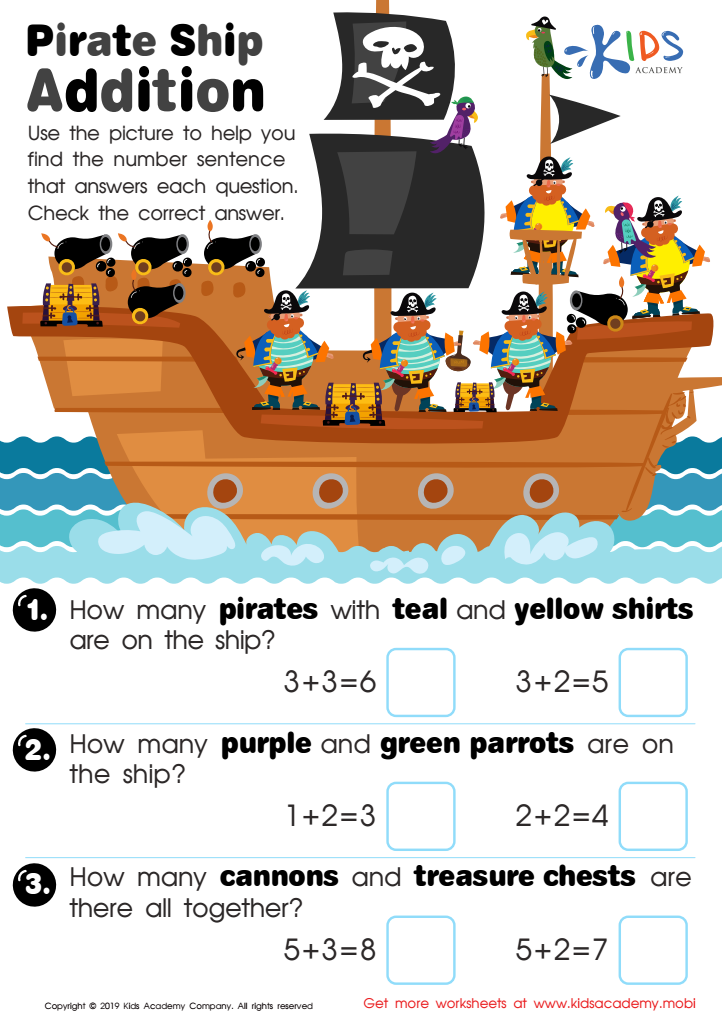
Pirate Ship Addition Worksheet
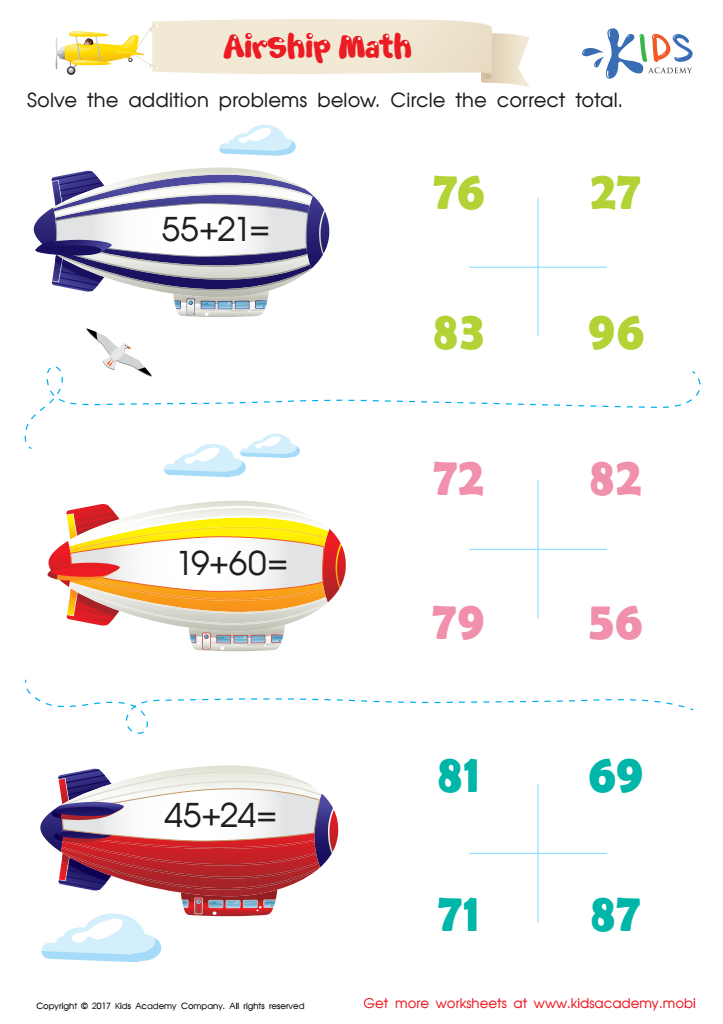
Airship Math Addition Printable
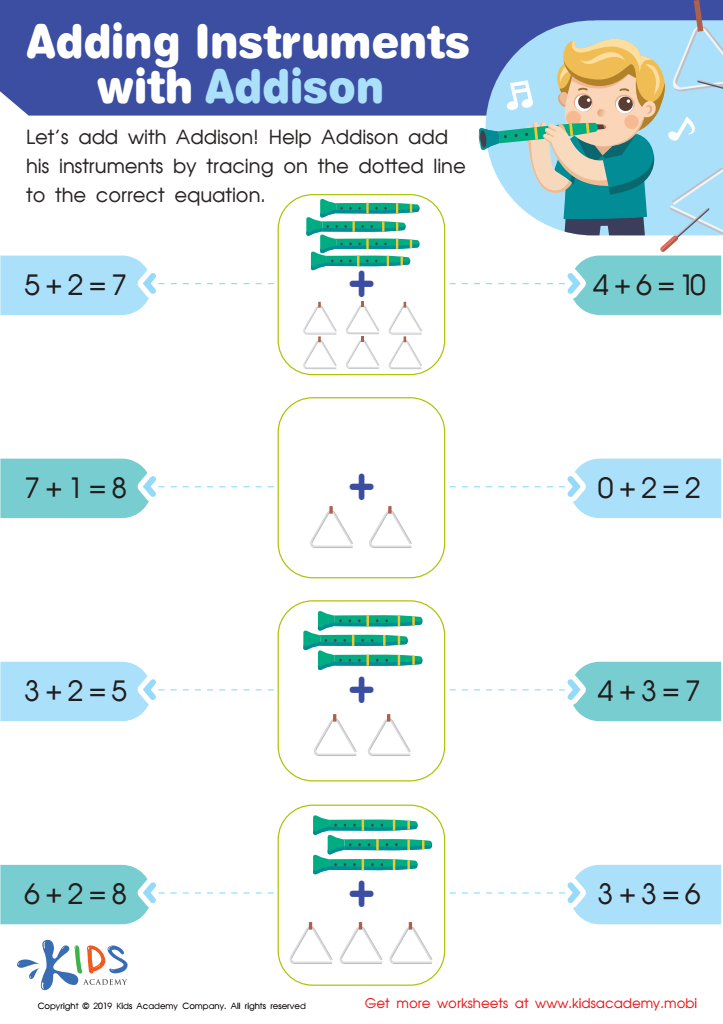
Adding Instruments with Addison Worksheet
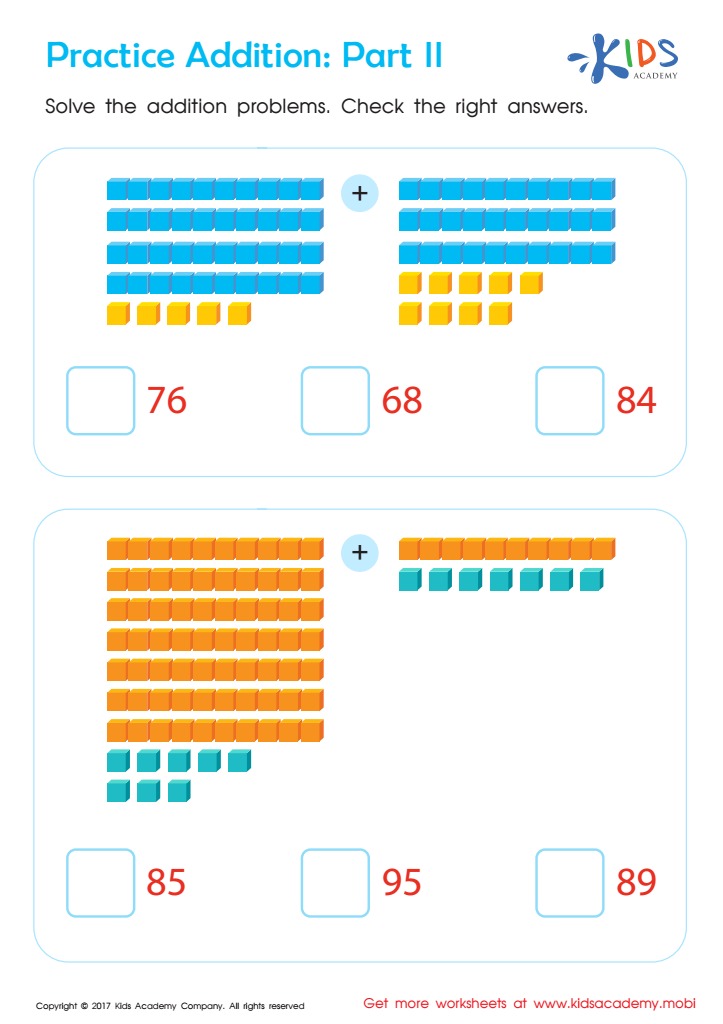
Practice Addition: Part 2 Worksheet
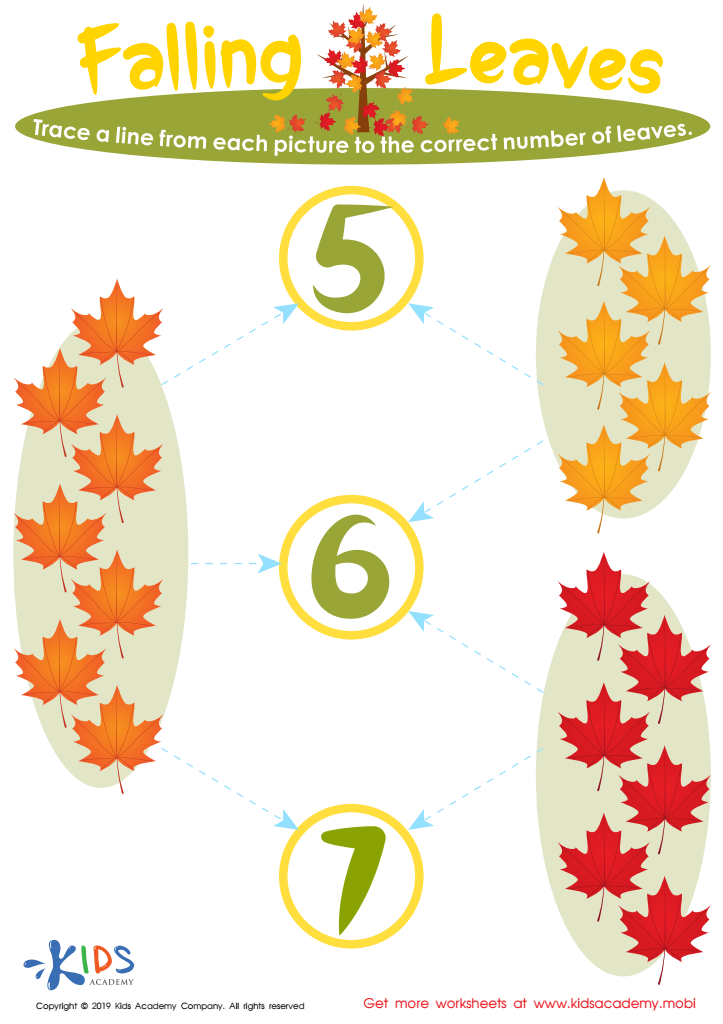
Falling Leaves Worksheet
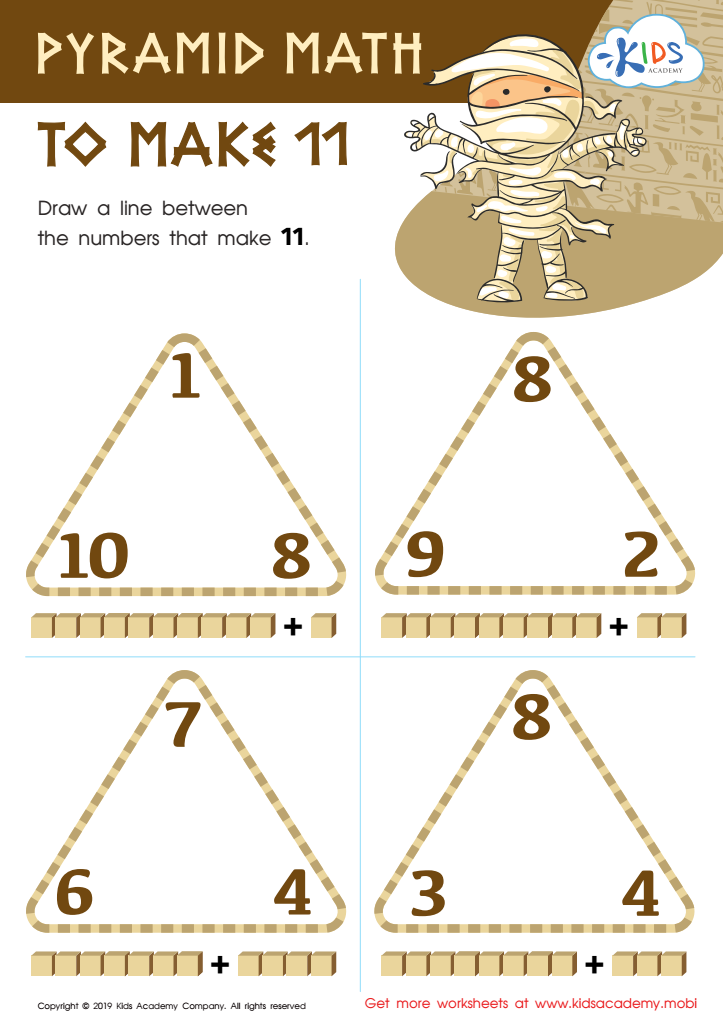
Pyramid Math to Make 11 Worksheet
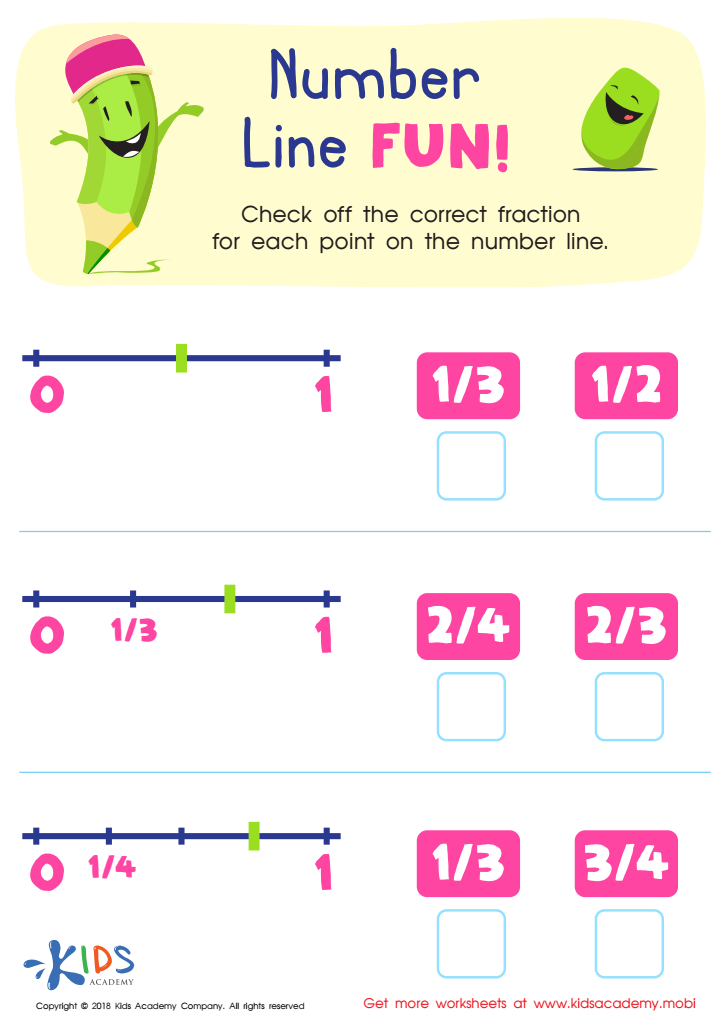
Number Line Fun Worksheet







Parents and teachers should place great importance on addition practice for children aged 3-8 because these early years are crucial for laying a strong mathematical foundation. Early exposure to addition helps children develop number sense, a fundamental skill that encompasses understanding and working with numbers. This leads to proficiency in more complex math concepts later on.
Addition practice promotes critical thinking and problem-solving abilities. As children solve addition problems, they learn to think logically and sequentially, enhancing cognitive development. Regular practice also builds confidence. When children see their progress, they feel positive about their abilities, encouraging a growth mindset towards mathematics.
Additionally, addition practice supports overall academic achievement. Early math skills are strongly correlated with future academic success, including literacy. The functions of counting, pattern recognition, and spatial awareness in addition carry over to many other subject areas.
Moreover, in a world increasingly driven by technology and data, a firm grasp of basic math is more important than ever. By emphasizing addition practice, parents, and teachers invest in lifelong skills that empower children to excel in diverse fields. Engaging children in fun, regular addition practice ensures a solid, enjoyable start to their educational journey.








