
Associative learning Normal Math Worksheets for Ages 3-8
3 filtered results
Difficulty Level
Grade
Age
-
From - To
Subject
Activity
Standards
Welcome to our "Associative Learning Normal Math Worksheets" designed specifically for children ages 3-8! These engaging worksheets help young learners build critical math skills through fun, interactive activities. Associative learning fosters the ability to recognize patterns, classify objects, and make connections between numbers and quantities. Our carefully crafted exercises are perfect for reinforcing foundational math concepts while keeping children entertained. Ideal for use at home or in the classroom, these worksheets ensure your child develops confidence and competence in math. Explore our collection today and support your child's educational journey with thought-provoking and enjoyable learning experiences!
Favorites
With answer key
Interactive
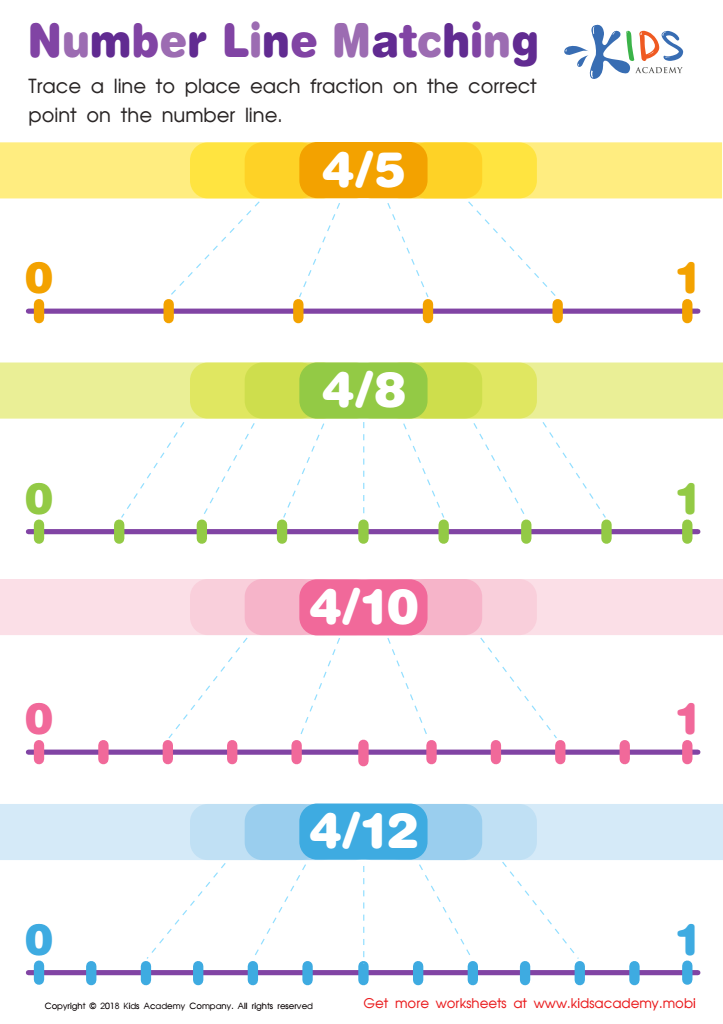
Number Line Matching Worksheet
Math can be fun! Have your child count points on the number line, then identify and trace fractions above it. It's a great way for them to learn and have some fun!
 Assign to My Students
Number Line Matching Worksheet
Worksheet
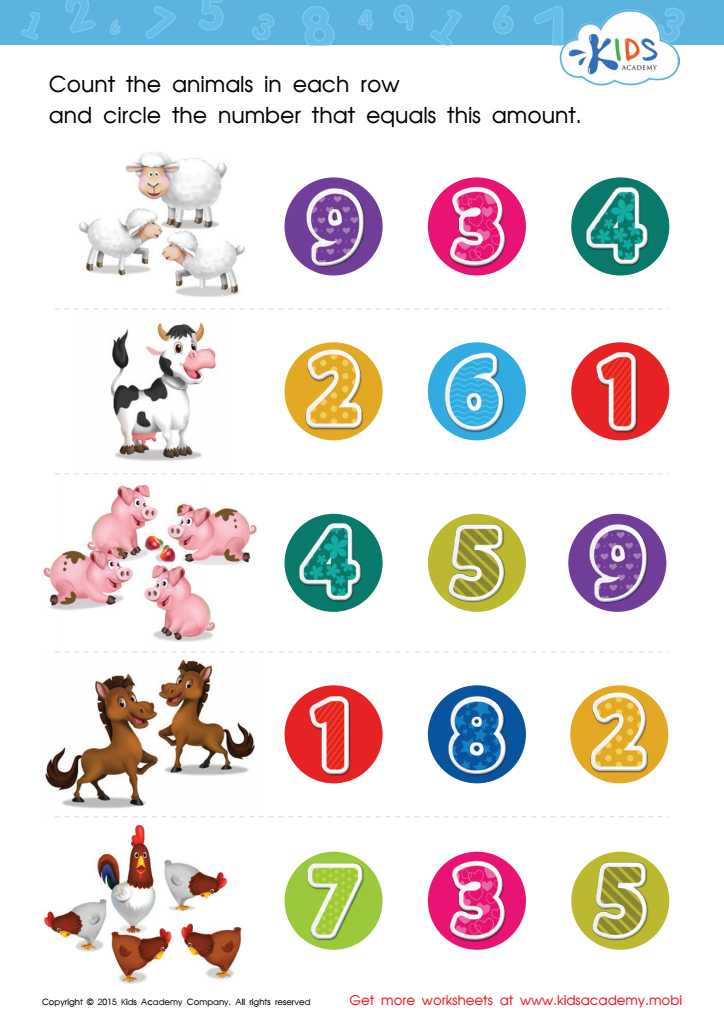
Count and Match 1 – 5 Math Worksheet
Find the colorful worksheet aimed to help your little learner develop their math skills. Count the cute animals and identify the correct numbers based on the Singapore Math method. This worksheet is a fantastic way to start your kid on their mathematical journey.
Count and Match 1 – 5 Math Worksheet
Worksheet
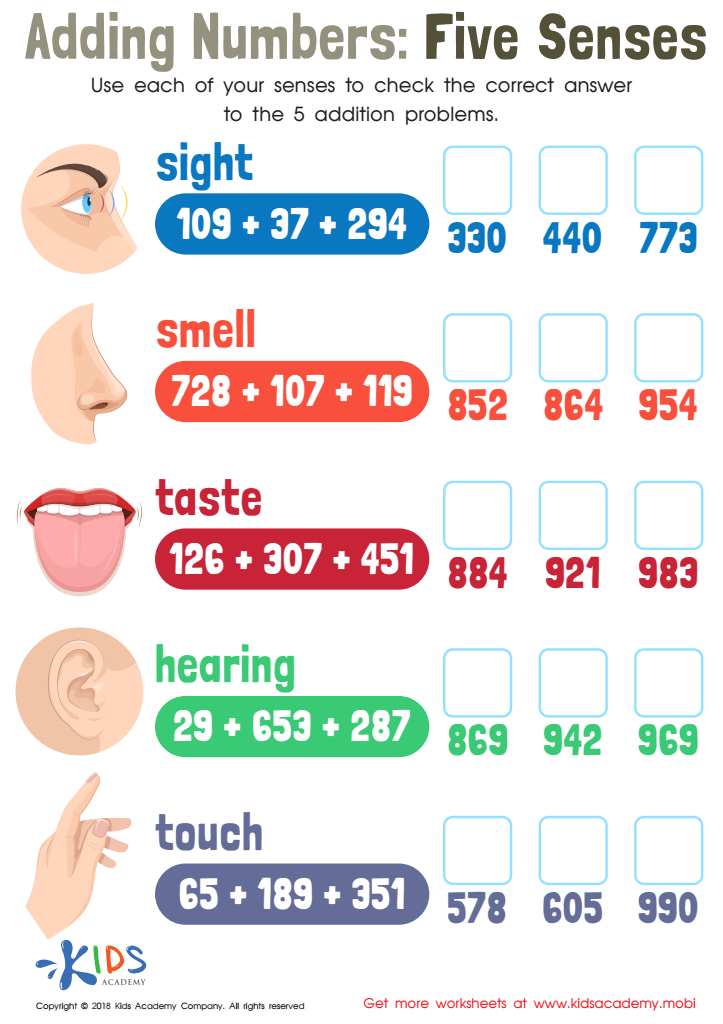
Adding Numbers: Five Senses Worksheet
Help your child identify the five senses on their body: eye, nose, tongue, ear, and skin. Explain that they're used for seeing, smelling, tasting, hearing and touching. Then, have them solve the five addition problems in the worksheet and check the correct answers.
Adding Numbers: Five Senses Worksheet
Worksheet
Join Kids Academy for Free
Who is primarily going to use this learning content?




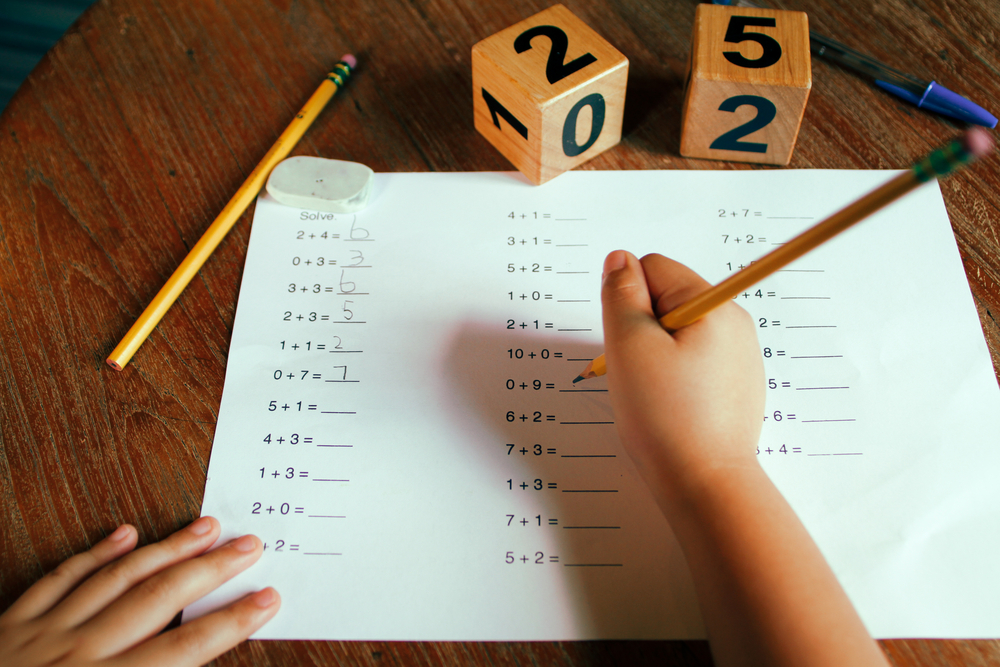


Associative learning in early mathematics is crucial for children aged 3-8 as it lays the foundation for their future mathematical understanding. This type of learning helps children develop connections between concepts and skills, allowing them to understand how numbers, shapes, and patterns relate to one another. When parents and teachers prioritize associative learning, they are fostering critical thinking and problem-solving abilities in young learners.
Associative learning encourages active participation, as children engage in hands-on activities that make abstract mathematical concepts tangible. This engagement enhances motivation and retention, leading to increased confidence in math skills. Furthermore, early exposure to these connections assists in building mental frameworks that support more complex mathematics later on, such as addition, subtraction, and spatial reasoning.
Moreover, developing strong math skills at a young age contributes to overall academic success, as numeracy is closely tied to literacy and scientific understanding. By nurturing associative learning in young children, parents and teachers promote a positive attitude towards mathematics, helping to dispel common anxieties associated with the subject. Ultimately, fostering these skills not only prepares children for future academics but also provides them with essential tools to navigate everyday life effectively.








