Cognitive Development Normal Math Worksheets for Ages 3-8 - Page 2
27 filtered results
-
From - To
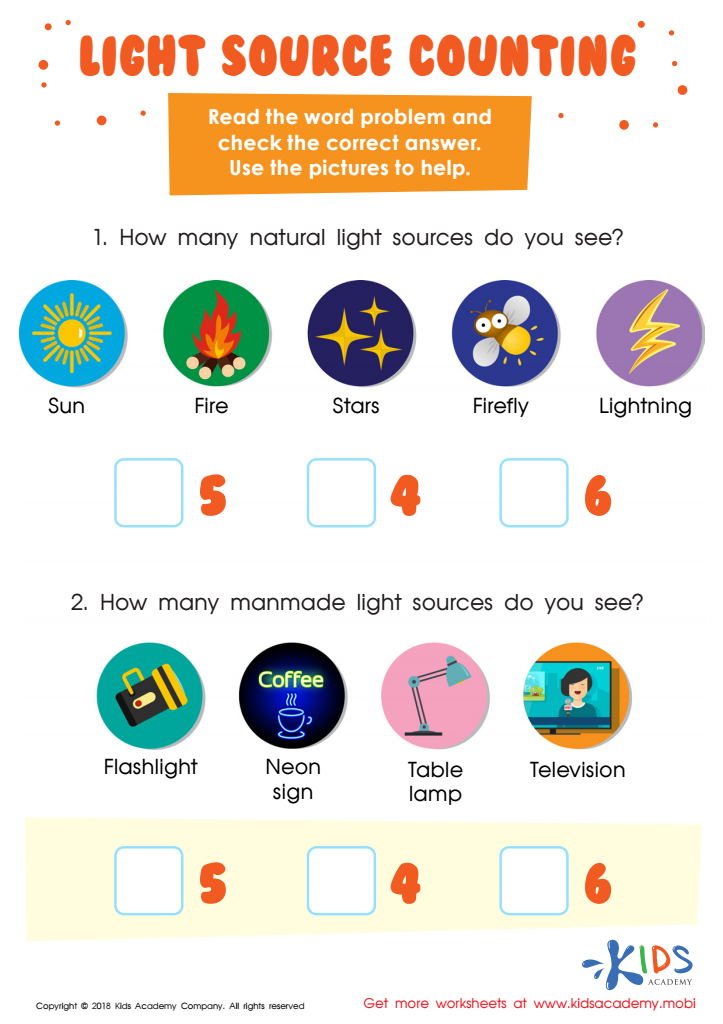
Light Source Counting Worksheet
 Assign to My Students
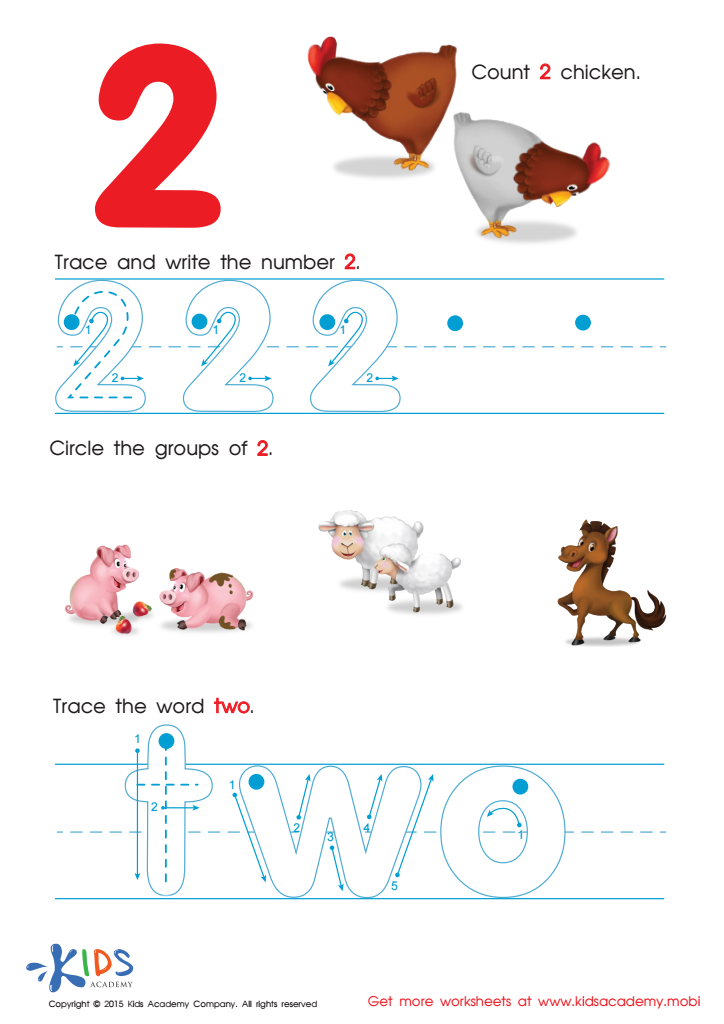
Learn to Write the Number 2 Worksheet
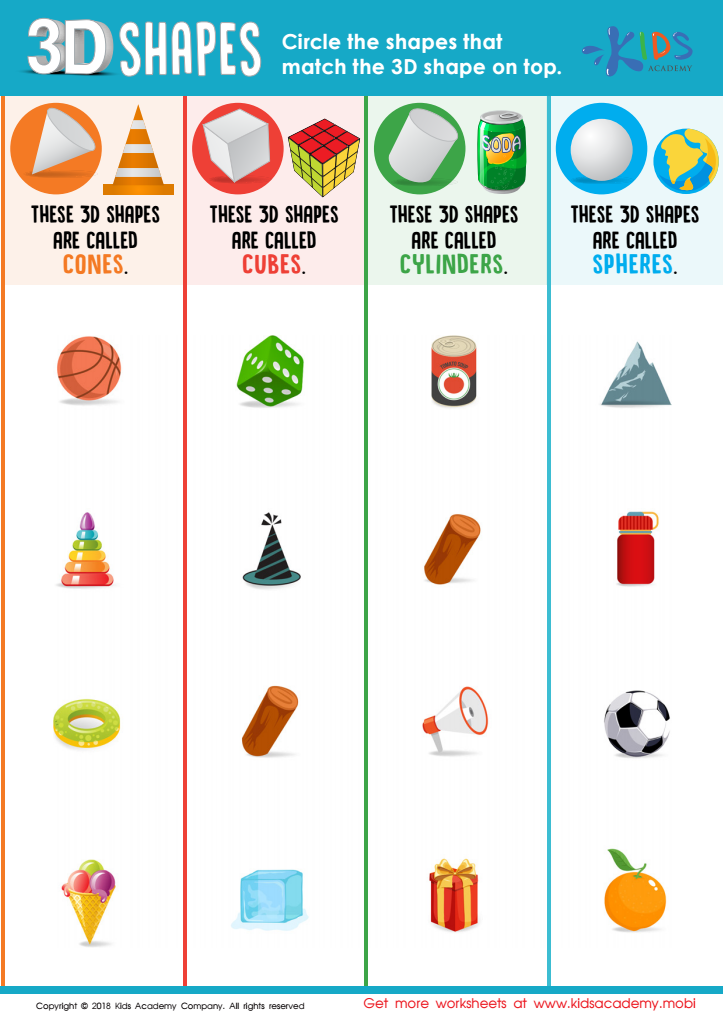
3D Shapes Worksheet







Cognitive development is crucial during ages 3-8, as these years lay the foundation for critical thinking, problem-solving, and understanding mathematical concepts. At this stage, children's brains are highly adaptable, and their cognitive skills are rapidly evolving. Parents and teachers play a pivotal role in nurturing these abilities.
Mathematical skills are not just about numbers; they encompass logical reasoning, spatial awareness, and pattern recognition, vital for everyday decision-making and academic success. Introducing math concepts early helps children develop confidence and avoid math-related anxiety later in life. When children engage in activities like counting, sorting, and measuring, they begin to grasp the basics of math in a concrete, hands-on manner.
Furthermore, positive reinforcement from parents and teachers boosts children's self-esteem and motivation to learn. By incorporating math into play, storytelling, and everyday tasks, adults can make learning fun and relevant. For example, cooking can teach measurements, while building blocks can illustrate geometric shapes.
Ignoring this developmental phase can hinder a child's ability to succeed academically and socially. Early cognitive development in math sets the stage for complex thinking skills needed in higher education and future careers. Hence, nurturing this development is paramount in raising well-rounded, capable individuals.








