Understanding Sequences Normal Math Worksheets for Ages 3-8
4 filtered results
-
From - To
Enhance your child's mathematical skills with our "Understanding Sequences" worksheets, designed specifically for ages 3-8. These engaging activities help young learners grasp the concept of sequences in a fun and interactive way. Featuring colorful illustrations and age-appropriate exercises, our worksheets cater to different learning styles, ensuring that your child develops a solid foundation in math. From identifying patterns to completing series, these resources make learning enjoyable and effective. Perfect for use at home or in the classroom, our worksheets encourage critical thinking while building confidence in young mathematicians. Start exploring sequences today and watch your child's skills grow!
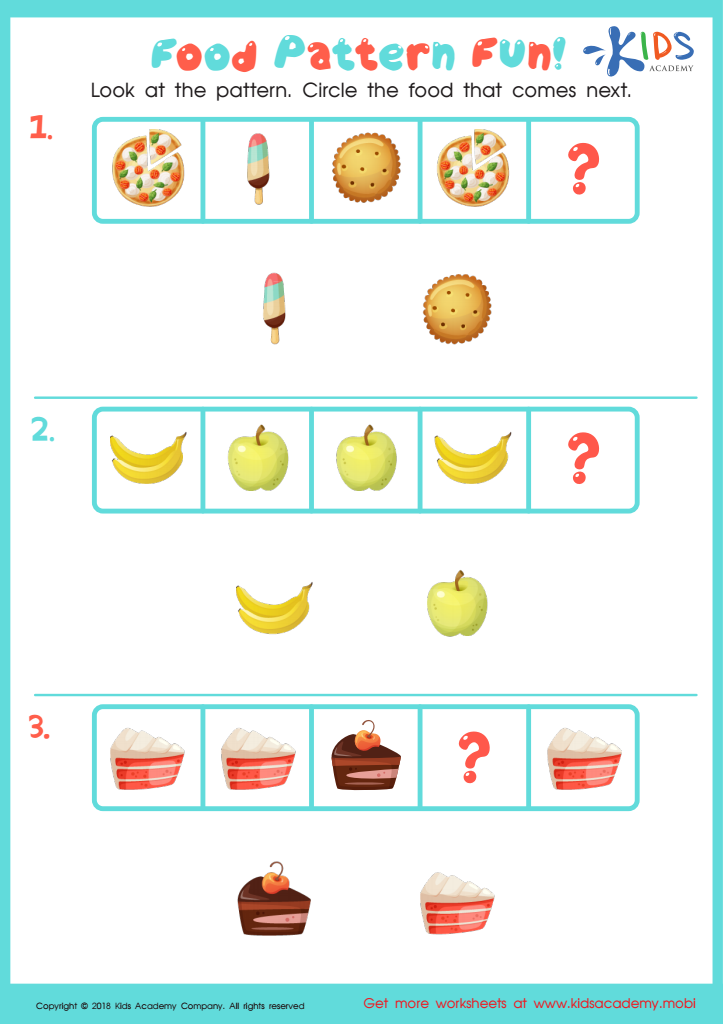
Food Pattern Fun Worksheet
 Assign to My Students
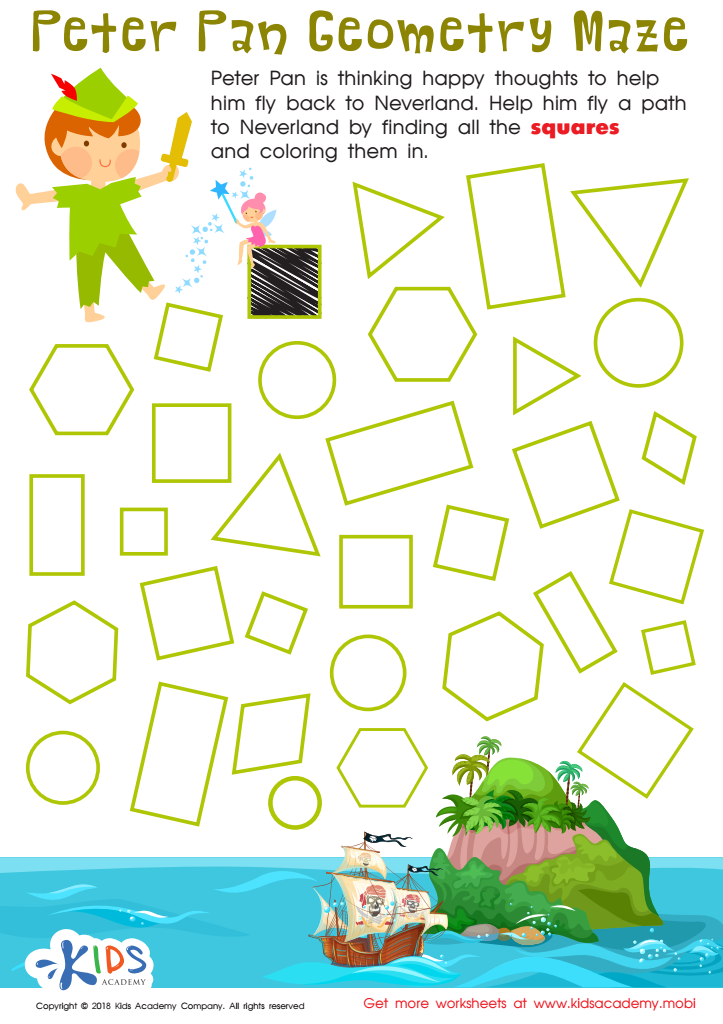
Peter Pan Worksheet
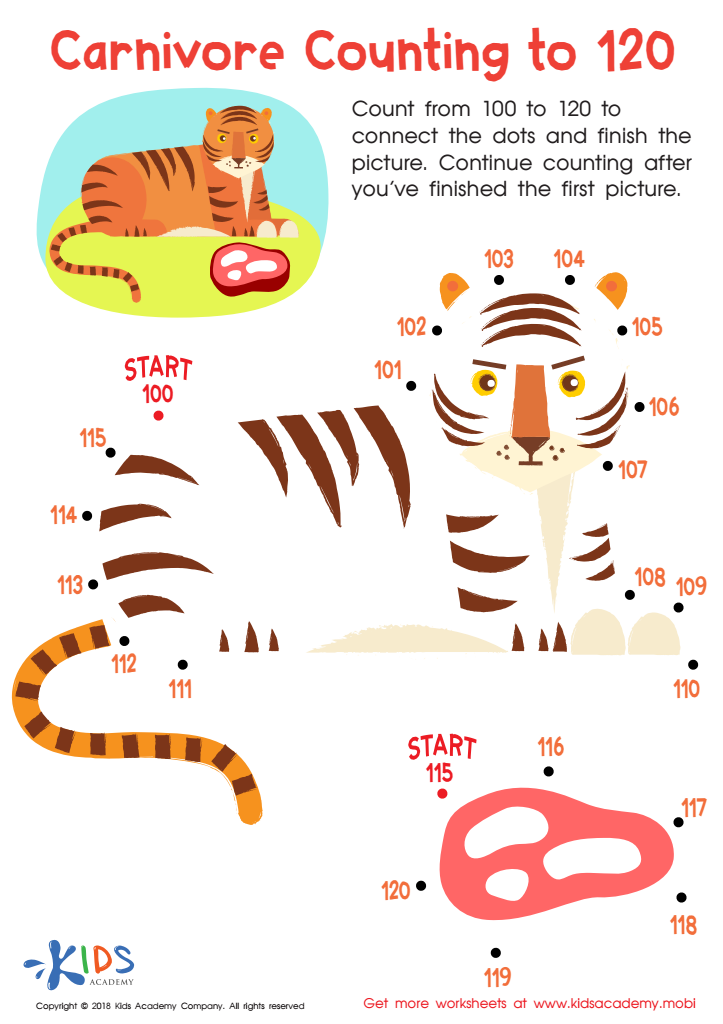
Carnivore Counting to 120 Worksheet
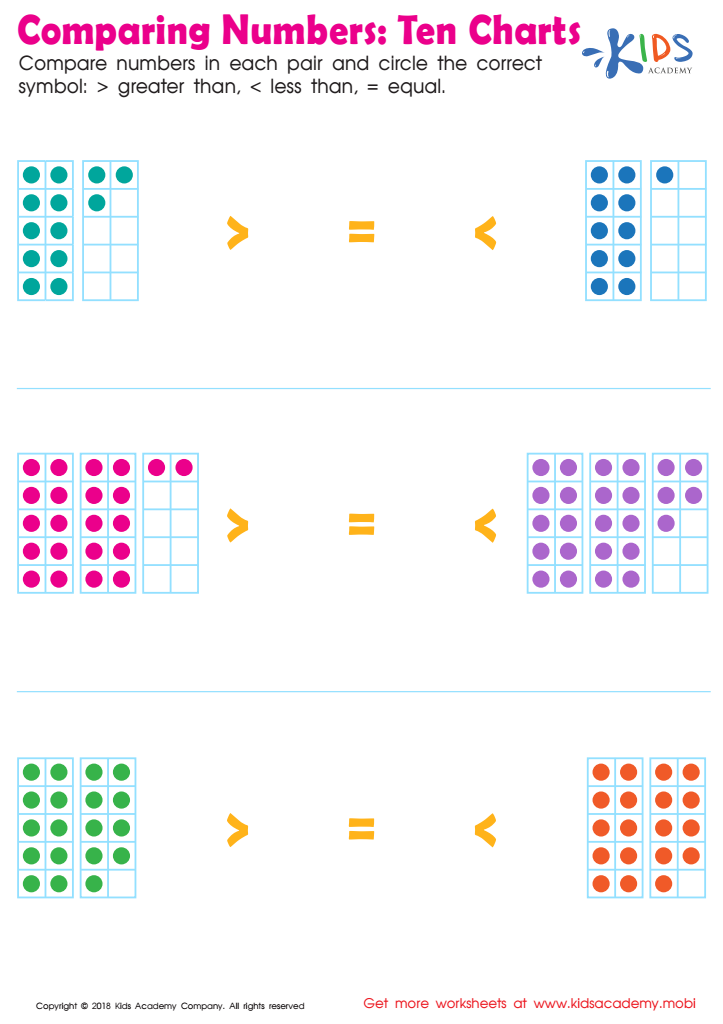
Ten Charts Worksheet







Understanding sequences in mathematics is crucial for young learners aged 3-8 as it lays the foundation for future mathematical concepts and problem-solving skills. Sequences involve recognizing patterns, ordering objects, and predicting what comes next, all fundamental to cognitive development. Parents and teachers should care because this understanding enhances children’s logical thinking and reasoning abilities, fostering a more profound comprehension of math concepts as they progress through their education.
Additionally, mastering sequences encourages children to make connections between numbers and real-world applications, such as arranging objects by size or understanding the calendar’s days and months. Such skills not only build mathematical confidence but also promote critical thinking, which is essential for overall academic success.
Furthermore, engaging in sequence-related activities can be fun and interactive, making math enjoyable and less intimidating for young children. By incorporating sequences into play and daily routines, parents and teachers can create a rich learning environment that nurtures curiosity and exploration.
In summary, nurturing an early understanding of sequences is pivotal in developing children’s mathematical abilities, critical thinking skills, and confidence, all of which are essential for their future academic achievements and everyday problem-solving.








