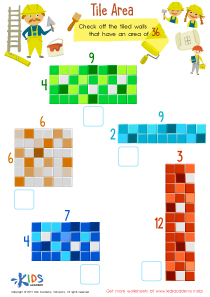
Problem-Solving Skills Normal Matching Worksheets for Ages 3-8
5 filtered results
-
From - To
Introduce your child to the world of critical thinking with our Problem-Solving Skills Normal Matching Worksheets for Ages 3-8. These fun and engaging worksheets are designed to strengthen your child's logical reasoning and matching abilities while keeping them entertained. Each worksheet presents colorful and captivating problems that promote cognitive development and enhance problem-solving skills. Perfect for preschool and early elementary children, our easy-to-use printables provide a solid foundation for academic success. Encourage independent learning, boost confidence, and make learning math an exciting adventure. Download today and watch your child thrive with targeted activities catered to young learners!
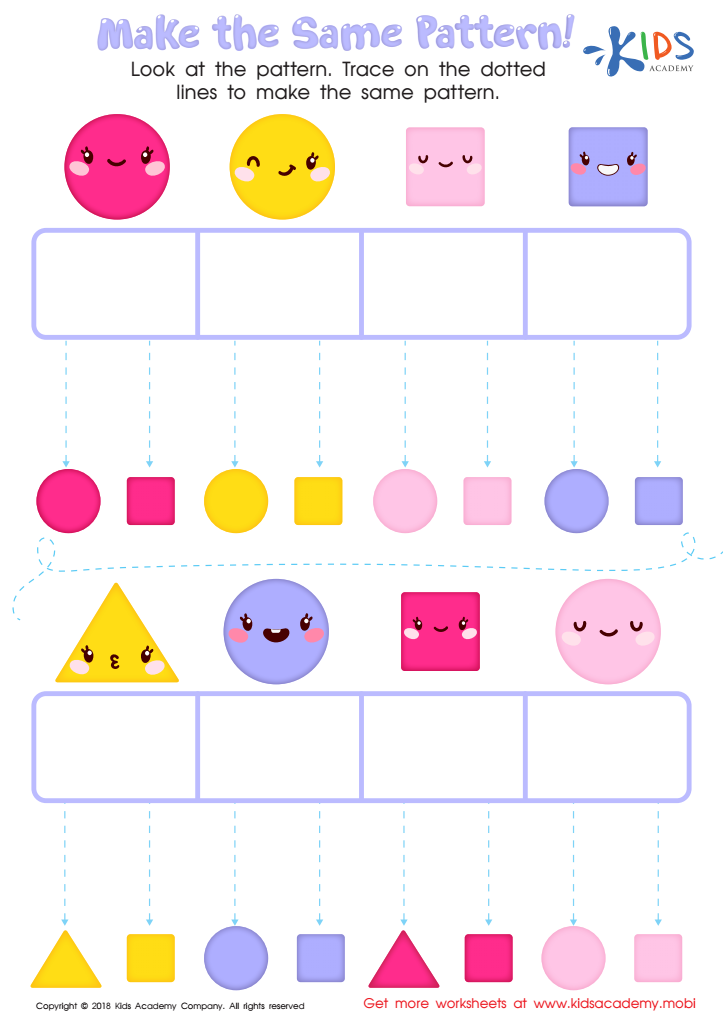
Make the Same Pattern Worksheet
 Assign to My Students
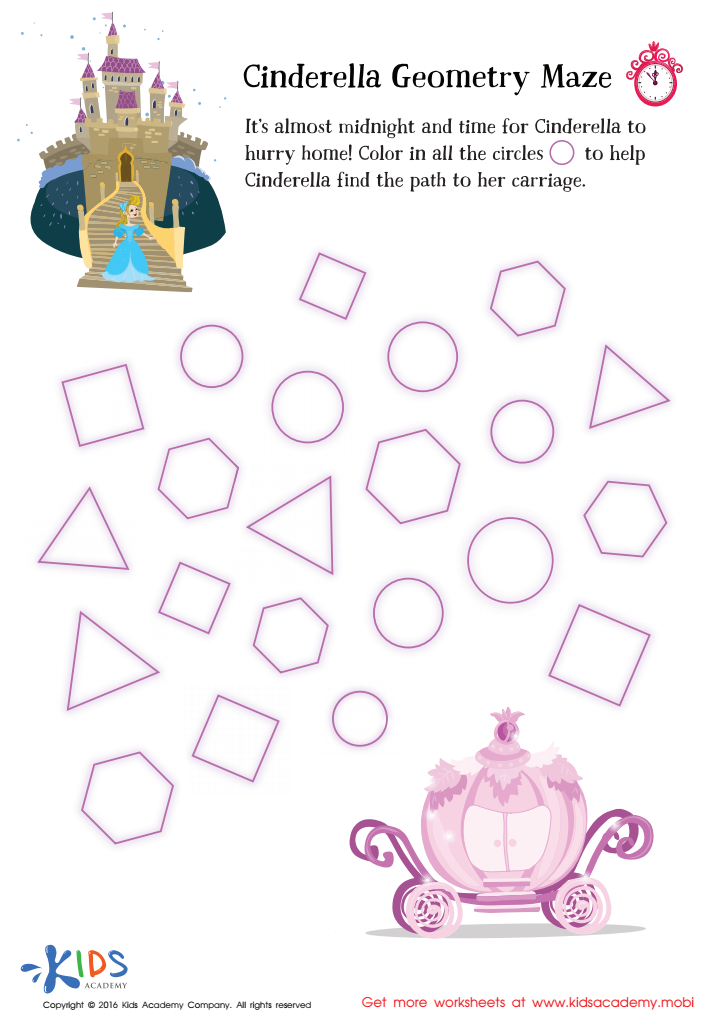
Cinderella Geometry Maze Worksheet
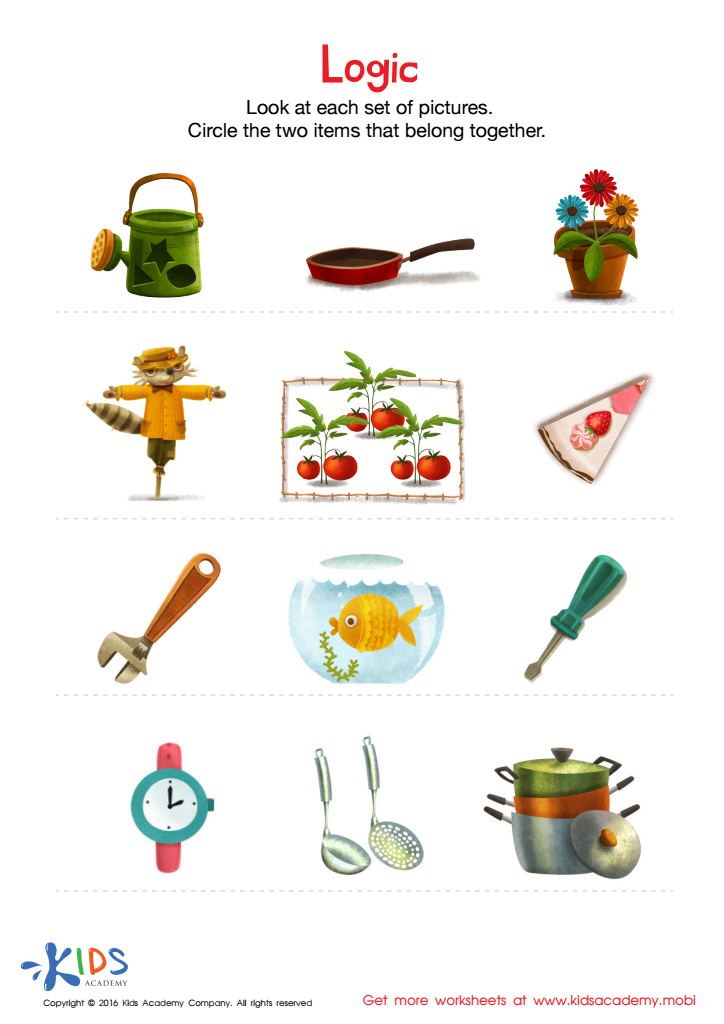
Logic Game Sorting Worksheet
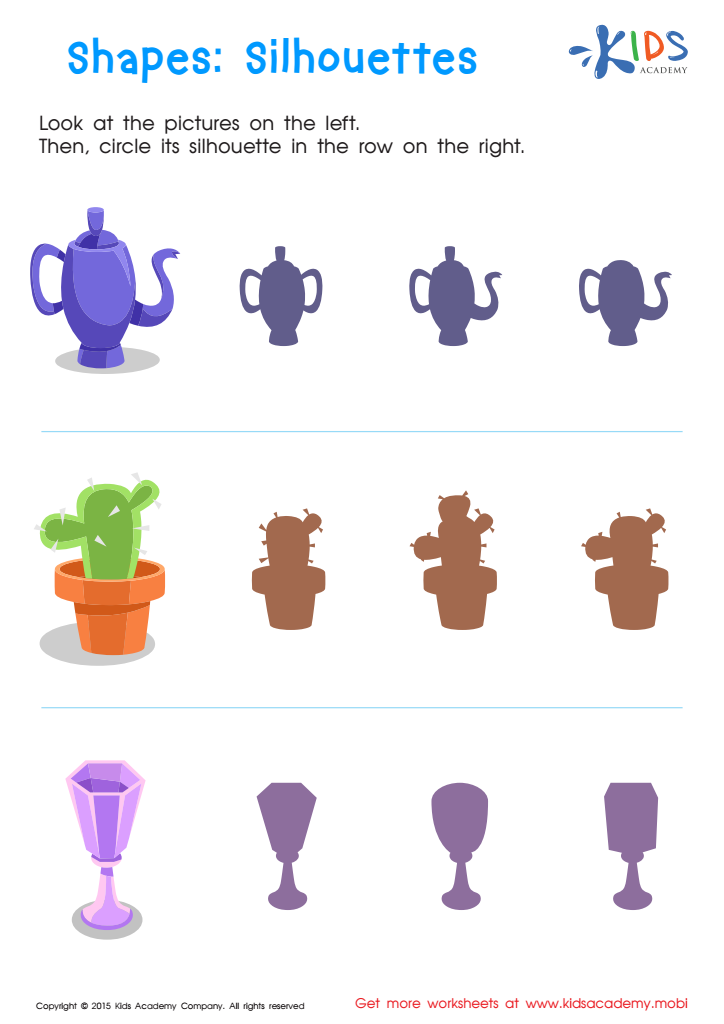
Silhouettes – Shapes Worksheet
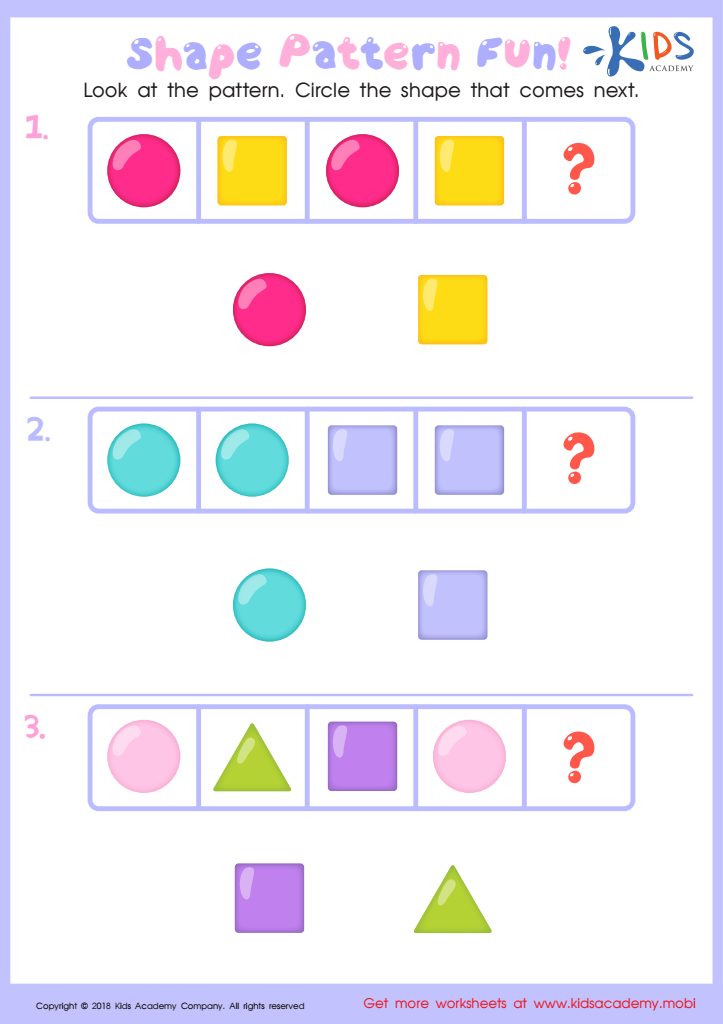
Shape Pattern Fun Worksheet



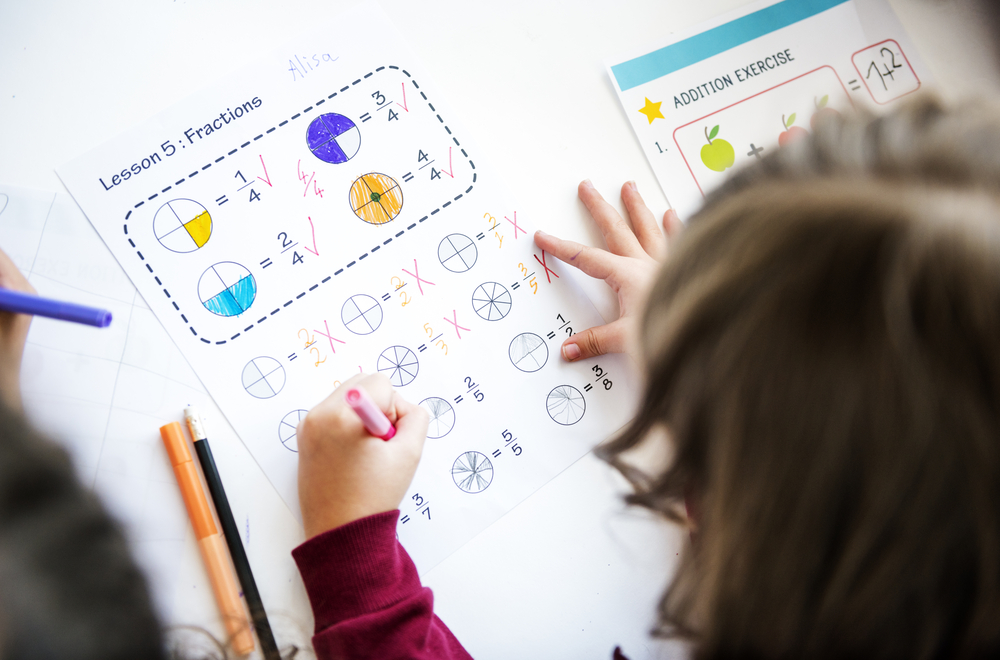



Problem-solving skills are crucial for children aged 3-8 because they lay the foundation for cognitive development, critical thinking, and effective decision-making throughout life. During these formative years, children are naturally curious and encounter various situations that require solving problems. This is the prime time to nurture these skills.
Encouraging problem-solving helps develop independent thinking and resilience. When children learn to approach problems systematically, whether through games, puzzles, or real-life scenarios, they gain confidence in their abilities. This confidence in thinking critically and evaluating different solutions forms the basis of independence and self-efficiency.
Moreover, problem-solving activities enhance language skills. As children discuss their thought processes or explain solutions, their vocabulary expands and communication skills improve. Socially, these skills foster cooperation and empathy. When working together to solve a problem, children learn to listen to others' perspectives and understand the importance of teamwork.
Educationally, proficiency in problem-solving translates to academic success. Subjects like math and science inherently require these skills, as do reading comprehension and following instructions in assignments. Thus, fostering these abilities prepares children for more complex challenges in school and beyond.
In sum, parents and teachers who prioritize problem-solving skills in early childhood create a strong foundation for emotional, social, and cognitive development, ultimately guiding children into becoming well-rounded, capable individuals.